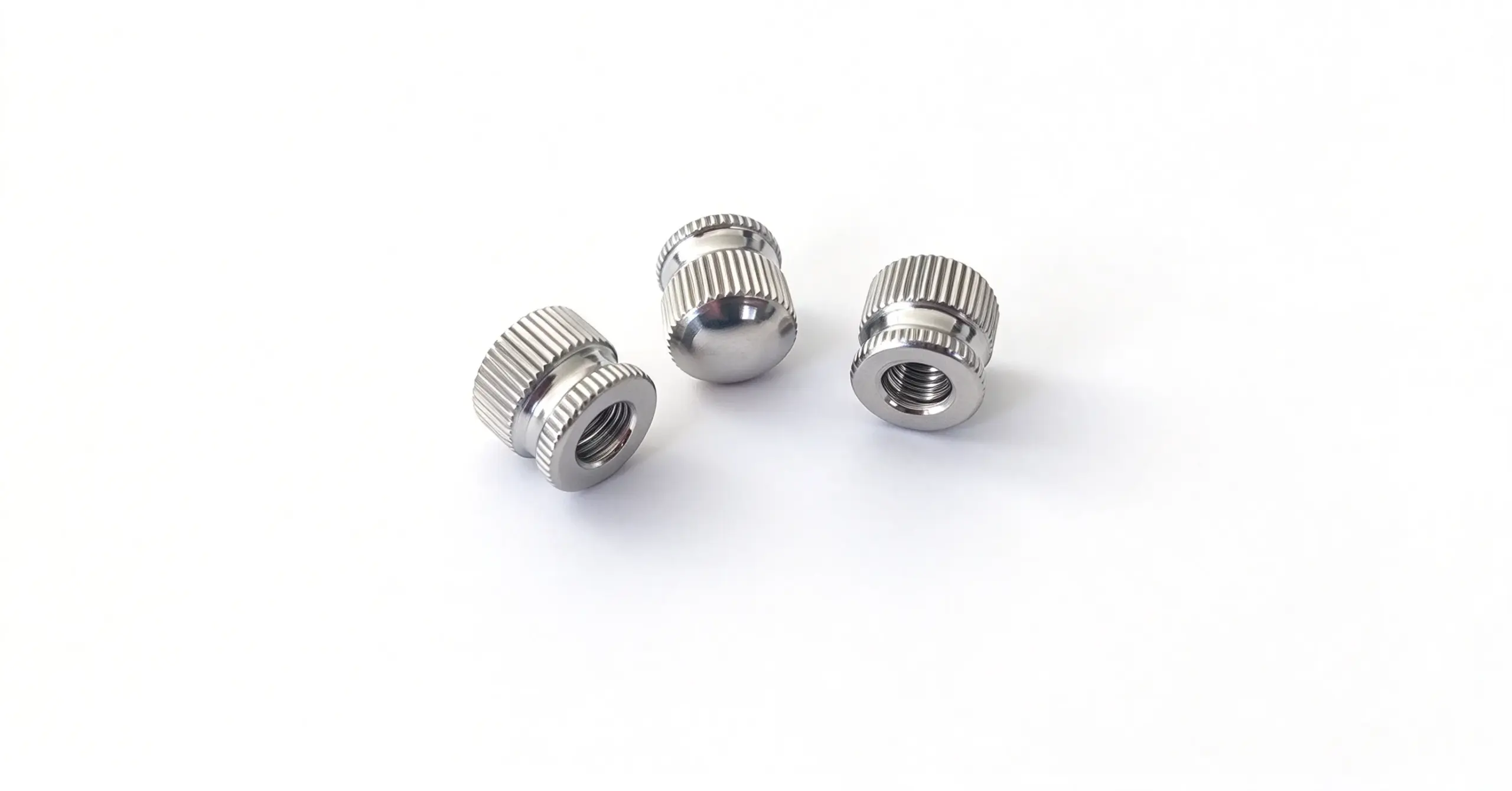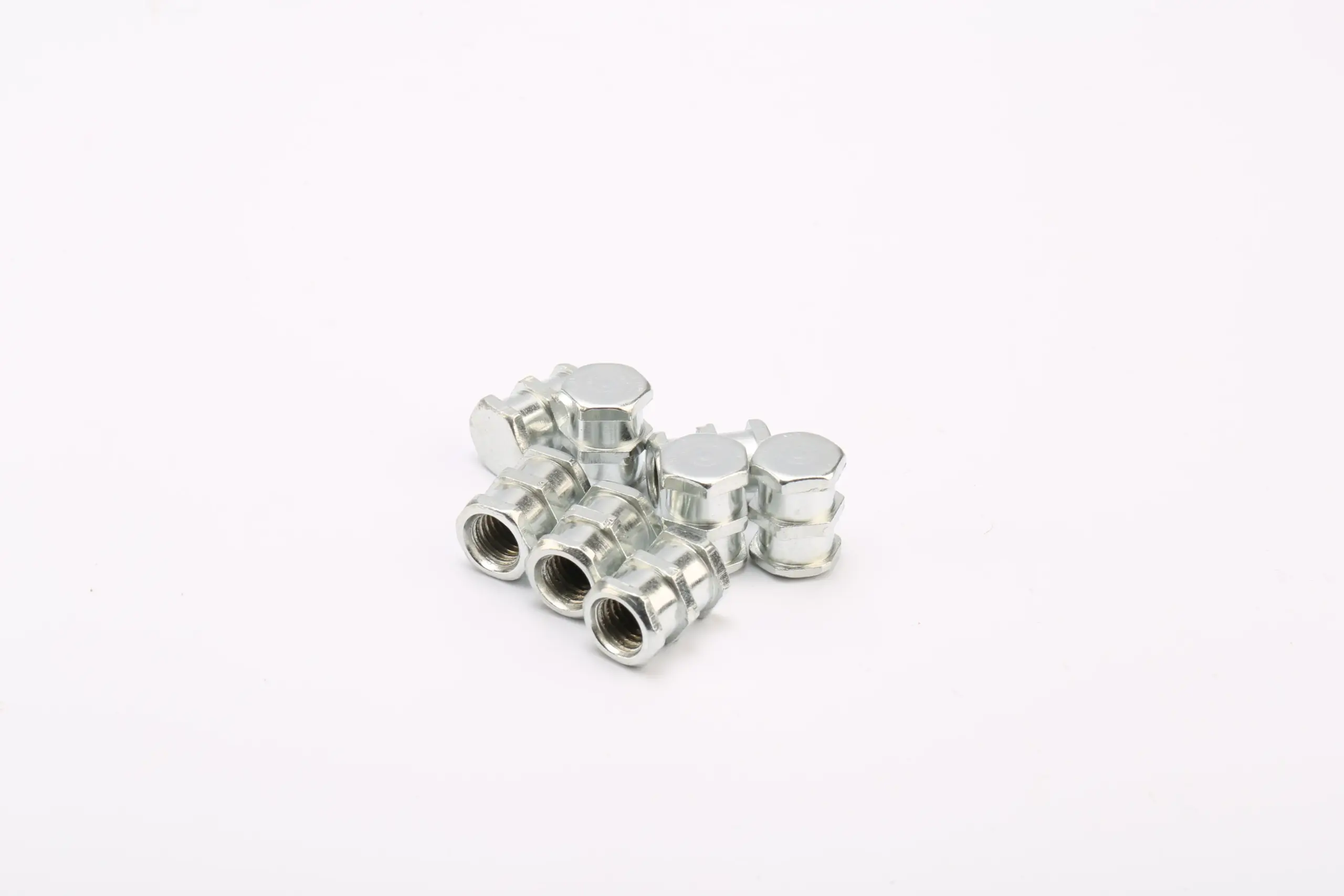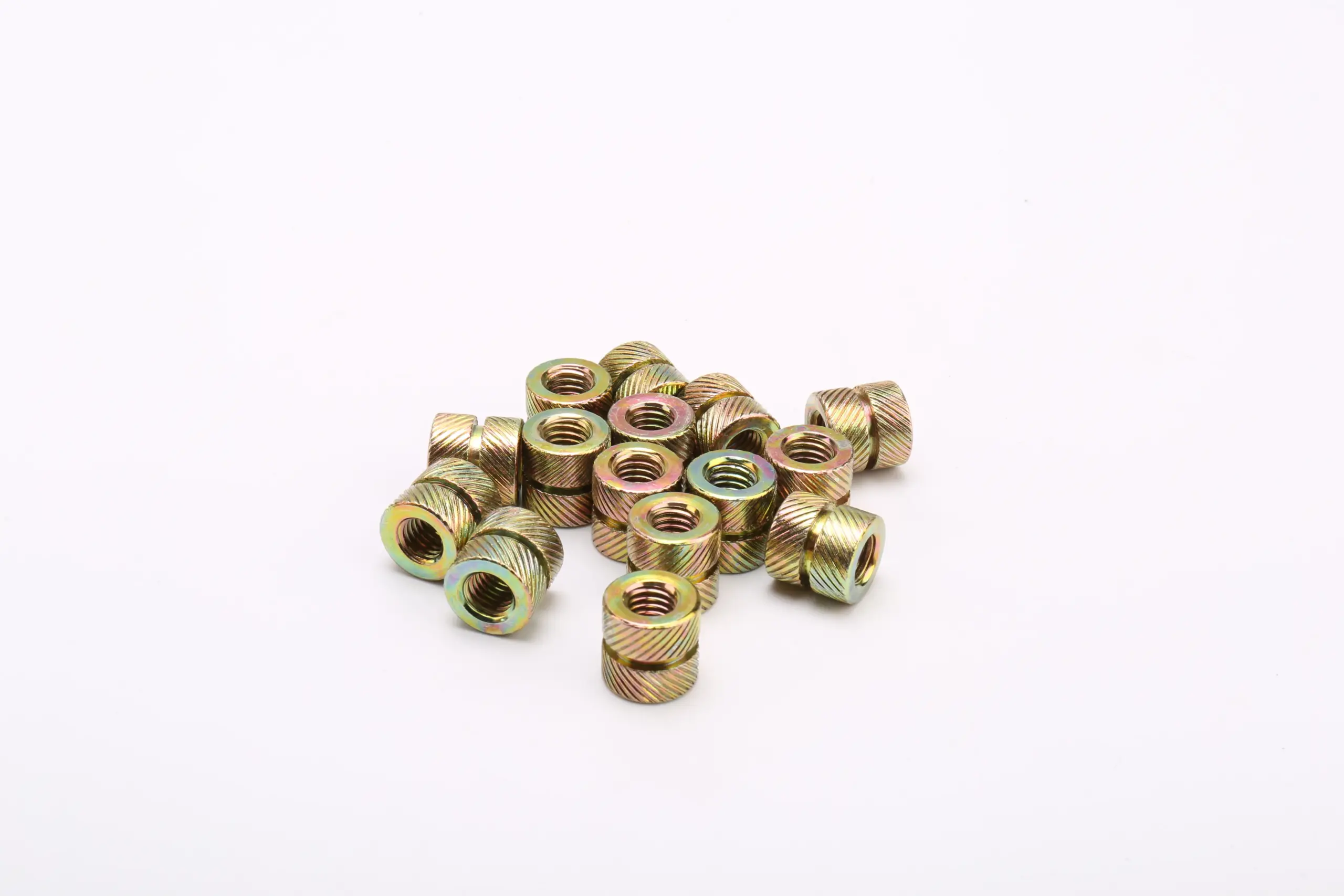


T-nuts provide a threaded fixing point that can be positioned in a slot or channel, often in aluminum extrusion and panel systems. The gallery shows several flange and body shapes, including examples seated in a T-slot. The slot profile, nut orientation and insertion method are as important as the thread size.
T-slot geometry and orientation
The nut body must pass into the slot and then rotate or seat so that the flange and shoulders engage the profile. Check the slot width, depth and internal clearance against the nut drawing. A nut that drops into the slot may still sit too high or fail to engage the intended bearing surfaces. Confirm the insertion direction and the available access at the end of the extrusion.
Flange, thread and seating
The flange or shoulder provides a bearing surface around the threaded hole. Inspect it for flatness and burrs, and confirm that the thread is centered in the body. When a screw is tightened, the nut should pull against the slot without twisting out of position. The thread size and length must suit the mating screw and the thickness of the component being clamped.
Positioning along the slot
Some T-nuts can be slid to the required position before tightening, while others are inserted at a specific point. Define how the position will be set and whether the nut must remain captive during assembly. For a vertical or overhead joint, check that the nut will not fall out of the slot before the screw engages. A helper tool or retaining feature may be needed.
Material and finish review
The silver appearance should be confirmed as a material or coating requirement. Review the slot material and the nut material together, especially if the joint will be adjusted repeatedly. Cleaning and lubrication should be compatible with the selected finish. For visible extrusions, protect the anodized or coated surfaces from tool marks during installation.
Ordering and trial fit
- Provide the slot profile and nut orientation.
- Define the thread, flange and body dimensions.
- Confirm the insertion and positioning method.
- State material, finish and appearance requirements.
Fit the sample in a short section of the actual extrusion. Check that it enters, rotates or slides as intended and that the screw seats without distorting the profile.
FAQ
Will a T-nut fit any aluminum extrusion?
No. The slot profile and internal clearance must match the nut design. Confirm both before ordering.
Can the nut be slid along the slot?
That depends on the body and slot geometry. Check the intended positioning method and whether the nut remains captive.
What should be checked during trial assembly?
Check insertion, orientation, thread alignment, seating and freedom from damage to the extrusion.
Browse the T-nuts category, or compare square nuts and hex nuts.