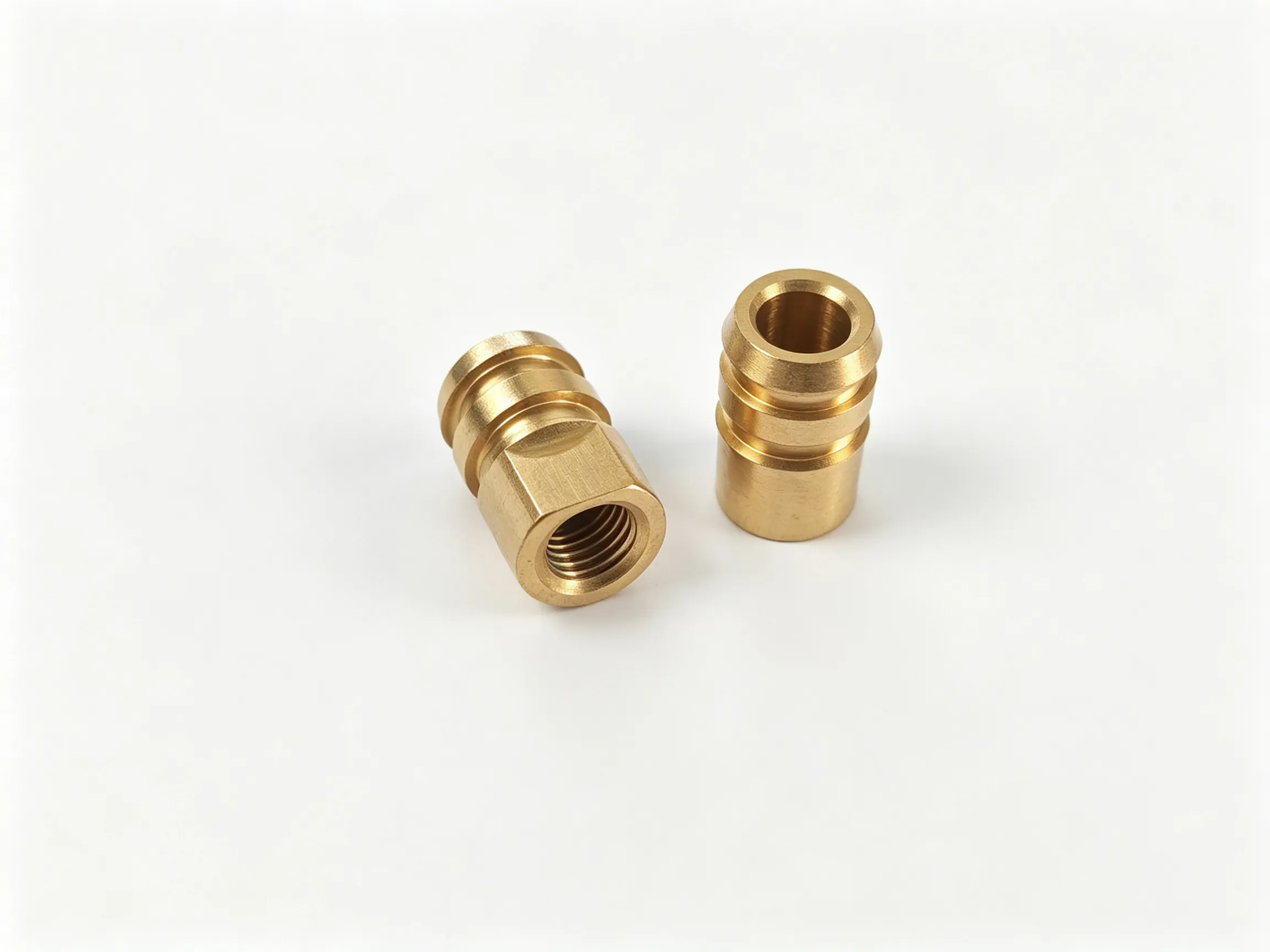
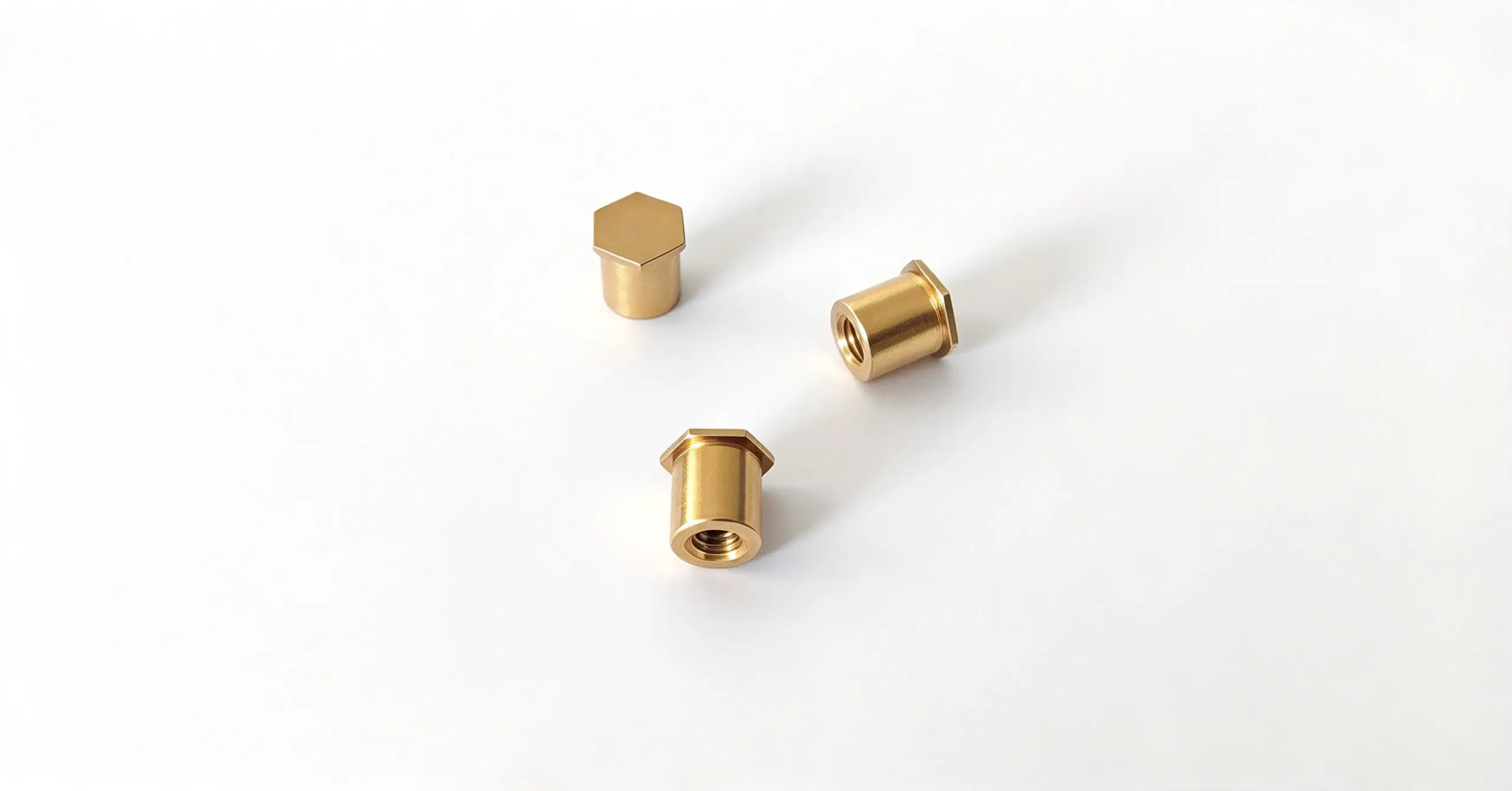
Hex nuts use a six-sided wrenching body and an internal thread to clamp a mating part in a bolted assembly. The shape gives the installer several tool positions, while the bearing face transfers clamping force into the joint. A useful selection starts with thread compatibility, nut thickness and the surface that will be loaded, not with the outside shape alone.
What the six-sided body contributes
The six flats provide a place for a wrench or socket and make the nut easy to index during assembly. They also establish the clearance envelope around the fastener. Check that the socket can reach the nut without touching a nearby wall, boss or pipe. A nut that fits the thread can still be unsuitable when the available swing angle is too small.
The corners and chamfers should be reviewed with the mating washer or clamped surface. A damaged corner can reduce tool engagement, and a rough bearing face can prevent the nut from seating squarely.
Thread and seating checks
Confirm the thread size, pitch, direction and acceptable fit against the mating fastener. The first threads should engage freely by hand before a tool is used. A nut that must be forced indicates a damaged thread, contamination or the wrong fit. The bearing face should sit on a flat, supported surface; a washer may be needed when the joint material is soft or the hole is slotted.
Where hex nuts are commonly considered
These nuts can be evaluated for equipment frames, brackets, guards, fixtures and general maintenance joints. They are also common where a standard wrench is already available. For a vibrating assembly, the locking method must be selected separately. The nut shape alone does not provide a locking feature, and a nylon insert or mechanical lock should not be assumed unless it is shown on the drawing.
Specifying the thread, body and finish
- State the thread designation, pitch and direction.
- Define the across-flats size, thickness and chamfer requirement.
- Show the bearing face, washer interface and any restricted clearance.
- Identify the material, finish and inspection points separately.
A drawing should distinguish functional dimensions from reference dimensions. When a coating is specified, confirm whether the thread fit and bearing surface are evaluated before or after finishing.
Installation and inspection
Clean the threads and check that the nut starts by hand. Bring the bearing face into contact before applying the final tightening method. The required tightening value belongs to the joint design and should not be inferred from the nut size. After assembly, inspect thread engagement, face contact and tool marks. For a removable joint, confirm that the nut can be loosened without damaging the adjacent components.
FAQ
Does a hex nut lock by itself?
No. A six-sided shape helps with wrenching but does not define a locking method. Specify a locknut, washer or other retention feature when the joint needs one.
Can the outside shape be used as a dimensional standard?
Only when the drawing or referenced standard says so. Measure the thread, across-flats size, thickness and bearing face for the actual part.
What should be included in a quotation request?
Send the thread, drawing or sample, required material and finish, quantity and any inspection or documentation requirements.
Browse the hex nuts category, or compare the compact hex nut page and thin-head hexagonal nuts.