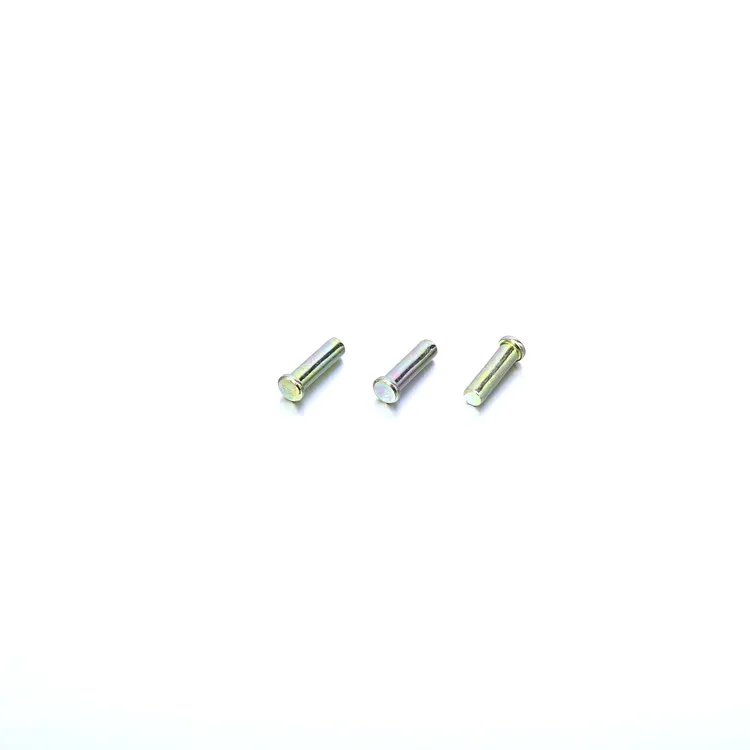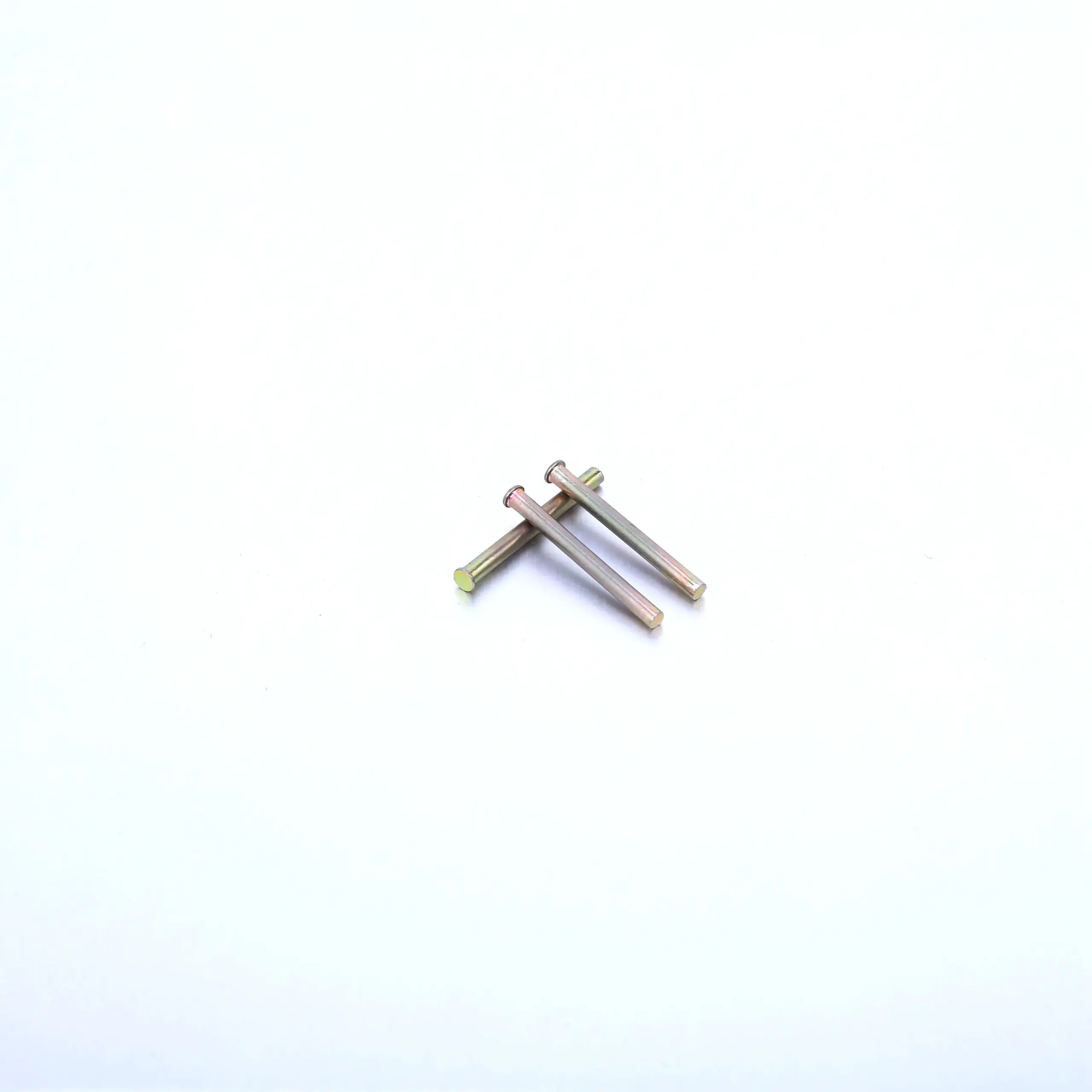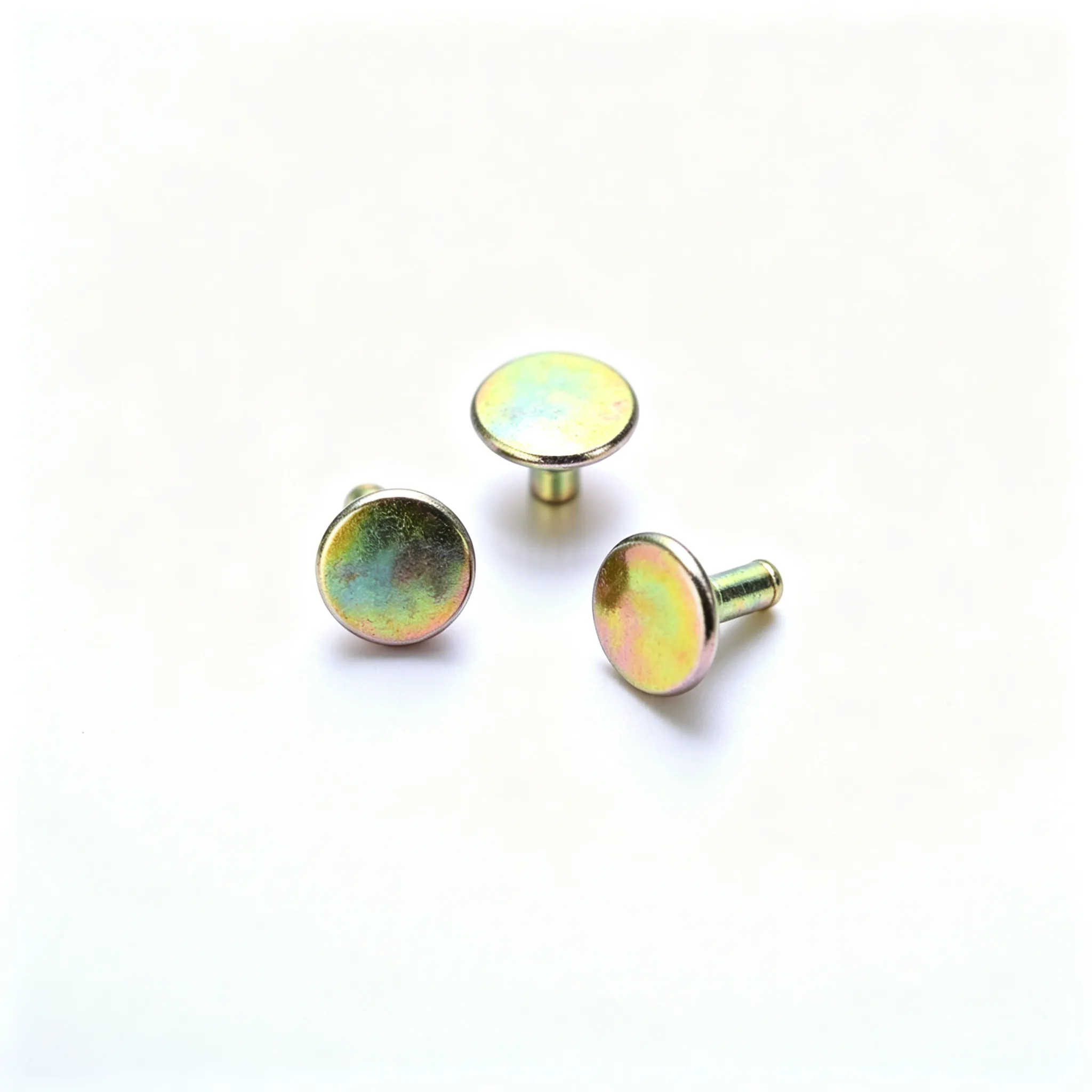
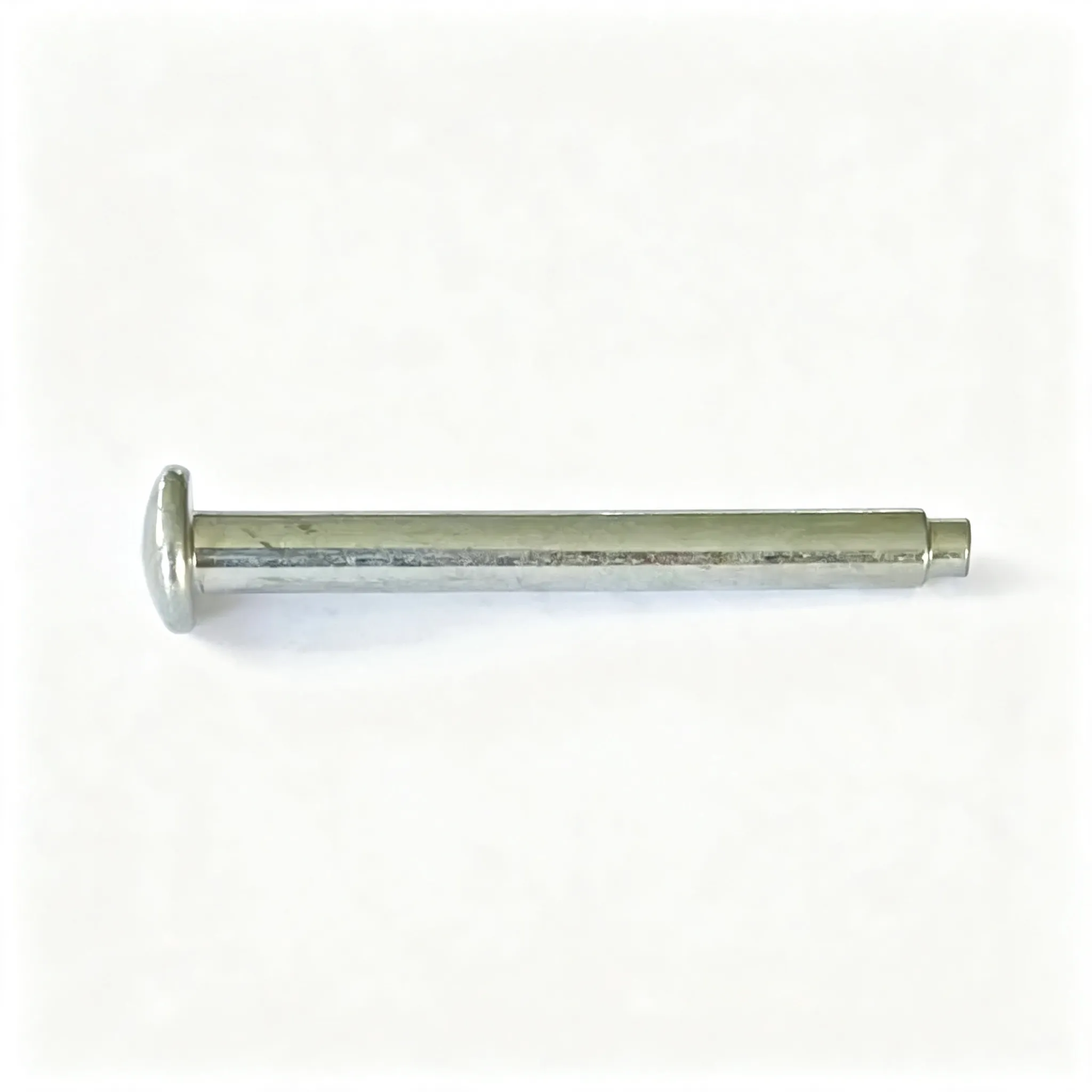
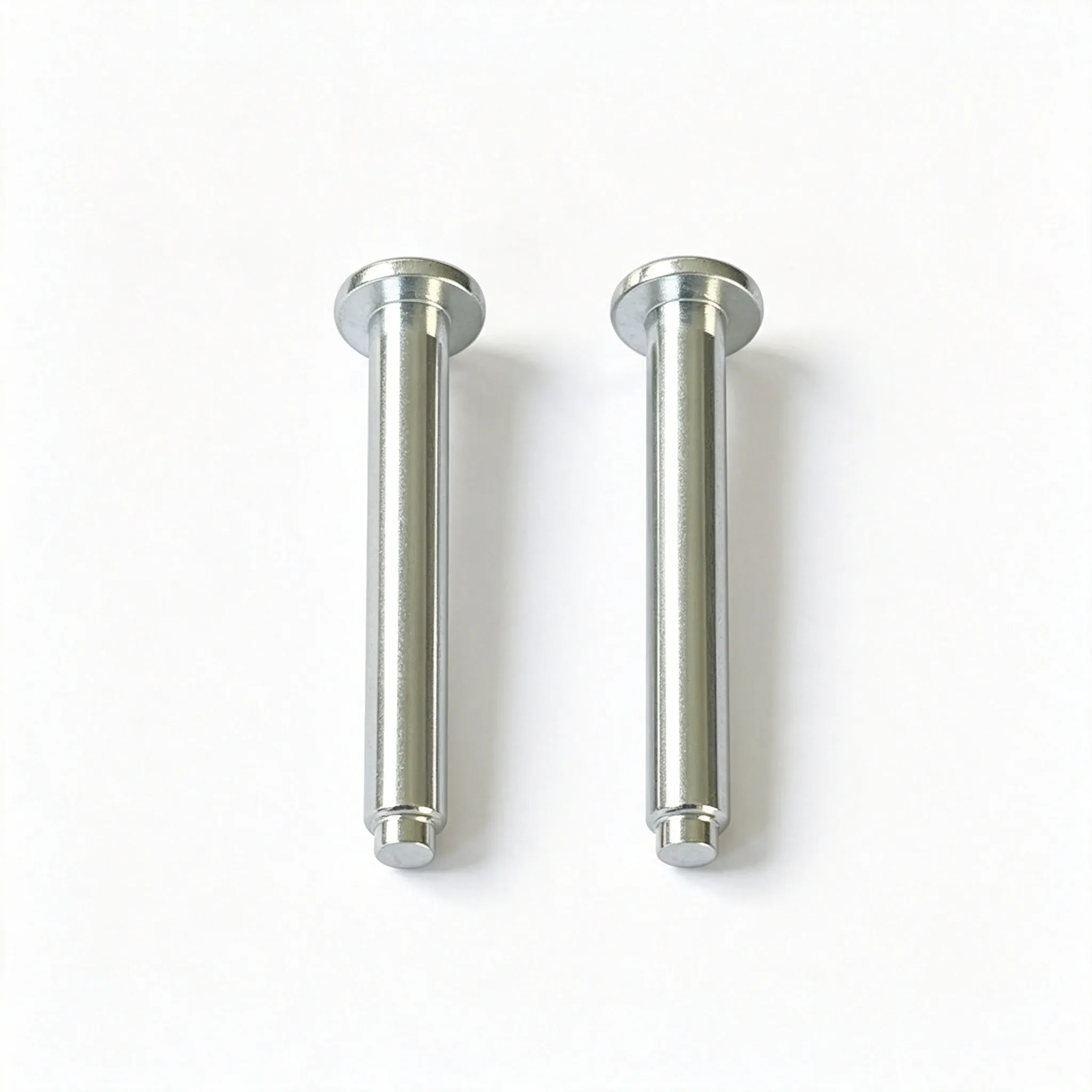
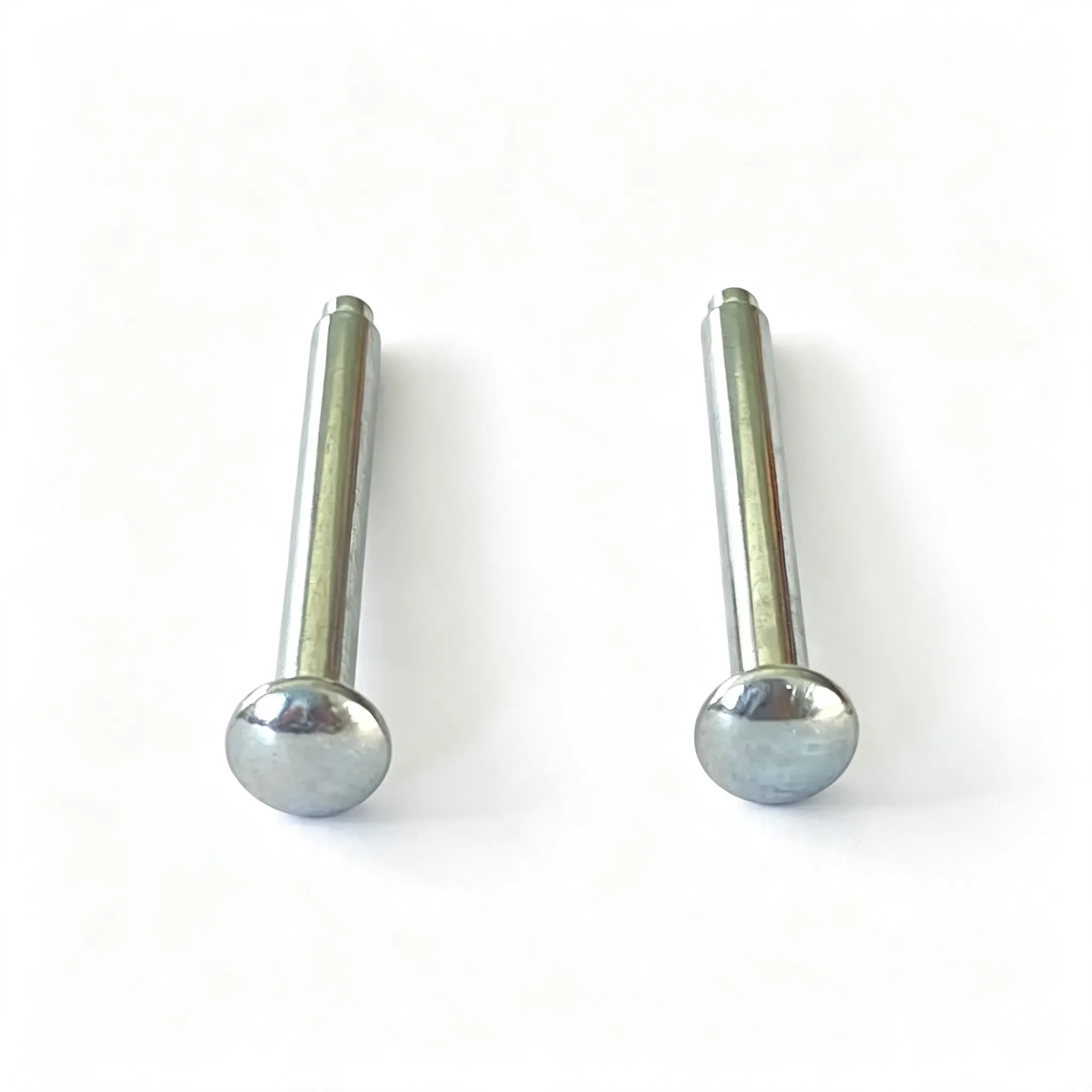
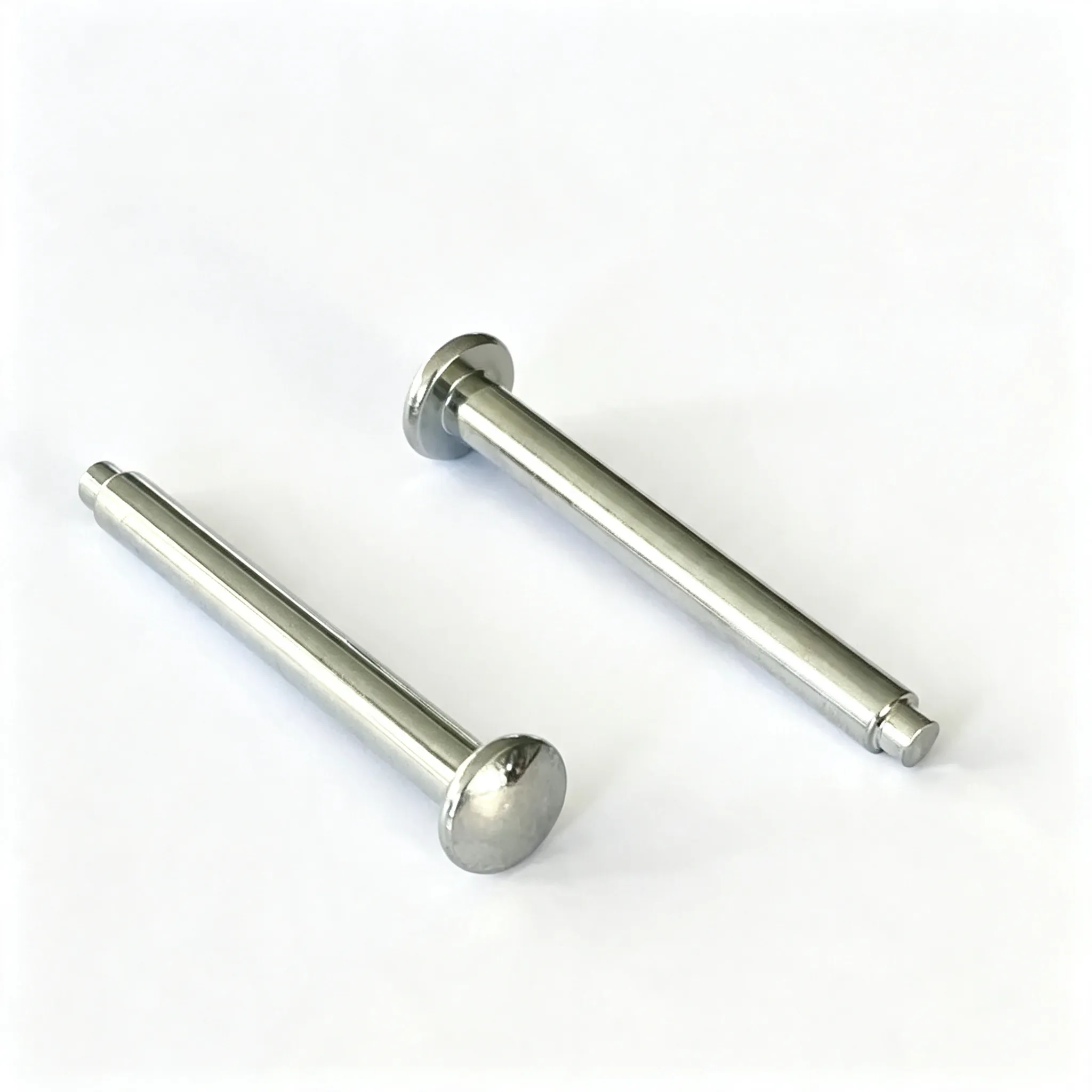
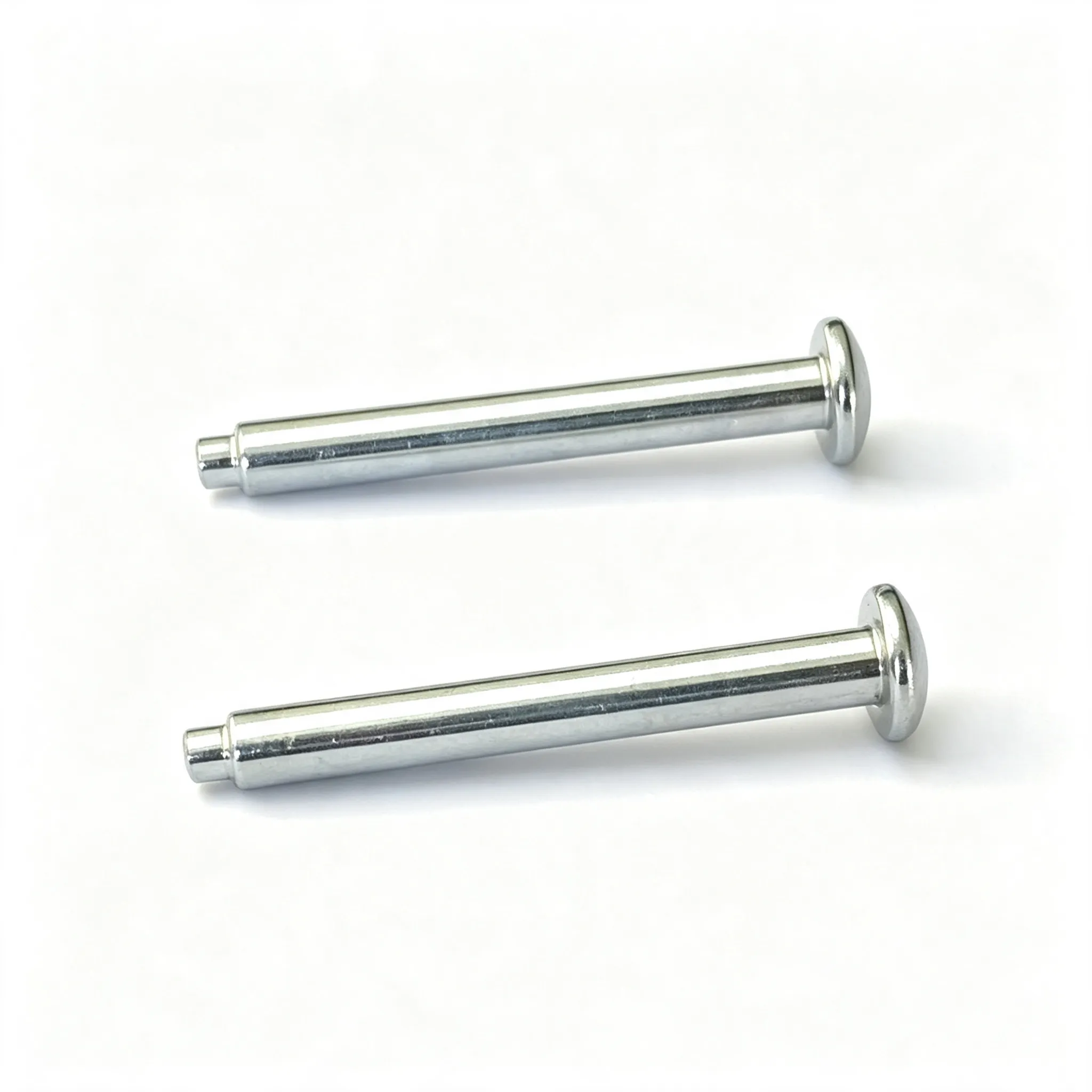
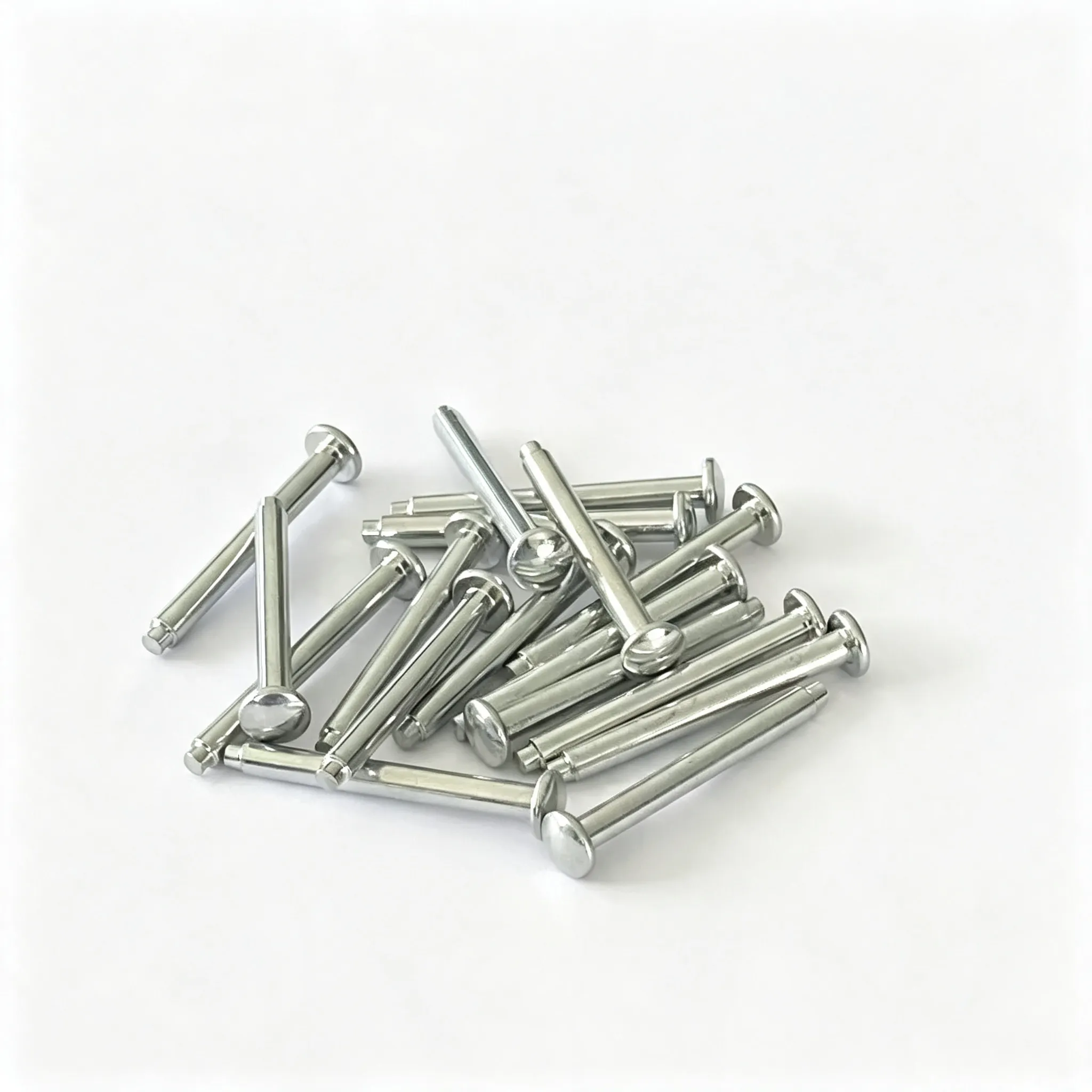
Solid stepped long rivets combine a long solid shank with a defined shoulder and a rounded head. The extended length makes them suitable for passing through a deep stack or for creating a longer locating or pivot section, while the step provides a positive seating position. Because the body is solid, this product should be distinguished from hollow and semi-tubular designs before the joint is specified.
Construction and working principle
The rivet can be divided into a head, a long main shank, a step or shoulder and a smaller end section. The step can locate a plate, establish a spacing position or provide a bearing face; the long solid body can bridge a deeper assembly. The end may be formed or otherwise retained depending on the design. Length alone is not enough: the position of the shoulder, the diameter of each section and the mating-hole fit determine how the joint behaves.
Typical applications
Solid stepped long rivets can be considered for hinges, linkages, pivots, long spacers, equipment assemblies and applications where a fastener must pass through several components before being retained. The solid construction may suit joints where an open bore is unnecessary, but it adds weight and may require more setting force than a hollow design. Check access at both ends and the support available during installation.
Long solid versus hollow step rivet
A solid stepped long rivet has no through-bore, so it cannot act as a wire passage or hollow pivot sleeve. A step hollow rivet keeps an open center but has different wall, bearing and forming considerations. If the assembly needs a pin, wire or separate pivot through the center, clarify that requirement before choosing the solid version.
How to specify a solid stepped long rivet
- Provide a drawing showing the head, long shank, step position and end geometry.
- State the overall length, each diameter and the stack or mating-part dimensions.
- Explain whether the long body is for spacing, locating or load-bearing.
- Confirm material, finish, setting method and expected quantity.
Material, finish and installation checks
Review the base material, surface finish and straightness requirement together with the long body and step dimensions. A long part can amplify small bend, alignment or hole-fit issues, so handling and inspection should reflect the actual length. On a representative assembly, verify shoulder seating, end retention and freedom from unintended clamping before approving the production method.
FAQ
Is a long rivet automatically a pivot?
No. A long body can create a pivot-like form, but the bearing surface, clearance, load and retention method must be designed for movement. A standard formed joint may clamp rather than pivot.
Can a solid stepped long rivet be threaded?
Do not assume threading from the product name or image. If a threaded end is required, provide that as a separate drawing requirement for review.
What information is needed for a quotation?
Send the drawing or sample, all diameters and lengths, step location, stack or mating parts, material, finish and annual quantity.
See the Rivets category, or compare pan-head step rivets and step hollow rivets.