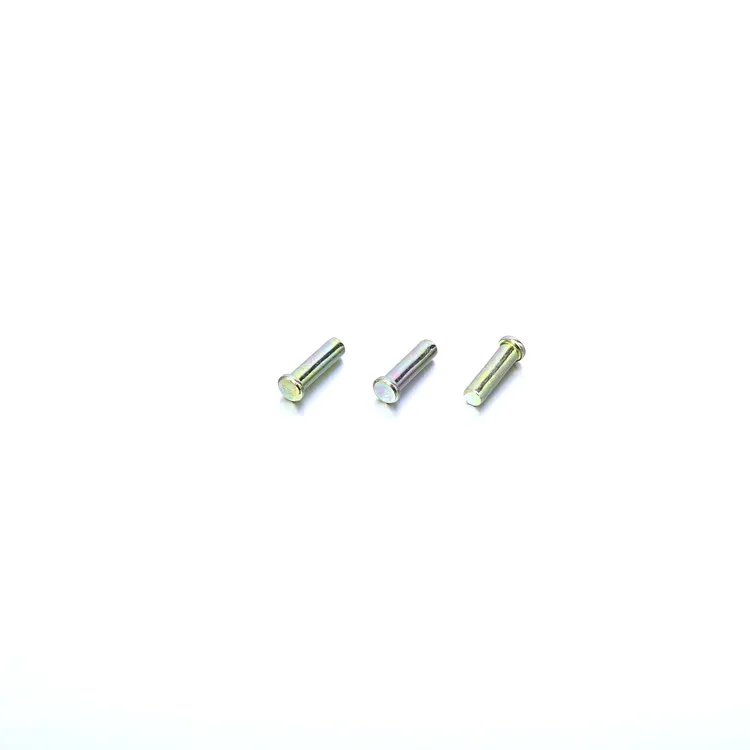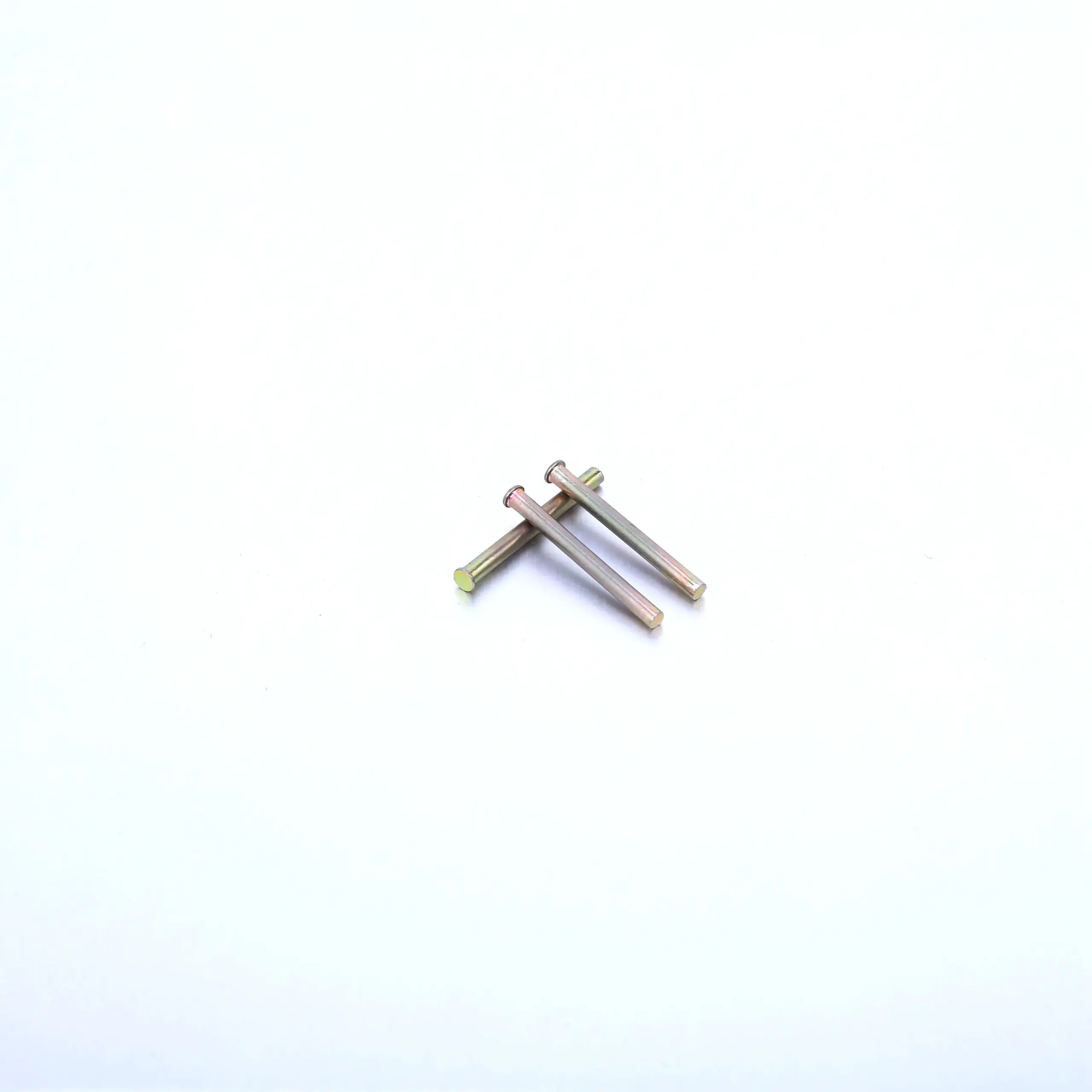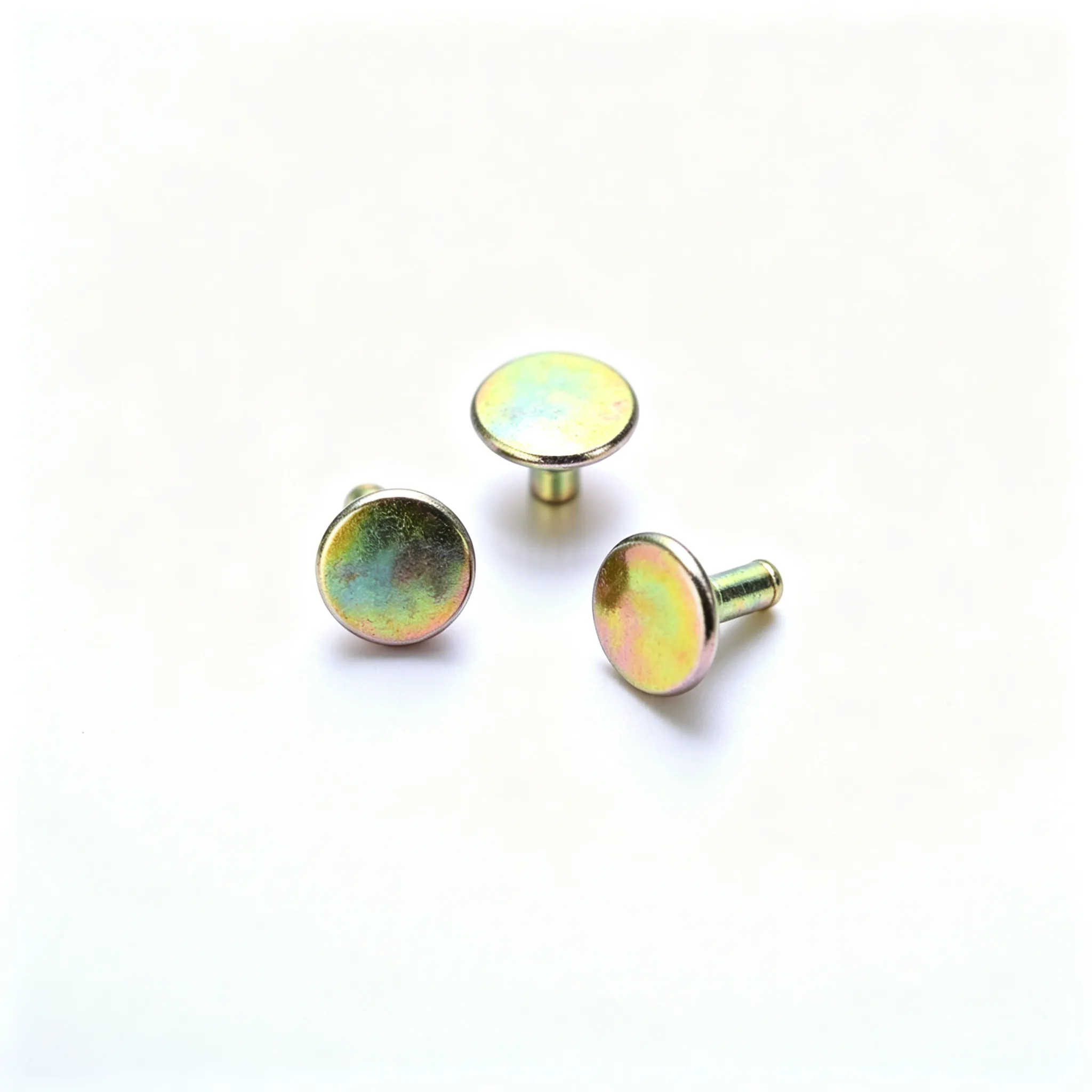
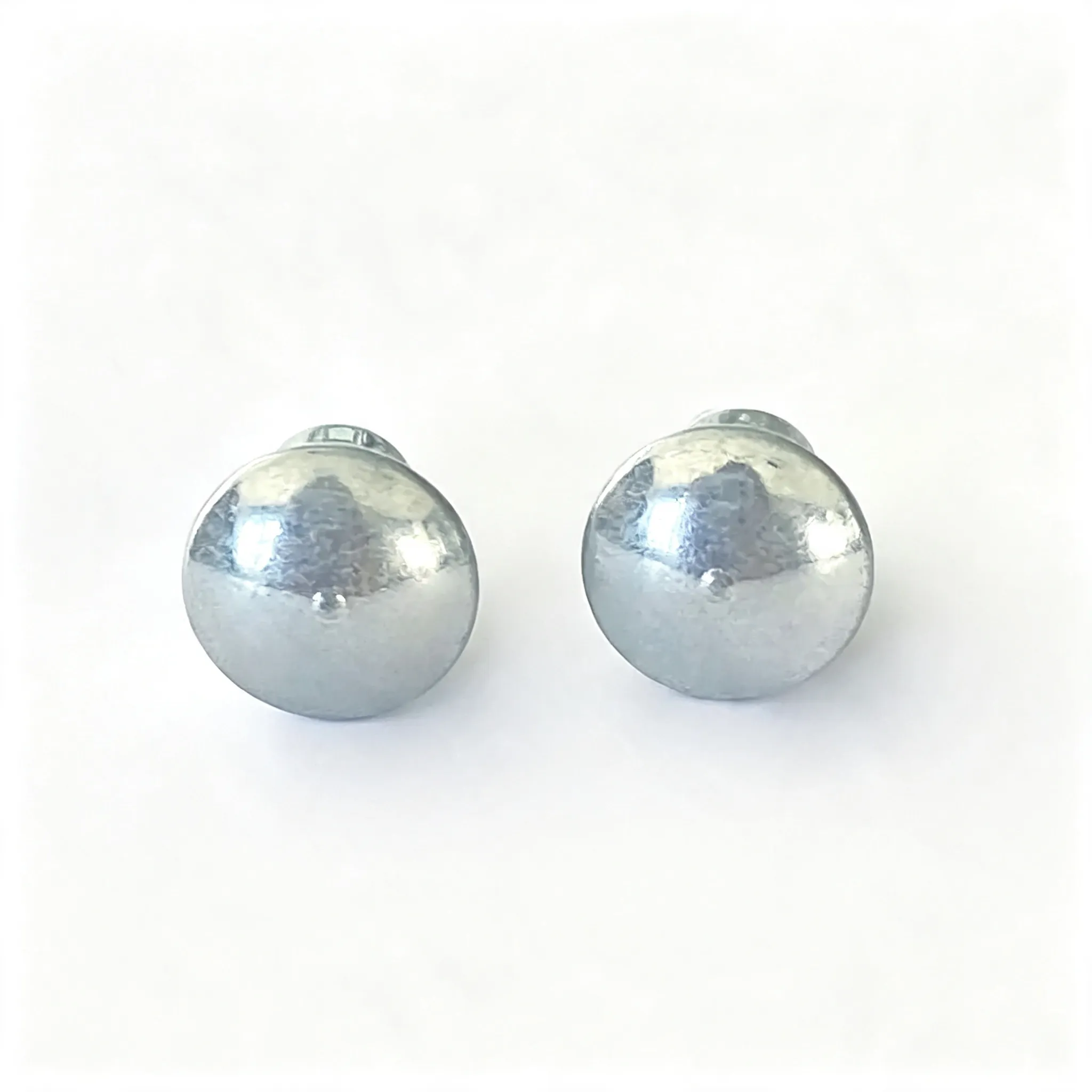
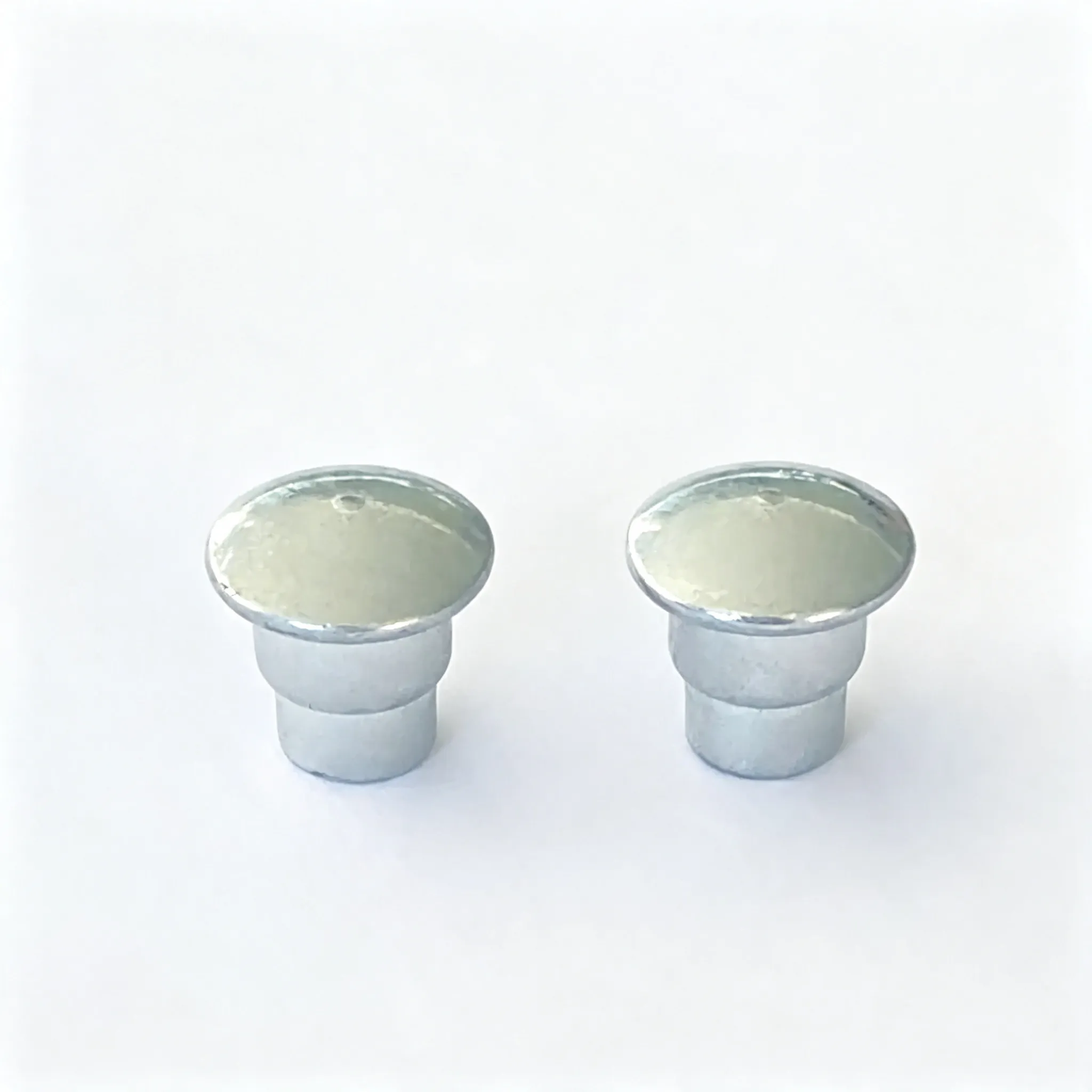
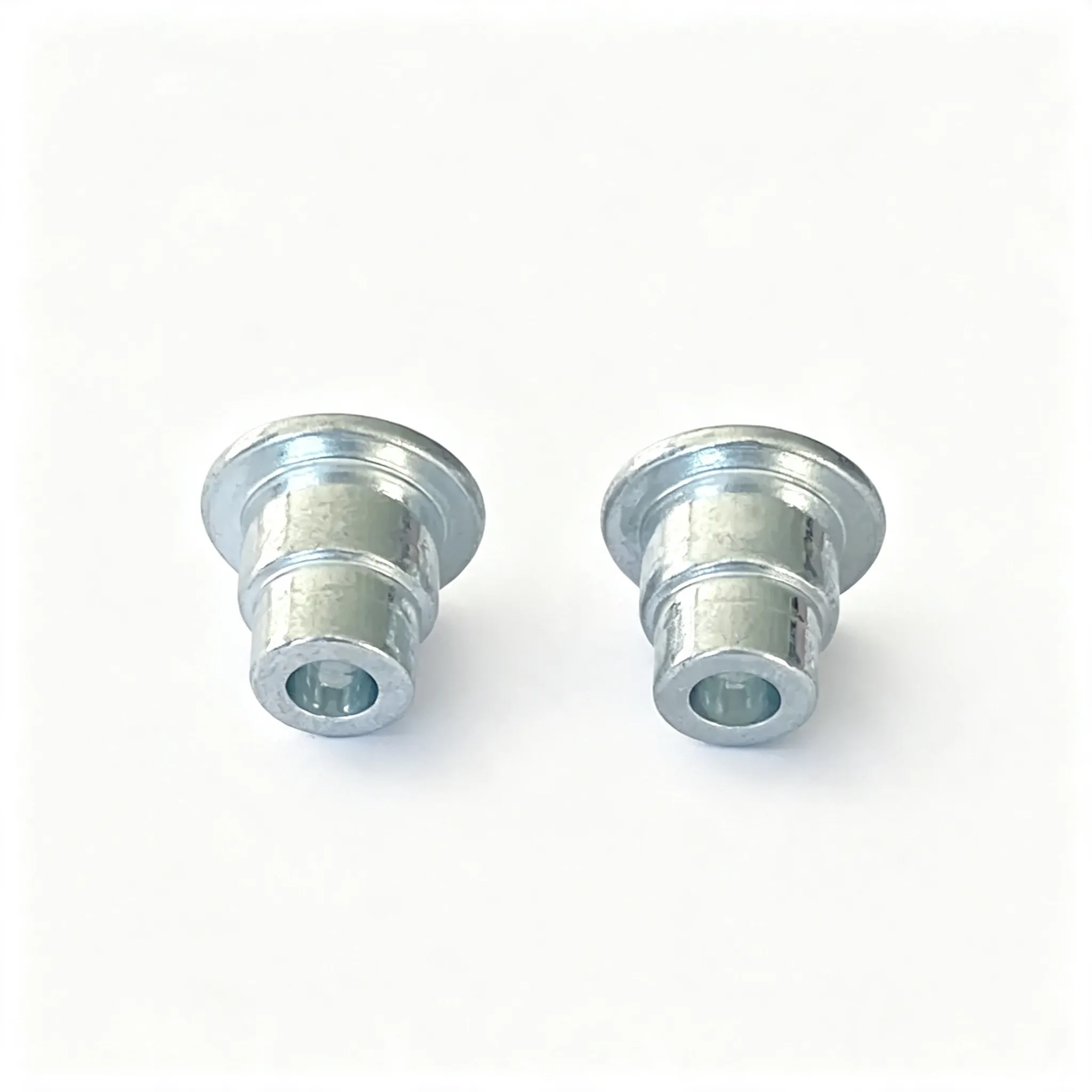
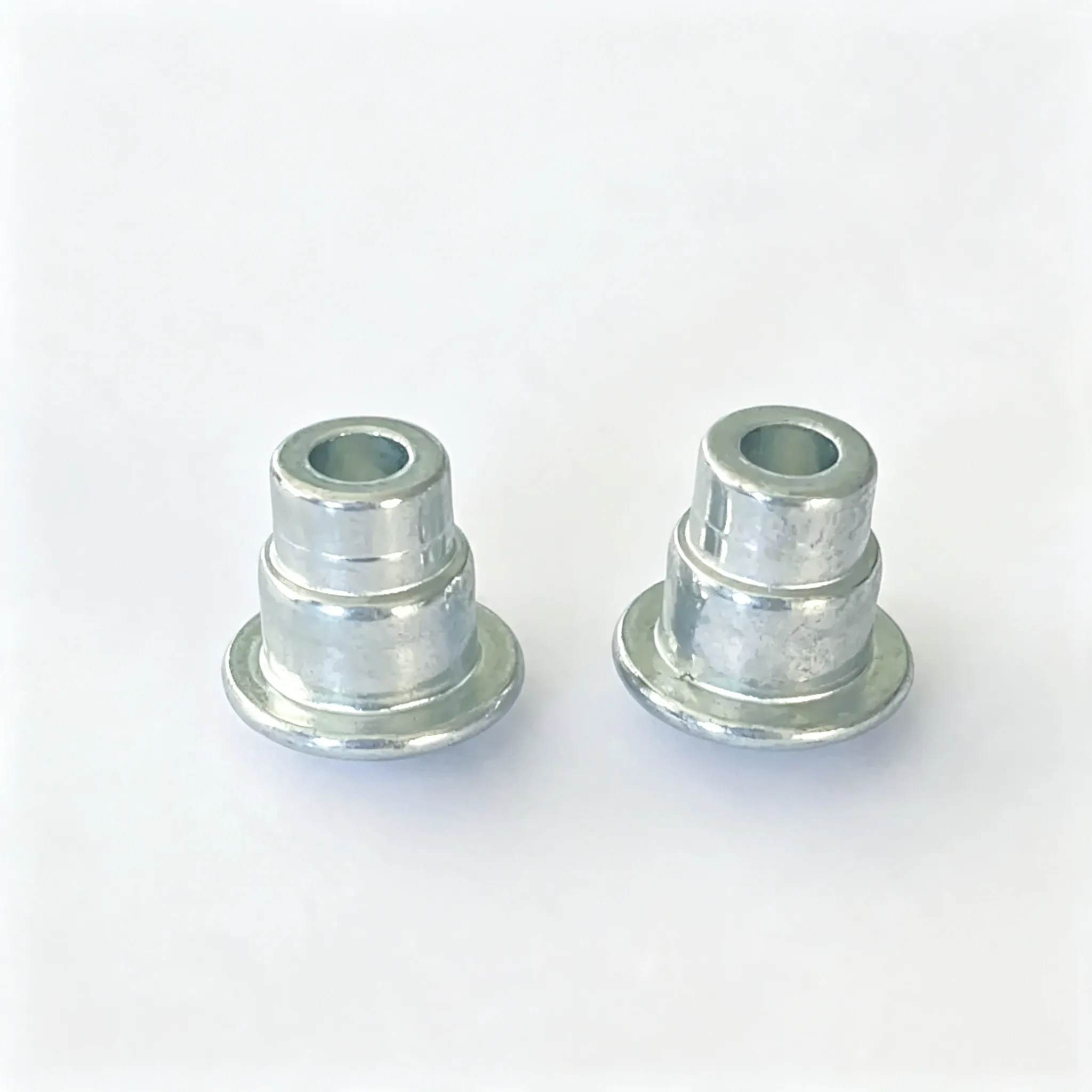
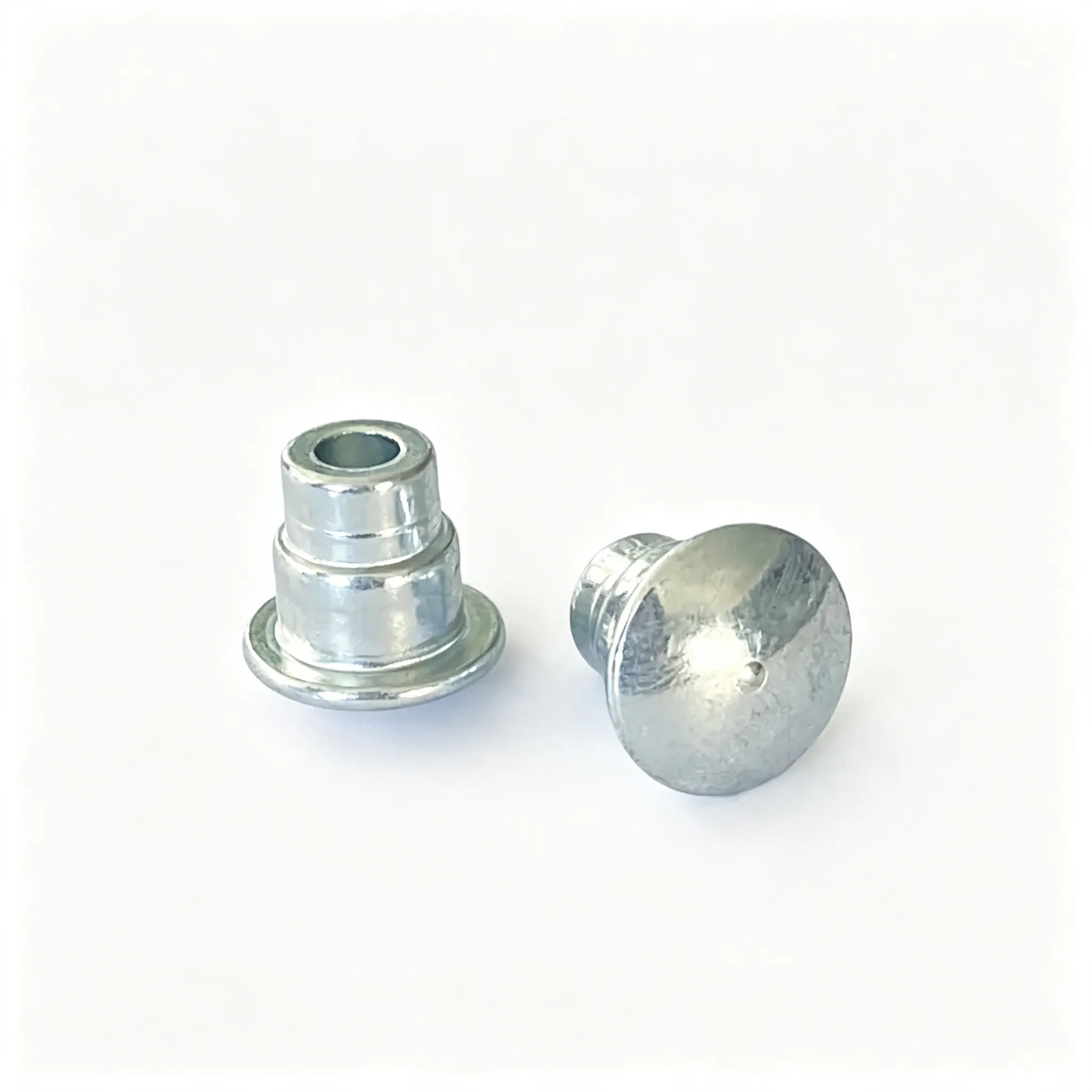
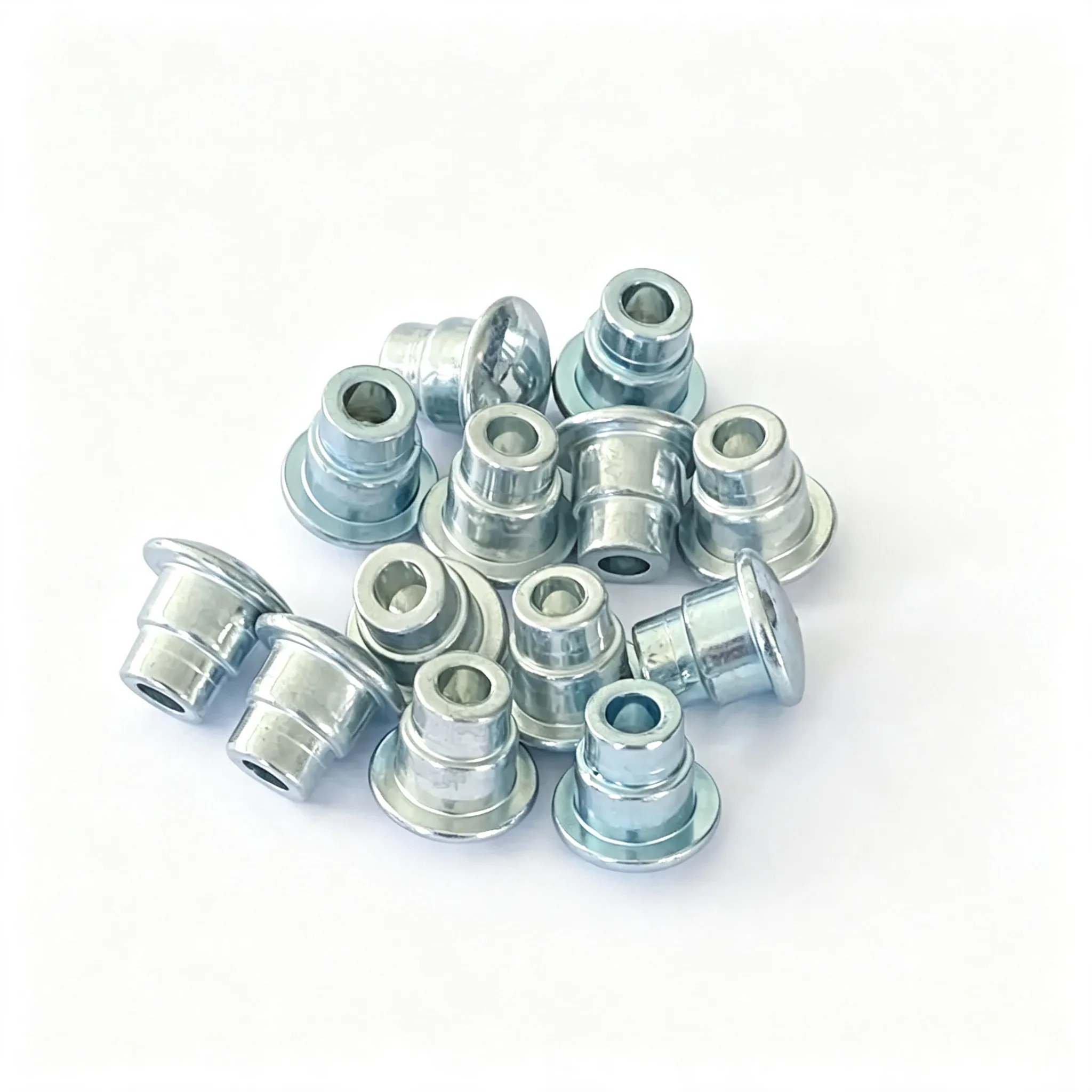
Pan-head step rivets use a rounded pan head and a stepped shank to locate, space or join components in light assemblies. The pan head provides a visible bearing surface, while the step creates a shoulder that can position a plate or control assembly depth. Compared with a plain rivet, the important design question is not only shank diameter but where the shoulder must sit in the stack.
Construction and working principle
The rivet has a domed or pan-shaped head, a larger locating section and a smaller shank or setting section. The step may bear against one workpiece while the smaller section passes into another. The head, step diameter, step length and overall length should be taken from the assembled joint. If the shoulder is expected to leave a controlled gap or permit movement, that clearance must be explicit; otherwise the parts may be clamped in an unintended position.
Typical applications
Pan-head step rivets can be considered for light hinges, linkages, electrical assemblies, appliance components, small mechanisms and panel joints that need a rounded visible head. They are useful where a standard rivet would allow a plate to shift or where a repeatable spacing shoulder is needed. The available setting access and the support behind the joint should be checked before fixing the design.
Pan-head step versus tubular step
A pan-head step rivet generally uses a solid or formed shank, while a pan-head tubular step rivet has an open body. The tubular version may suit a through-passage or lighter hollow construction; the solid version may be preferred when an open center is unnecessary. The head silhouette may look similar, so the internal construction must be confirmed from the drawing or section.
How to specify a pan-head step rivet
- Provide the head diameter and height, shank diameters and exact step position.
- State the stack thickness, hole sizes and required installed clearance.
- Identify whether the joint is fixed, locating or intended to pivot.
- Confirm material, finish, quantity and the required formed end.
Material, finish and installation checks
Specify the base material and finish separately, including any appearance or corrosion requirement. On the installed sample, verify that the pan head bears evenly, the step contacts the intended surface and the formed end retains the assembly without crushing a moving joint. If the rivet will be visible, inspect the head for marks or distortion that would not be acceptable on the finished product.
FAQ
Can a pan-head step rivet replace a shoulder screw?
They are not generally interchangeable. A step rivet is normally a permanent formed fastener, while a shoulder screw is threaded and removable. Service access and disassembly requirements should decide the fastener type.
What is the critical dimension on a step rivet?
The step position and length are usually critical, together with the hole fit and overall stack. An overall length alone does not define where the shoulder will seat.
What information is needed for a quotation?
Send the drawing or sample, head and step dimensions, hole and stack details, material, finish and expected quantity.
Explore the Rivets category, or compare silver step rivets and step flat-head rivets.