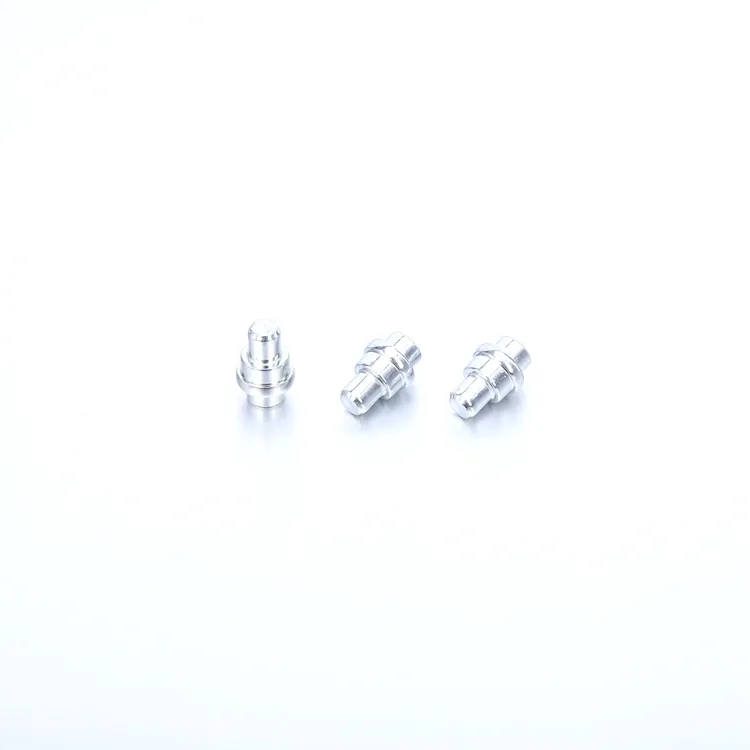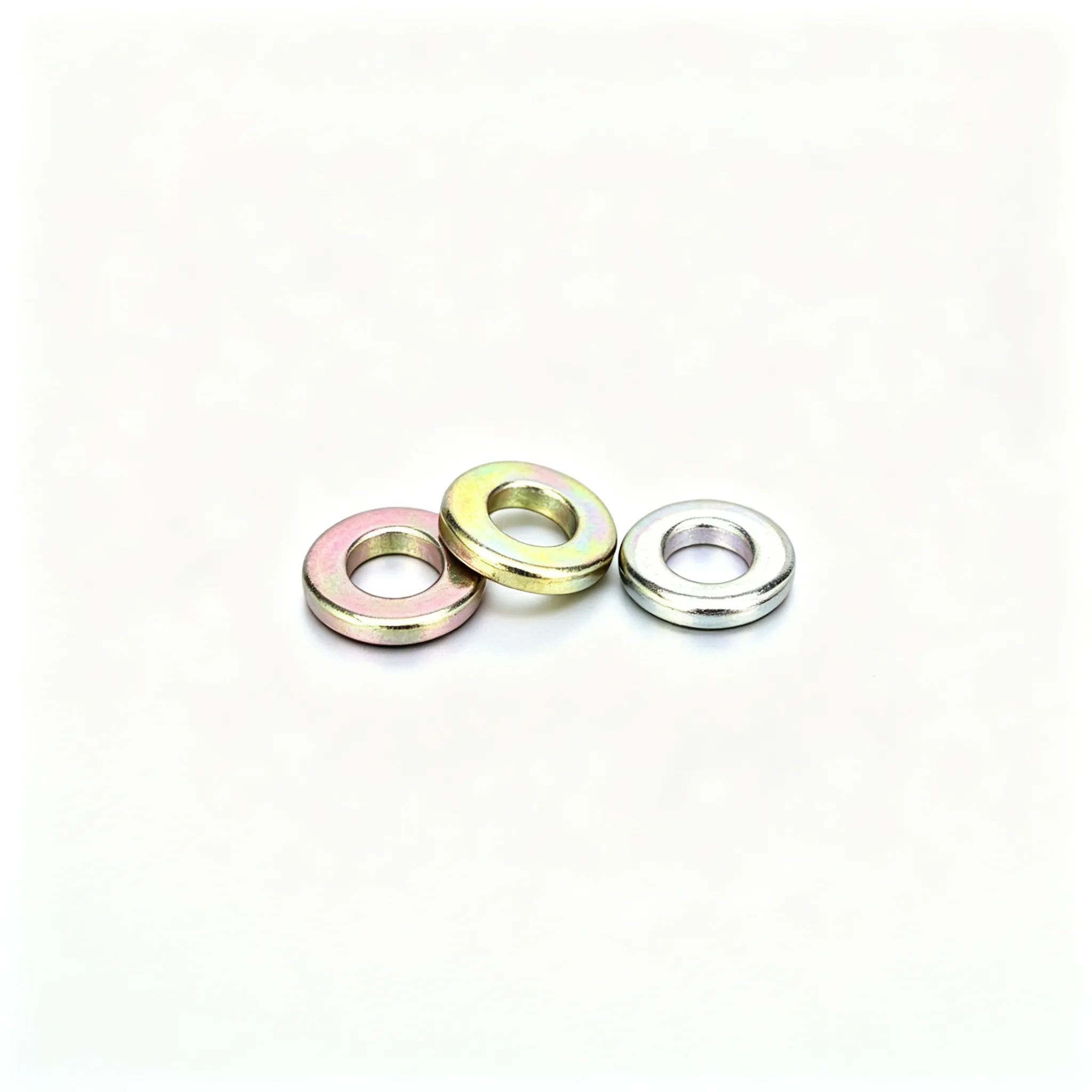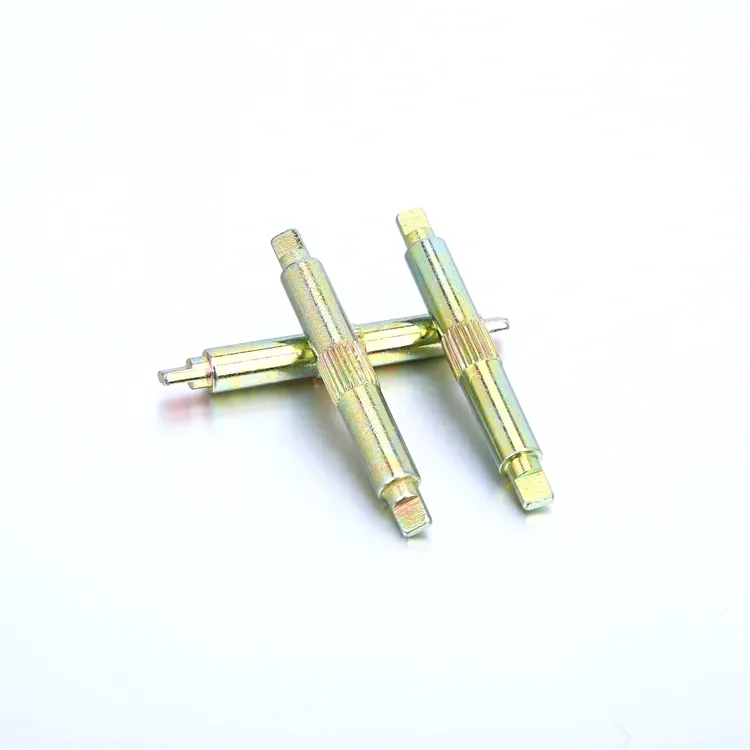
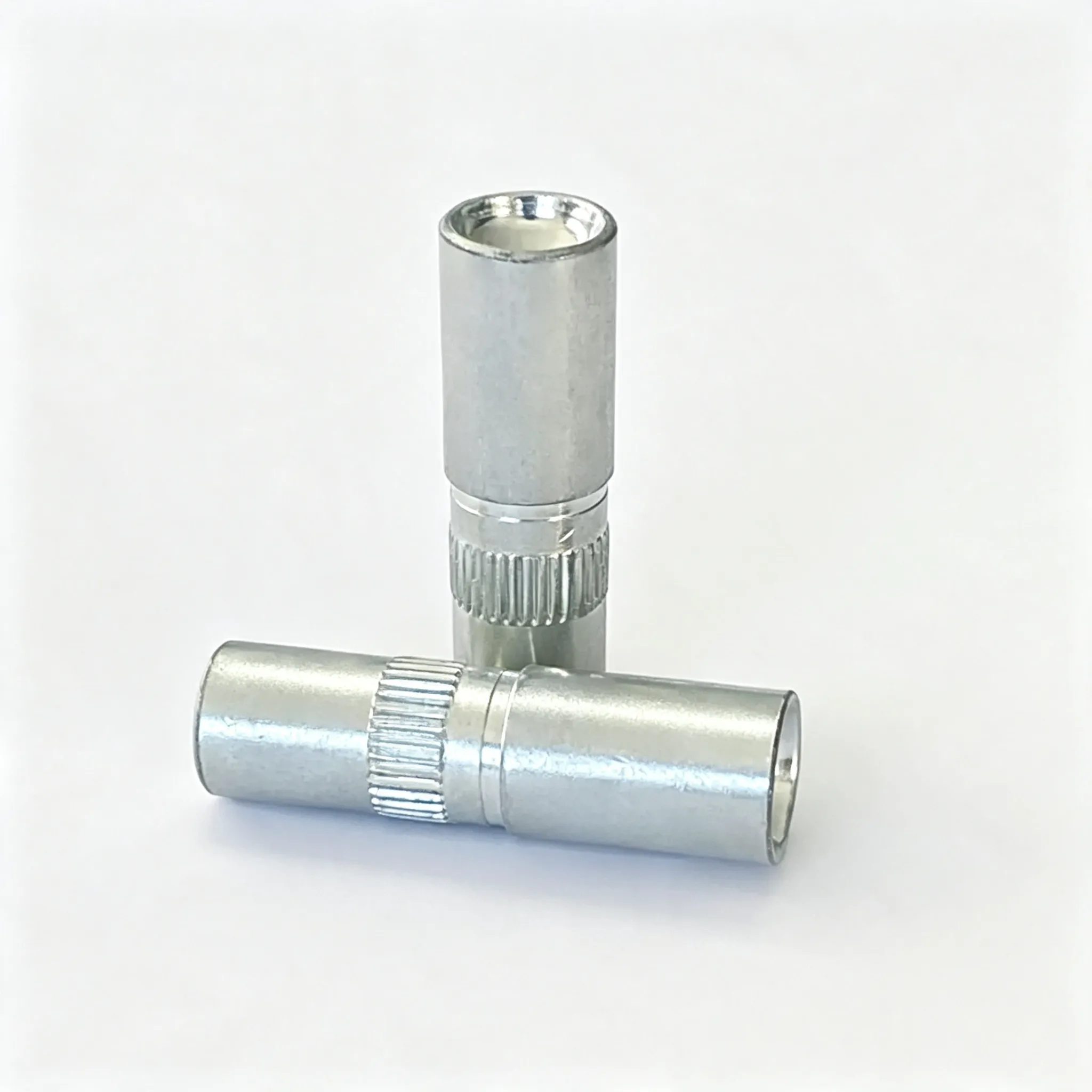
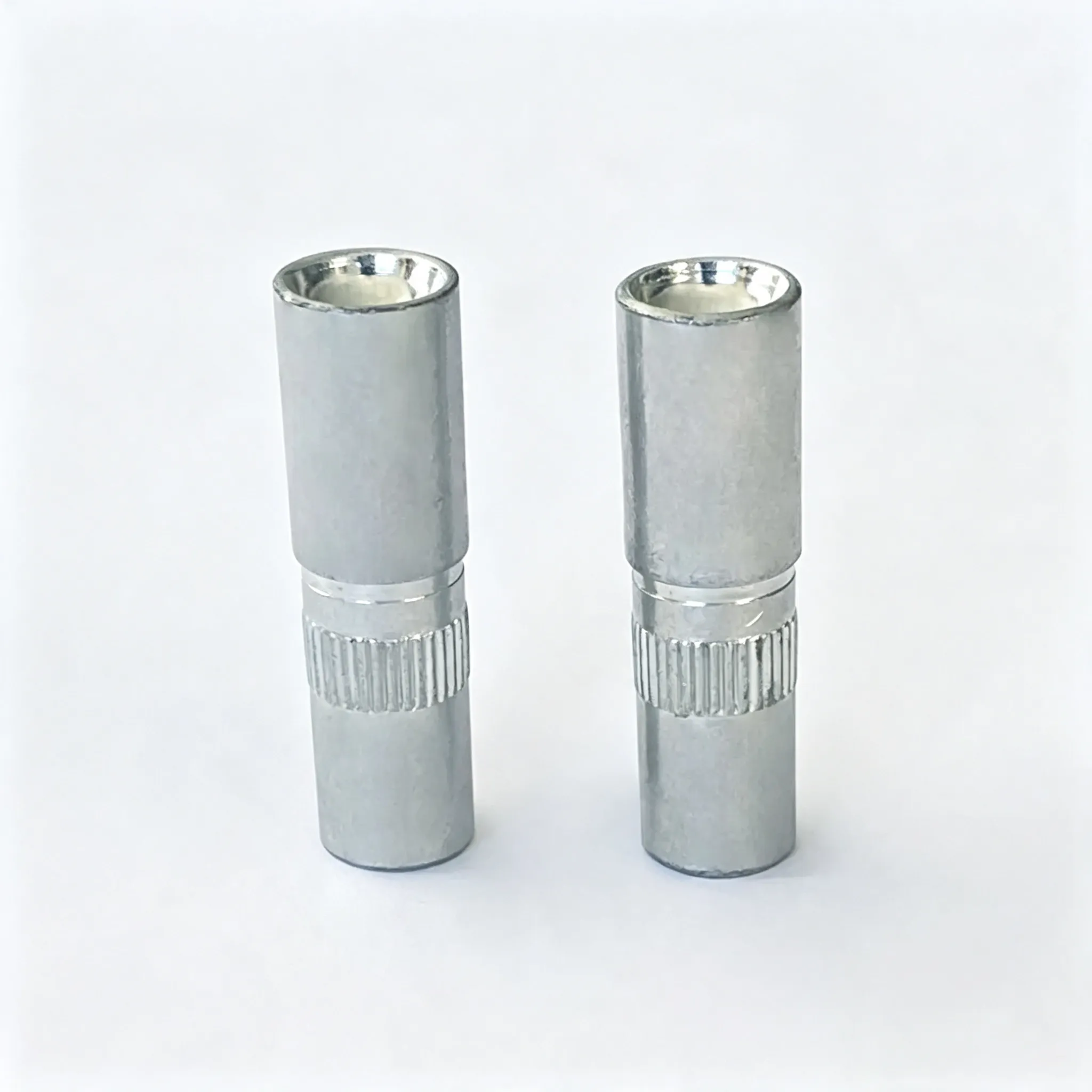
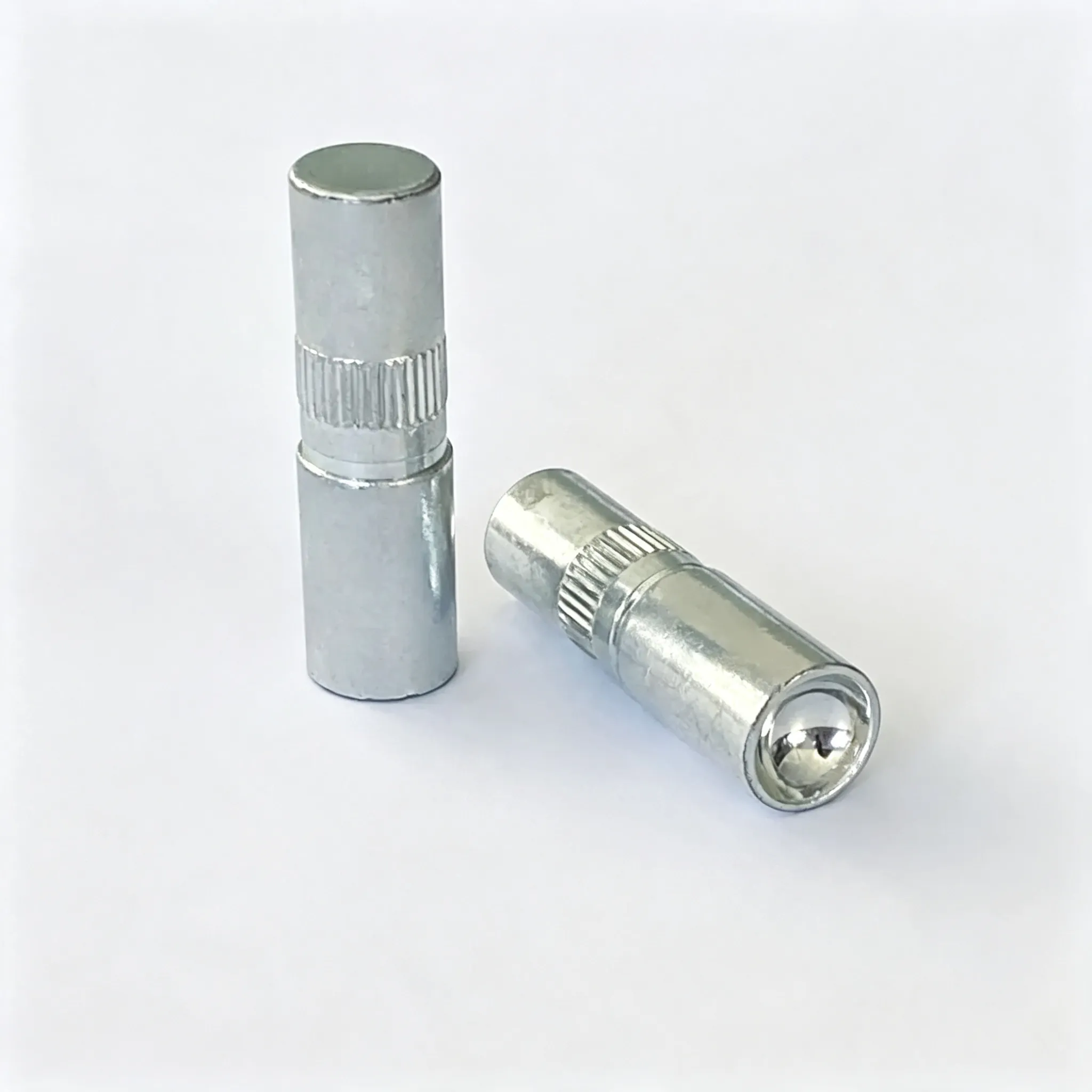
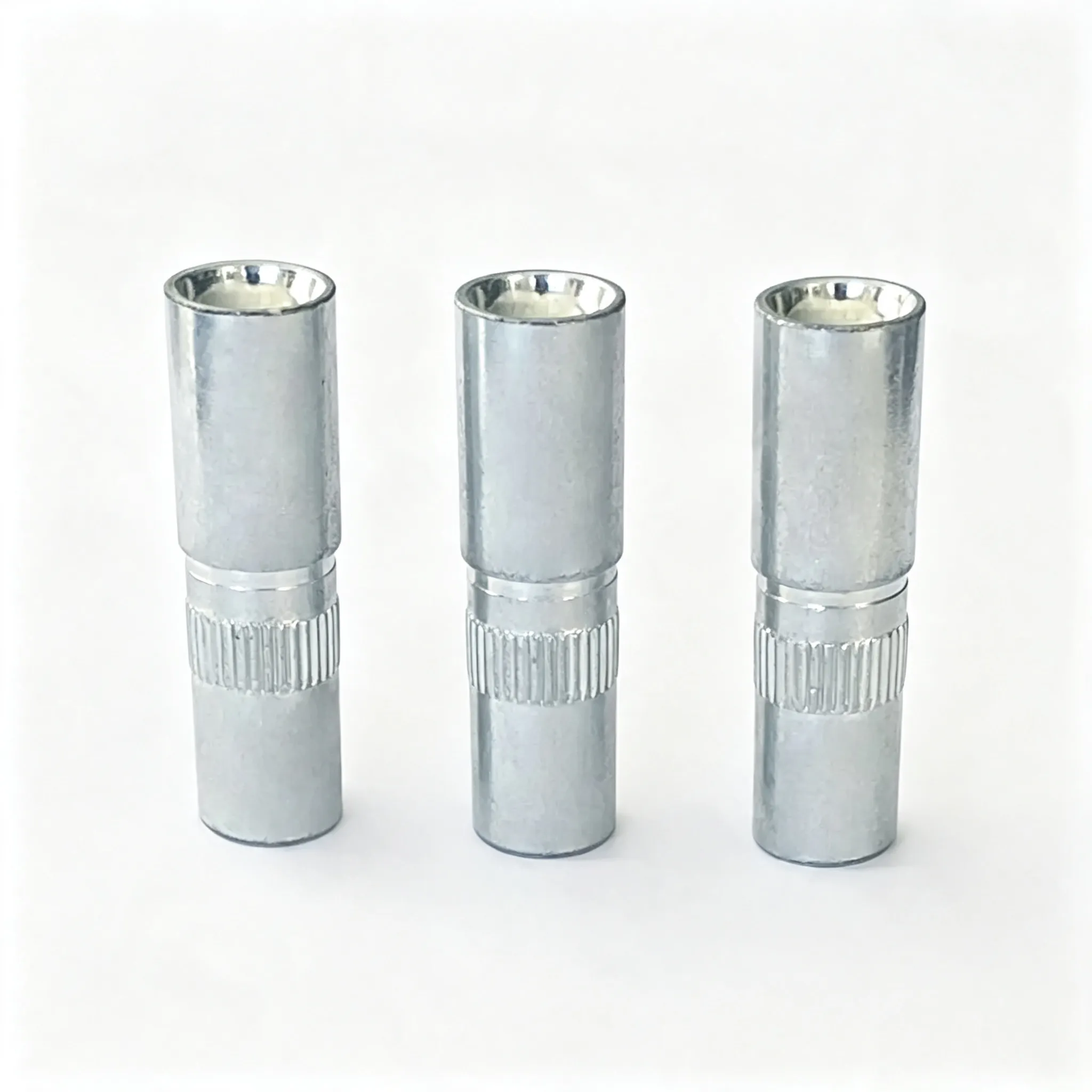
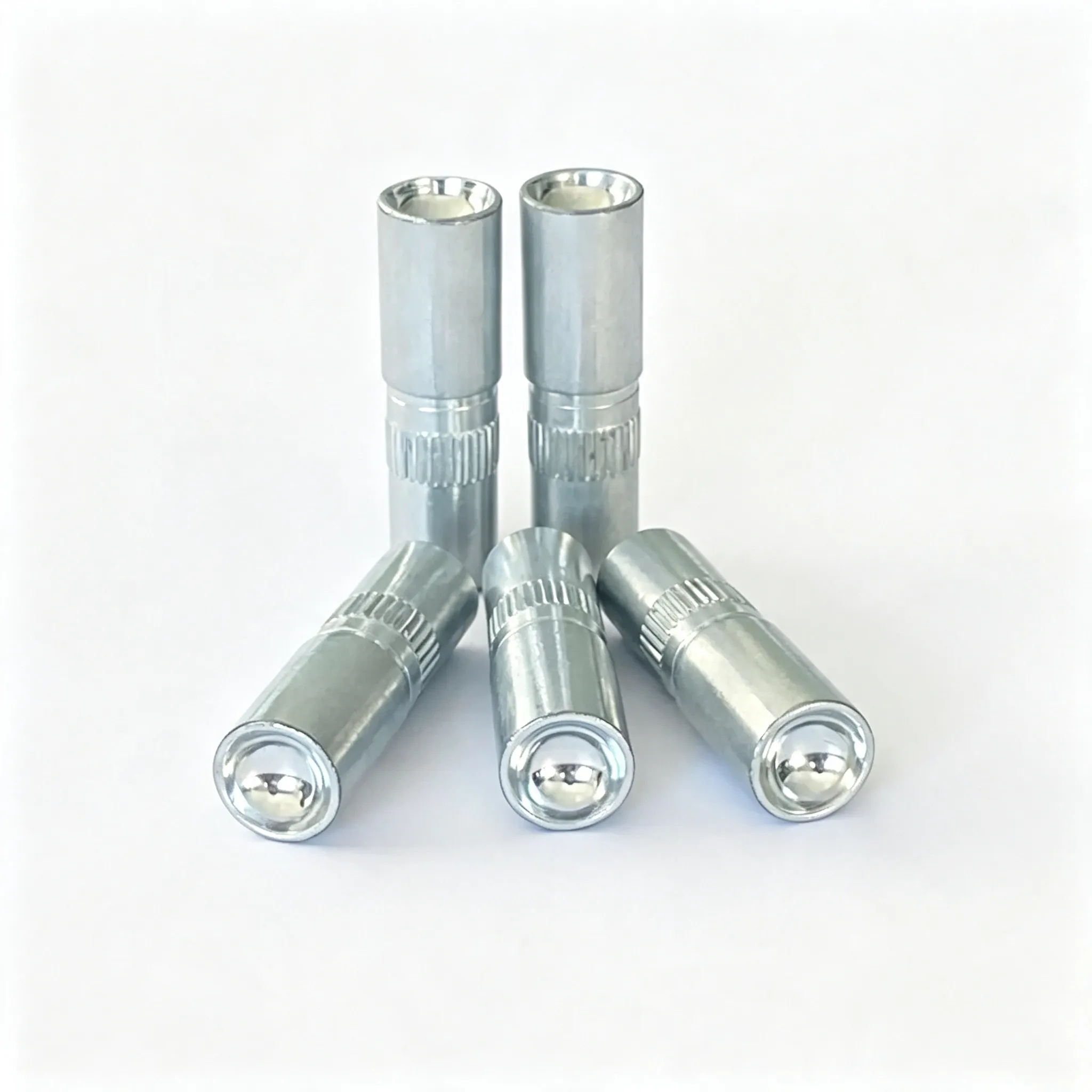
A knurled non-slip cylinder combines a cylindrical body with a textured band for hand contact. The gallery shows a straight knurl around the middle of a hollow-looking body, making the knurl position and bore condition more important than the decorative finish.
Knurl band and grip
The knurled band gives the fingers a defined contact area without adding a separate grip. Its width, position and edge condition should be shown on the drawing. A knurl that runs to a sharp shoulder can create a burr or a stress concentration, while a band set back from the end can leave a plain lead-in for assembly.
Manual adjustment and spacing
These cylinders can be considered for adjustment knobs, spacers, small hand-operated fixtures and equipment controls. If the part is turned by hand, check that the knurl is reachable and that the adjacent hardware does not trap the fingers. If it is only a spacer, the knurl may be a handling feature rather than a drive feature.
Knurl pattern, bore and orientation
The photograph shows a straight knurl, but the final pattern, pitch and angle must be confirmed on the sample or drawing. The bore, if present, should be defined as through or blind, with its fit and end conditions. Do not assume that the knurled surface is intended to transmit turning force or to create an interference fit.
Specification inputs
- Provide the outside diameter, bore and overall length.
- Show the knurl type, band width and axial position.
- Define the mating shaft or housing and the required fit.
- State material, finish, quantity and handling requirements.
Finish and trial inspection
Inspect the knurl for torn crests, burrs and inconsistent band edges. Check the bore and the end faces in the same setup, because a textured outside surface can hide a small distortion. Fit the part to the mating component and confirm that the grip area is accessible and that the cylinder seats without rocking.
Check the knurled band with the part held in the actual orientation. The grip should be reachable without trapping fingers, and the band edges should be free of burrs that could catch on a panel or seal. If the cylinder is cleaned or handled frequently, confirm that the surface treatment is suitable for the environment. Inspect the bore and outside diameter after finishing, since a textured surface can conceal distortion near the ends.
FAQ
Is the knurl a turning specification?
No. The knurl describes the surface form. Turning force and grip performance depend on the complete design and must be established separately.
Can the knurl band be moved?
Yes, if its width and axial position are defined on the drawing or approved sample.
Does the cylinder have a through bore?
The gallery shows an open body, but the bore type and fit should still be confirmed on the drawing.
Browse the knurled non-slip cylinder category, or compare brass step rivets and Phillips head stepped screws.