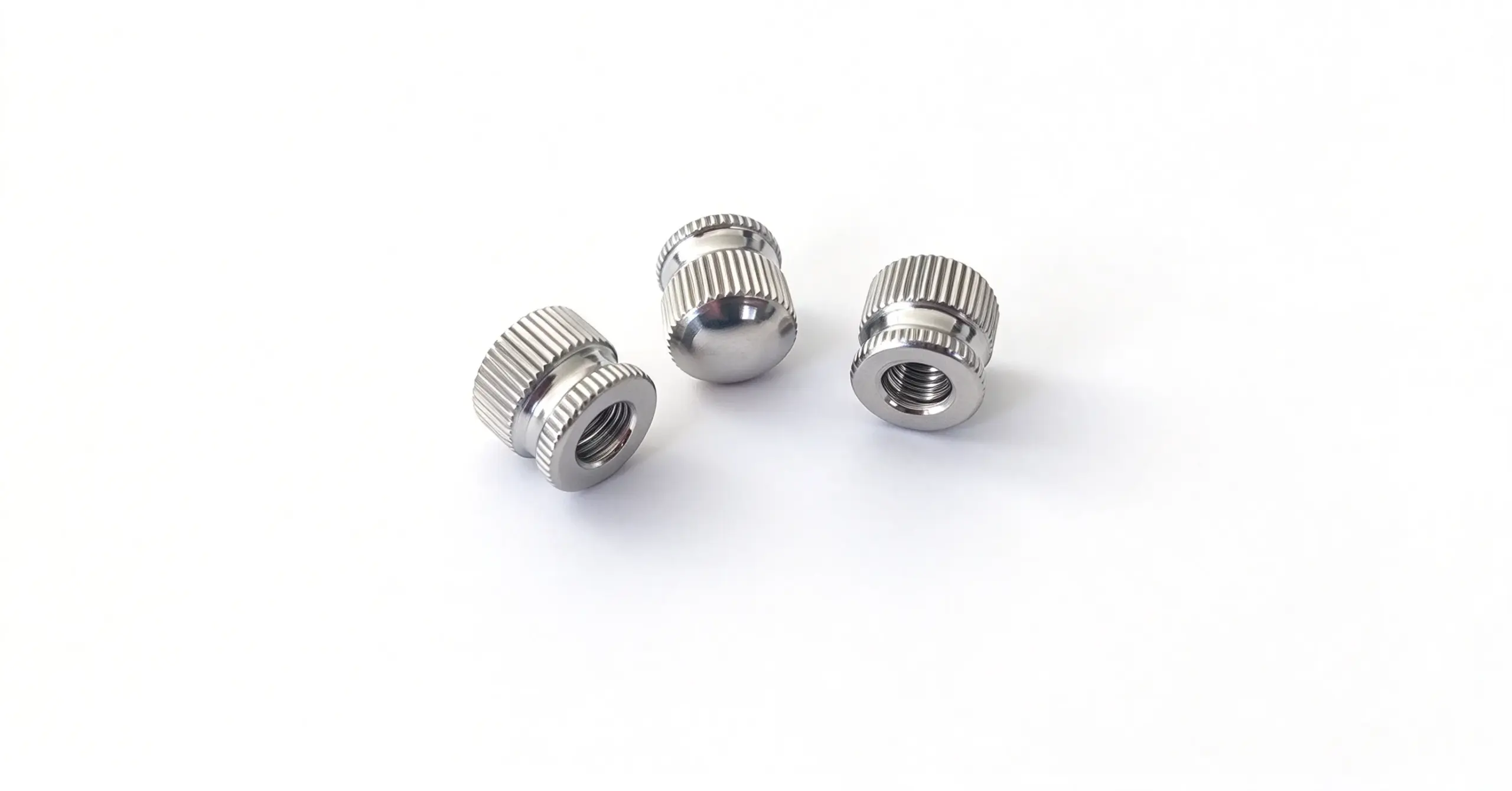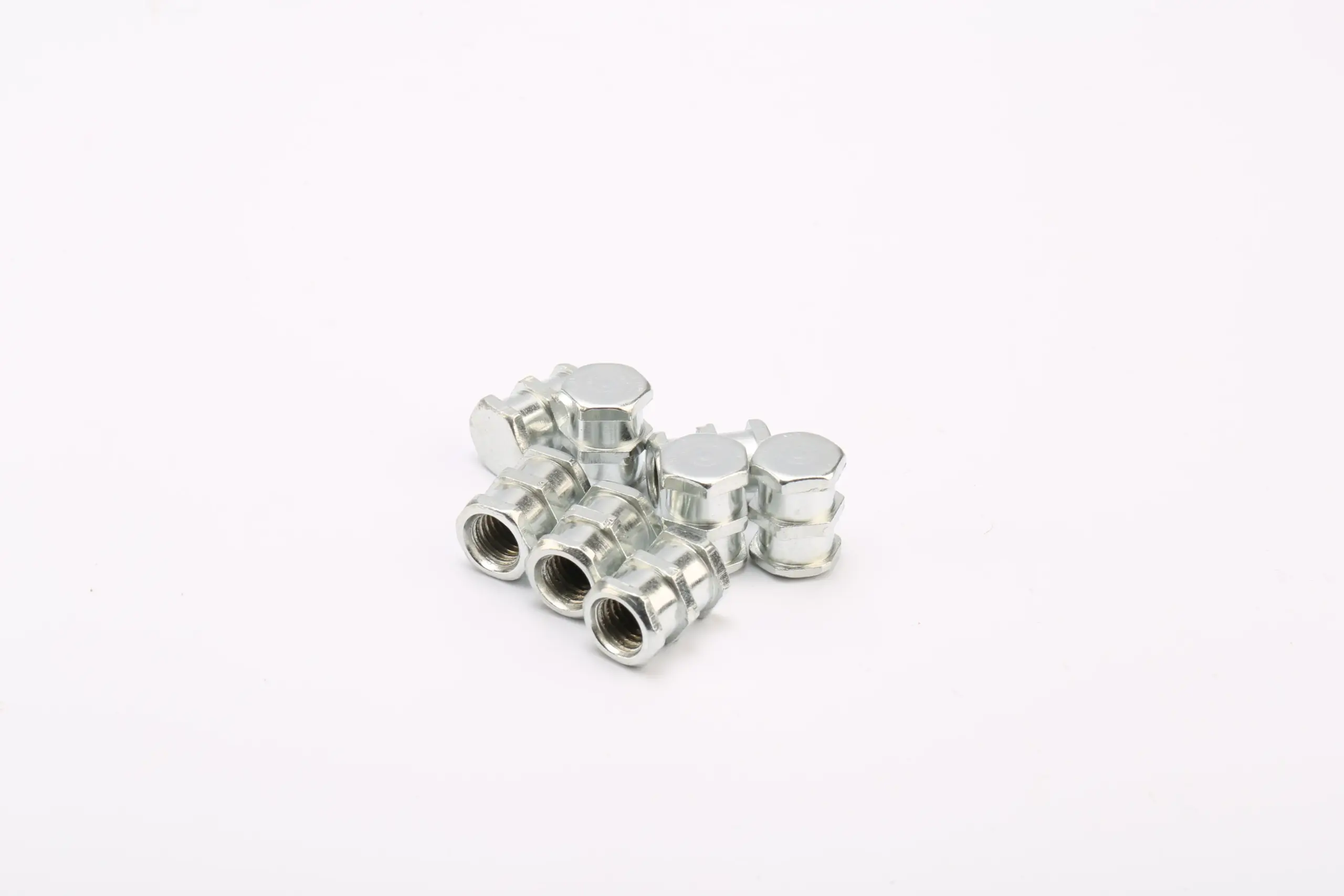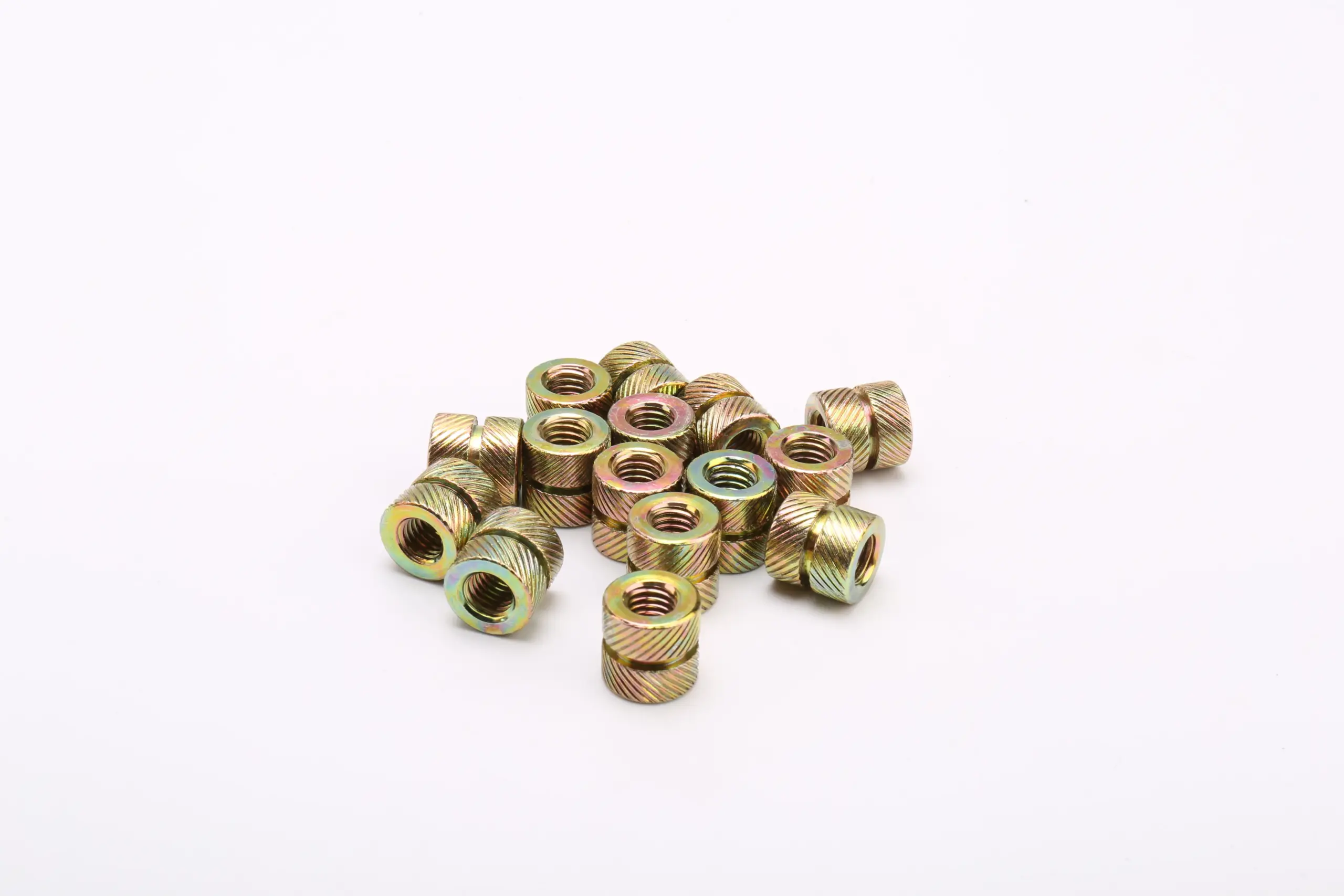
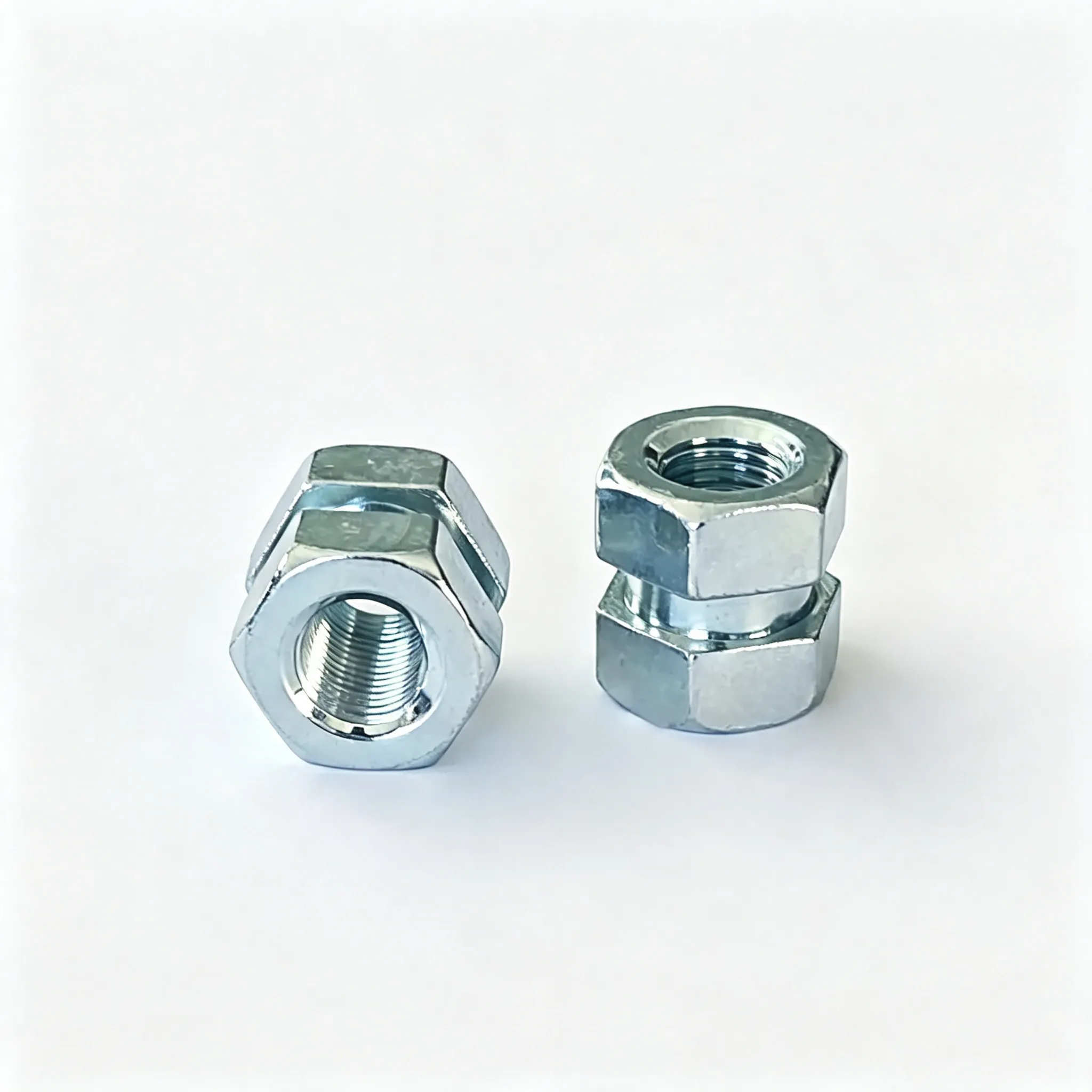
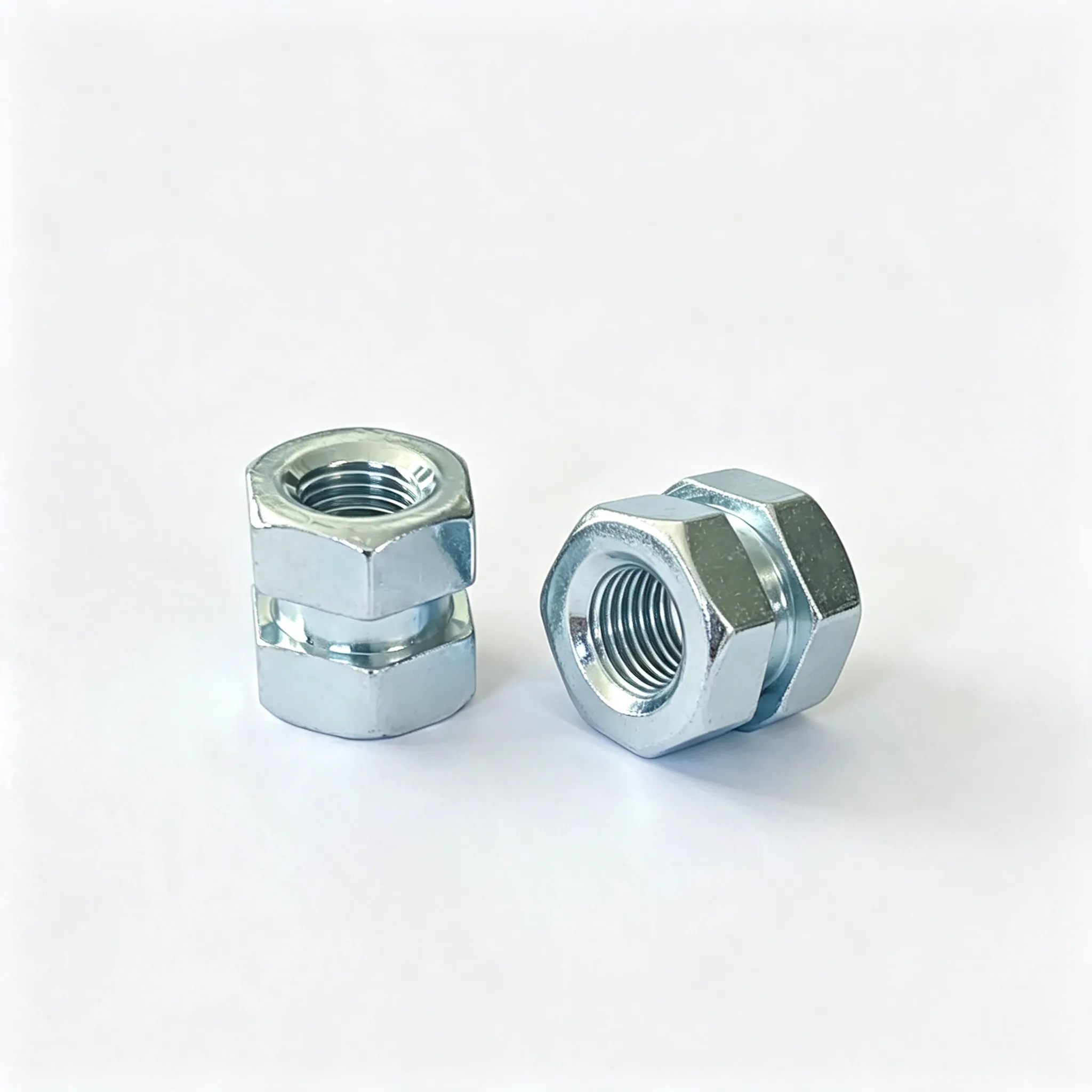
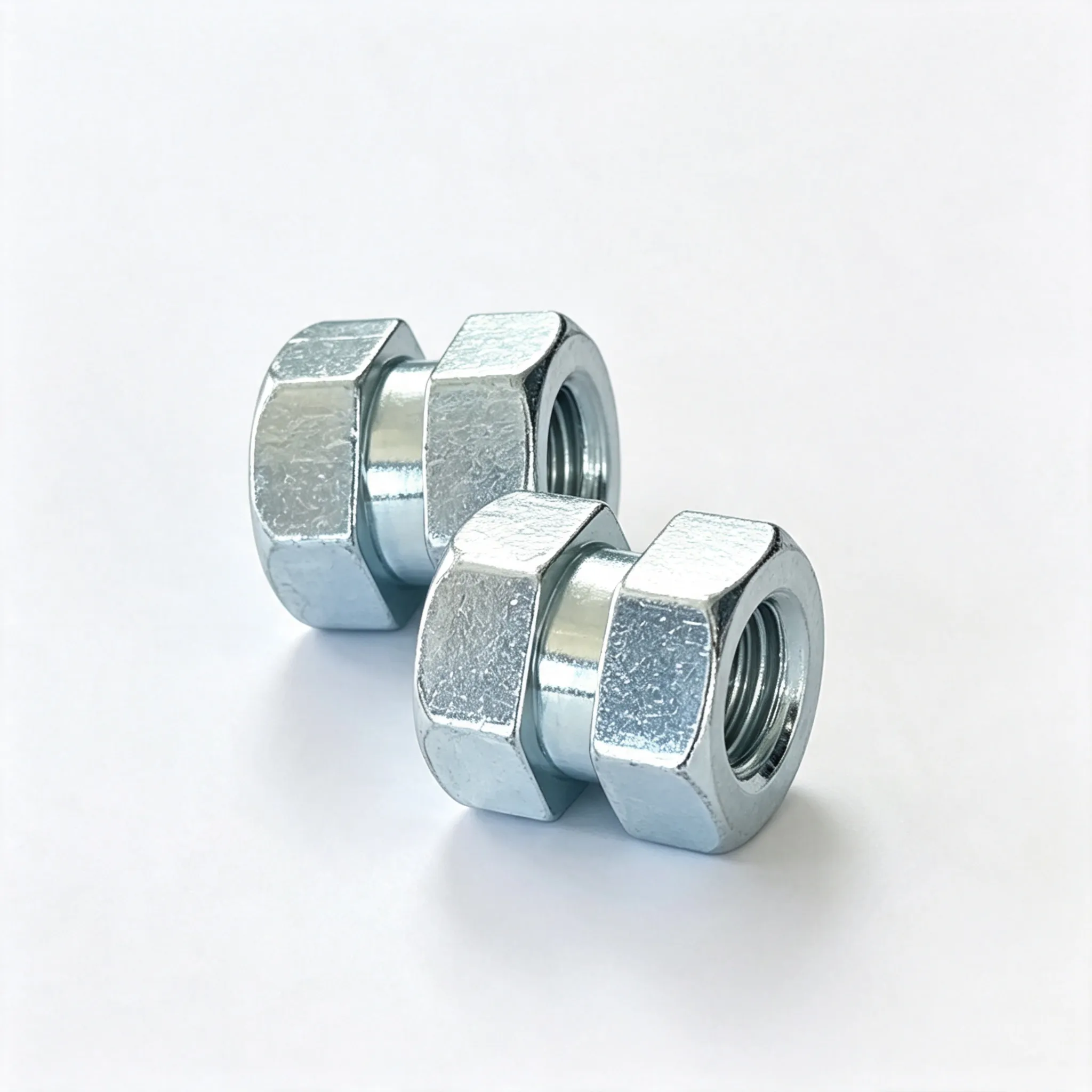
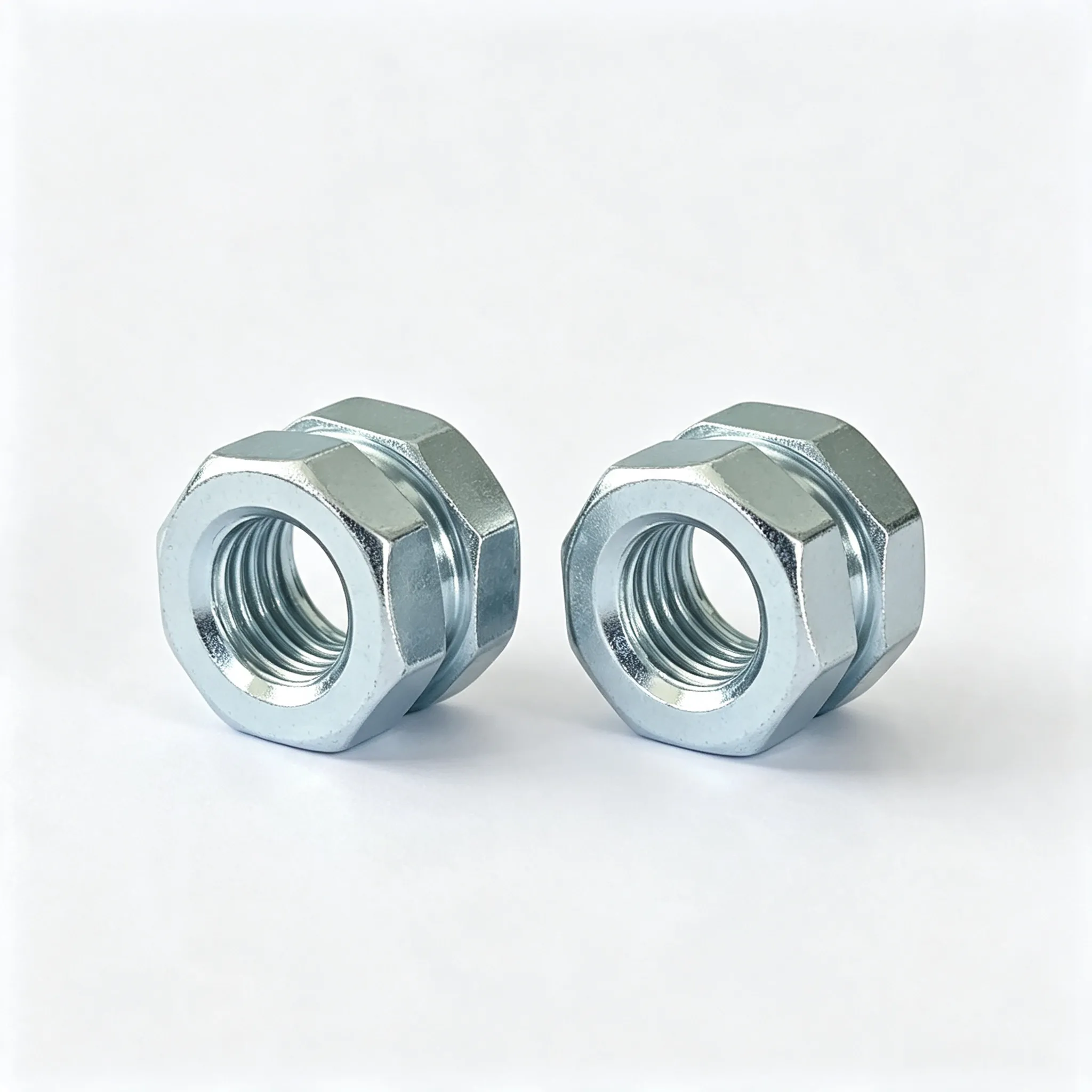
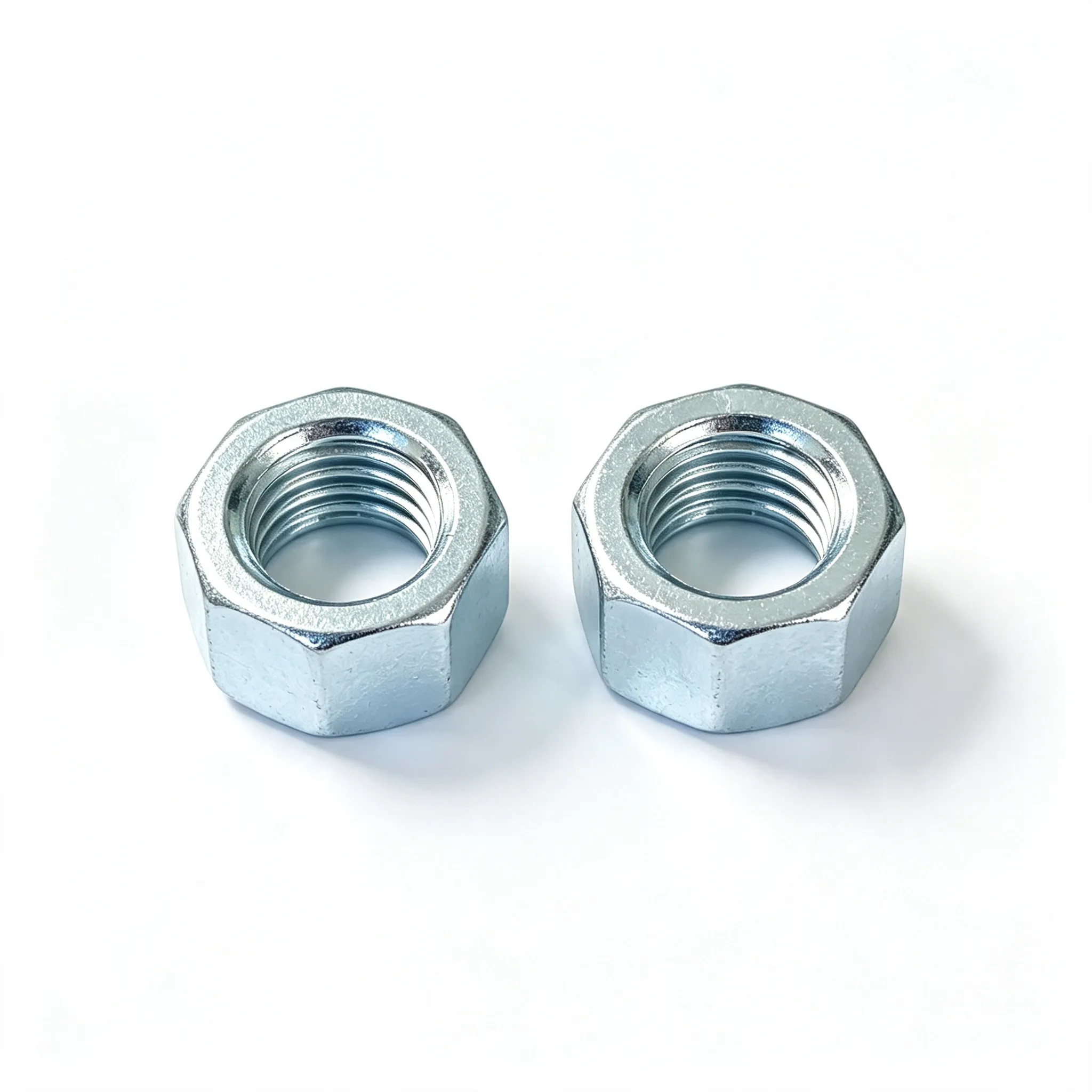
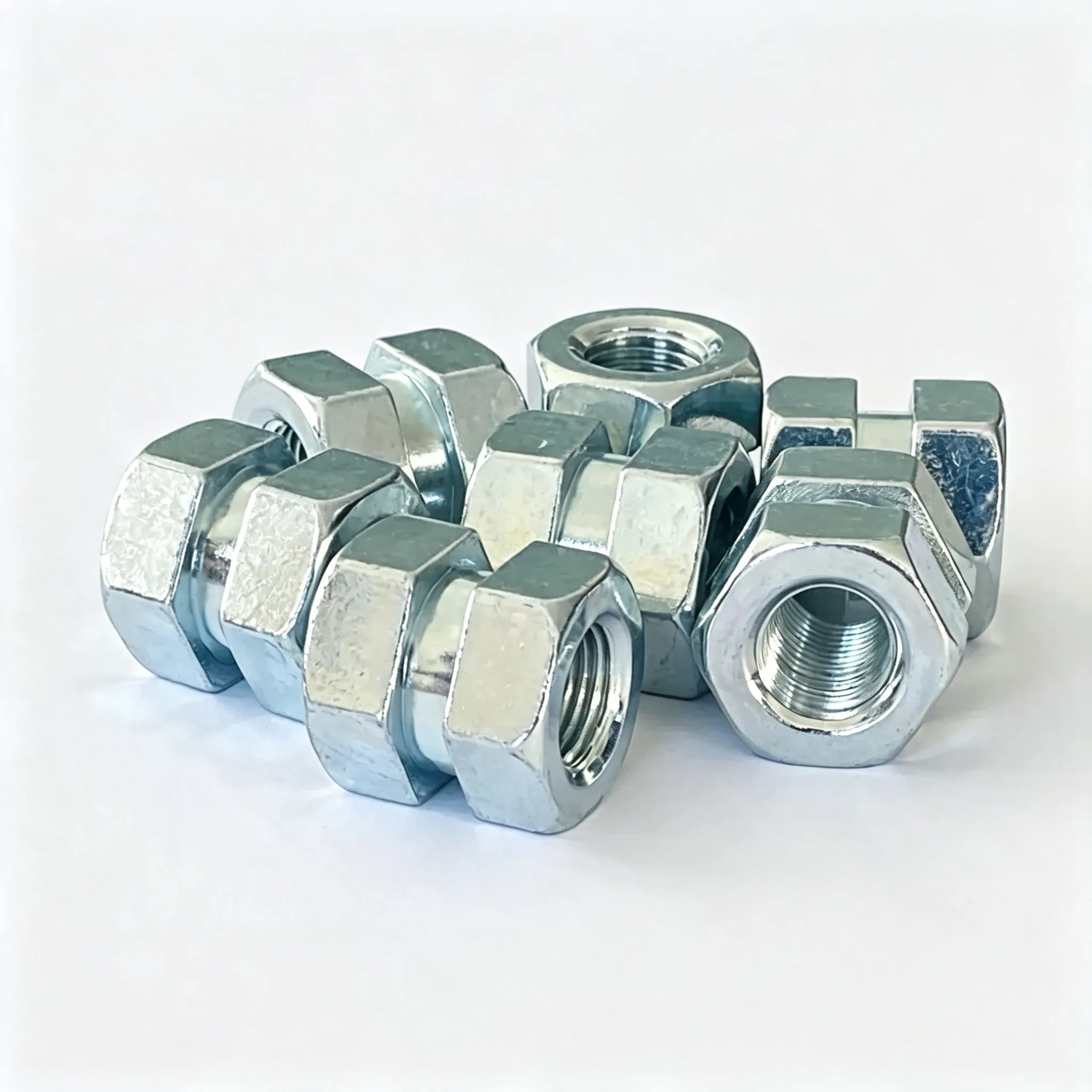
Through-hole hexagonal injection-molded nuts use a six-sided outer body and an open bore that passes through the part. The gallery shows a hex section with a smooth cylindrical extension, which suggests an insert intended to sit in a molded or assembled component. The drawing should confirm the through-hole, the installed orientation and the surface that seats.
Through-hole geometry
An open bore allows the mating thread or a related feature to pass through the nut rather than stopping inside it. Confirm the bore diameter, thread position and whether the hole is intended to clear a stud or provide a threaded section. The entry and exit edges should be clean so that a screw or pin does not catch during assembly.
Hex body and orientation
The six-sided section provides wrenching or orientation features, while the cylindrical section may locate the part in a hole. Check which end enters the molded component and which face remains exposed. The hex may be intended to sit in a matching recess, so the recess depth and corner clearance matter. Do not assume that the part is held by the hex alone.
Molding and installation review
Injection-molded components can shrink, warp or develop sink marks around an insert. Review the wall thickness, gate location and support around the nut with the molder. If the nut is installed after molding, confirm the approved method and the hole condition. The process should protect the bore and prevent material from entering the thread or clearance area.
Thread and bore inspection
After molding or installation, check that the bore is clear and that the intended thread starts freely. Look for flash, loose particles or deformation at the hex corners. If the nut must sit flush, measure the installed height rather than the free height. A visible surface should also be checked for scratches and mold marks according to the agreed appearance standard.
Ordering details
- Define the thread or clearance bore and its usable length.
- Show the hex size, cylindrical section and installed orientation.
- Provide the molded material, recess and wall thickness.
- State the installation route and inspection criteria.
A trial molding or assembly should confirm seating, bore clearance and surrounding-material condition. Record any process adjustments before production approval.
FAQ
Is the through-hole always threaded?
Not necessarily. Confirm whether the bore is threaded, clear or a combination of both in the drawing.
Can the nut be molded into the part?
The page describes injection-molded applications, but the actual insert design and molding process must be approved for the component.
What should be inspected after molding?
Check bore clearance, hex corners, seating height, flash and the condition of the surrounding material.
Browse the nuts category, or compare embedded nuts and embedded and knurled nuts.