

Step hollow rivets use a stepped outer profile and an open internal bore to locate, space or support a mating component. The step provides a defined shoulder, while the hollow center keeps the part open and comparatively light. This is different from a step rivet that has a short setting cavity: here the hollow body is a central design feature and should be specified as such.
Construction and working principle
The outer profile can combine a flange, a larger locating section and a smaller step or neck. The bore may run through the part or form a substantial internal cavity, depending on the drawing. During assembly, the shoulder can seat a plate or control the depth to which a mating part enters. The wall thickness and end geometry then determine how the component is retained or supported.
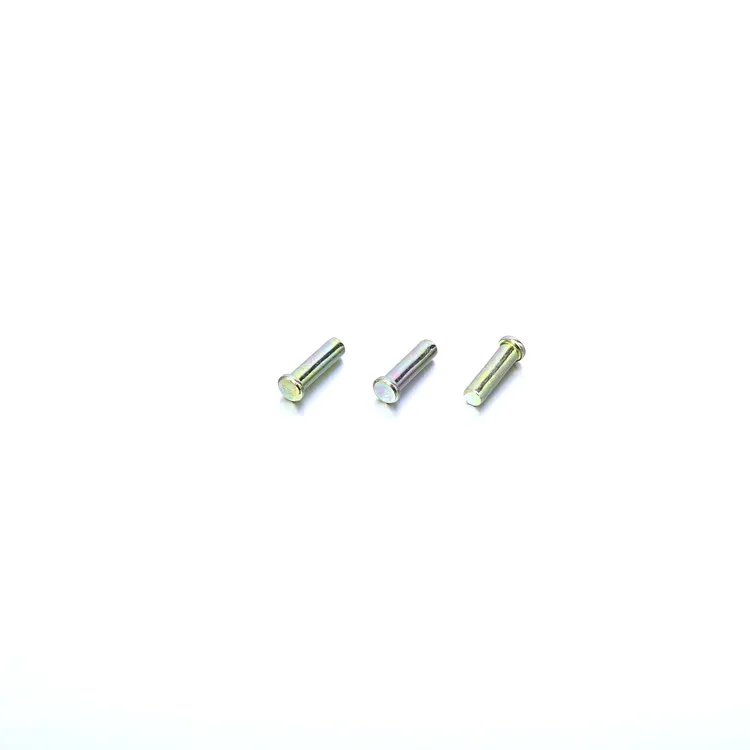
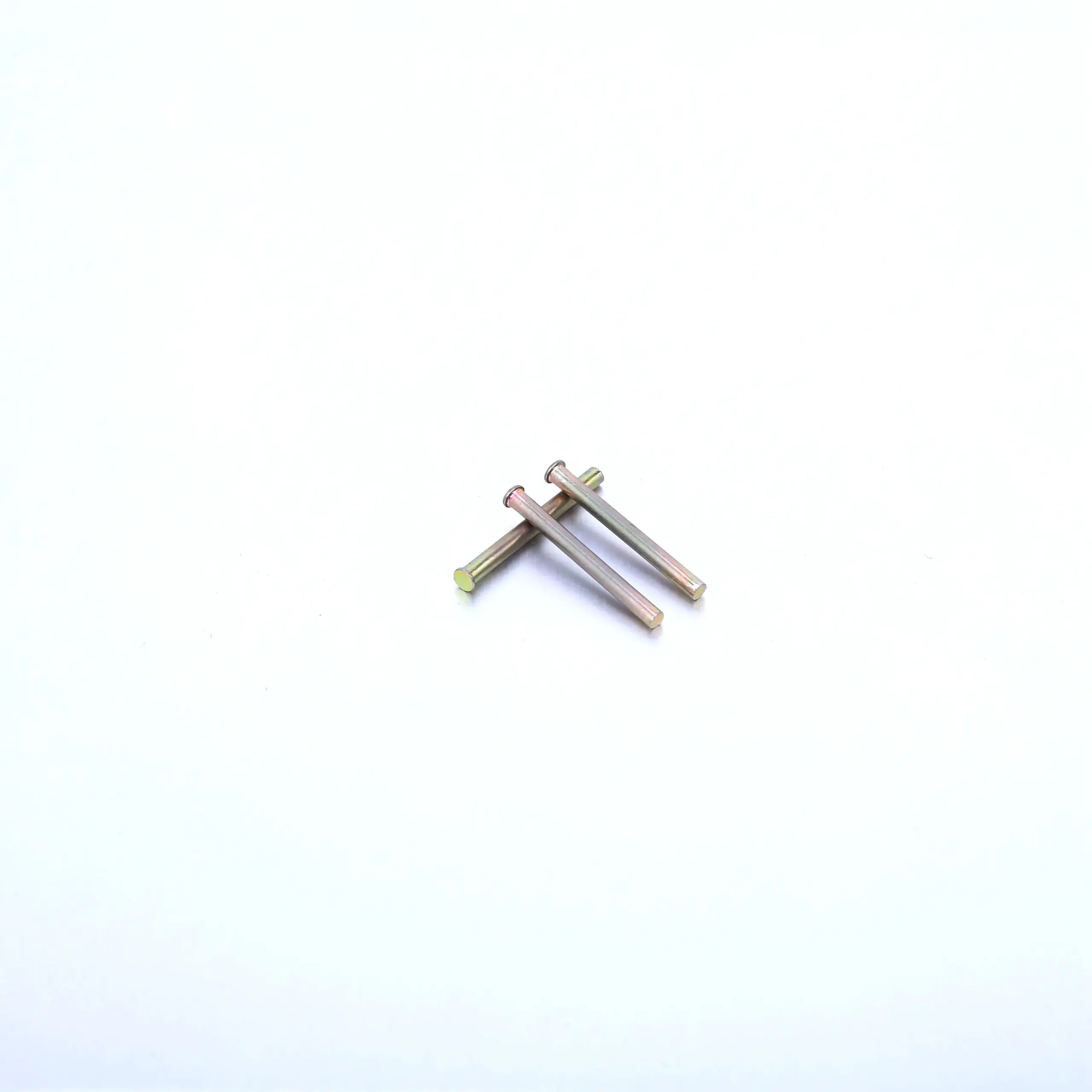
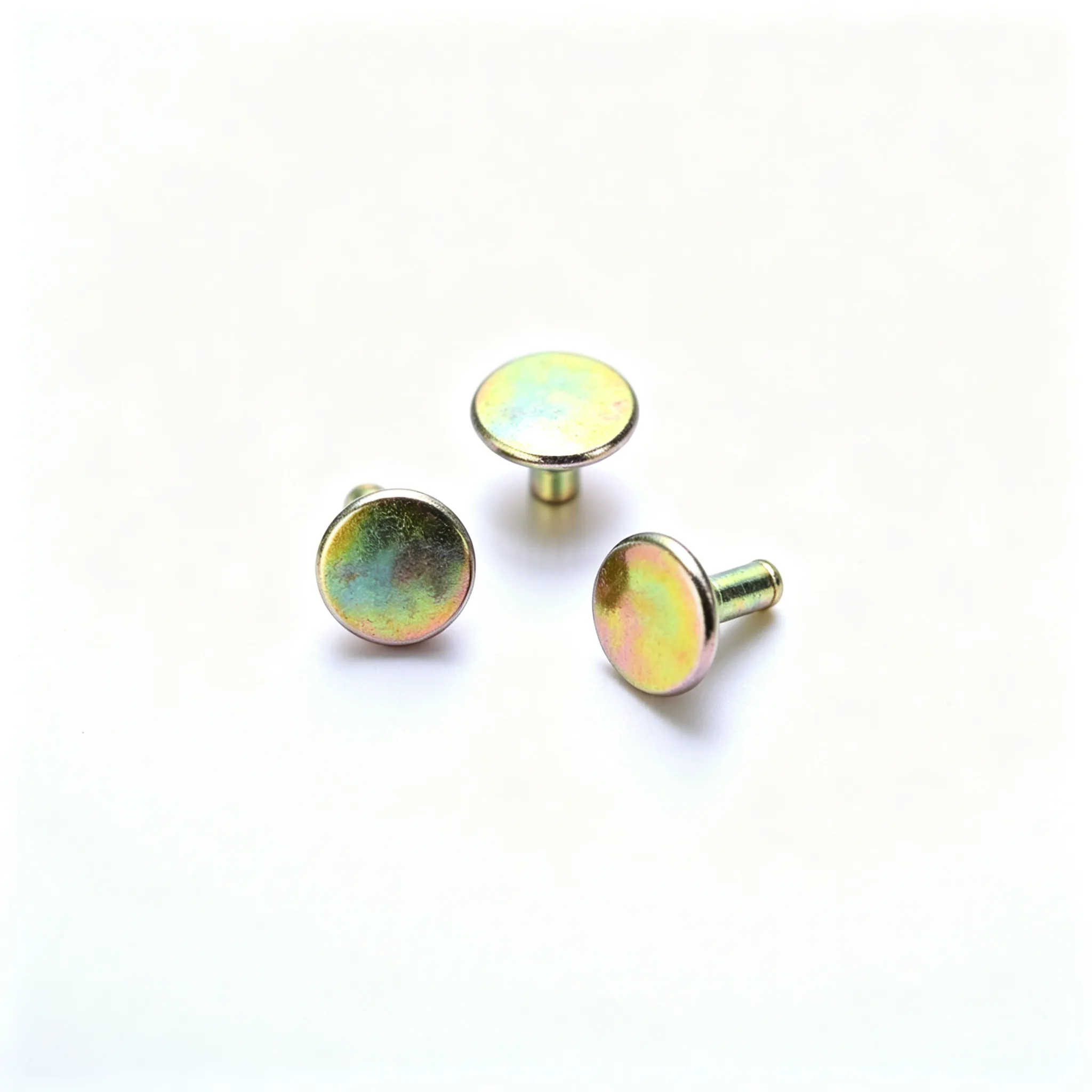
The product photographs show several hollow stepped forms, including flange-style shoulders. They should be treated as examples of a drawing-led family rather than proof that one fixed geometry suits every application. Confirm the exact outer diameters, bore, step length and end condition for the required part.
Typical applications
Step hollow rivets can be considered for spacers, pivot sleeves, locating bushes, electrical hardware, small hinges and assemblies where a shoulder must position one component while an open bore remains available. They may suit an eyelet-like function, a bearing surface or a decorative hollow fastener. The service load and movement should be reviewed before treating any of these as a pivot bearing.
Step hollow versus pan-head tubular step
A pan-head tubular step rivet emphasizes a rounded visible head and a tubular shank. A step hollow rivet places more emphasis on the stepped outer body and the internal bore, and may use a flange or sleeve-like form rather than a conventional rivet head. Compare the installation method and the finished joint, not only the silhouette.
How to specify a step hollow rivet
- Provide a section drawing showing the bore, wall thickness and all outer diameters.
- Define the flange or shoulder face, the step location and the overall length.
- State the mating component, required clearance and whether the part must rotate.
- Confirm material, finish, quantity and the required installed end form.
Material, finish and installation checks
Material choice should follow the required strength, forming behavior and service exposure. Plating, passivation or other surface treatment must be specified with the substrate rather than inferred from color. During installation, check that the shoulder seats squarely, the bore remains within the required condition and the end form does not distort the mating component. For a sleeve-like part, confirm that the finished assembly still provides the intended clearance.
FAQ
Is a step hollow rivet the same as a spacer?
A spacer is defined by its function; a step hollow rivet is defined by its construction. One part can serve as a spacer, but the bore, shoulder, load and retention method still need to be specified.
Can the hollow center carry a pin or wire?
The possibility depends on bore size, wall strength, edge condition and the size of the mating item. Provide the pin or wire dimensions and state whether movement or electrical insulation is involved.
What is needed for a quote?
Send the drawing or sample, bore and step dimensions, mating-part details, material, finish and expected annual quantity.
See the step hollow rivet category, or compare pan-head tubular step rivets and pan-head step rivets.