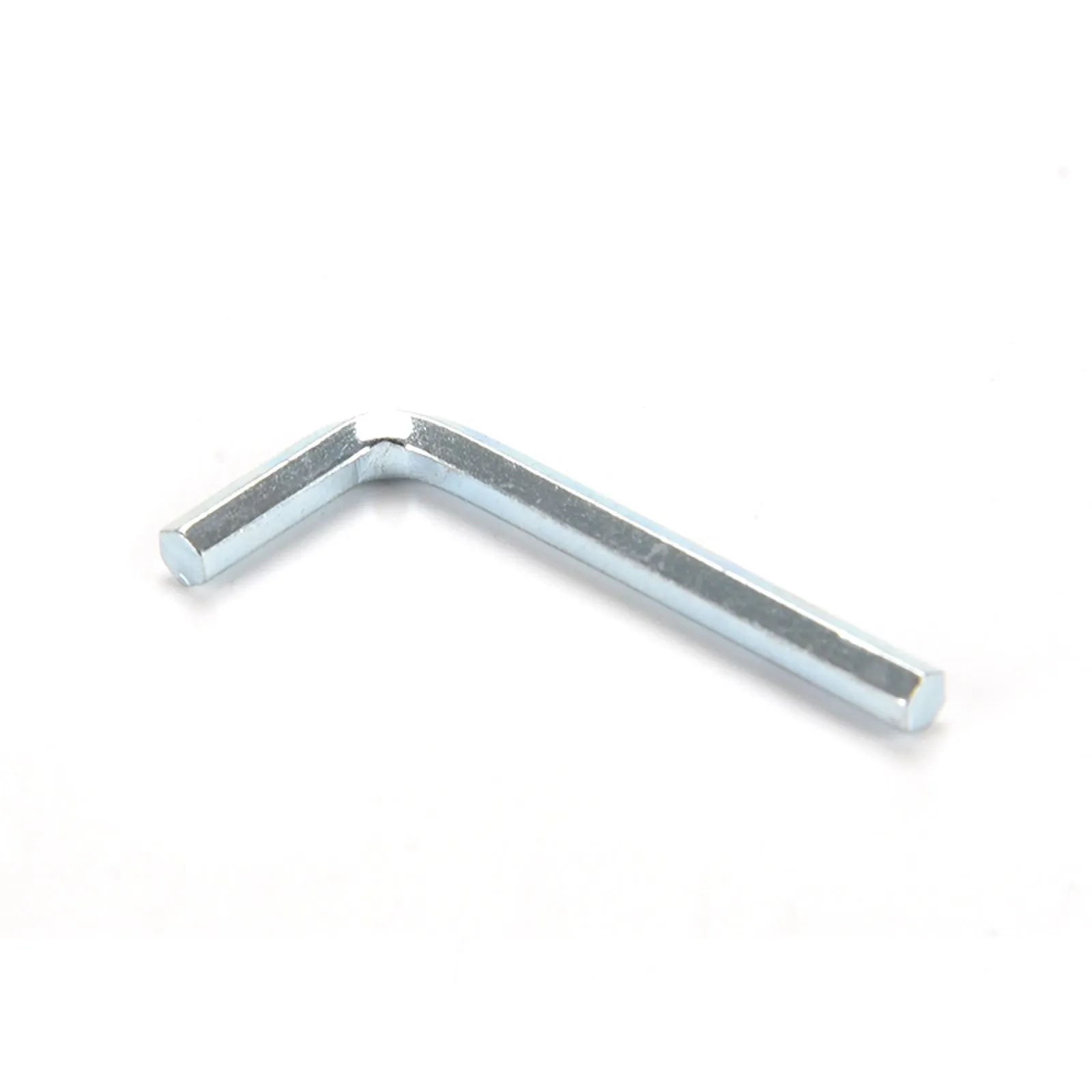
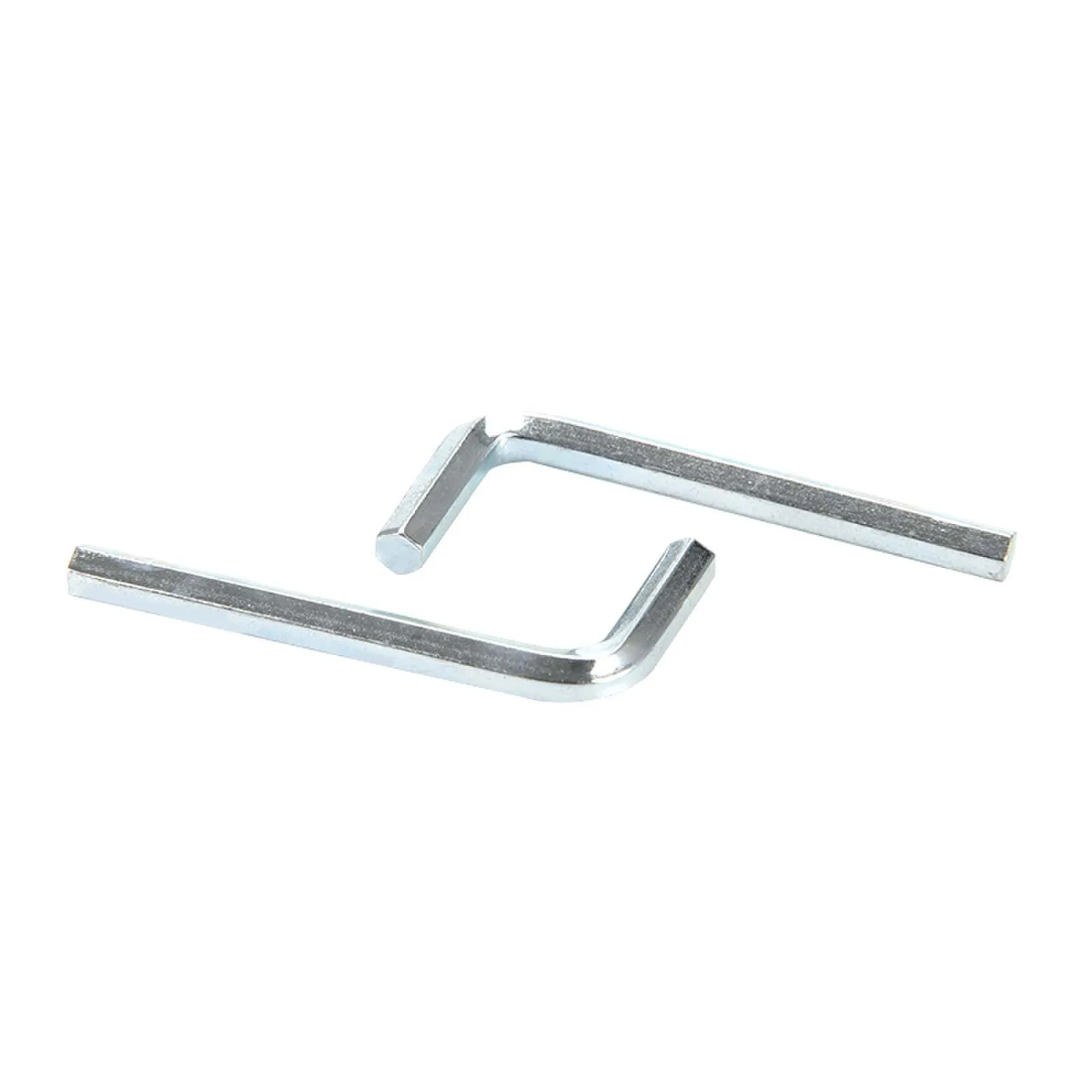
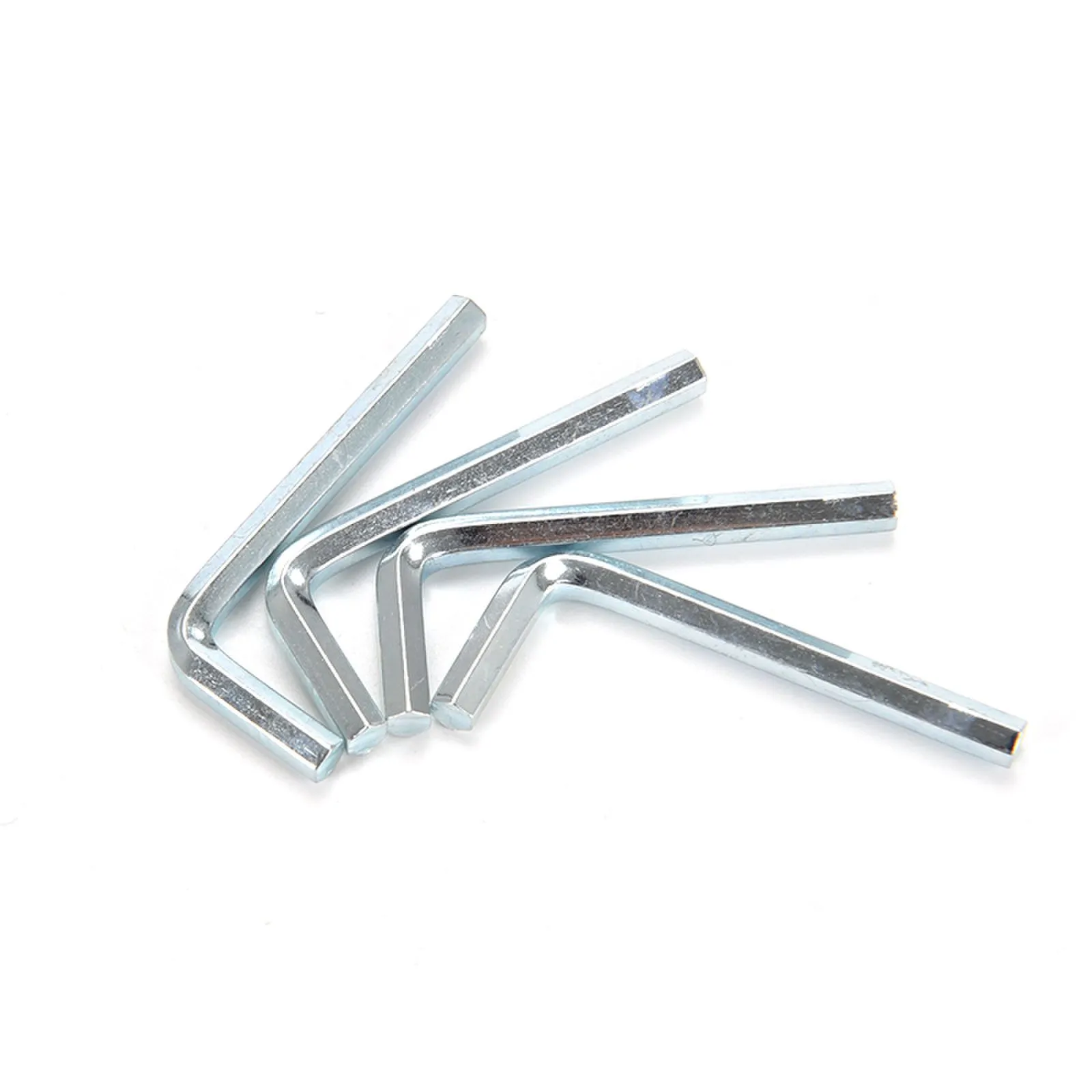
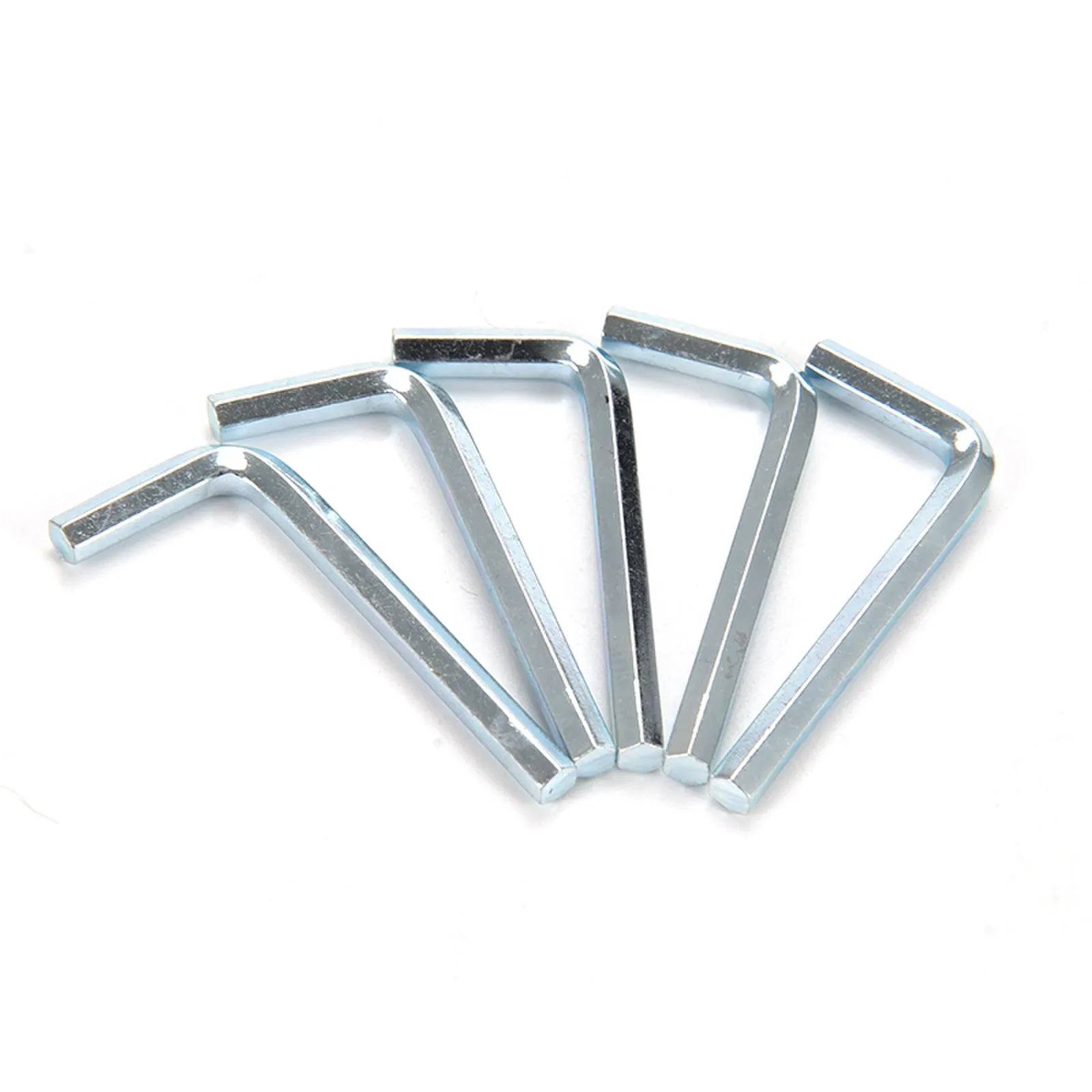
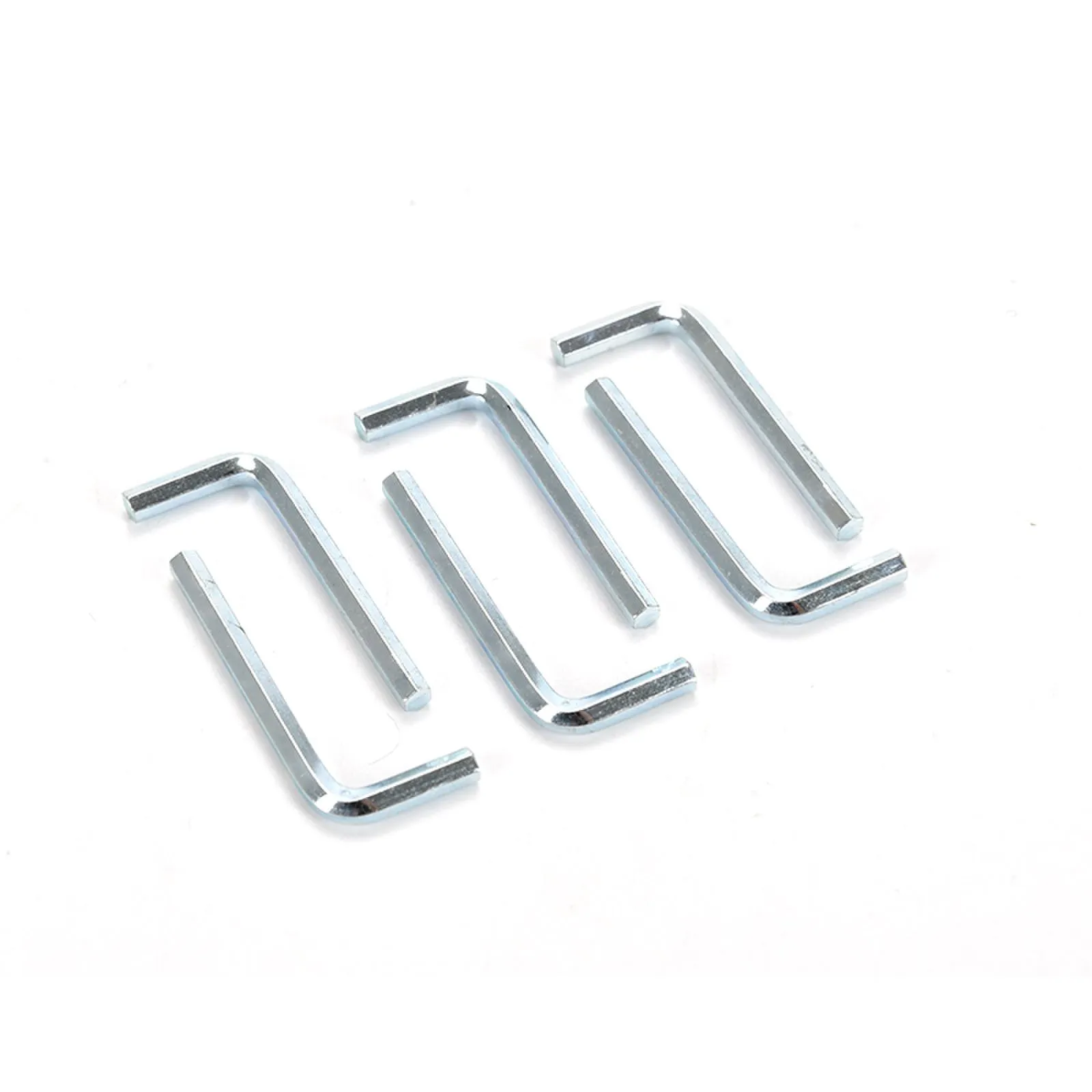
A hex wrench is an L-shaped tool with six-sided driving legs. One leg is used to engage a hex socket and the other provides a handle. The form is simple, but the across-flats fit, bend geometry and end condition must match the socket and the available access.
L-form and six-sided drive
The two legs of the wrench meet at a bend. The shorter leg is often used for access and the longer leg for reach or leverage, but the drawing should identify the intended use. The hex profile must engage the socket without excessive play; a visual match does not establish the correct across-flats size or clearance.
Access, reach and handle clearance
An L-shaped tool can approach a socket from the side or from above, depending on which leg is inserted. Check the surrounding boss, panel and nearby components before selecting leg lengths. A longer handle can improve access but may not fit a confined space, and a short leg can be difficult to turn where the tool body contacts the workpiece.
Bend, ends and practical handling
The bend radius and leg orientation affect how the tool sits in the hand and whether it can reach a recessed socket. Ends may be chamfered or blunt; the required condition should be specified. Do not infer a particular steel grade, hardness or turning capacity from the silver appearance or the word hex.
Specification inputs
- State the socket size and the required across-flats fit.
- Provide both leg lengths and the bend orientation.
- Show the end shape and any required chamfer.
- Confirm material, finish, quantity and marking needs.
Inspection and trial use
Check that the hex legs enter the intended socket without forcing and that the bend clears the surrounding hardware. Inspect the corners for burrs and the ends for damage. If the wrench is supplied as a production accessory, define the inspection gauge or socket used for the fit check.
Before using the wrench, confirm that the hex leg reaches the full socket depth rather than engaging only the chamfer. Check the bend for cracks or flattening and make sure the handle leg can rotate without striking nearby hardware. For a production tool, record the socket used for the fit check and the leg orientation relative to the bend. Keep the working ends free of burrs, since damaged corners can mark the socket or reduce engagement.
FAQ
Can the leg lengths be customized?
Yes, when both lengths and the bend orientation are shown on the drawing or sample request.
Does a hex wrench fit all hex sockets?
No. The across-flats size and engagement depth must match the socket and access conditions.
Is hardness specified by the product title?
No. Material grade and heat treatment require a separate requirement.
Browse the hex wrench category, or compare hex socket pan head screws and square nuts.