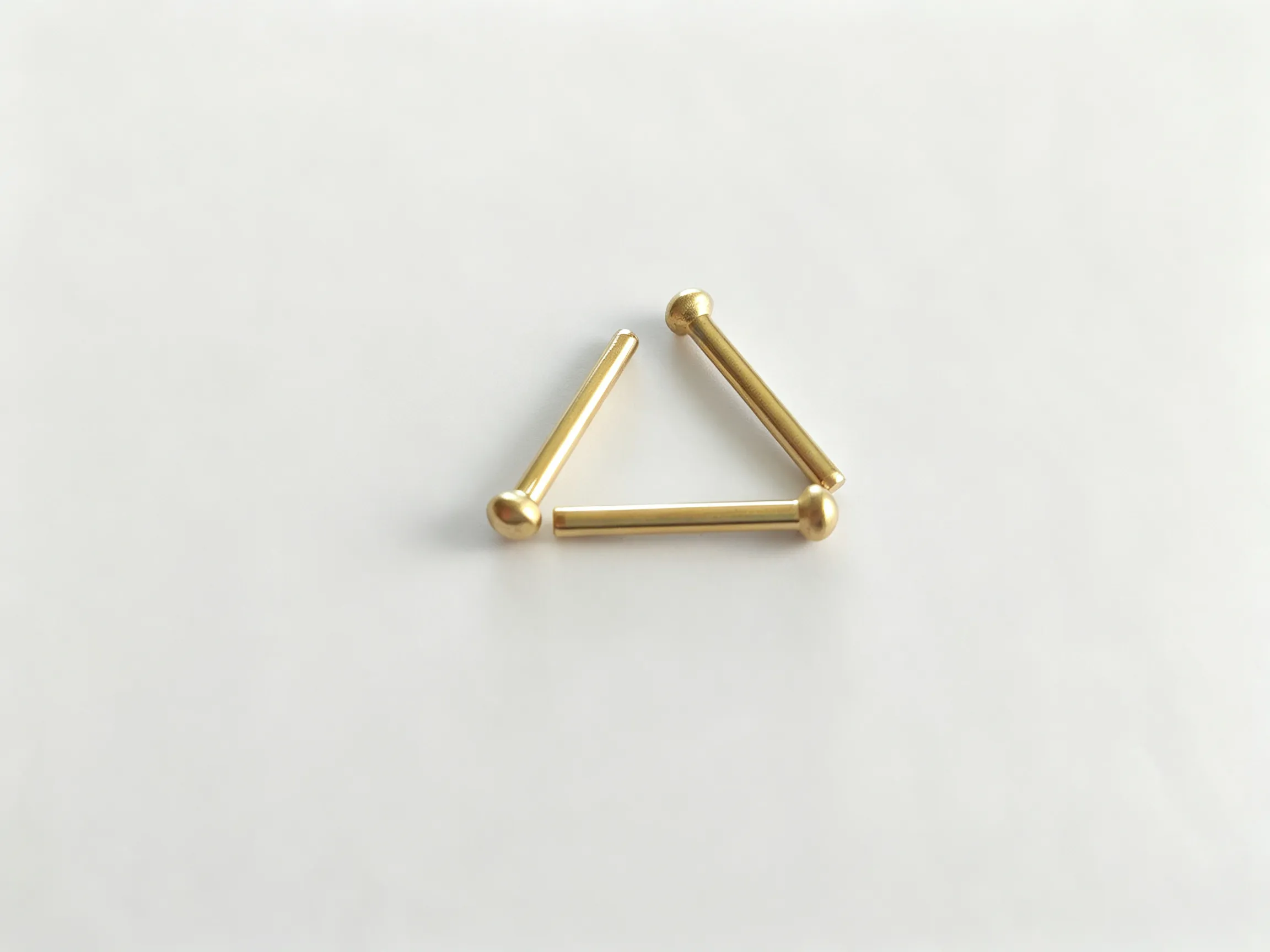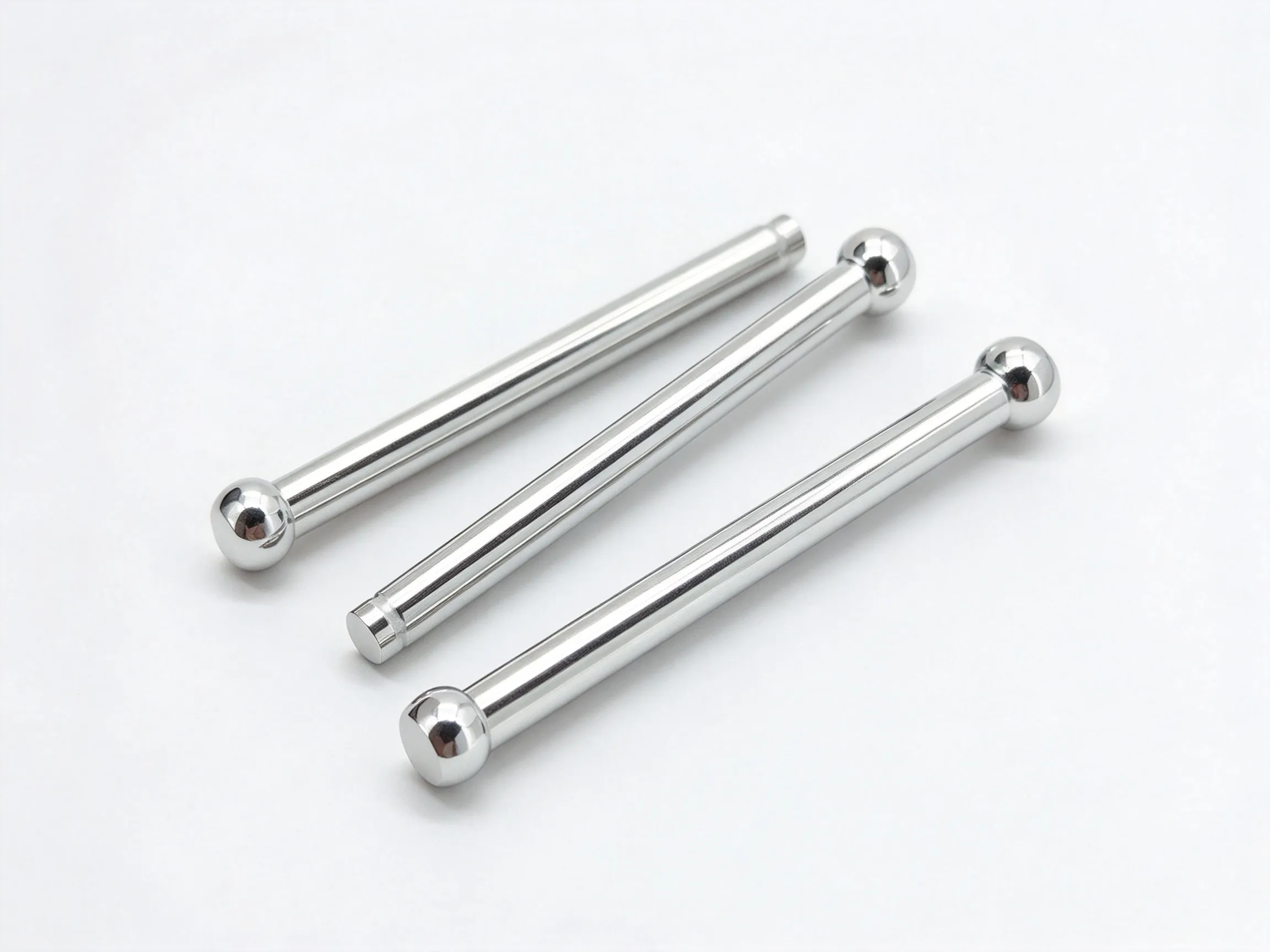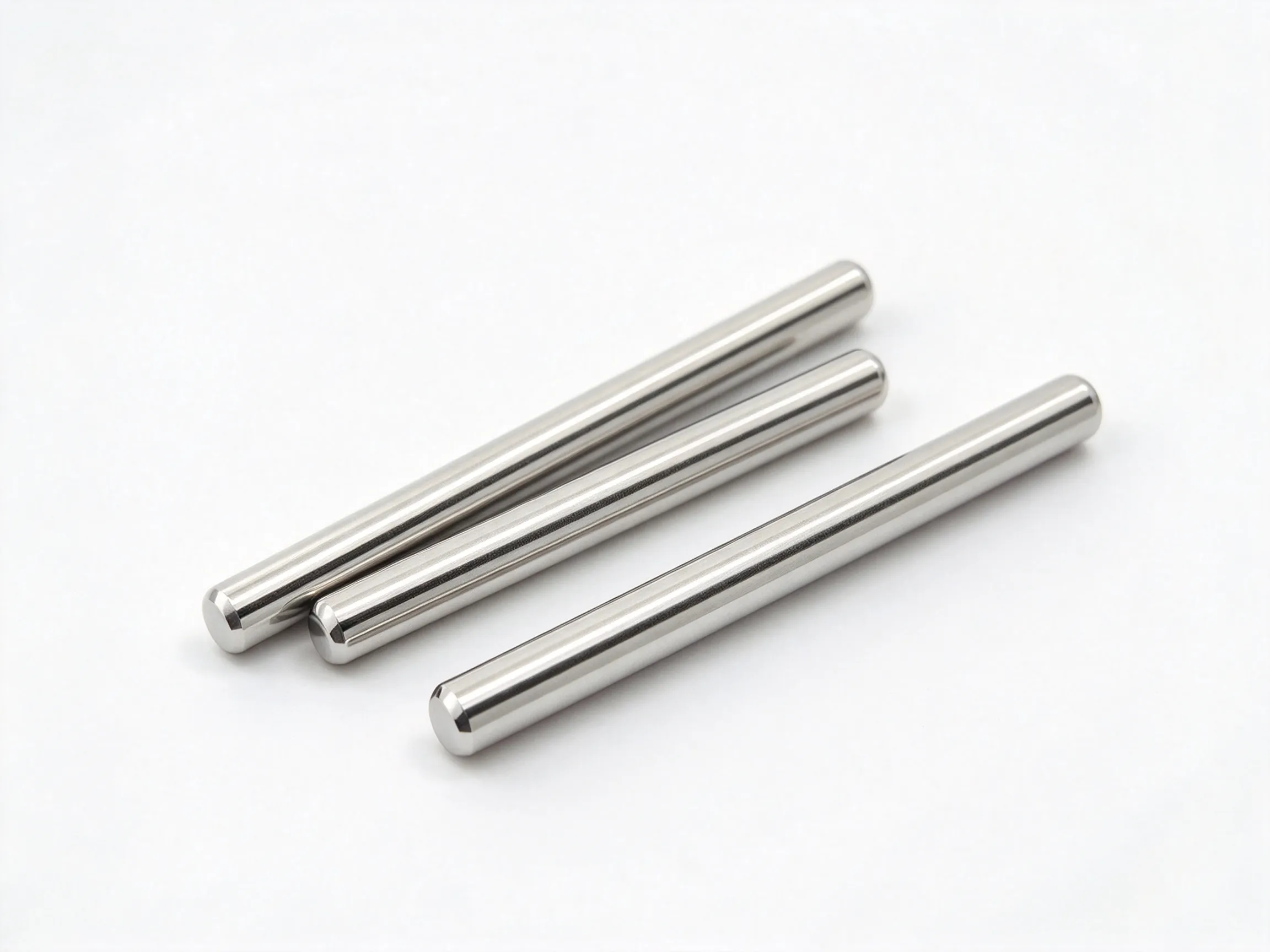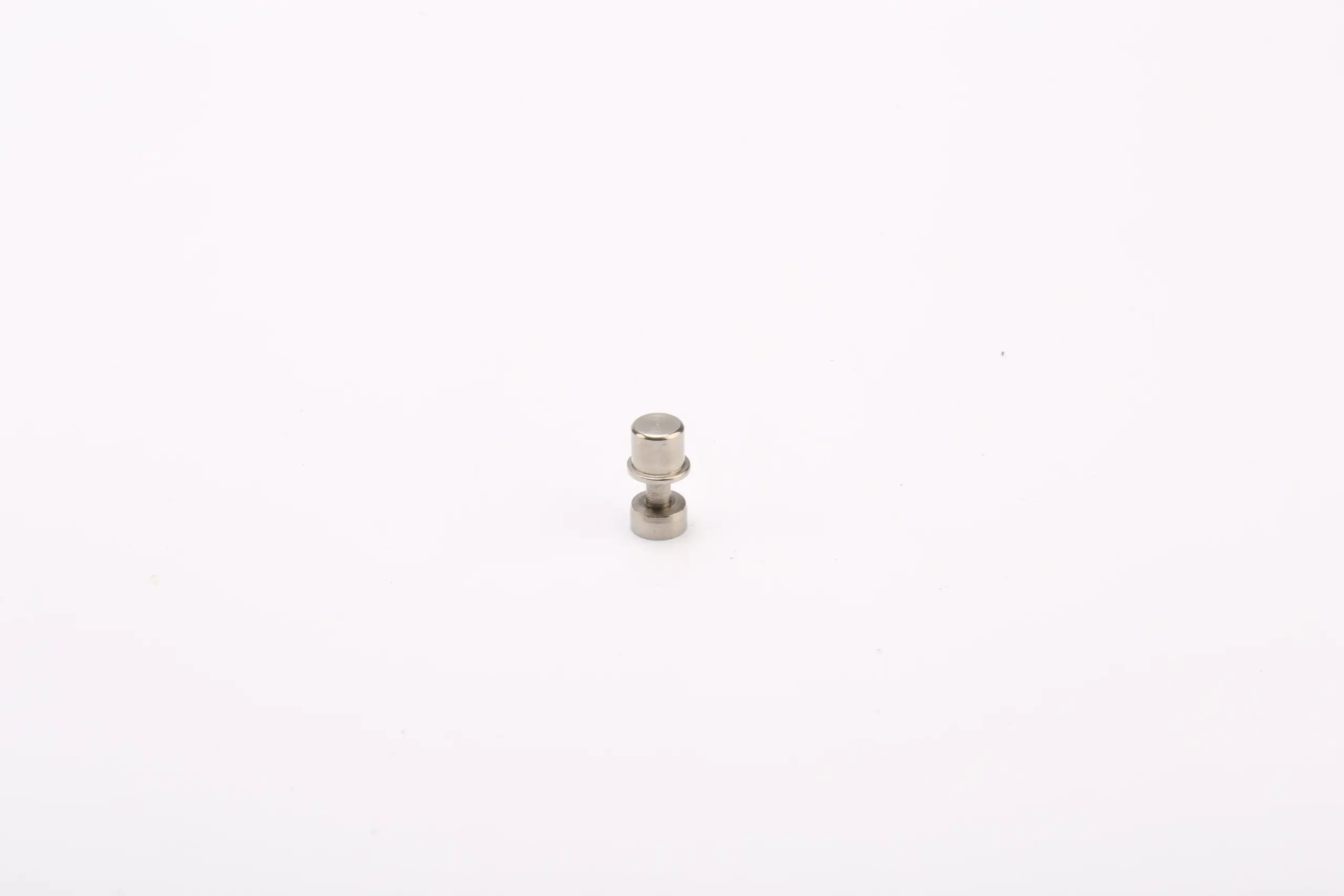
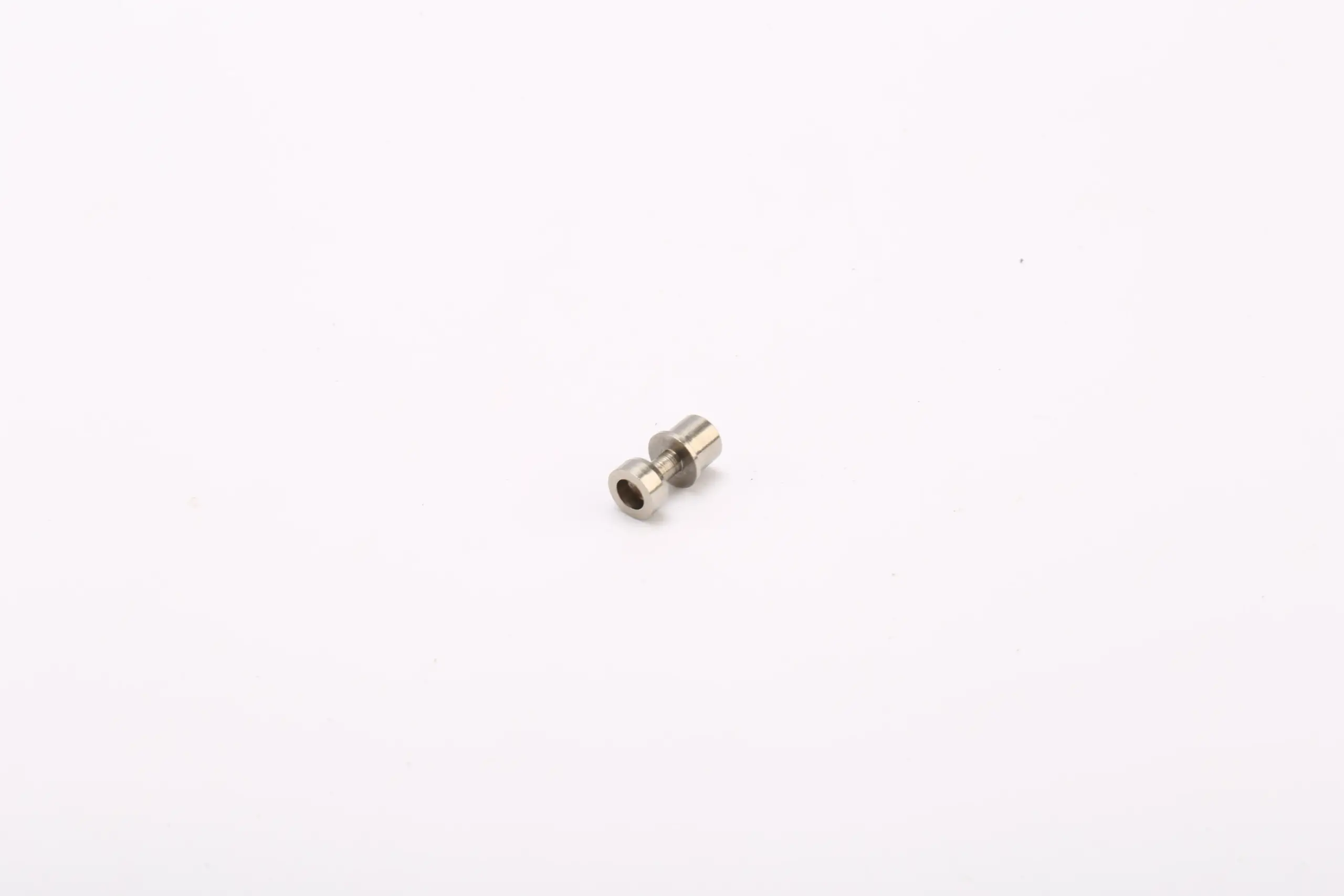
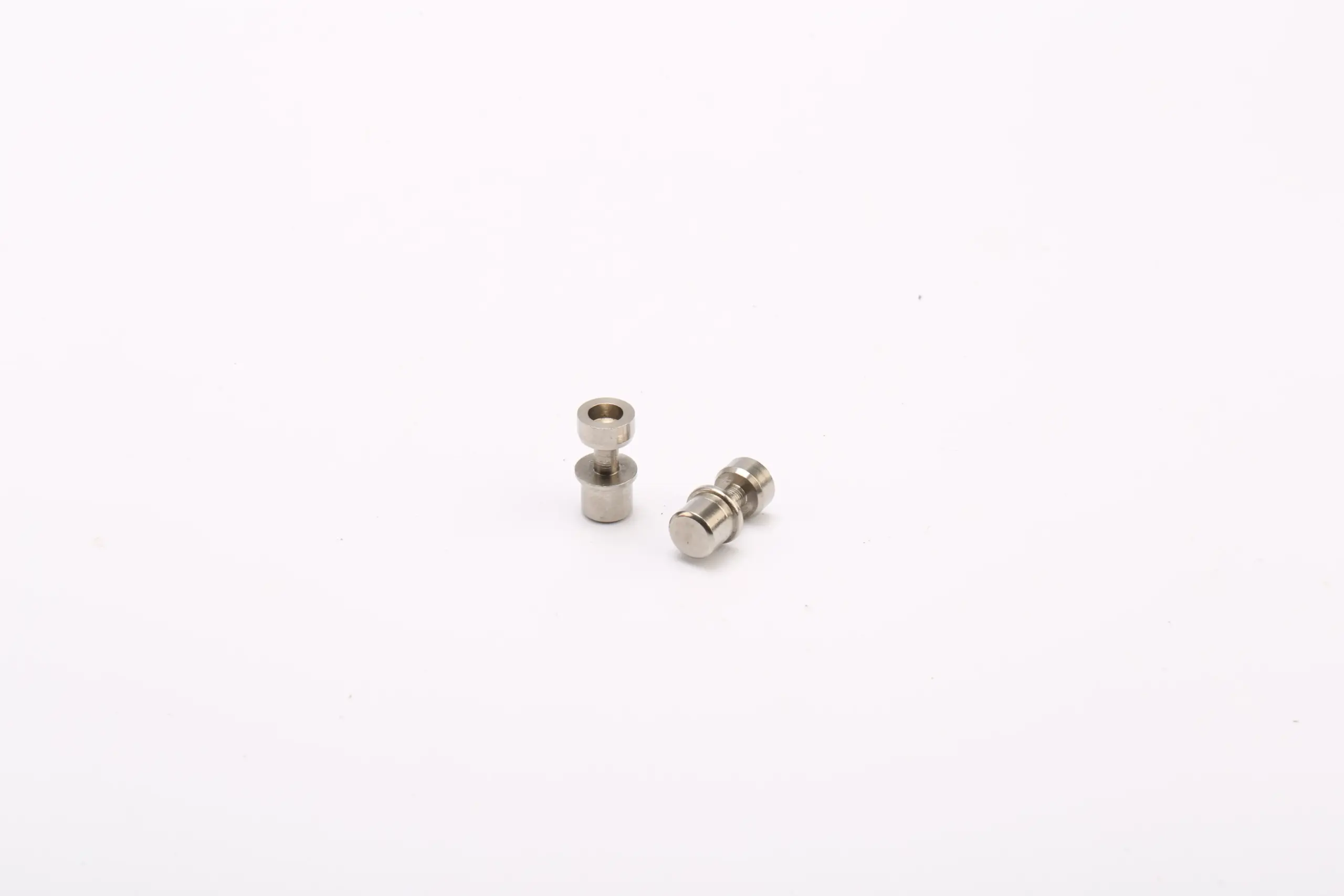
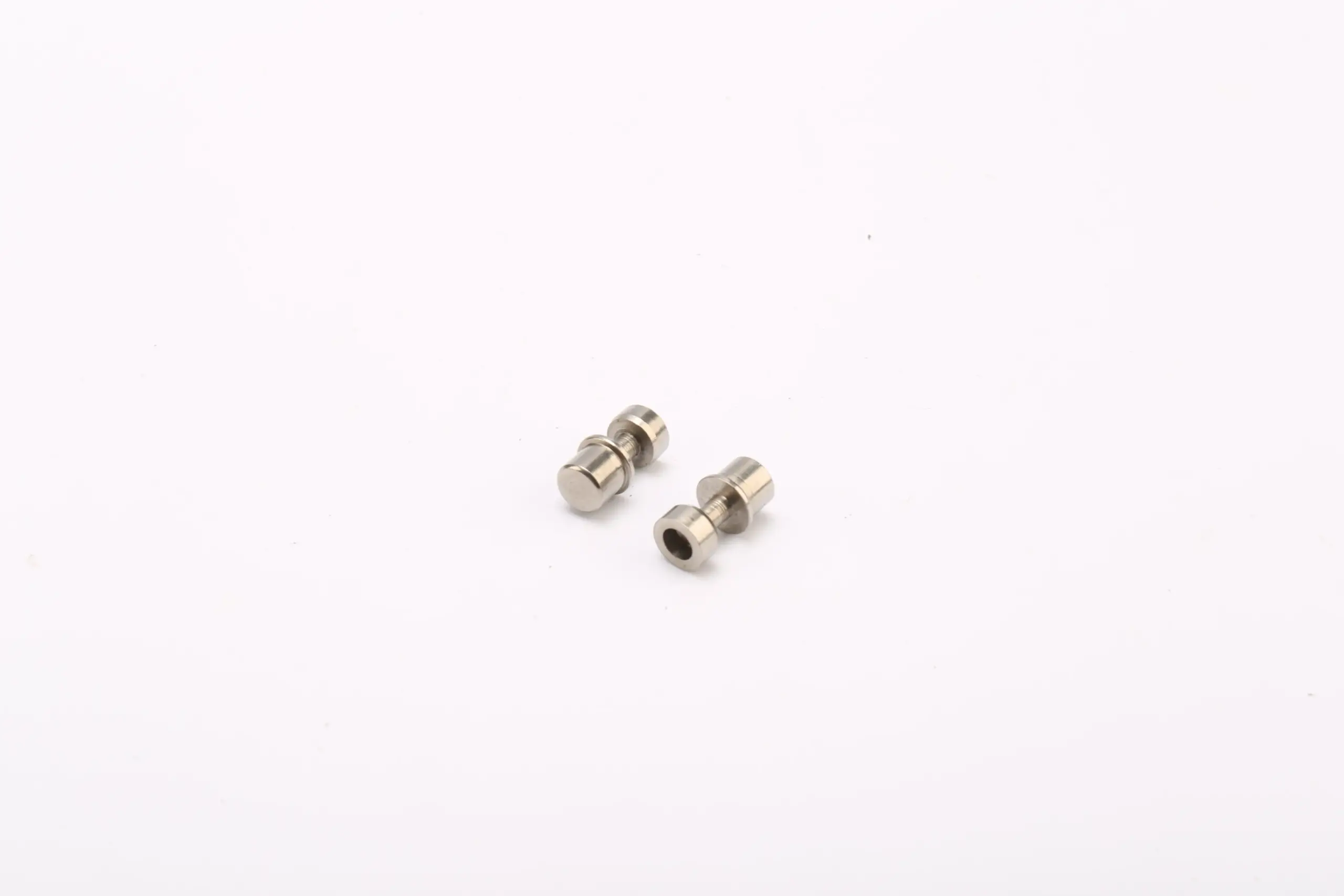
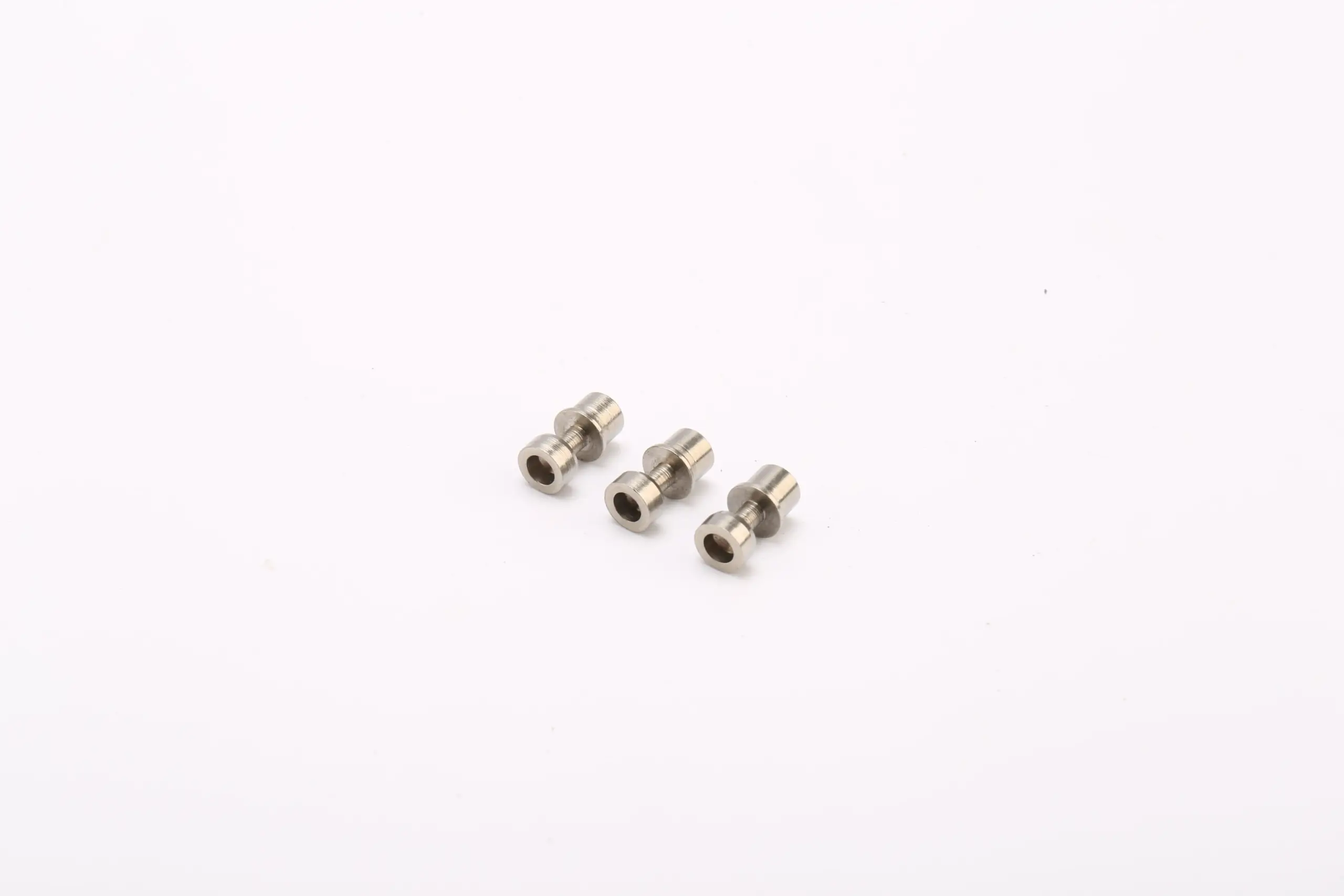
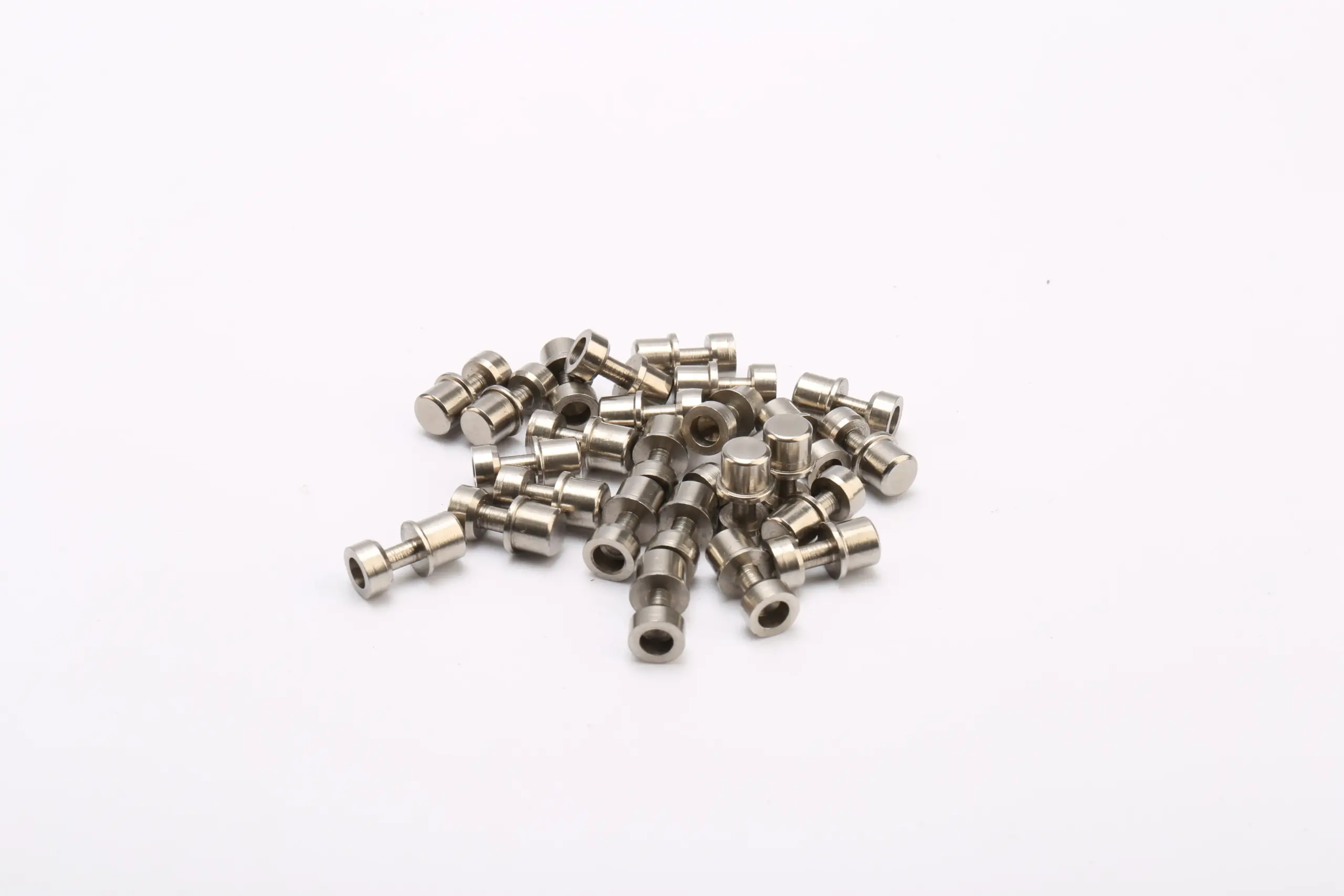
Utility knife accessories are small metal components made for knife assemblies and related hardware. The gallery shows compact stepped or headed parts, so the exact function should be taken from the drawing or sample rather than from the accessory name alone.
Small knife hardware
These parts can include pins, inserts, spacers and other compact components used in a folding or utility knife. The visible geometry may be a stepped pin, a headed body or a small sleeve. Each feature should be tied to its location in the knife: pivot, stop, spacer or retention point.
Assembly and service access
Knife hardware is often assembled and serviced with small tools in a confined frame. Check the head clearance, the insertion path and the space for removal. A part that fits when the knife is open may interfere when it is folded, so the assembly should be checked through its full movement where relevant.
Part-specific function and edges
The accessory name is broad, and the photo alone does not prove that a part is a blade pivot, a spring pin or a decorative insert. Define the functional surfaces, the mating hole and any required clearance. Edges should be deburred, especially where the part moves against a blade, liner or handle scale.
Specification inputs
- Provide a dimensioned drawing or an approved sample.
- Identify the knife location and the mating components.
- Show steps, heads, holes and any required clearance.
- State material, finish, quantity and inspection points.
Fit and finish inspection
Check the small features under magnification and confirm that the part does not bind through the intended range of motion. Inspect visible surfaces for scratches and functional surfaces for burrs. Material and finish should be specified separately; the accessory category does not establish strength, corrosion resistance or a particular knife standard.
Check the accessory in the knife through its full movement. A pivot or stop part should not bind when the blade opens and closes, and a spacer should not contact the cutting edge. Confirm that the head clears the handle scale and that the part can be installed without forcing the liner. Inspect small holes and steps for burrs, then protect the finished surfaces during packing and service. Keep the approved sample with the drawing so that a replacement can be compared by function and fit.
FAQ
Is every accessory a pivot pin?
No. The category covers several small hardware forms, so the drawing must identify the function.
Can a sample be used instead of a drawing?
A sample can support the review, but critical dimensions and inspection points should still be documented.
What should be checked after assembly?
Check fit, freedom of movement, edge clearance and the absence of burrs or interference.
Browse the Custom Parts category, or compare customized hinge plugs and thin head hexagonal nuts.