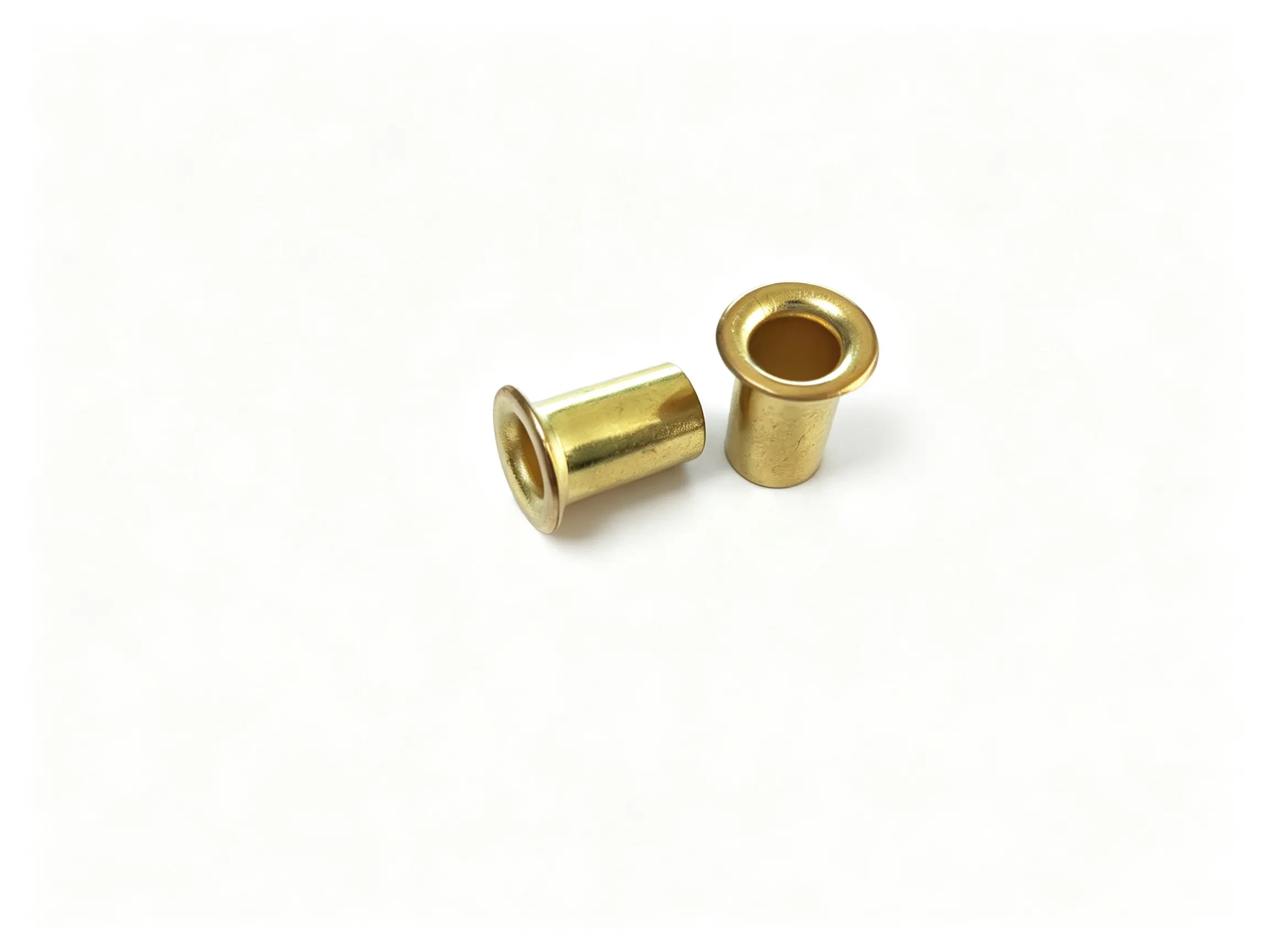
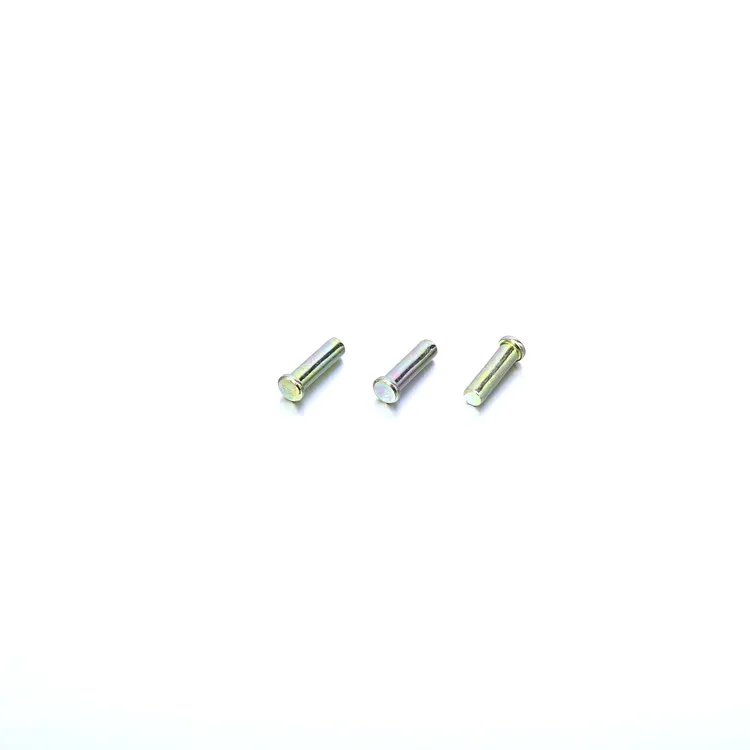
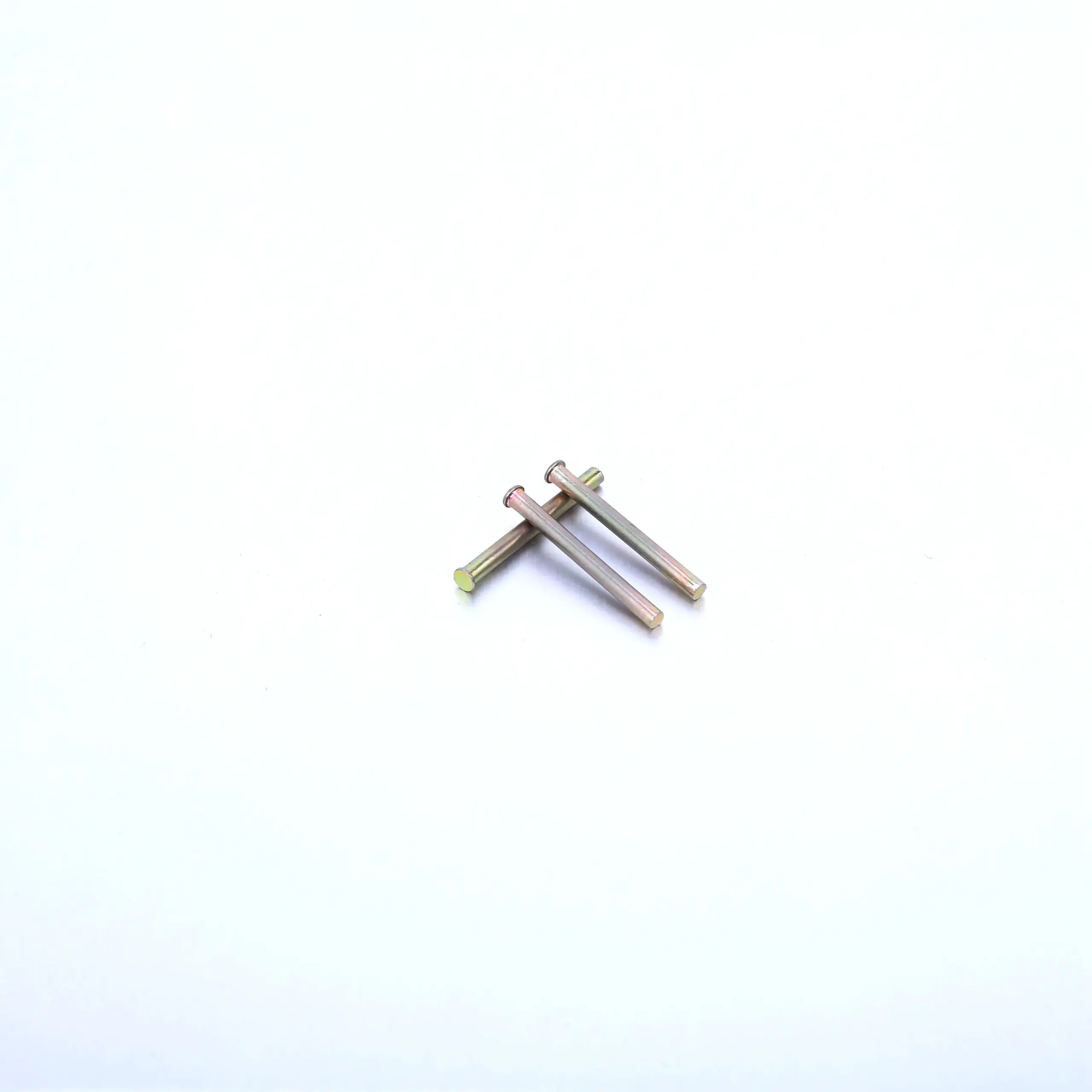
Stainless steel semi-tubular rivets combine a formed head with a short hollow setting tail. The tail rolls outward to clamp the workpiece while the solid part of the shank supports the joint. This page focuses on the material choice: stainless steel is specified when the installed rivet must resist corrosion or remain compatible with a stainless assembly, not merely because it has a bright surface.
Construction and working principle
The fastener is a headed semi-tubular rivet with a defined hollow depth at the setting end. Hole diameter, shank fit, grip length and tail volume must be considered together. If the hollow section is too long for the stack, the tail may not form correctly; if it is too short, the joint may not close. Stainless steel also changes the setting behavior, so the tooling and installed sample should be checked rather than assuming the same setup used for a carbon-steel rivet will transfer directly.
Typical applications
Stainless semi-tubular rivets can be considered for enclosures, appliance hardware, food and washdown equipment, electrical assemblies, hinges and other joints where corrosion resistance or a clean stainless finish is important. They are not a substitute for a sealed or fully watertight joint; the surrounding design, mating materials and installation method also determine service performance.
Stainless grade and finish
Confirm the required stainless grade, surface condition and any magnetic, strength or corrosion requirement at quotation. A generic request for “stainless” is not a complete specification because different grades and finishes can behave differently in forming, appearance and service. Where the rivet will contact another alloy, review compatibility and the likely environment before fixing the final material.
Setting and tooling
Semi-tubular rivets require a setting tool and an appropriate support on the opposite side. The tool nose, tail support and set height should match the head and tail geometry. For stainless parts, review whether the available press or tooling can produce the required roll without cracking, distortion or excessive marking. Approval should be based on the assembled sample, including the formed tail.
How to specify a stainless semi-tubular rivet
- Provide a drawing or sample with head profile, shank diameter, hollow depth and overall length.
- State the hole size, stack thickness and required grip range.
- Define the stainless grade, surface condition and corrosion requirement.
- Identify the setting method, annual quantity and the critical inspection points.
FAQ
Is every stainless semi-tubular rivet corrosion resistant in every environment?
No. Corrosion performance depends on the alloy, environment, mating materials and installation condition. Define the actual service exposure when requesting a material recommendation.
Can the installed tail be flat instead of rolled?
Tail shape depends on the rivet and tooling design. Show the required installed form in the drawing or provide a sample rather than specifying only the unset dimensions.
What is needed for a quotation?
Send the drawing or sample, stack details, stainless grade or environment, setting method, quantity and any inspection or packaging requirement.
Explore the semi-tubular rivets category, or compare semi-tubular rivets and large stainless steel semi-tubular rivets.