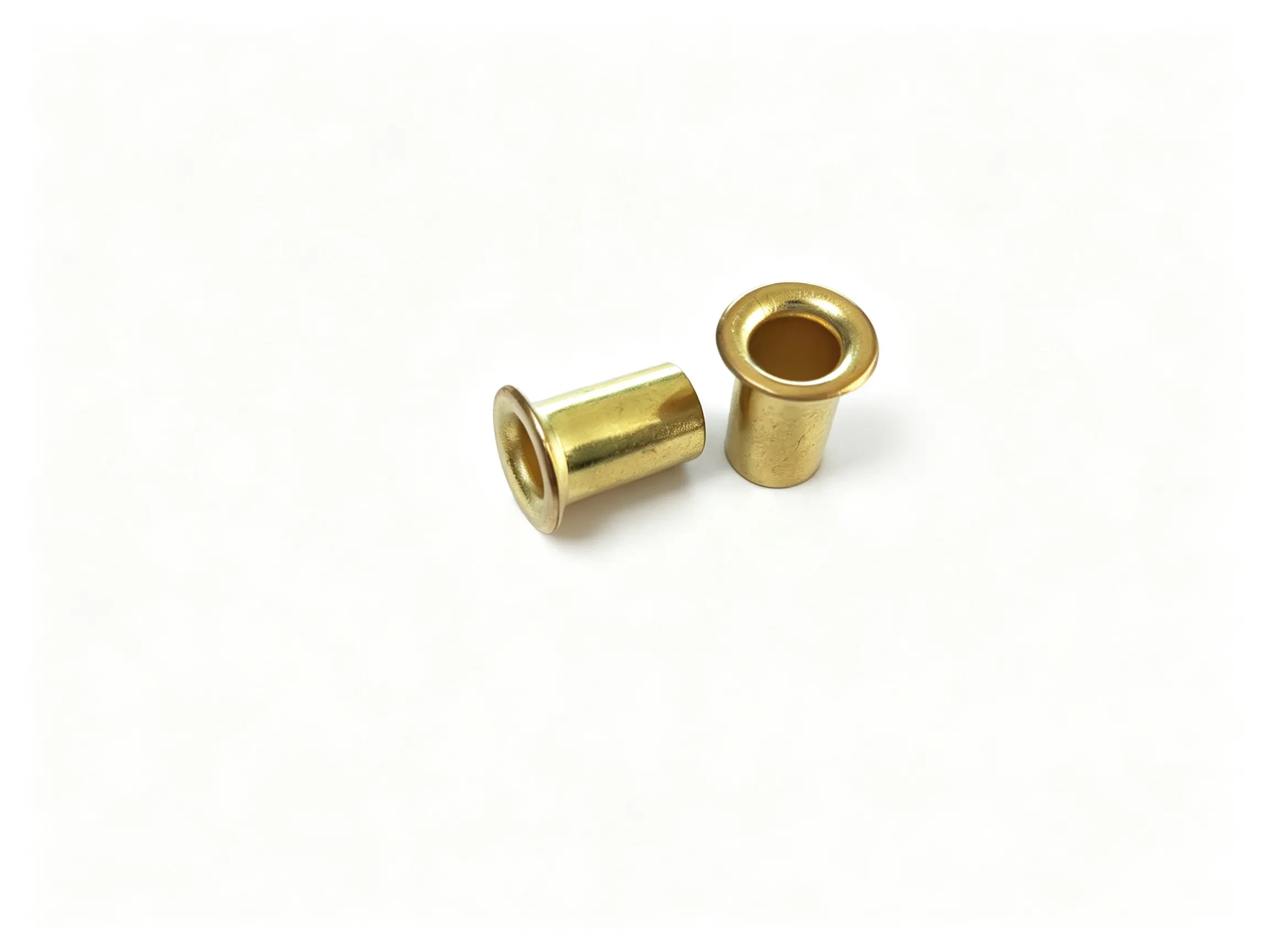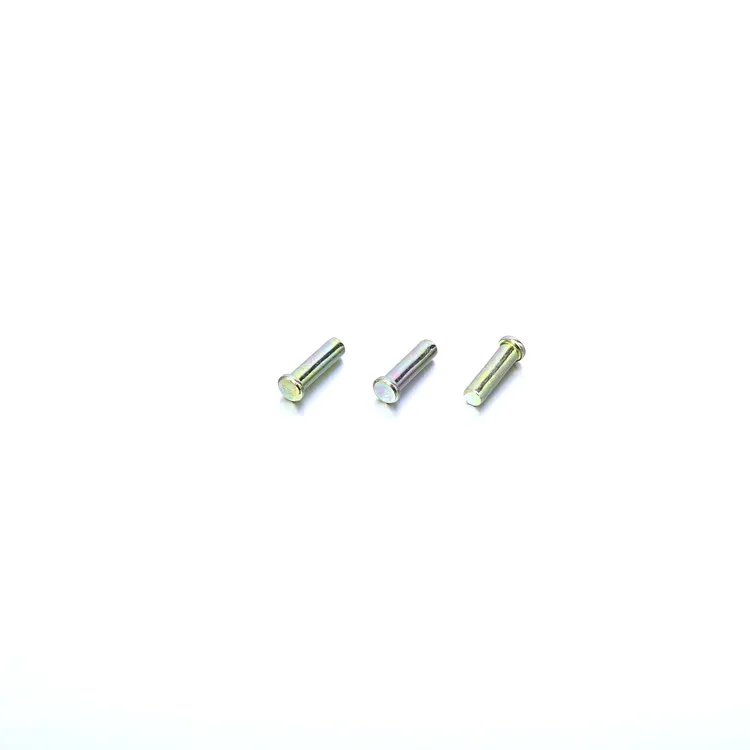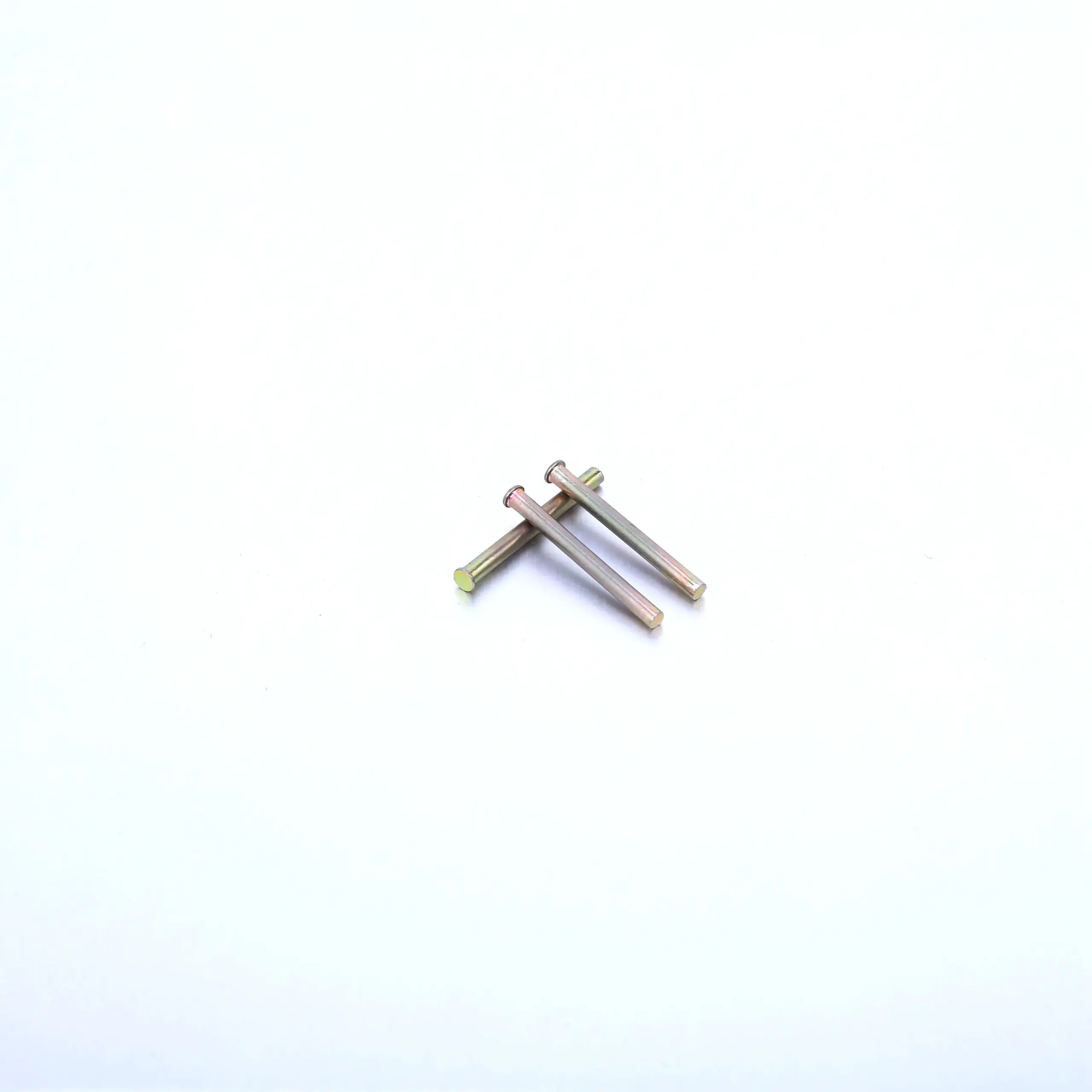


Semi-tubular rivets combine a formed head with a short hollow section at the tail. During setting, the hollow tail is rolled or flared to clamp the workpiece while the solid portion of the shank supports the joint. This construction is useful for compact, permanent assemblies that need a neat head and a controlled, low-profile fastening point.
Construction and working principle
The rivet is selected around the joint thickness, hole size and required head style. The short hollow tail is the setting feature; it is not a through-hole for a pin or wire. The set height, shank diameter and hole clearance should be checked together, because an incorrect grip length can leave the joint loose or distort the head and tail.
Semi-tubular rivets are often considered when a solid rivet would require more setting force or a larger installation footprint. They are not automatically interchangeable with solid rivets: load direction, vibration, material thickness and the intended degree of movement all need to be reviewed.
Typical applications
Typical uses include small hinges, linkage assemblies, electrical and switch components, appliance parts, hardware fittings and light-duty mechanical joints. The rivet is usually a good fit when both sides of the assembly can be reached during installation and the joint is intended to remain assembled.
Customization options
Drawing-led production can review head shape, shank diameter, grip length, tail geometry, material, surface finish and packaging. When a sample is available, the head profile and the installed tail should be inspected together rather than treating the unset rivet as the complete specification.
Material and finish selection
Material selection should follow the working environment and the required appearance. Carbon steel may be considered for general mechanical assemblies where a suitable protective finish is specified. Stainless steel may be relevant where corrosion resistance is a priority. Brass and aluminum may be considered where their appearance, conductivity or forming behavior suits the application. The final base material and coating must be confirmed against the drawing and service conditions.
How to specify a semi-tubular rivet
- Provide a drawing or sample showing the head, shank, tail and installed condition.
- State the hole diameter, total stack thickness and required grip range.
- Specify the base material and finish, including any color or corrosion requirement.
- Describe the application, annual quantity and packaging requirement.
FAQ
What is the difference between a semi-tubular and a solid rivet?
A semi-tubular rivet has a short hollow section at the tail that is flared during setting. A solid rivet has a solid shank. The correct choice depends on joint design, available setting force and the required finished joint.
Can a semi-tubular rivet be used as a pivot?
It may be suitable for some pivot-style assemblies, but the bearing surface, required movement and installed tail must be reviewed. Do not assume a standard flared joint will provide a controlled pivot without checking the application.
What should be included in an RFQ?
Send the drawing or sample, material and finish requirement, hole and stack dimensions, expected quantity and any inspection or packaging requirement. If the installed joint is critical, include a photo or sample of the mating parts.
For related construction options, compare semi-tubular rivets with stainless steel semitubular rivets and large stainless steel semi-tubular rivets.