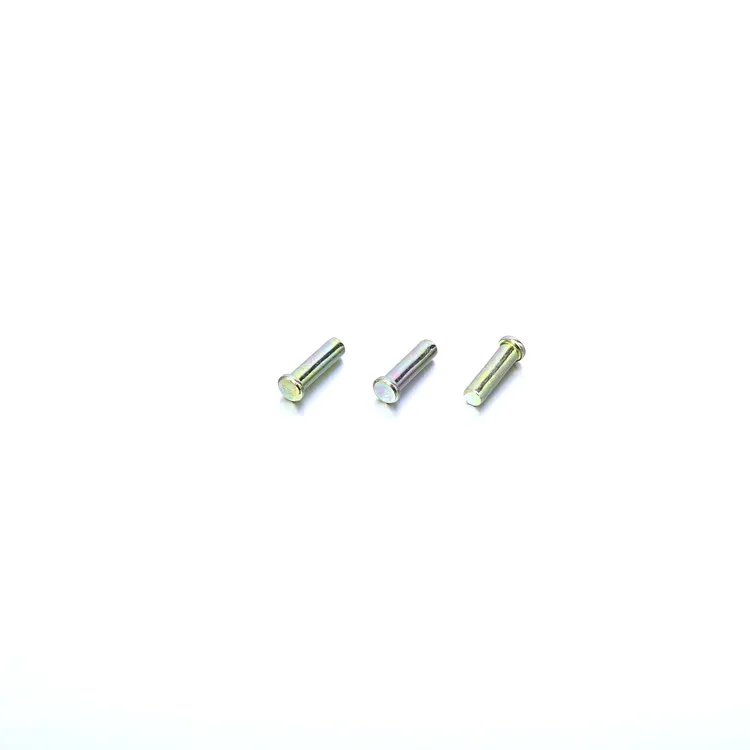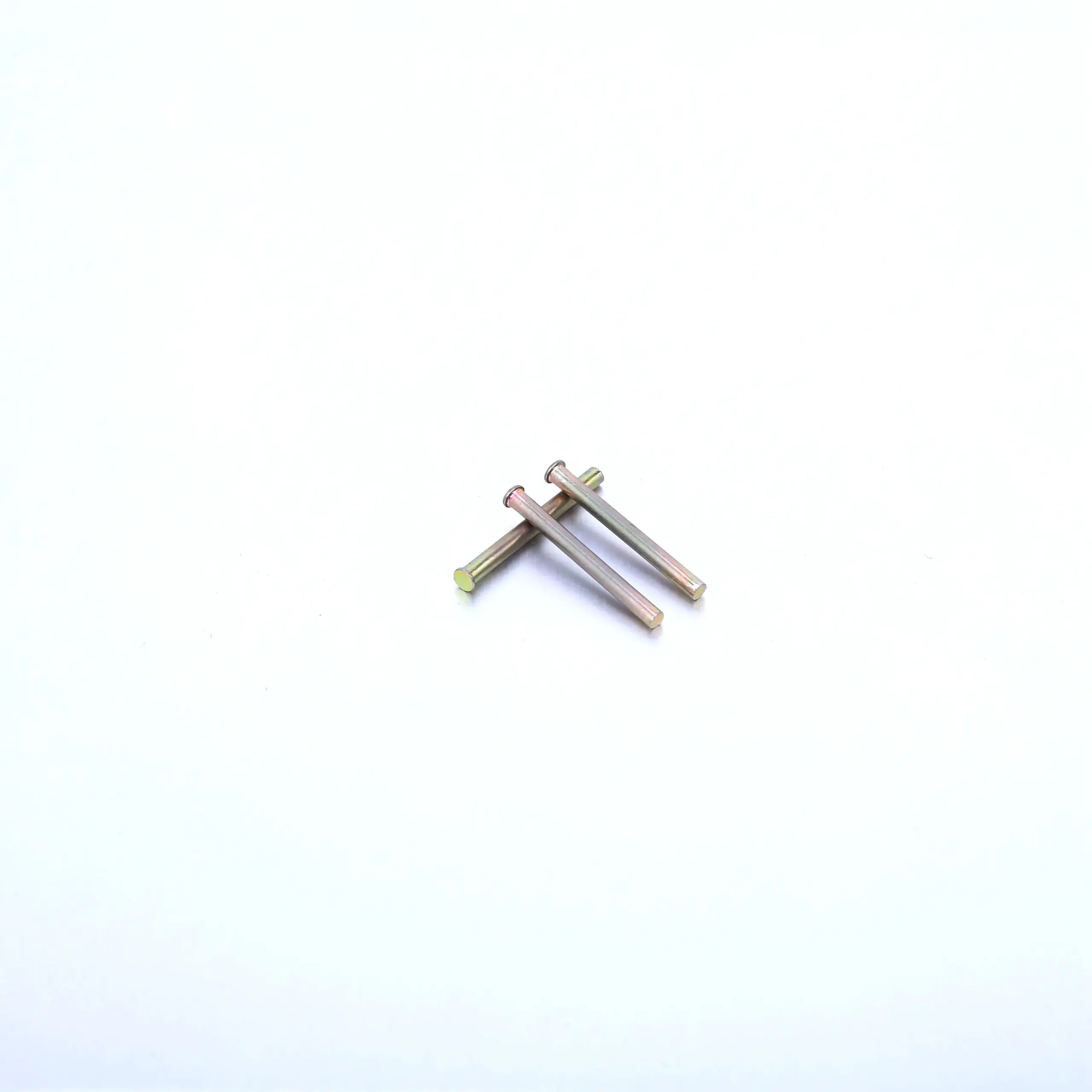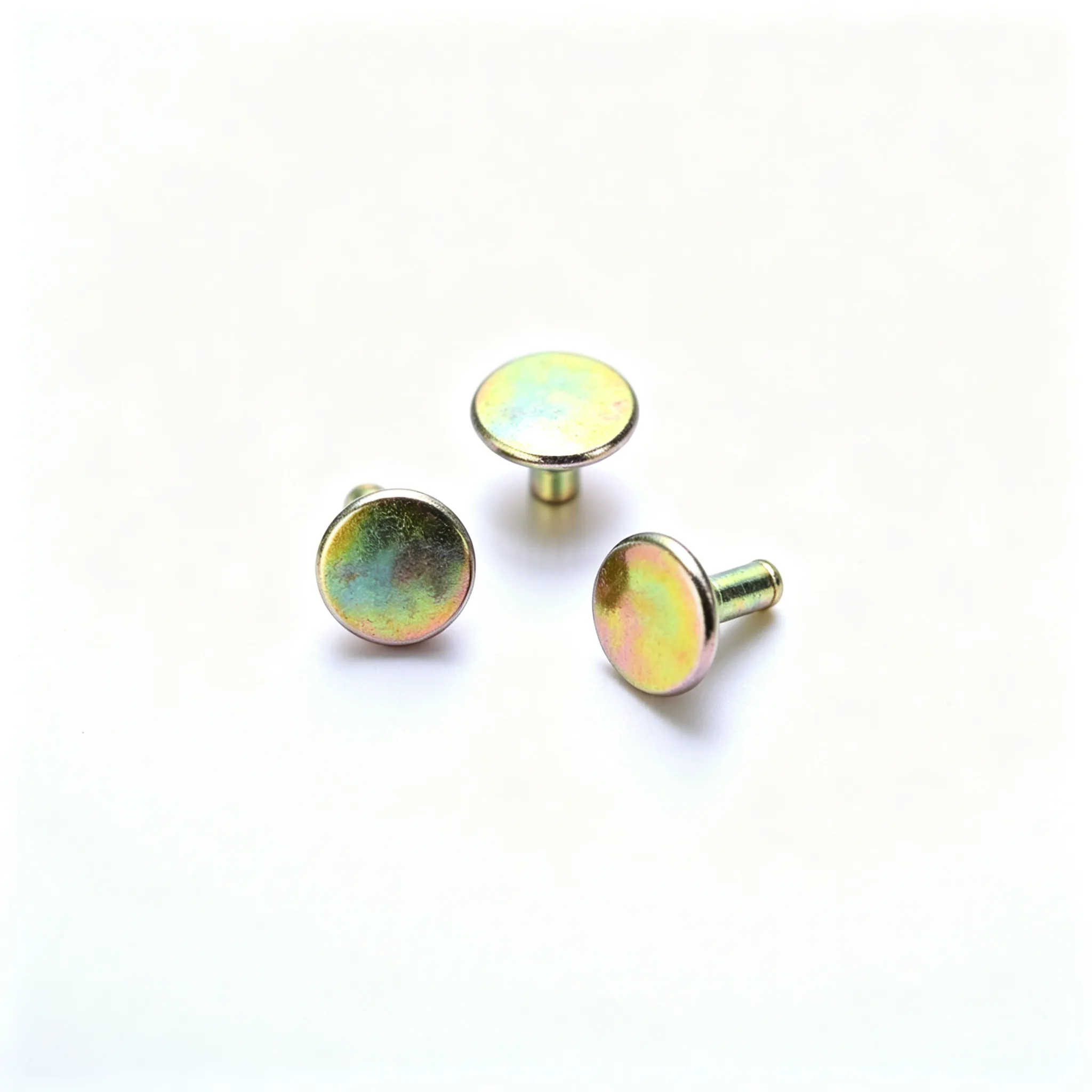


Small stainless steel semi-tubular rivets are compact headed fasteners with a short hollow setting tail. Their small footprint makes hole position, stack tolerance and tool access especially important: a minor change in shank fit or grip length can be significant when the joint itself is miniature. Stainless steel is selected for the service environment, not simply to make the part look bright.
Construction and working principle
The rivet has a formed head, a small-diameter shank and a hollow tail that is rolled or flared during setting. The tail volume must match the available space in the joint, and the head must be large enough to bear on the workpiece without pulling through. In small assemblies, burrs, hole misalignment and inconsistent sheet thickness can have a greater effect on the installed result than they would on a larger rivet.
Typical applications
Small stainless semi-tubular rivets may suit miniature hinges, electrical components, switch assemblies, small panels, instrument hardware, appliance parts and compact mechanisms. They can be considered where corrosion resistance, a clean surface or compatibility with stainless mating parts matters. The application should still be reviewed for load, movement, vibration and service access.
Miniature joint considerations
Check the head clearance around nearby components, the minimum edge distance and the ability to support the workpiece during setting. Very small parts can be difficult to feed or hold consistently, so packaging and handling should be discussed with the production quantity. If the joint needs to pivot, state the required rotational clearance and bearing area rather than assuming a standard set will provide it.
Stainless material and finish
Define the stainless grade, surface condition and any magnetic or corrosion requirement. The forming behavior of the selected grade and the condition of the tail are important because a material that performs well in service may still be unsuitable for the available setting process. Review the installed sample for cracking, distortion or marking before approving a production lot.
How to specify a small stainless semi-tubular rivet
- Provide the head, shank, hollow depth and overall length on a drawing.
- State the hole size, stack thickness and required tail form.
- Confirm the stainless grade, surface condition and service exposure.
- Describe the setting equipment, handling method and expected quantity.
FAQ
Are small semi-tubular rivets suitable for high-volume assembly?
They can be, but feeding, tooling, part orientation and inspection should be reviewed for the specific size and joint. Do not assume a manual sample result will transfer directly to automated production.
Can a small rivet be used in a plastic part?
The possibility depends on the plastic, hole design, load and setting method. The workpiece must tolerate the forming force without cracking or excessive deformation.
What should be included in an RFQ?
Send the drawing or sample, hole and stack dimensions, stainless grade, setting method, annual quantity and packaging requirement.
Explore the Semi-tubular Rivets category, or compare stainless steel semi-tubular rivets and large stainless steel semi-tubular rivets.