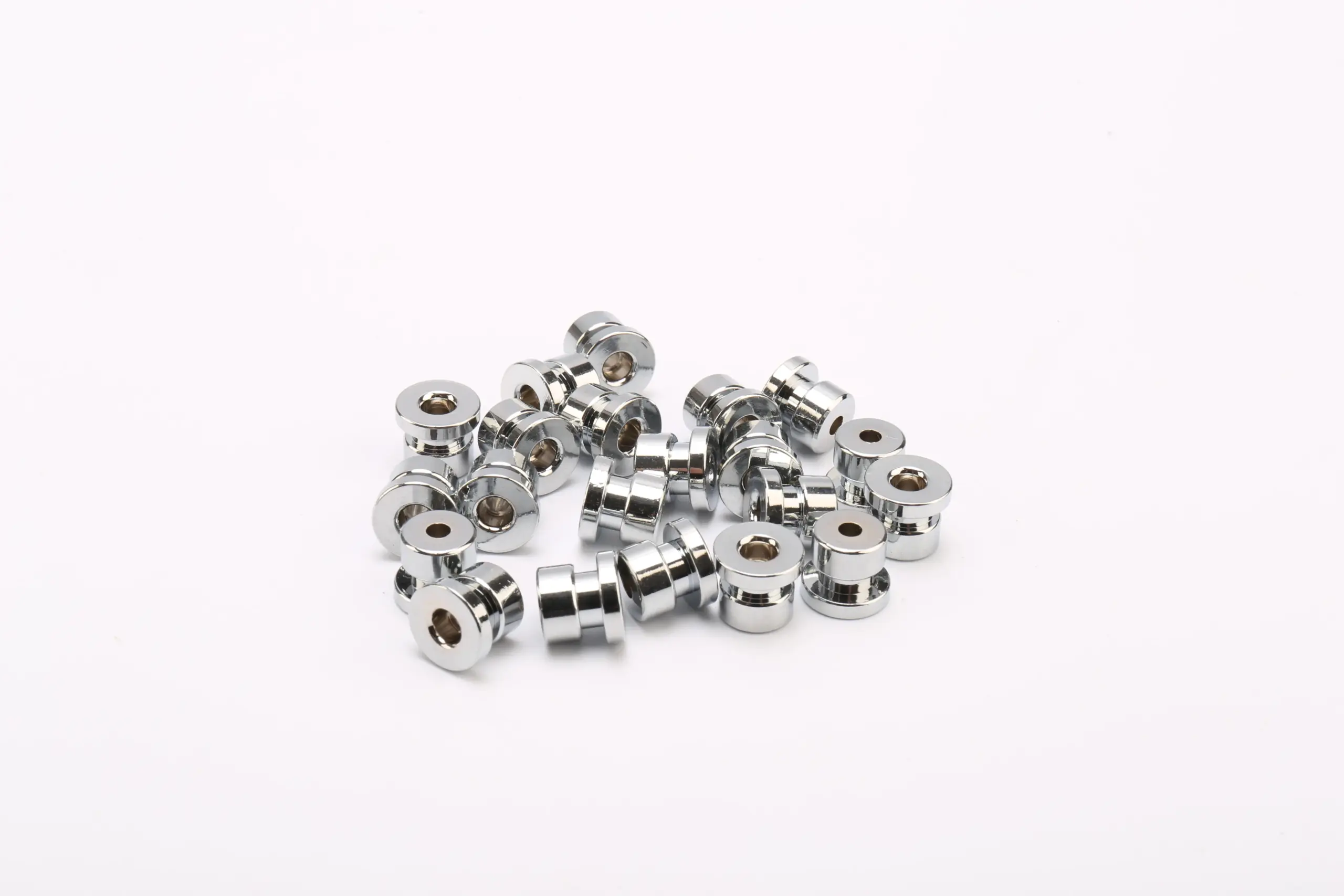
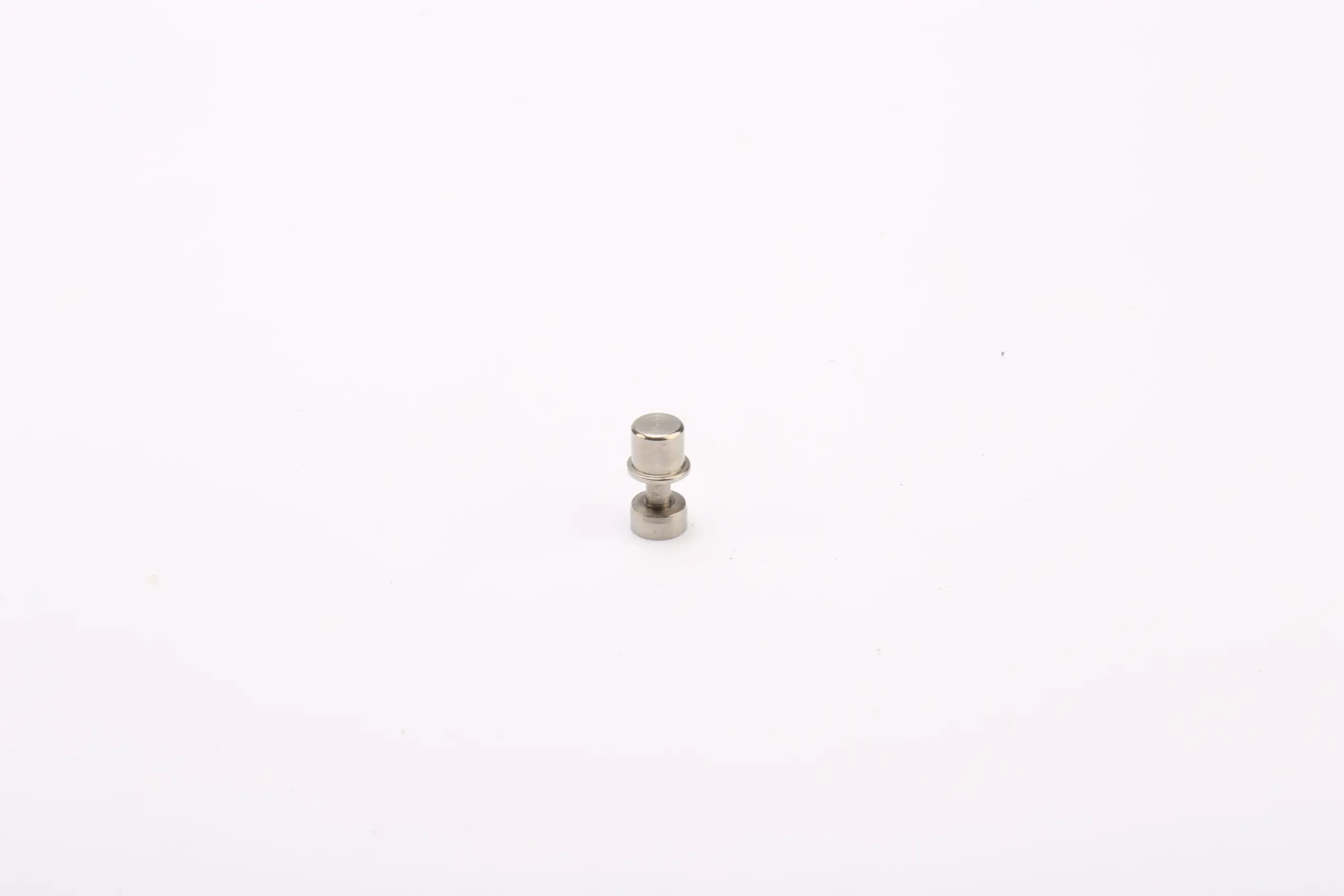
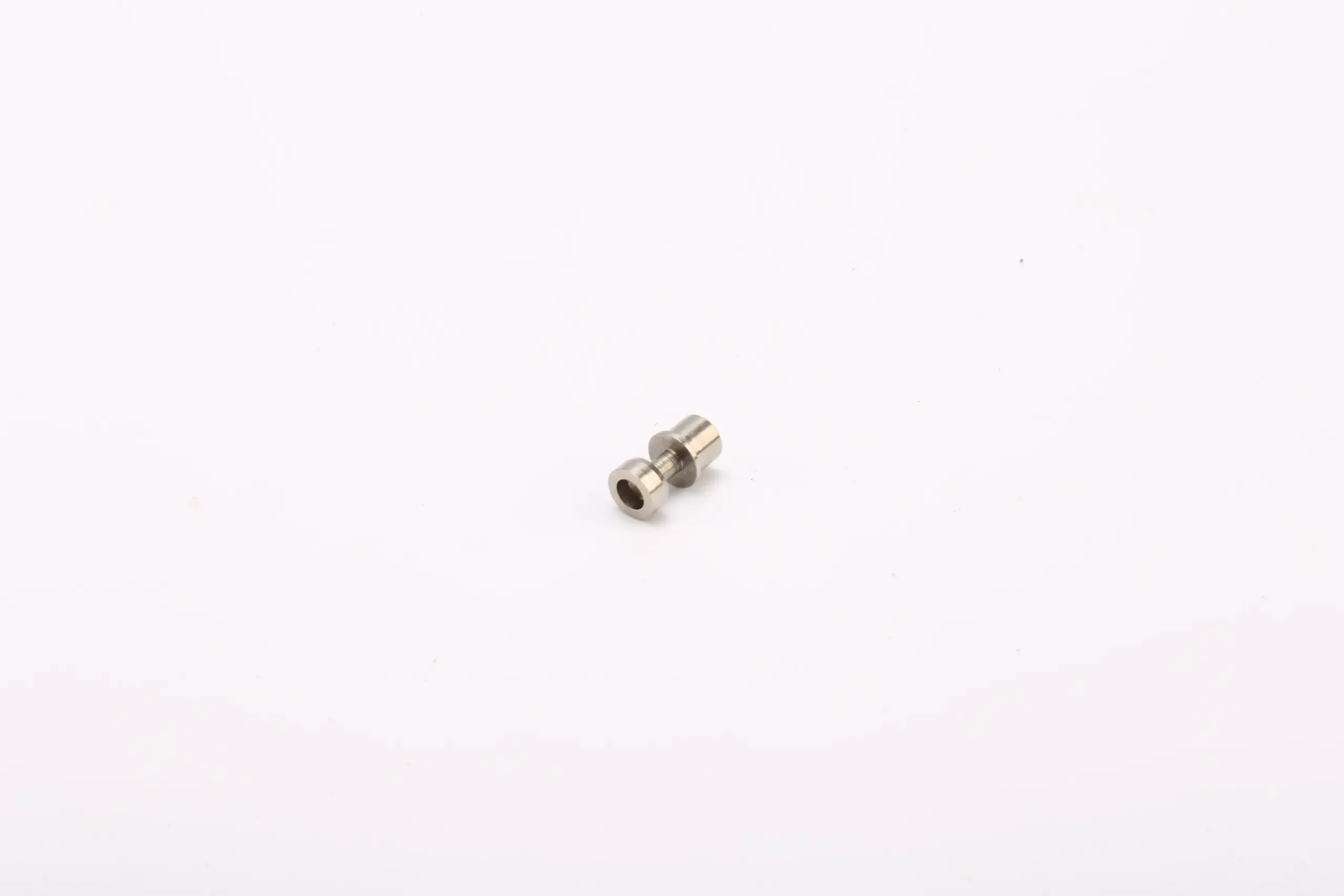
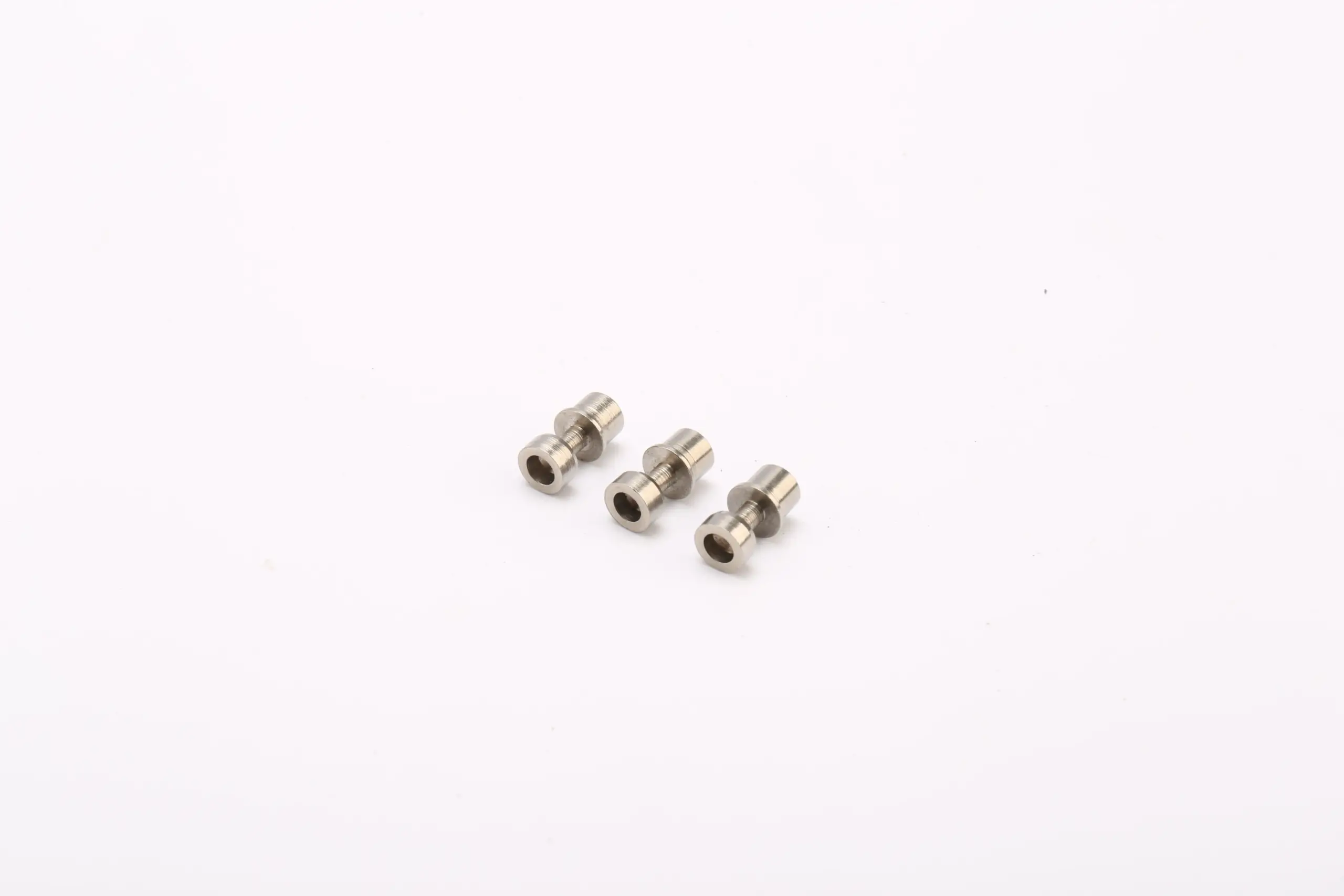
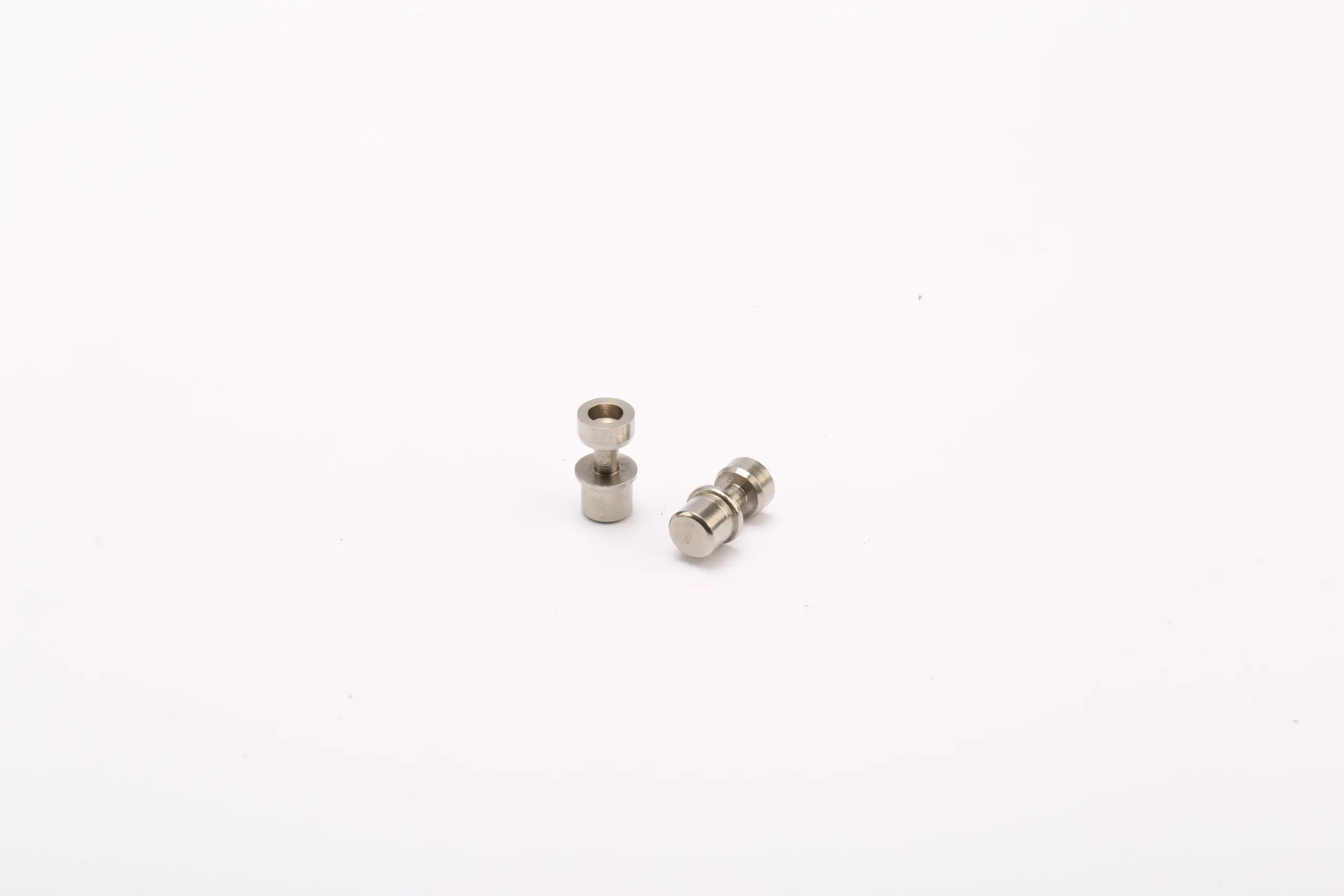
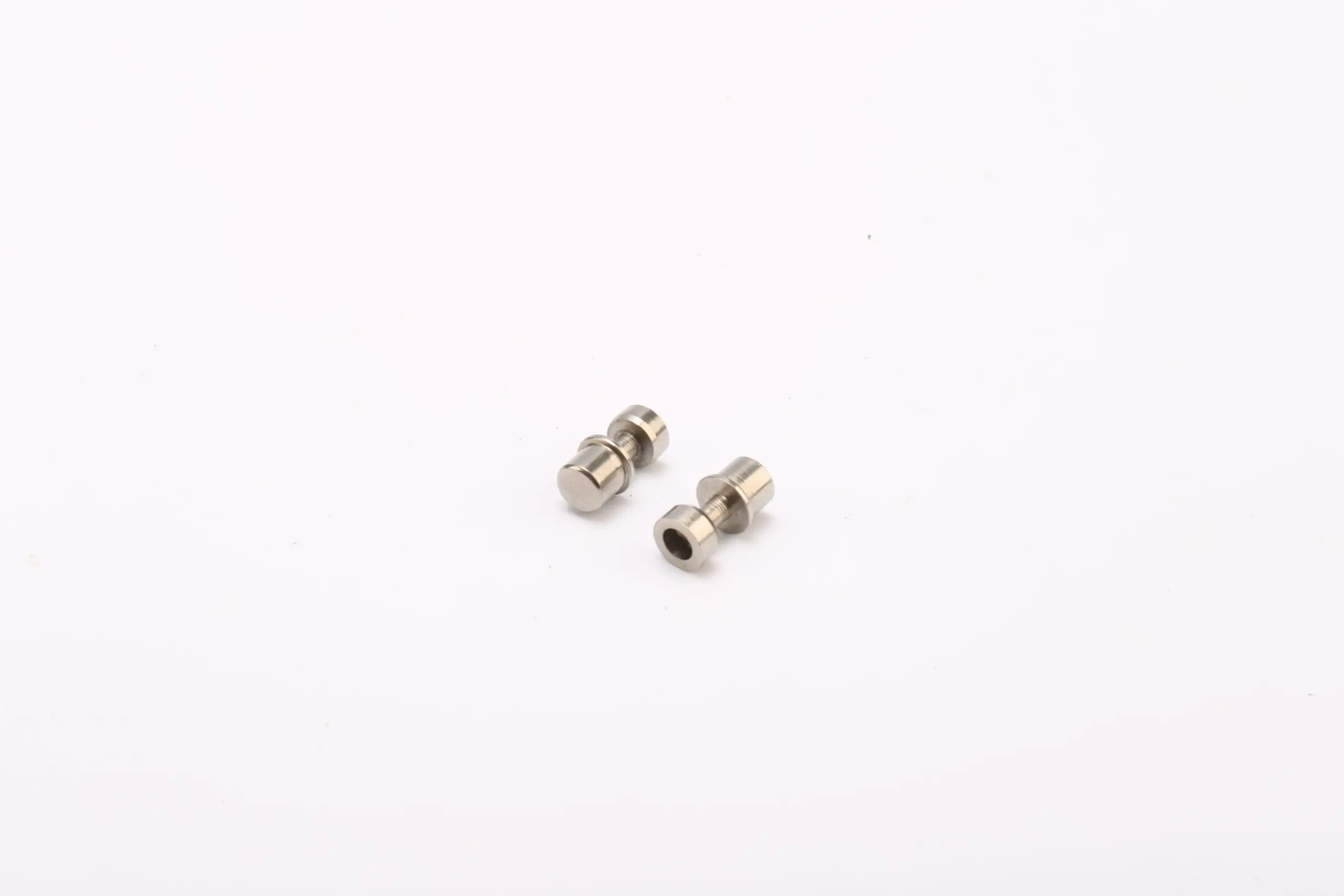
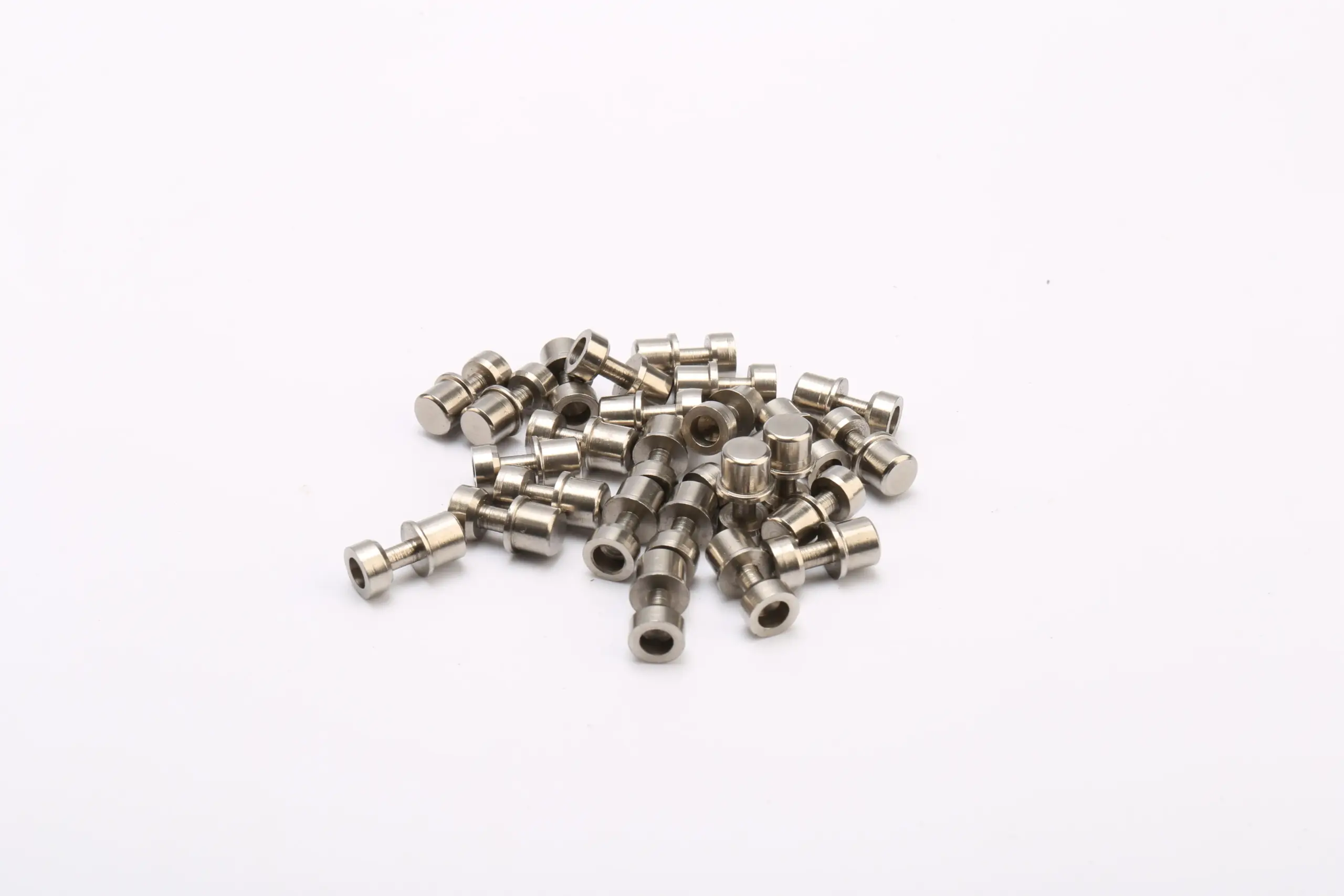
Stainless steel hardware accessories are small components for equipment, fixtures and general assemblies where a clean stainless finish is useful. The gallery shows compact silver-colored pieces with steps, bores and external profiles. The title identifies the material family, but the grade, finish and exact geometry still need to be confirmed for the application.
Accessory geometry and fit
These accessories may act as spacers, inserts, pins, sleeves or retaining parts. The gallery shows several small shapes, so the first task is to identify the mating interface. Measure the bore, outside diameter, step and length that control the assembly. A clean stainless appearance does not compensate for a poor fit.
The photographs are useful for seeing the general form, but they do not provide a scale or a tolerance. If the part is used in a close-fitting mechanism, confirm the dimensions on a drawing or a measured sample. Check the end condition and any internal bore for burrs.
Where stainless accessories are considered
The application should identify whether the component is visible, moving or load-bearing. A visible part needs an appearance standard; a moving part needs clearance and wear review; a load-bearing part needs a defined load path. The same small shape can require different inspection priorities.
Stainless grade and finish
Stainless steel is a family of materials. Confirm the grade, condition and surface finish required for the service environment. The gallery shows a bright silver color, but that does not establish the alloy or passivation. If the part will be cleaned with a particular chemical agent, include that in the inquiry.
Check the functional surfaces after finishing. A coating or passivation process should not close a small bore or round a locating edge. If the part is visible, define the acceptable scratches and polishing marks. Keep the approved sample protected from handling damage.
How to specify a stainless hardware accessory
- Provide a drawing or measured sample with the bore, step and outside profile.
- Define the mating parts, fit, retention and assembly sequence.
- State the stainless grade, finish, passivation and appearance requirement.
- Agree the inspection method, packing and production quantity.
Inspection and assembly checks
Inspect the bore and external features for burrs, debris and deformation. Check the part for straightness and confirm that the step or shoulder is concentric enough for the mating hole. If the part is supplied in bulk, look for mixed sizes and surface damage.
Trial the accessory in the actual assembly. Confirm that it seats correctly and that the joined parts do not bind. Check the visible finish under the intended lighting. If the part moves, inspect the bearing surfaces after a short run and compare them with the approved sample.
FAQ
Is stainless steel automatically suitable for every environment?
No. The grade, finish and service conditions matter. Provide the exposure details so the material can be reviewed.
Can the part be supplied with a different finish?
A different finish may be possible, but it must be specified as a drawing requirement. Do not infer the finish from the photograph.
What should be measured first?
Measure the features that control assembly: bore, step, outside diameter, length and end condition.
Browse the stainless steel hardware accessories category, or compare hardware spare parts and stainless steel small parts.