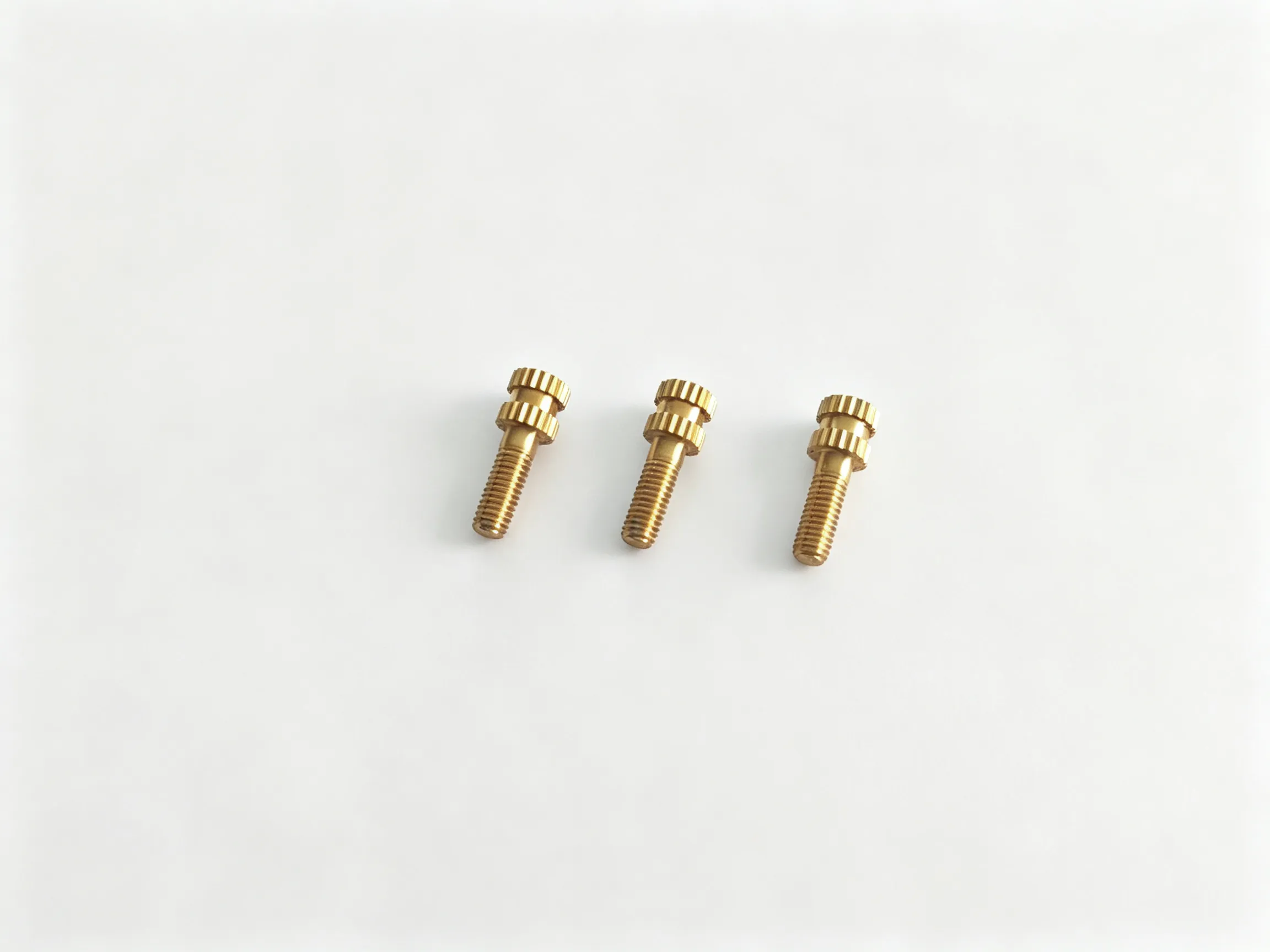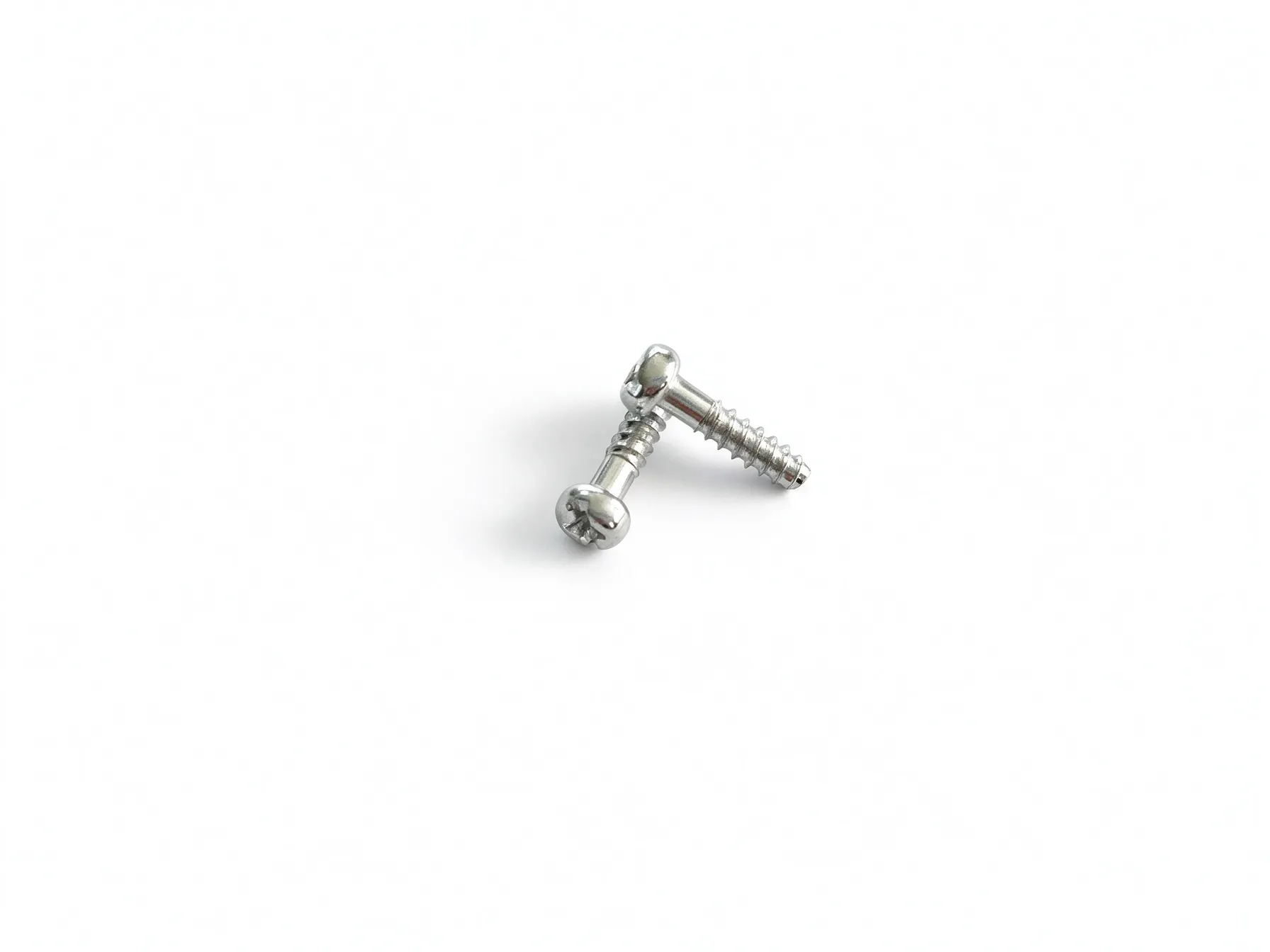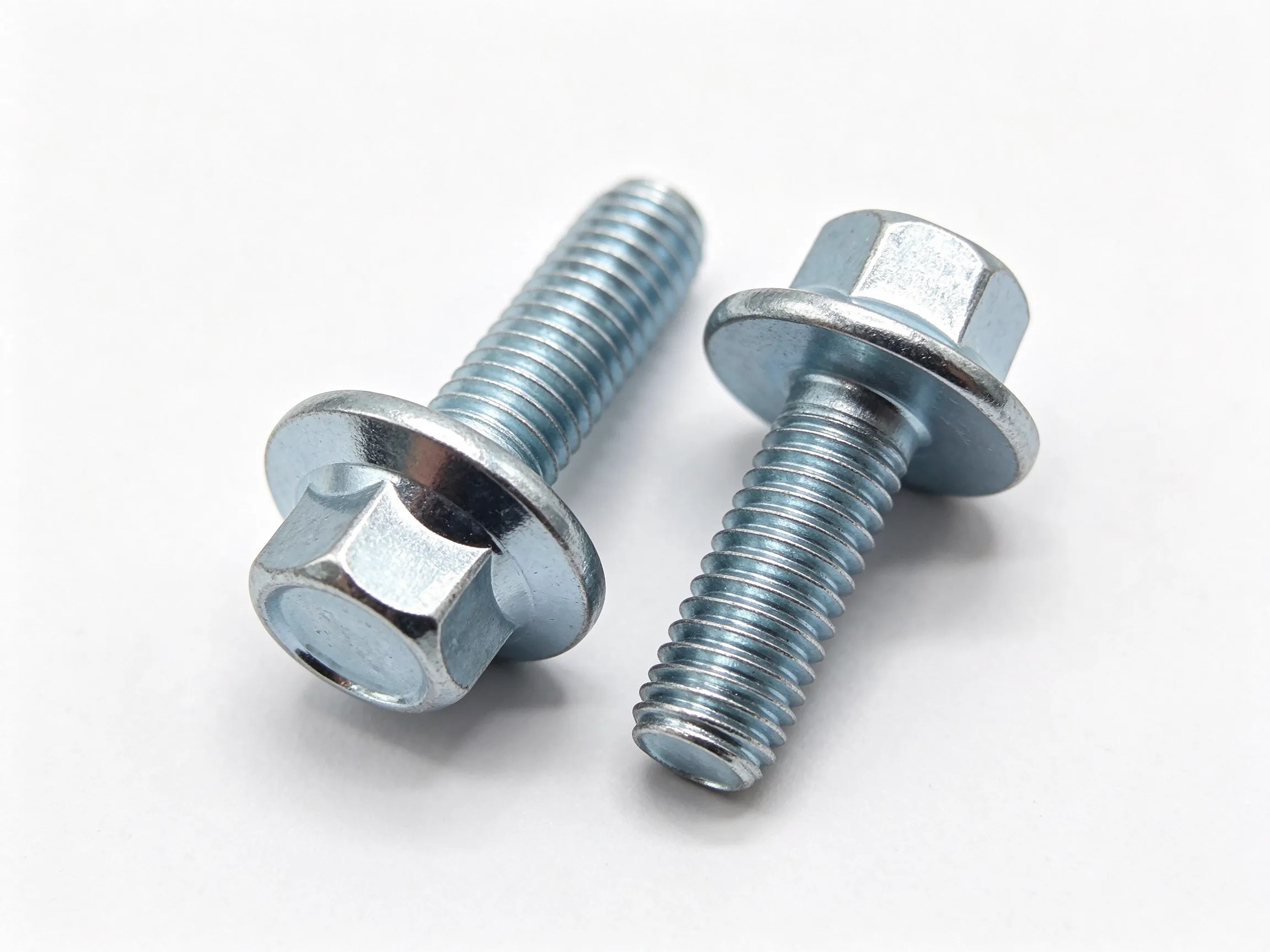


Stainless steel hollow screws with a through hole and extended shank for electrical, control and custom mechanical assemblies. The notes below focus on the features that need to be confirmed before a drawing is approved.
Through bore and extended shank
This stainless steel hollow screw combines an extended shank with an open bore. The bore can provide a passage or a mounting feature, but the drawing must define whether it stays empty, carries a pin or wire, or forms part of a fluid or cable route.
Begin with the interface that receives stainless steel hollow screws with hole. The mating bore, panel or bracket establishes which surfaces locate and which clear. A dimension that is correct on the screw can still fail at that interface.
Passage and mounting use
The bore diameter, straightness and edge condition should be dimensioned from the same datum as the thread. An extended shank can amplify a small bend or burr, so check that a mating pin or wire can pass through the full length without catching.
Use functional lengths for stainless steel hollow screws with hole rather than overall length wherever possible. The distance from the seating face to the first thread, the length of a locating step and the depth of a bore all describe how the part behaves in the assembly.
Thread and seating
The external thread and the internal bore perform different functions. Confirm the thread size, pitch and usable length, then identify the head or shoulder that seats. Do not assume that the wall thickness is sufficient for every installation load just because the part is called hollow.
Define the assembly orientation for stainless steel hollow screws with hole and the surfaces that must remain accessible. If the part can be installed in more than one direction, say how the correct orientation is recognized and whether the thread or a keyed feature prevents reversal.
Material and finish
Stainless steel is a family of grades. State the grade, surface condition and any passivation or coating requirement. Confirm that the bore and thread are inspected after finishing and that the selected grade suits the service environment.
When stainless steel hollow screws with hole will see moisture, cleaning agents or a different metal, state the exposure rather than selecting a finish from color alone. Functional surfaces such as threads, bores and locating diameters may need different protection from cosmetic surfaces.
Installation checks
Trial the screw with the intended pin, wire or passage connection. Check that the part starts by hand, seats at the intended face and leaves the bore clear. Inspect the bore ends for burrs and the shank for bending or ovality.
Production inspection of stainless steel hollow screws with hole should follow the functions that control assembly. Check the locating features, the thread or bore and the seating face, then add the visible edge and surface checks that matter for the finished part.
FAQ
Is the bore always a fluid passage?
No. It may carry a wire, pin or another component. The drawing and application must state its purpose.
Can the bore be drilled after plating?
That depends on the approved process. Machining after coating can expose the substrate and must be specified.
What should be checked first?
Check bore clearance, straightness, thread engagement and the seating face together.
Browse the screws with hole category, or compare brass screws with hole and flat-head screw with a hole.