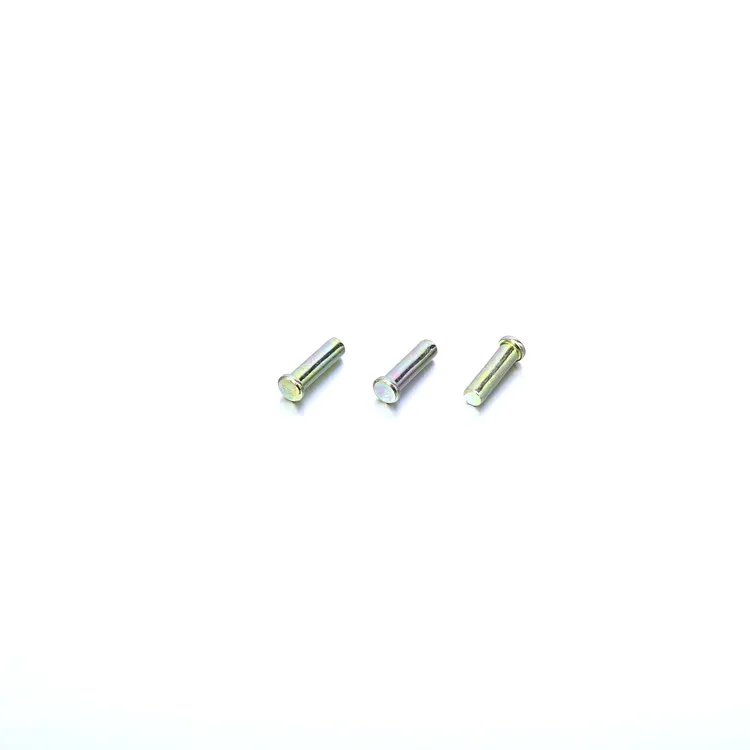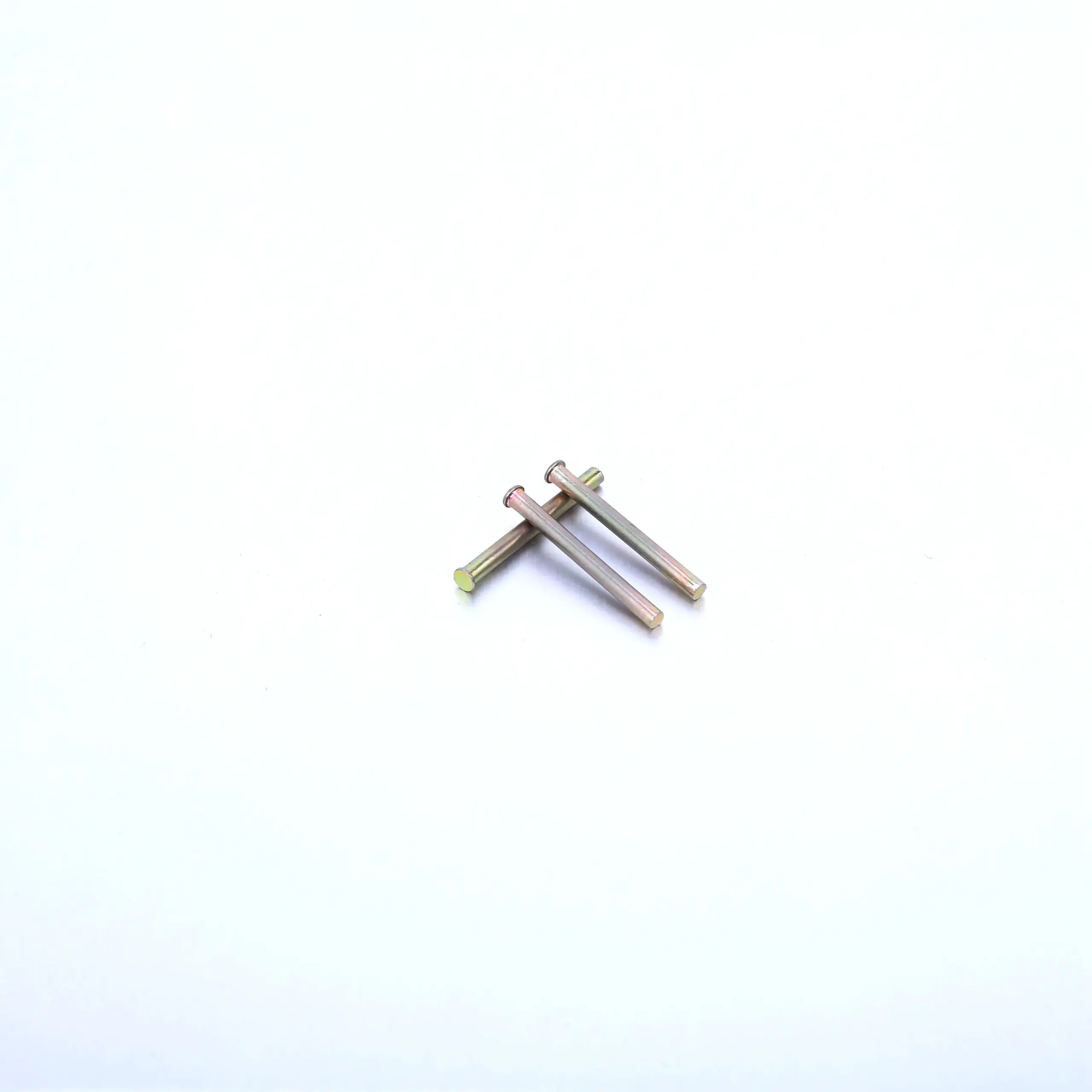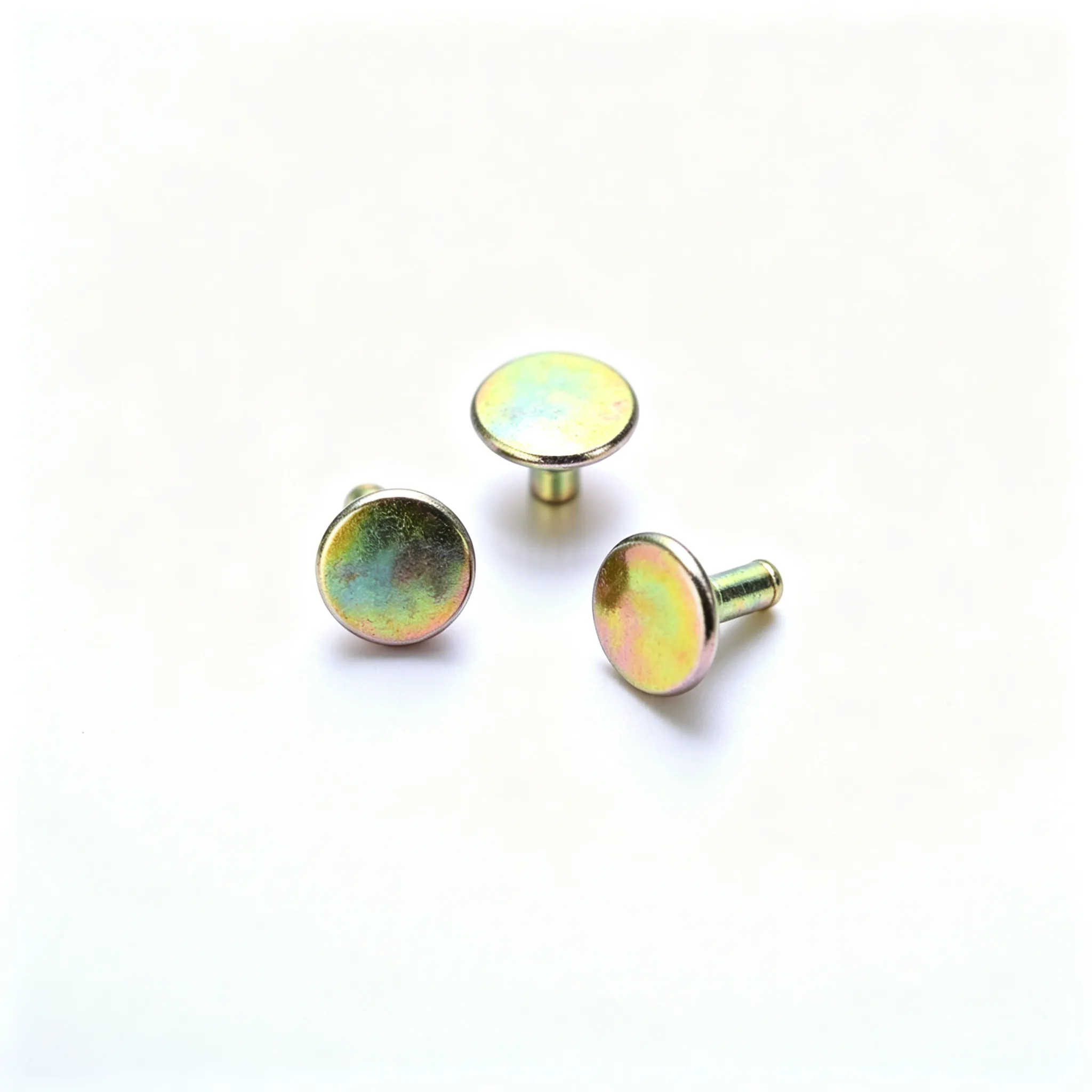


Internally threaded copper rivets combine a headed outer body with a threaded bore, giving an assembly a built-in female thread instead of a separate nut. The gallery shows a flat bearing head, a hollow cylindrical body and an open threaded end. The part is best treated as a drawing-led attachment component: the visible shape suggests a family, while the thread, bore depth and material still require confirmation.
How the head, body and thread work together
The gallery includes parts shown from the head end and from the open end. That is useful for confirming the presence of an internal thread, but it does not establish thread size, pitch, usable depth, concentricity or the strength of the finished part. Those details belong on the drawing or in a sample-approved specification.
Where a threaded copper rivet may fit
Do not assume that every copper-toned rivet is electrically suitable or that the thread can carry a particular load. The base material, thread form, plating and contact requirements need separate review. For an electrical application, identify the conductive surfaces and any mating material that must be compatible with them.
What the photographs do not establish
The photographs show color and general proportions, but color alone does not identify copper, brass, bronze or a plated substrate. They also do not show thread class, minor diameter, thread depth, under-head radius, body wall thickness or the condition of the bore after finishing. A bright appearance should not be read as a coating specification.
If the rivet is intended to be set, pressed, staked or otherwise deformed, ask for the intended installation method before selecting a sample. A hollow threaded body can behave differently from a solid threaded insert, especially when the surrounding material is thin or the mating screw is tightened repeatedly.
How to specify an internally threaded rivet
- Show the head profile, outside body diameter and body length on the drawing.
- Define the internal thread, thread depth, bore entry and the mating screw or stud.
- State the workpiece thickness, hole fit and the surface that should carry the head load.
- Identify the base material, finish, quantity and any electrical or appearance requirement.
Material, finish and assembly checks
Confirm the material and finish as separate requirements. Check the thread after coating or plating, because a finish can affect a close-fitting male thread. Inspect the head bearing face, the open end and the thread start for burrs or damage that could prevent proper engagement. The drawing should state which surfaces are functional and which are cosmetic.
FAQ
Is an internally threaded rivet the same as a rivet nut?
Not necessarily. The page title and gallery describe a headed copper rivet with an internal thread. A rivet nut is a broader category with different body and installation designs. Confirm the intended installation method before substituting one for the other.
Can the thread size be selected from the photograph?
No. The image does not provide a reliable thread designation or usable depth. Supply the mating screw and drawing so the internal thread can be specified and inspected.
What should be included in an RFQ?
Send the drawing or sample, head and body dimensions, internal thread, workpiece thickness, mating screw, material, finish, quantity and any electrical-contact requirement.
Browse the internally threaded copper rivet category, or compare copper hollow rivets and stainless steel tubular rivets.