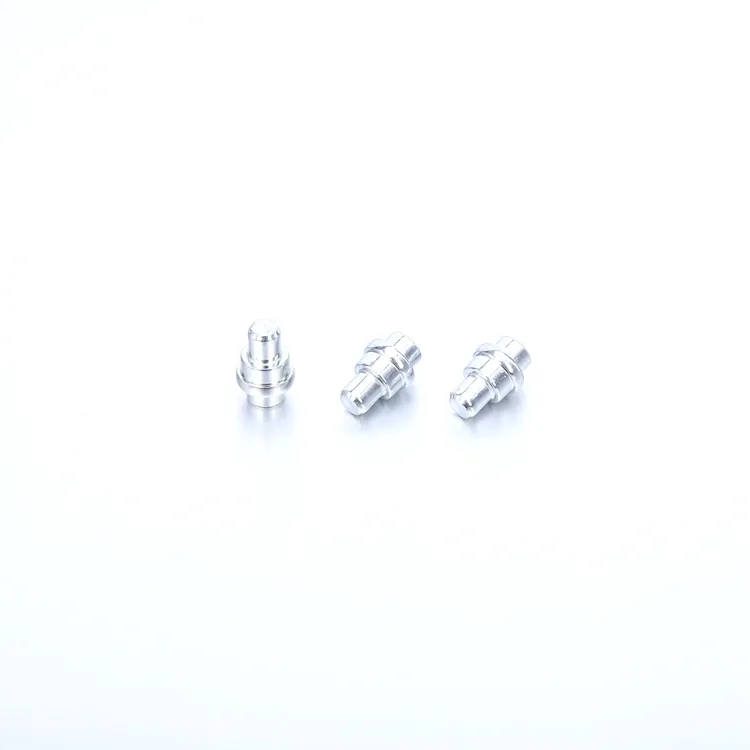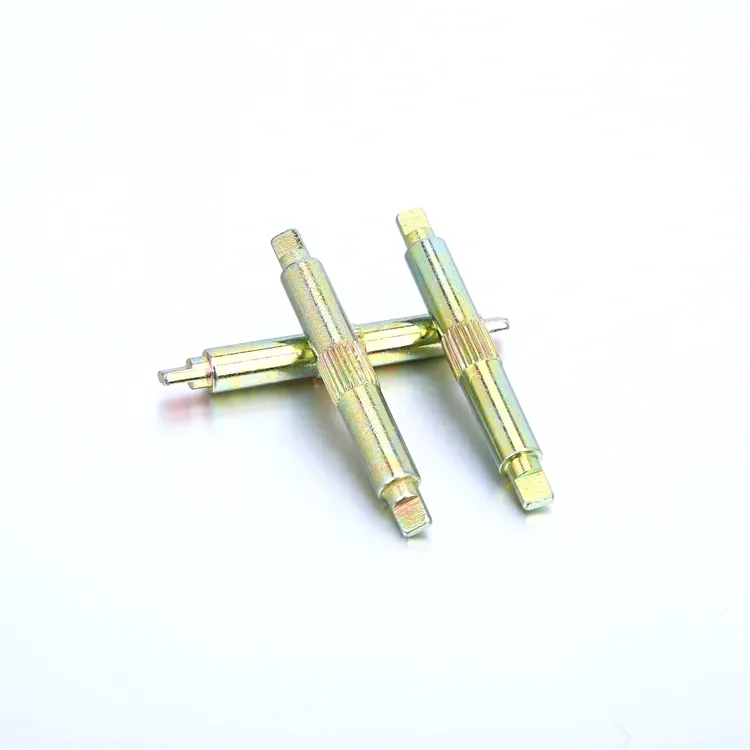


A fully threaded rod carries a continuous thread from end to end and has no plain shank between the threaded sections. It is a simple form, but the thread designation, end condition and straightness determine whether it can be cut, clamped or adjusted in a real assembly.
Continuous thread along the body
Because the thread runs along the full length, there is no unthreaded shoulder to use as a stop or bearing surface. The effective engagement depends on how far a nut or tapped component is advanced. The ends may be chamfered or left with a defined thread runout, and that detail should be shown rather than assumed from a photograph.
Clamping and adjustment layouts
Fully threaded rods can be used in tie and clamp arrangements, adjustable linkages, mounting frames and assemblies that need a threaded connection at more than one point. A rod passing through a clearance hole should be checked for thread damage at the hole edge. Where two nuts are used, their positions and the locked length belong on the assembly drawing.
Ends, cut length and thread continuity
A cut-to-length rod may need the cut end cleaned or chamfered before assembly. State whether the thread must remain continuous after cutting and whether a specific end finish is required. Do not assume that a standard thread length or a particular class of fit applies without identifying it on the order.
Specification inputs
- Provide the thread designation, diameter and overall length.
- Show the end preparation and any permitted thread runout.
- State the mating nut or tapped component and engagement length.
- Define material, finish, quantity and straightness checks.
Material, handling and inspection
Confirm the base material and coating as separate requirements. Threads should be inspected for burrs, damaged crests and debris before installation. During a trial assembly, check that the rod enters the mating thread freely by hand where intended and that the required adjustment range is available without bottoming.
When a threaded rod is cut or handled, protect the thread crests from clamping marks and shop debris. Confirm the cut end can start in the mating nut without cross-threading, and check that the required adjustment length remains usable after end preparation. If the rod passes through a frame, deburr the hole and provide clearance so the thread is not used as a bearing surface. Inspect thread continuity and straightness before the part is released to assembly.
FAQ
Is a fully threaded rod the same as a stud?
Not necessarily. A stud may have different end forms or thread lengths. The drawing and thread schedule define the part.
Can the rod be supplied cut to length?
Cut length can be quoted when the length, end preparation and thread requirement are stated.
How is the rod kept from loosening?
The locking method belongs to the assembly design. It may use nuts, washers or another specified feature.
Browse the fully threaded rod category, or compare hex socket pan head screws and stainless steel tubular rivets.