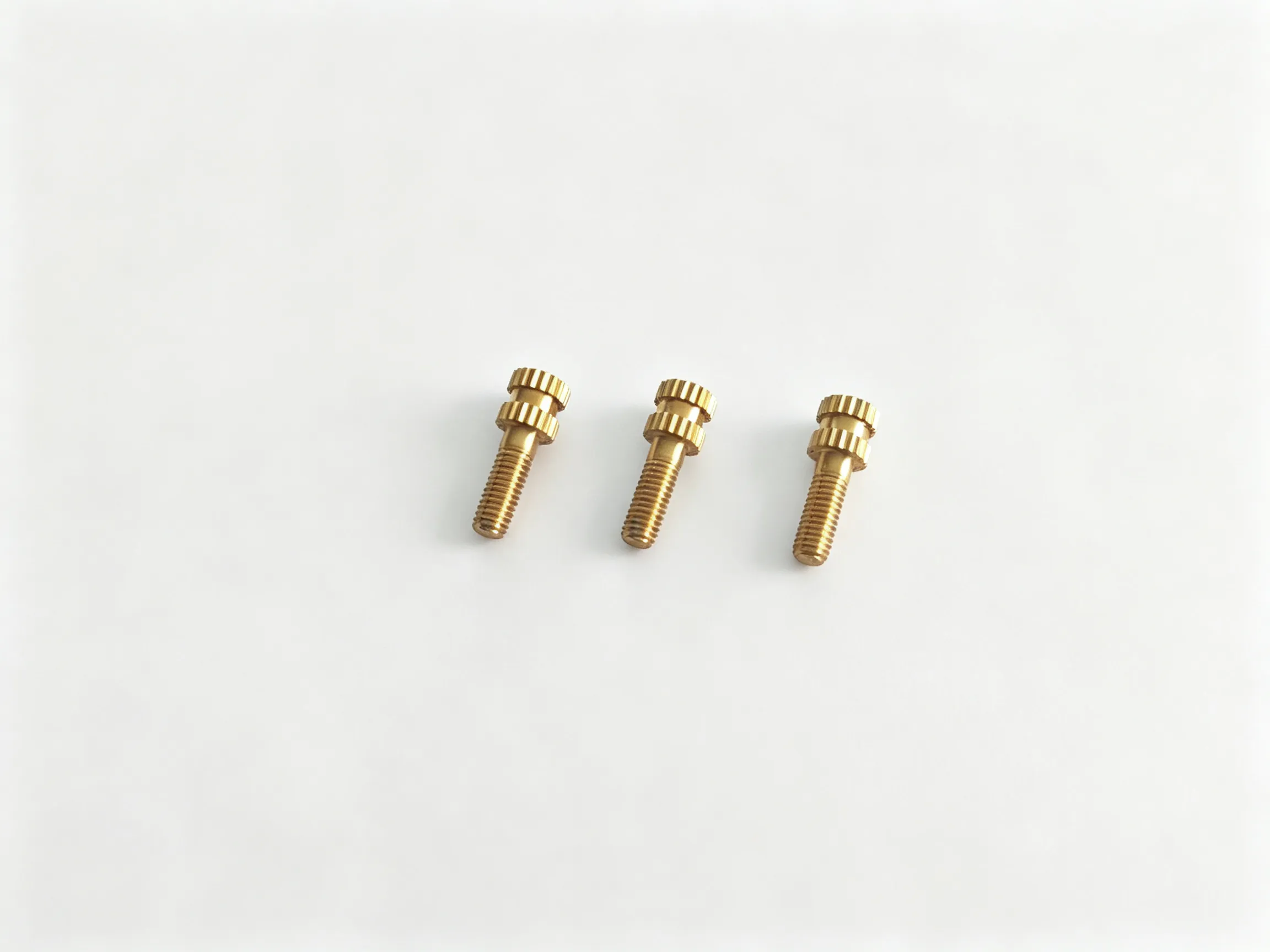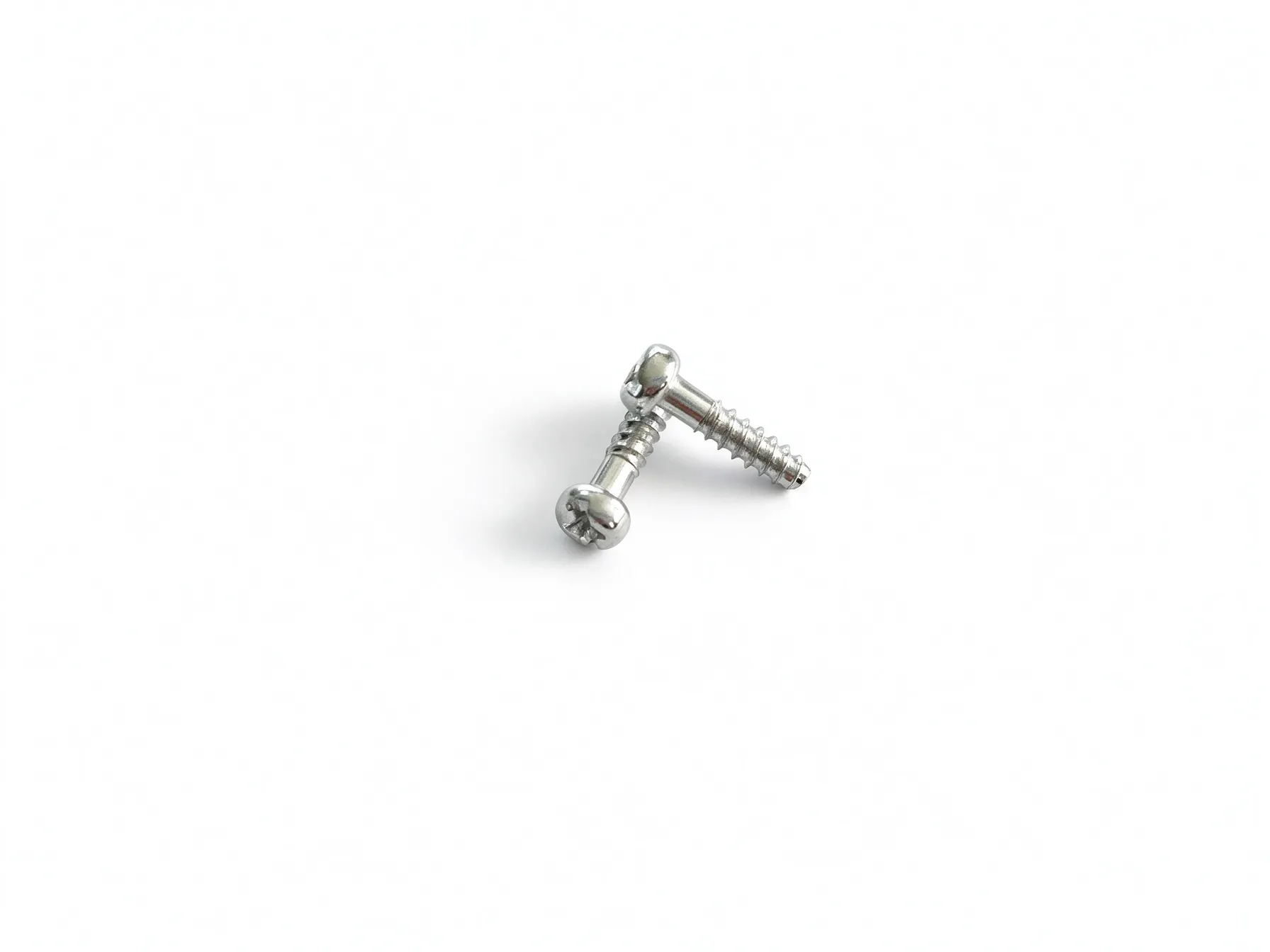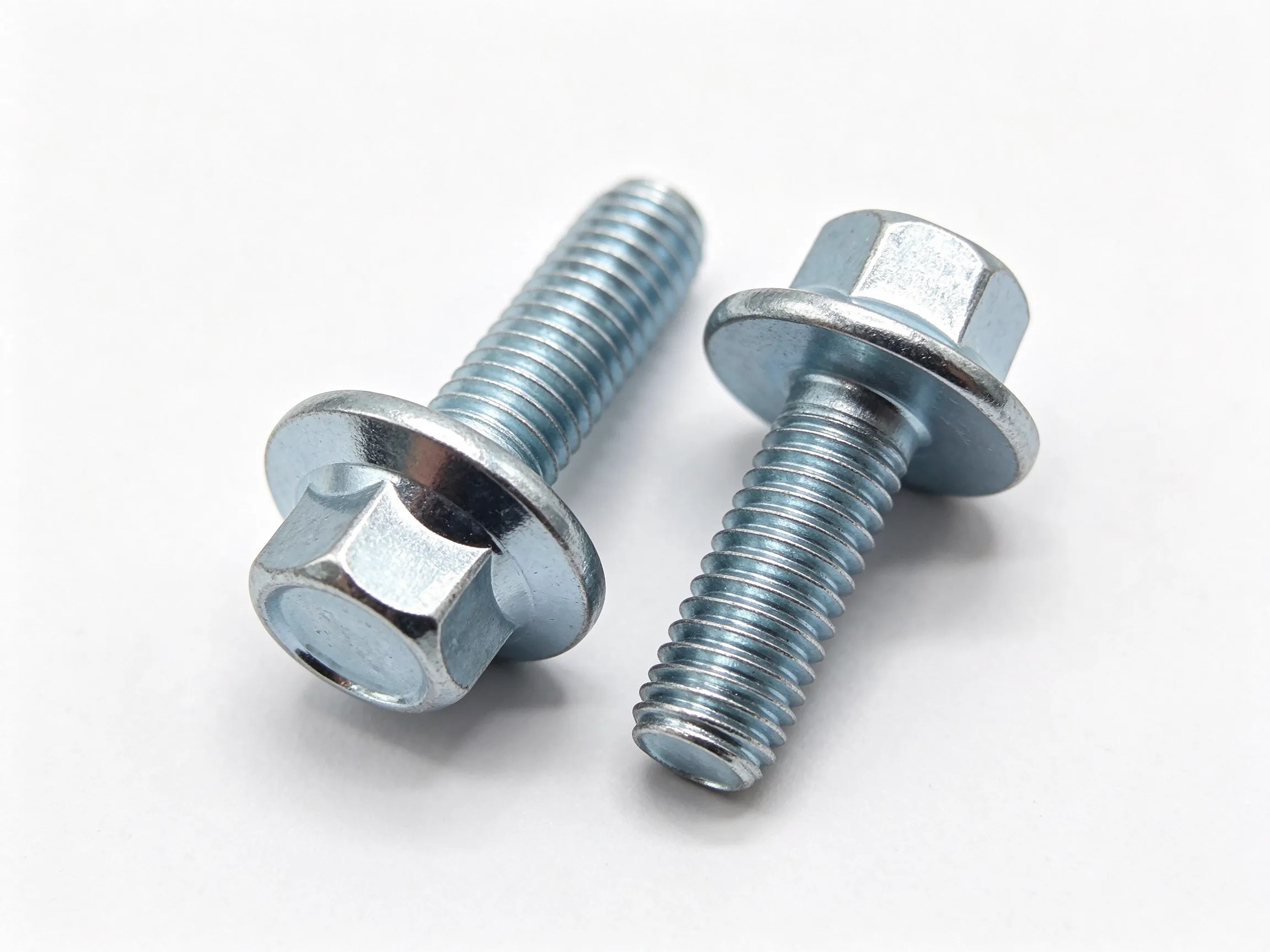


Customized screws produced to drawing or sample, with the head style, thread, material and finish selected for the application. The notes below focus on the features that need to be confirmed before a drawing is approved.
The drawing defines the screw
The selected screw may combine a standard drive with a non-standard head, shank or thread length, so the drawing should identify which feature is intentionally customized. A useful drawing shows the functional head profile, drive, thread, shank and any shoulder. It also identifies the surfaces that seat and the direction of assembly. A screw can match the thread yet still interfere with a cover or fail to clamp the stack.
Begin with the interface that receives customized screws. The mating bore, panel or bracket establishes which surfaces locate and which clear. A dimension that is correct on the screw can still fail at that interface.
Head and drive choices
The drive affects tool access and the available installation force. A recessed or small head may limit access, while a projecting head may interfere with a moving part. Select the drive and head together, then check the socket, bit or wrench against the surrounding structure.
Use functional lengths for customized screws rather than overall length wherever possible. The distance from the seating face to the first thread, the length of a locating step and the depth of a bore all describe how the part behaves in the assembly.
Thread, shank and seating
Confirm thread size, pitch, direction and usable length against the mating part. Show any plain or stepped shank because it changes where the screw seats. For a moving joint, define clearance and retention; for a fixed joint, identify the clamping faces and whether a washer is used.
Define the assembly orientation for customized screws and the surfaces that must remain accessible. If the part can be installed in more than one direction, say how the correct orientation is recognized and whether the thread or a keyed feature prevents reversal.
Material and finish questions
The title does not establish a steel grade, hardness or coating. State the substrate, finish, appearance and any contact with dissimilar materials. If the part is plated, define whether critical dimensions apply before or after finishing and protect the drive from coating buildup.
When customized screws will see moisture, cleaning agents or a different metal, state the exposure rather than selecting a finish from color alone. Functional surfaces such as threads, bores and locating diameters may need different protection from cosmetic surfaces.
Prototype and production checks
Build a sample in the real assembly and check seating, tool clearance, thread engagement and the intended movement. Record the approved drawing revision and keep a reference sample. Production inspection should focus on the functional features, not only the overall length.
Production inspection of customized screws should follow the functions that control assembly. Check the locating features, the thread or bore and the seating face, then add the visible edge and surface checks that matter for the finished part.
FAQ
Can a screw be quoted from a photograph?
A photograph can start the discussion, but a dimensioned drawing or stable sample is needed for the head, thread, shank and seating features.
Does the finish affect fit?
It can. Confirm whether coated threads, bores or close-fitting surfaces must meet the finished dimensions.
What is the first assembly check?
Check that the screw starts by hand, reaches the intended seating face and leaves the required clearance without forcing.
Browse the customized screws category, or compare pointed irregular screws and customized hexagon socket screw manufacturer.