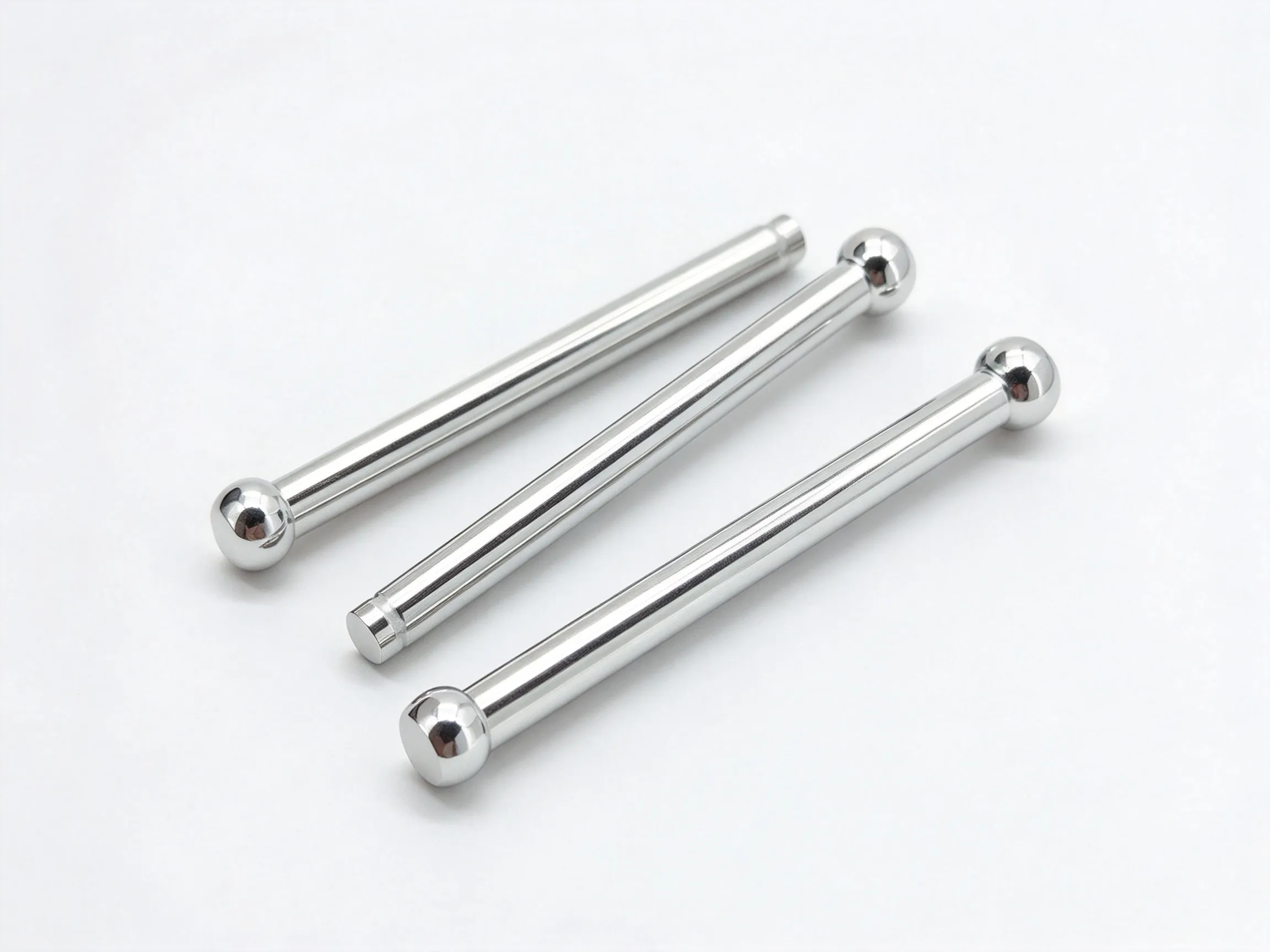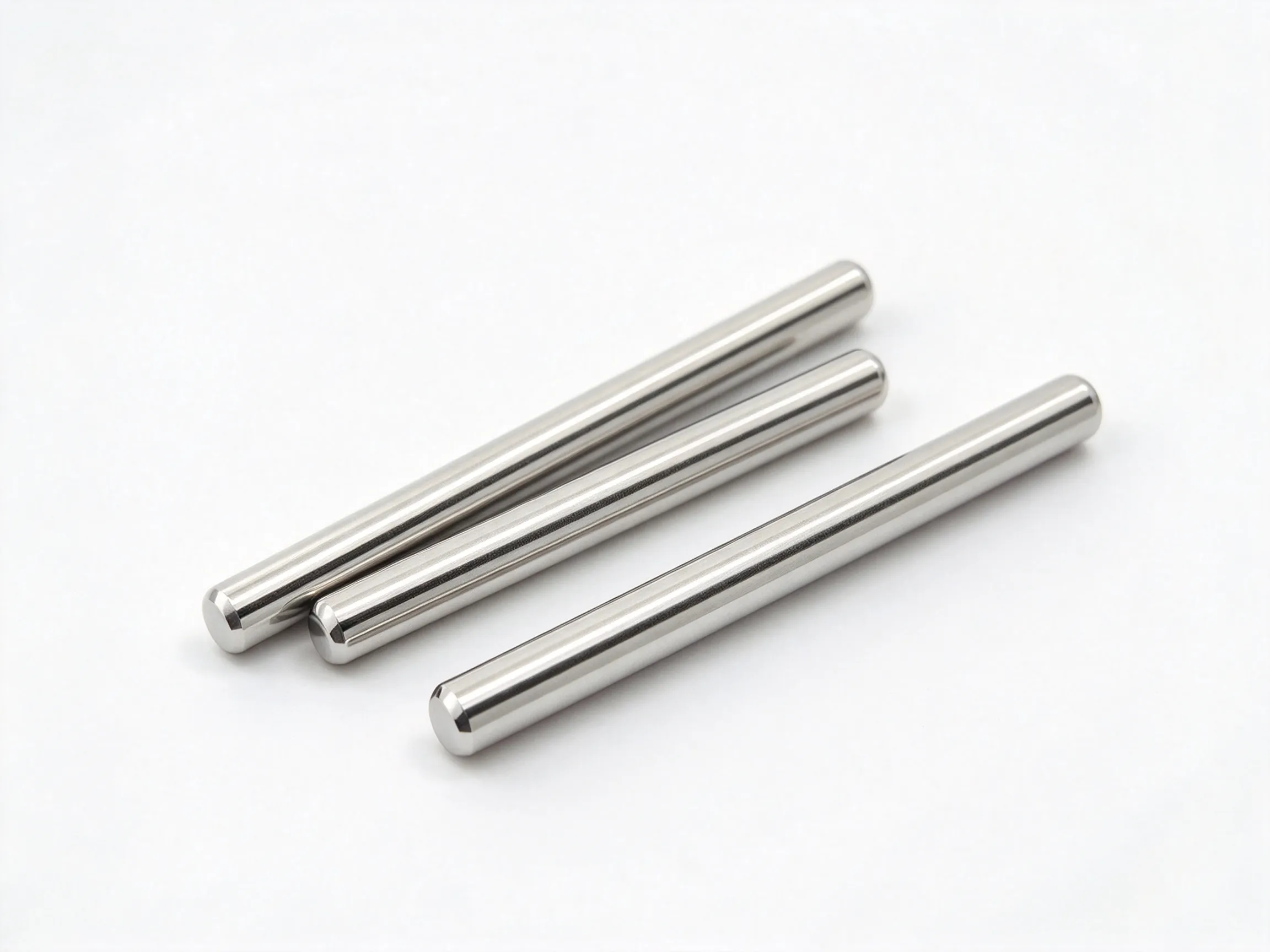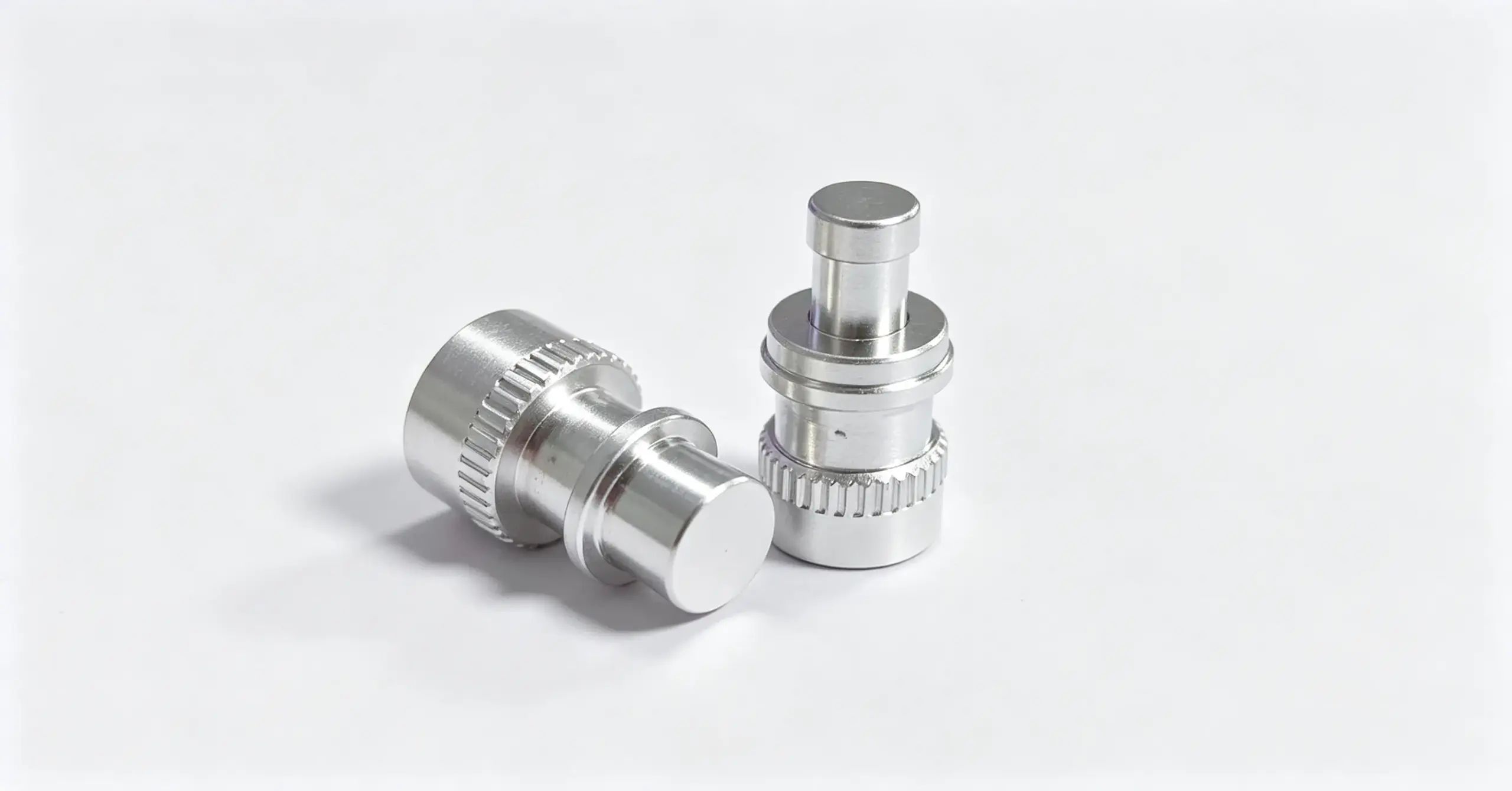
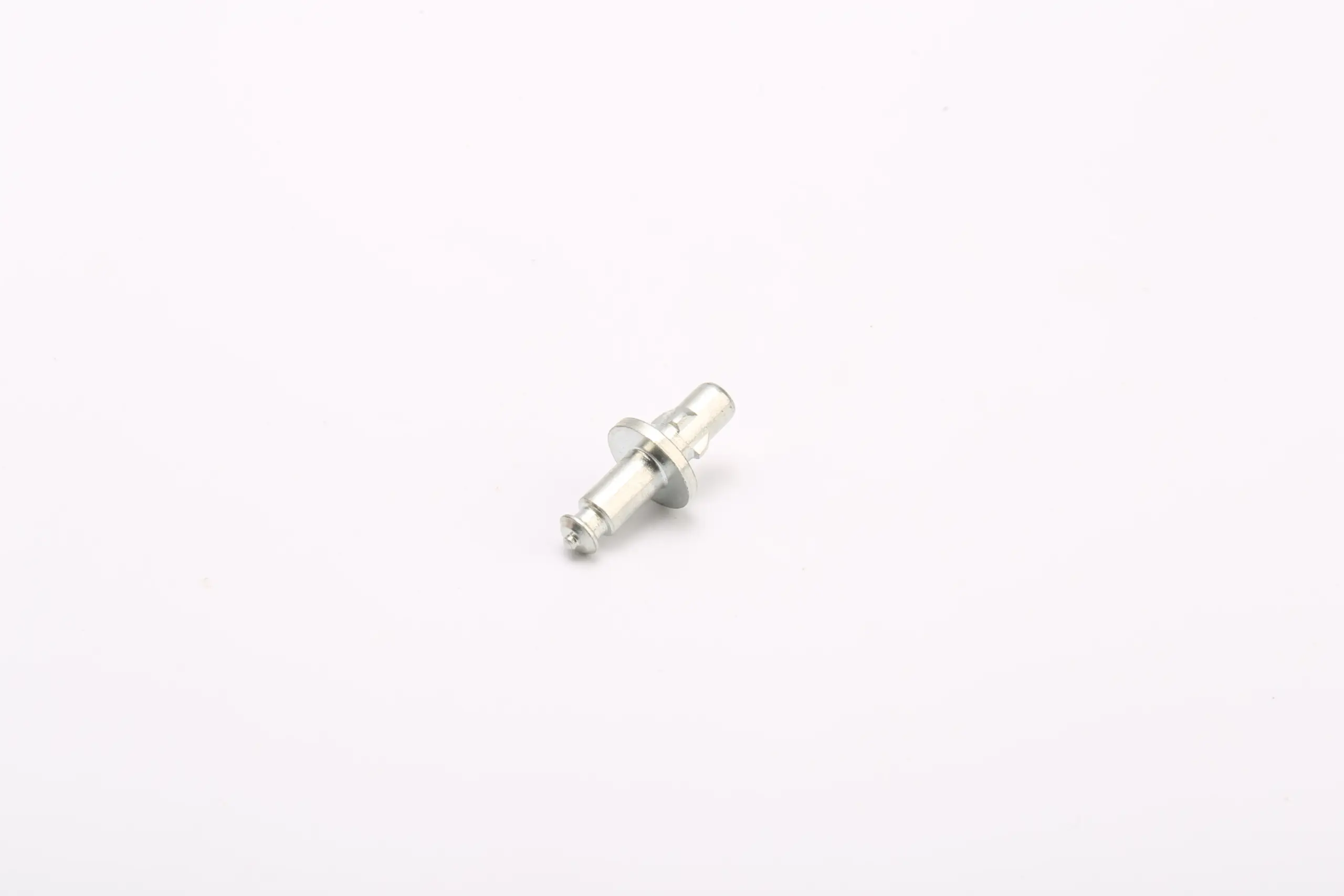
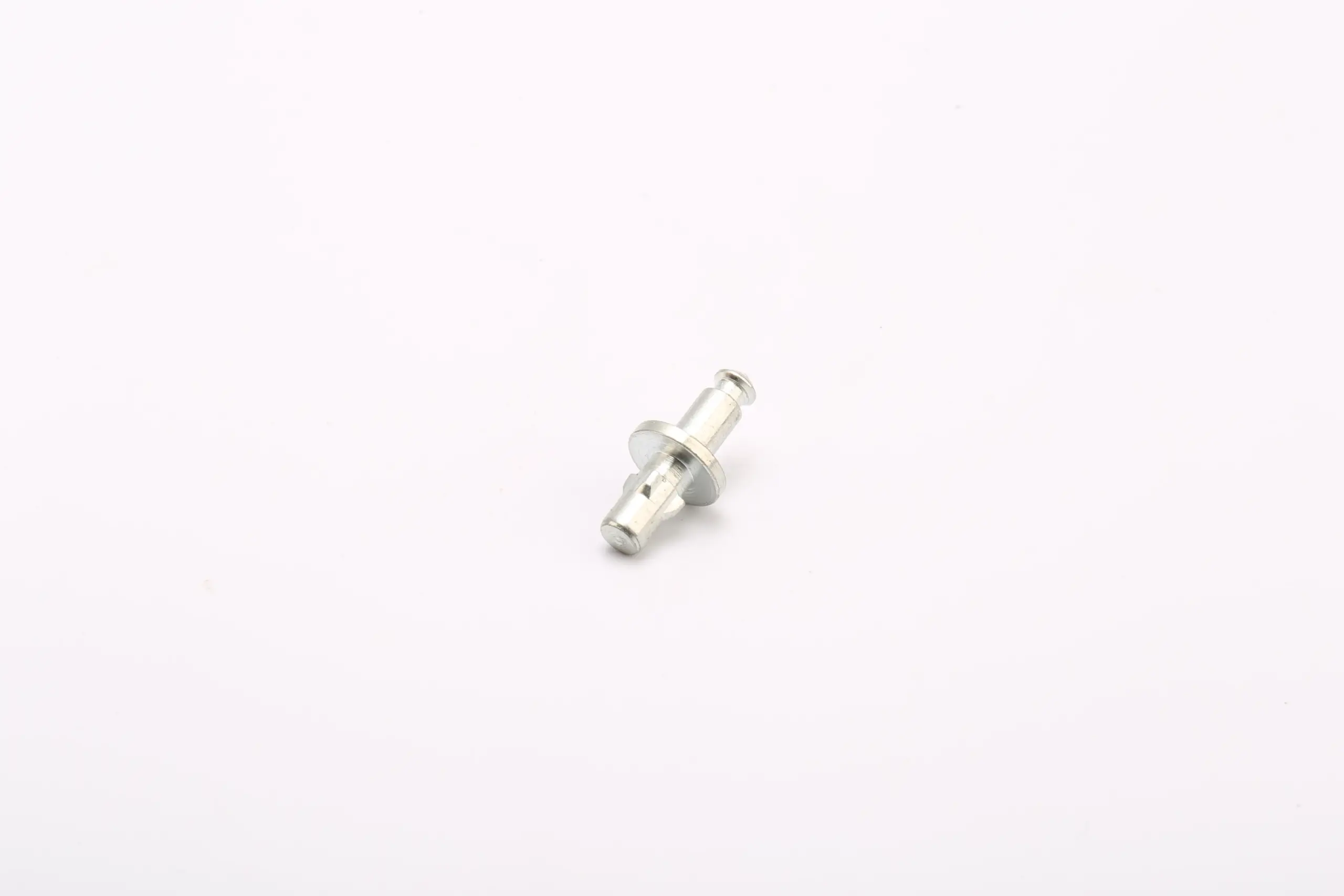
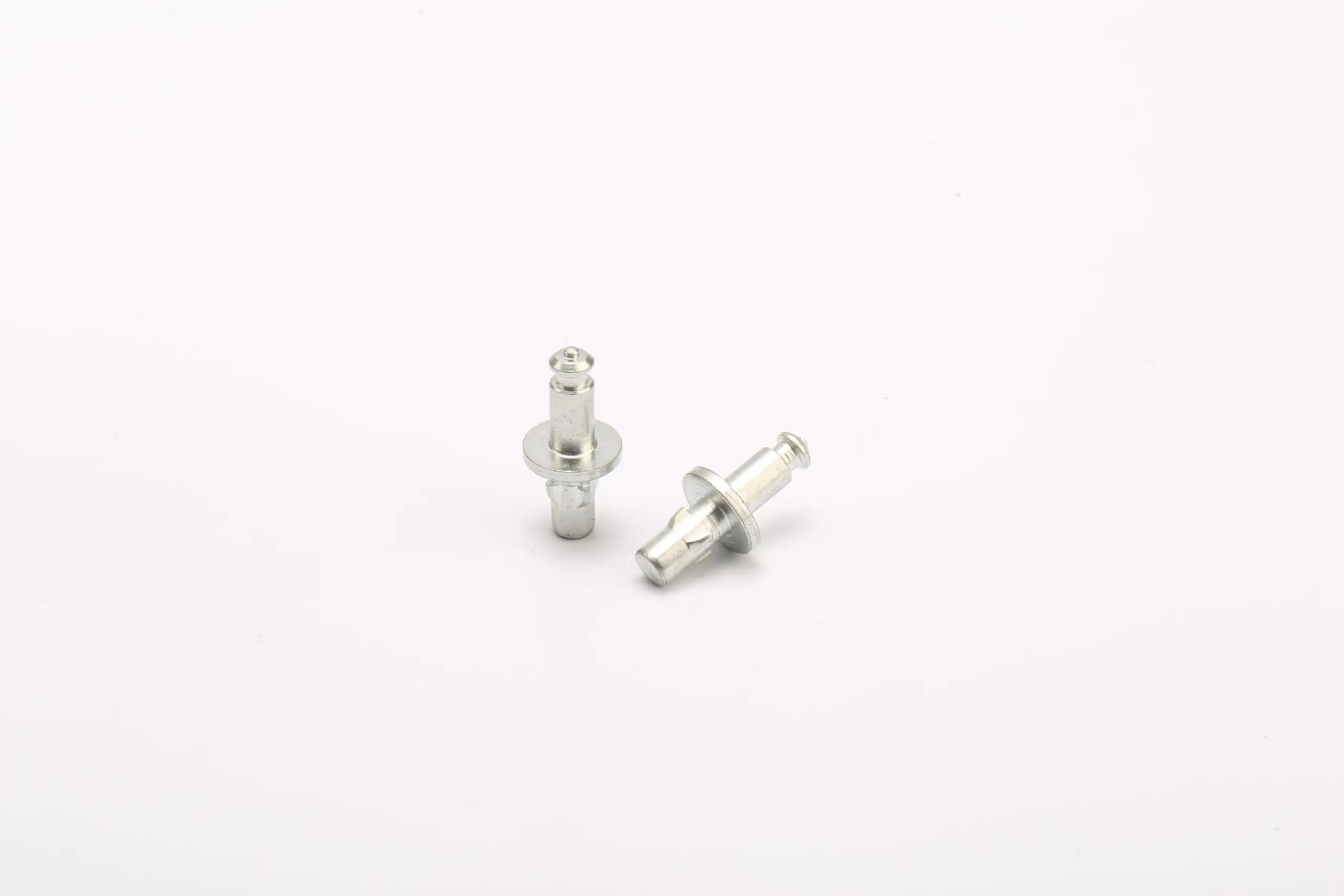
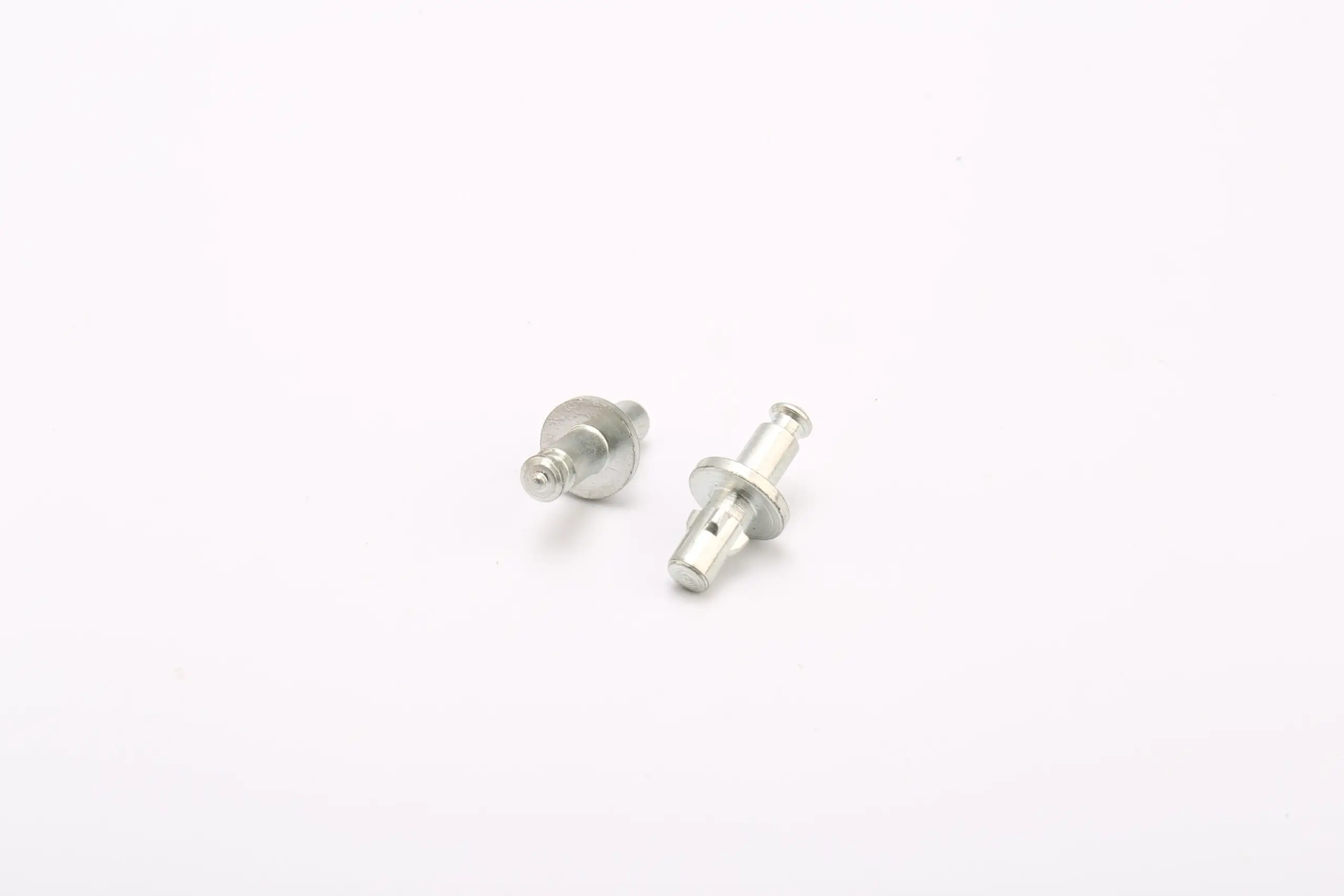
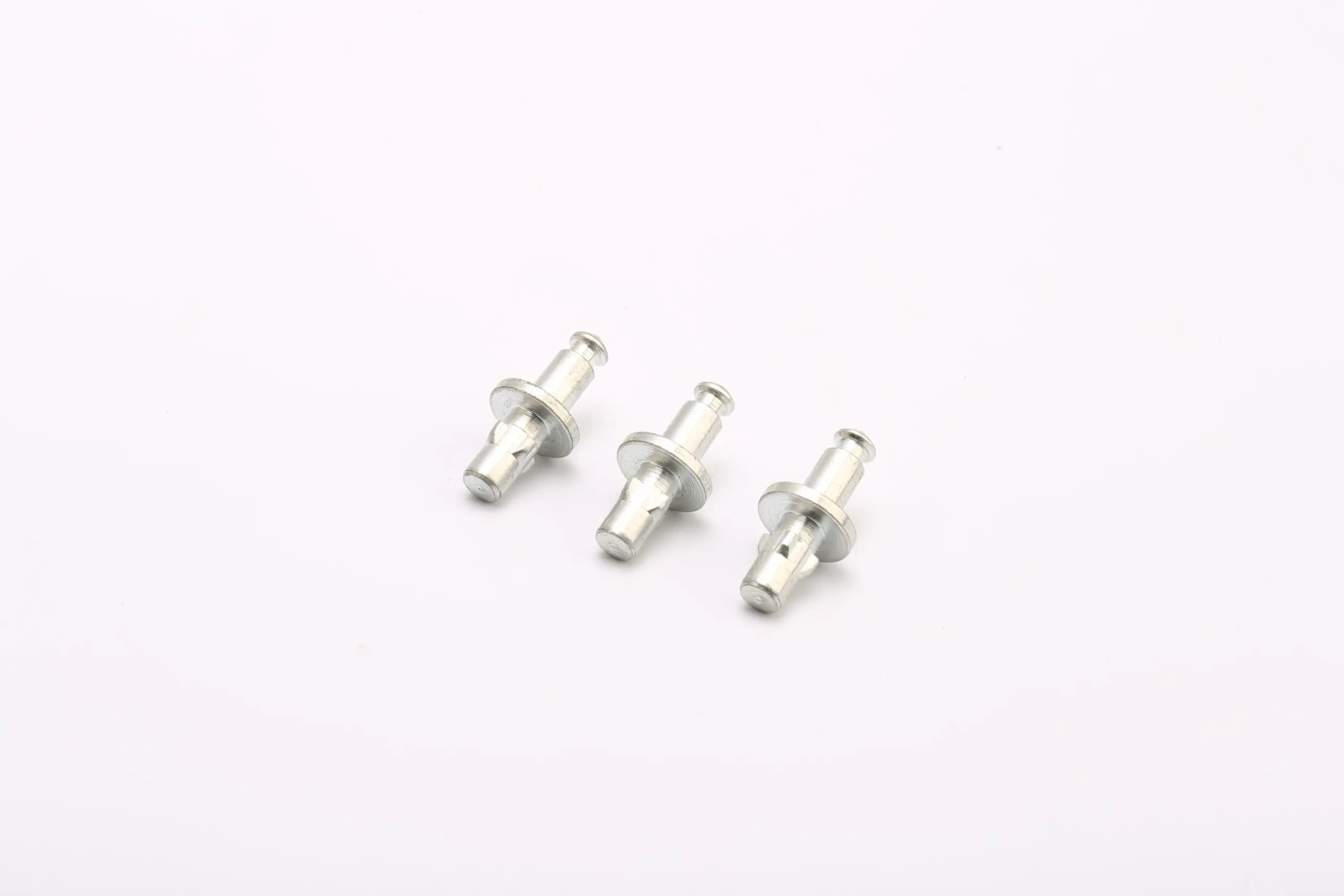
Miniature custom-made irregular parts are small stepped components with a shaped head, narrow neck and short shank. Their scale makes edge quality, handling and inspection especially important, while the drawing remains the only reliable definition of the functional steps.
Miniature scale and stepped body
The part may look simple in a magnified photograph, but its small size reduces the room for chamfers, radii and tolerances. A narrow neck can be a locating feature or simply a clearance section. The drawing should establish the order of diameters and identify the surfaces that must remain concentric.
Compact precision hardware
These parts can be considered for small instruments, electronic hardware, miniature mechanisms and compact equipment where a standard pin is too large or lacks the required head. Check the mating hole and the assembly access with the actual tools. A part that is easy to hold on a bench may be difficult to place in a recessed housing.
Edges, neck and handling
Small burrs can change the effective diameter and interfere with a close fit. Specify deburring and avoid unnecessary sharp corners. The neck should be dimensioned with its width and position, and any head slot or drive feature should be shown rather than inferred. Do not assume that a miniature part can carry the same load as a larger version of the same shape.
Specification inputs
- Provide a large-scale drawing with every diameter and step.
- Show the head, neck, groove and end conditions.
- Define the mating bore, insertion depth and handling method.
- State material, finish, quantity and magnification for inspection.
Inspection and trial assembly
Use magnification or an appropriate gauge to check the small features. Confirm that the head is not distorted and that the shank enters the mating hole without a burr catching. The first sample should be assembled with the actual mating parts, because small dimensional differences can be more significant than they appear on a drawing.
Miniature parts require a clear inspection plan. Identify the diameters and step positions that will be measured, the magnification or gauge to be used, and the acceptable edge condition. Avoid handling the functional shank with bare tweezers that can leave marks or bend a narrow neck. During assembly, guide the part with a suitable tool and confirm that the head is not used as a lever. Keep spare samples protected from vibration and contamination.
FAQ
Can a miniature part be quoted from a photo?
A photo can start the review, but a dimensioned drawing or sample is needed for the functional features.
Is the narrow neck a thread relief?
Not necessarily. Its purpose and dimensions must be stated on the drawing.
How should tiny burrs be controlled?
Define deburring, edge quality and the inspection method in the purchase requirement.
Browse the custom-made irregular parts category, or compare brass ball head parts and pan-head irregular parts.