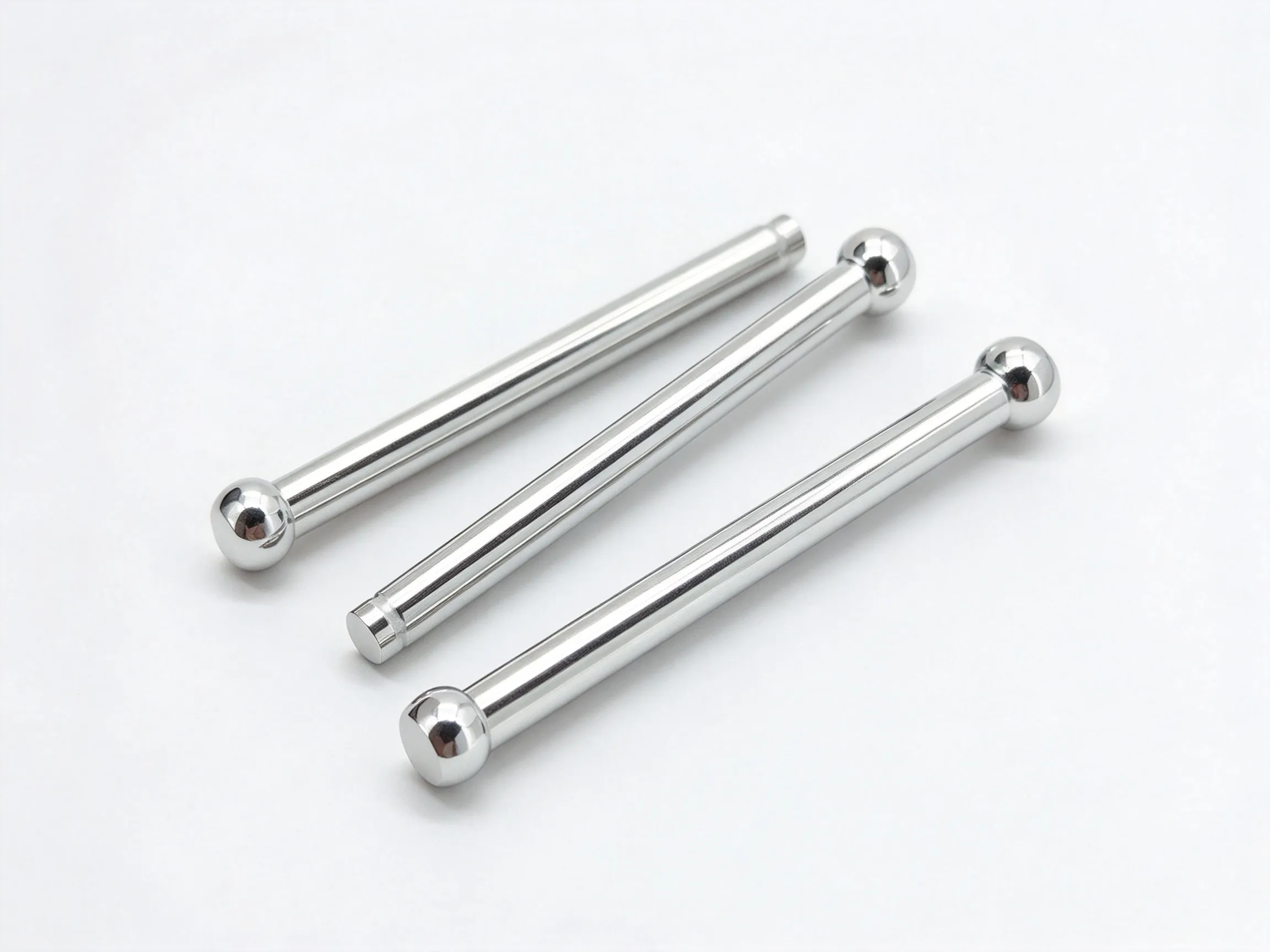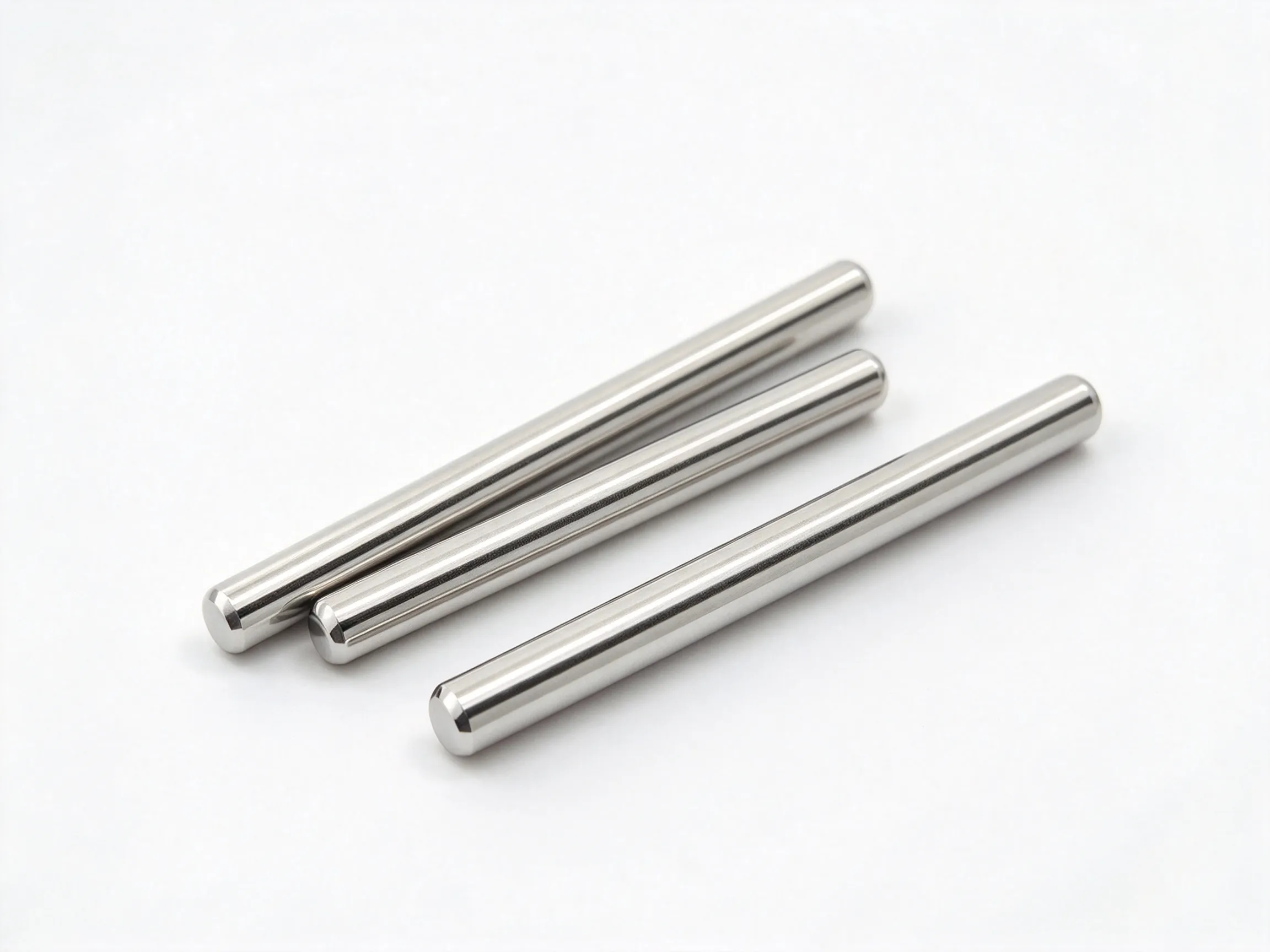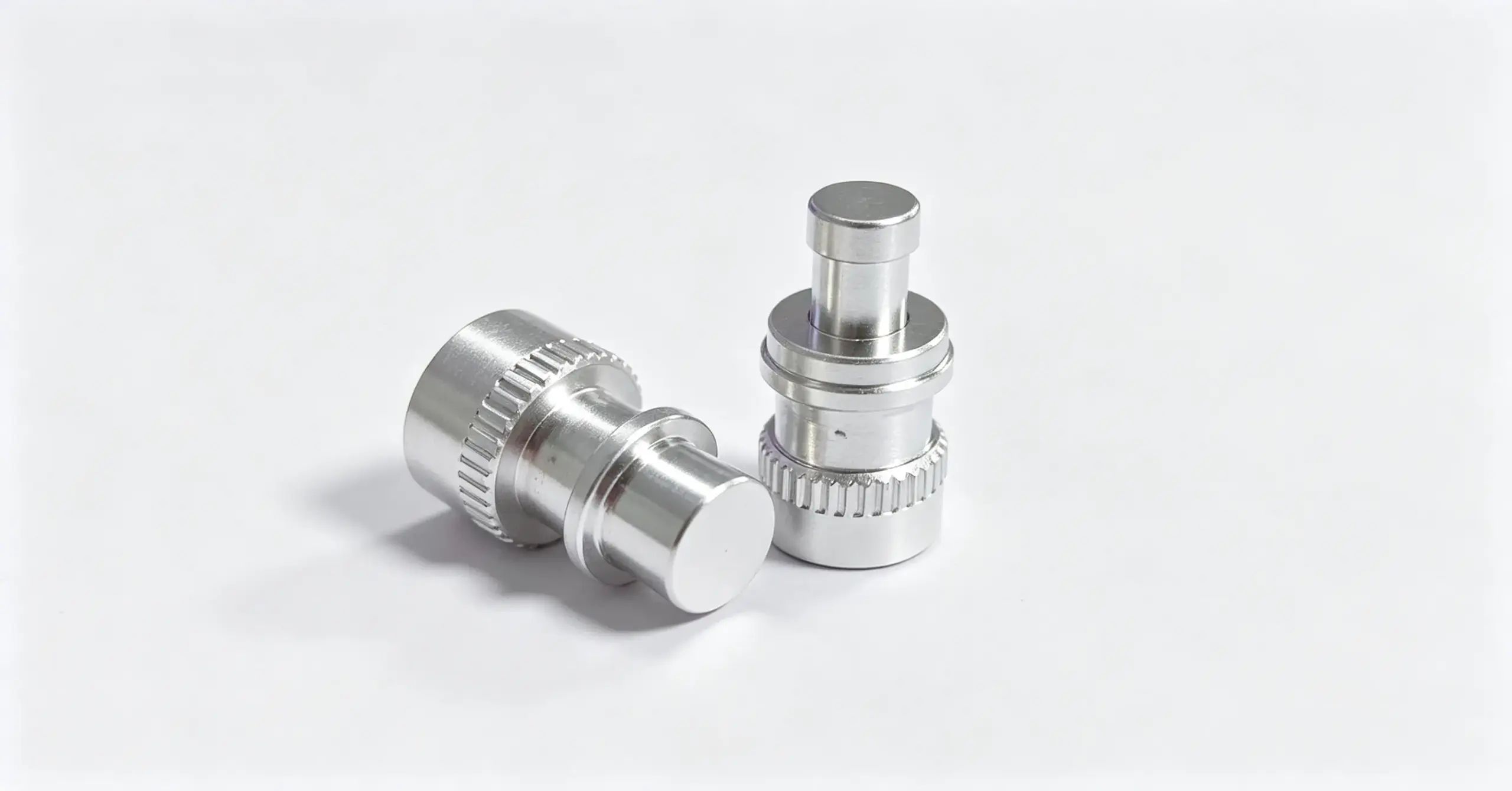
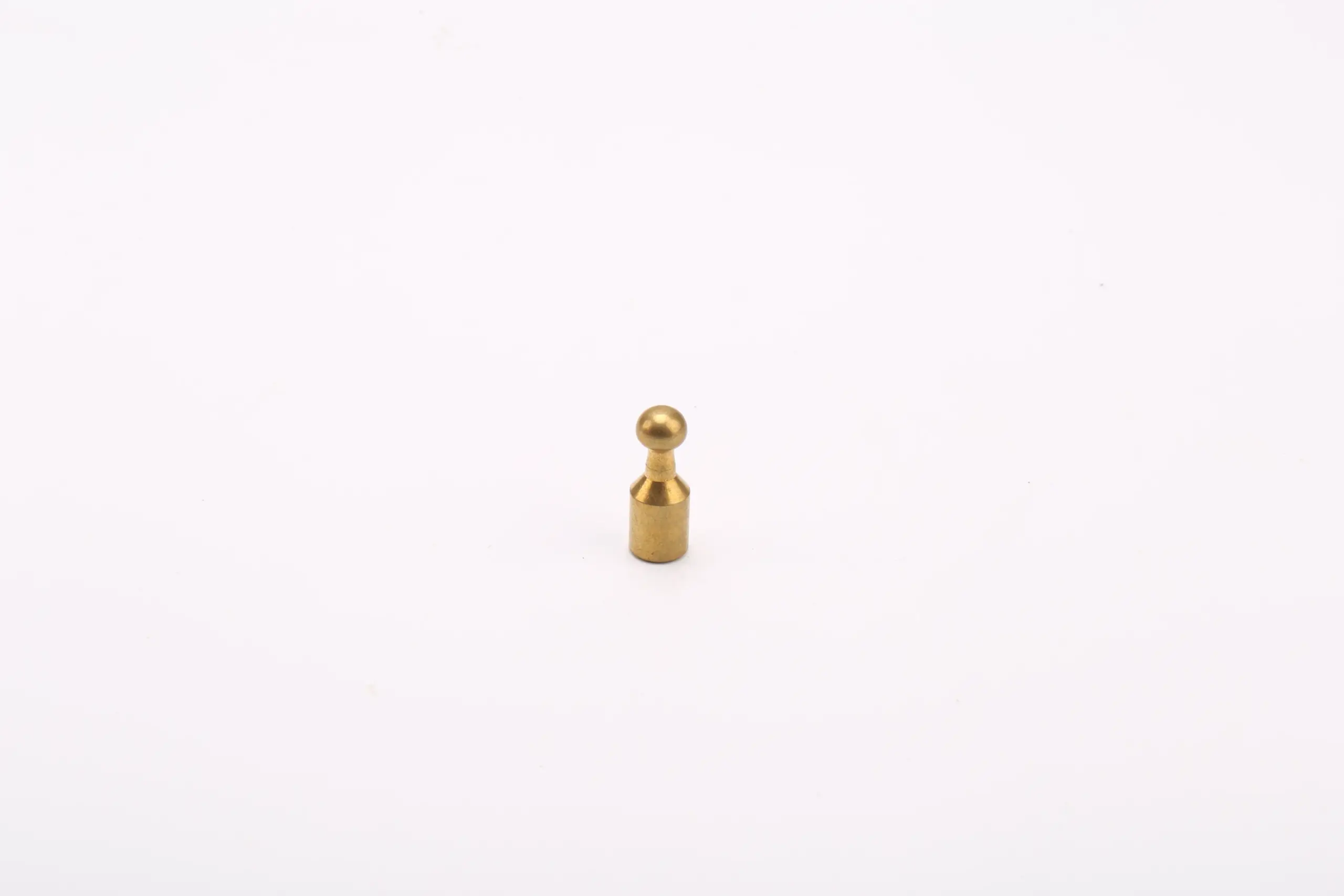
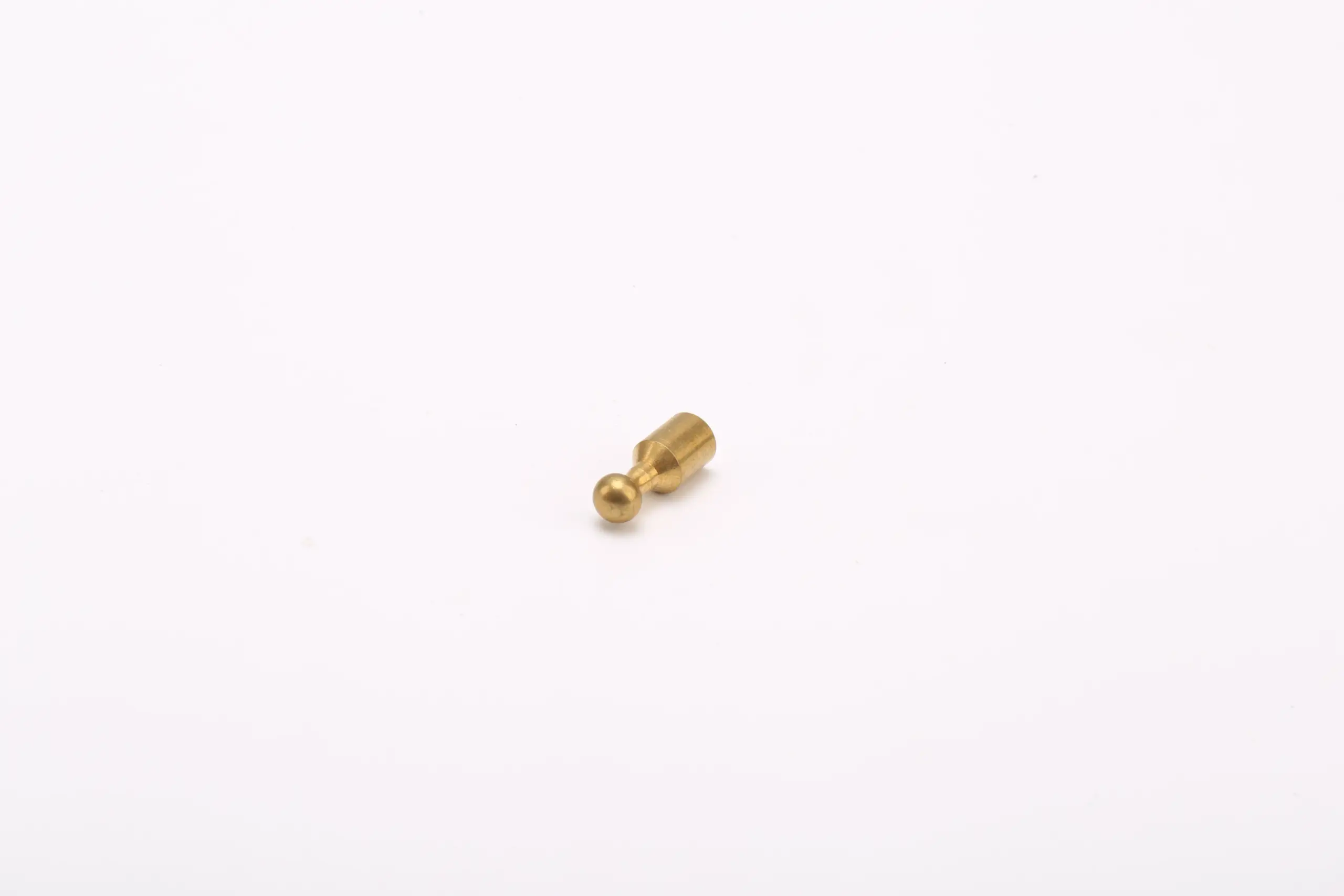
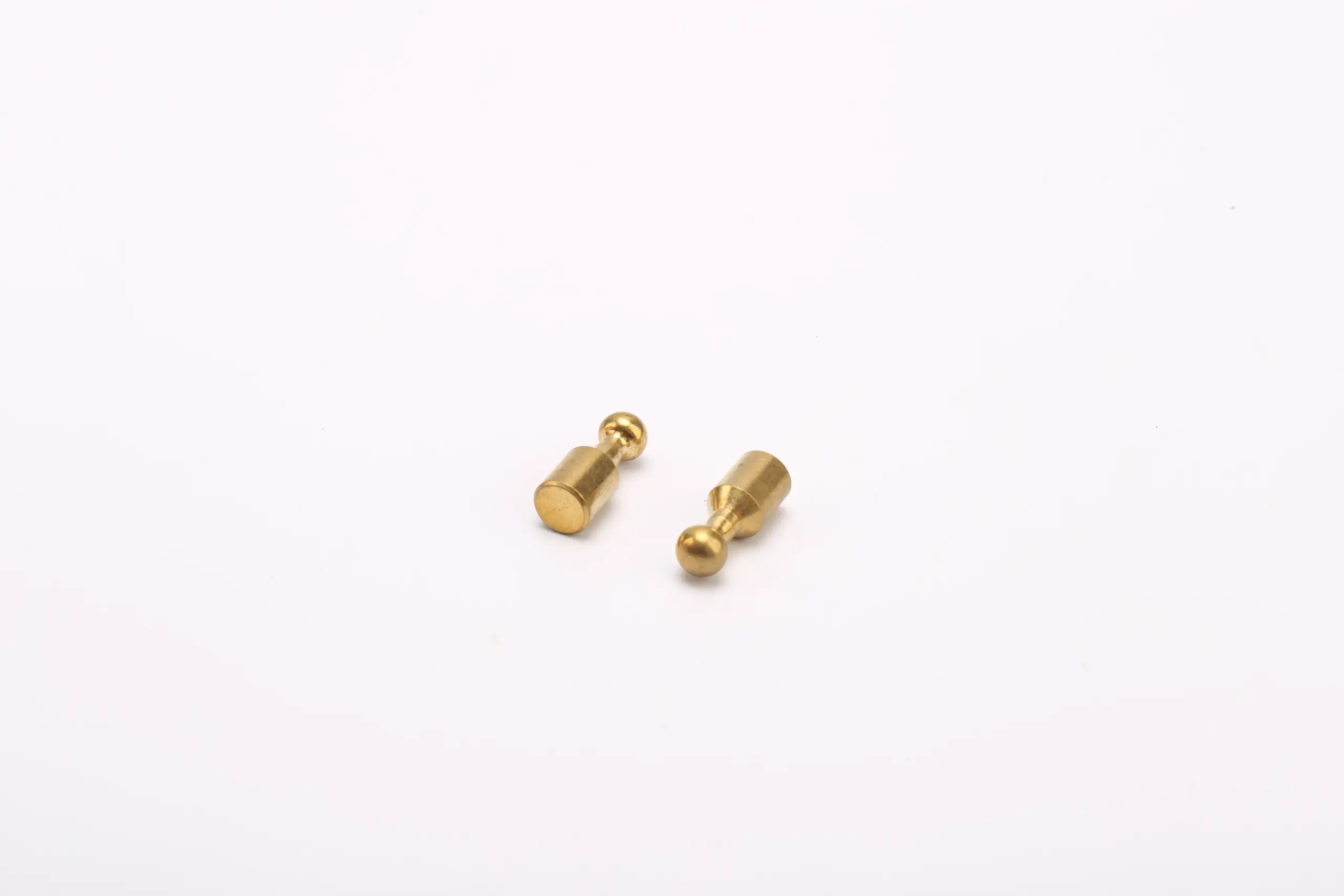
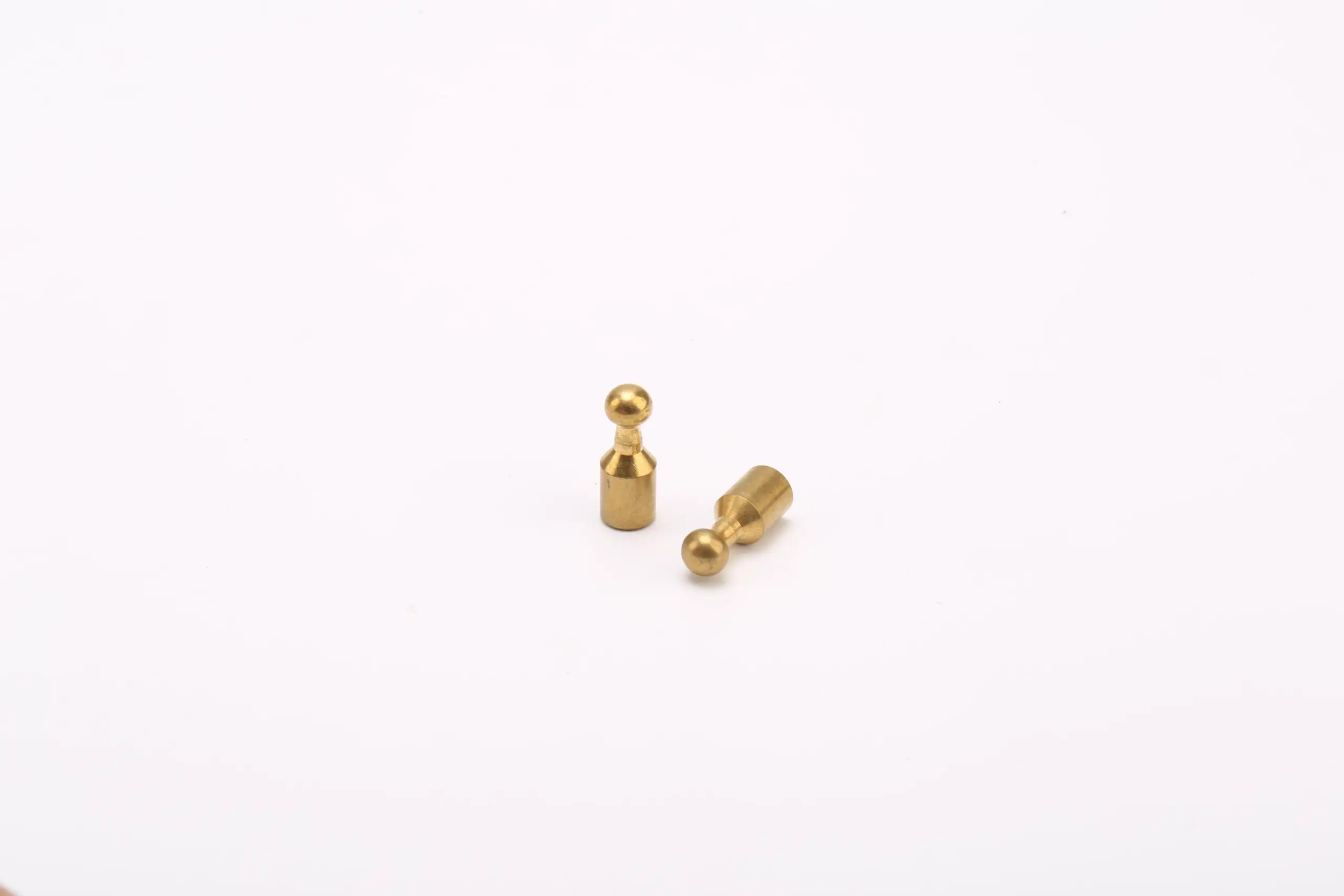
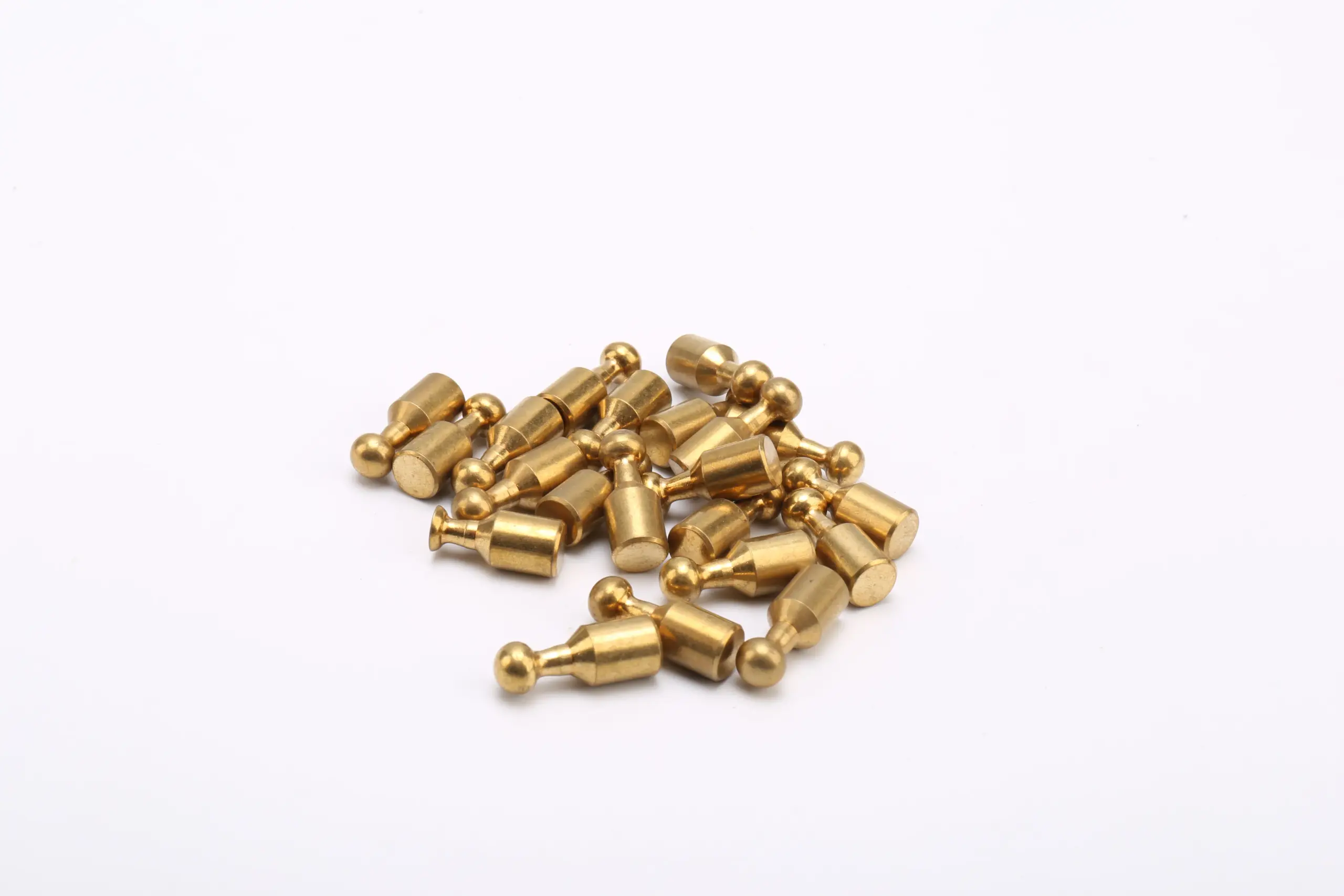
Custom brass ball head parts combine a rounded ball end with a short cylindrical body. The ball can provide a contact point or a smooth lead-in, while the body and neck locate the part. The brass appearance is visible, but the alloy, finish and fit still require separate definition.
Ball head and cylindrical body
The ball end is the most visible feature. Its diameter, spherical form and transition to the neck should be shown on the drawing. The body may have a flat end, a small step or a bore, and those features should not be confused with the ball radius. A smooth ball does not by itself define a pivot or a sealing function.
Linkage and contact applications
These parts can be considered for small linkages, contact points, decorative hardware and equipment where a rounded end is useful. Check the mating socket or contact surface and the available travel. If the ball is intended to move, the surrounding clearance and retention method must be designed; if it is fixed, the body and shoulder should establish the position.
Neck, body and mating surface
The neck connects the ball to the body and can affect both strength and appearance. A sharp undercut may be difficult to form or clean, while a generous radius may interfere with a close-fitting socket. State the required surface finish on the ball and the body separately, especially when one surface is visible and the other is hidden.
Specification inputs
- Show the ball diameter and spherical tolerance.
- Dimension the neck, body and any bore or step.
- Identify the mating socket, contact face and retention method.
- State brass condition, finish, quantity and inspection points.
Finish and trial fit
Confirm the brass alloy and temper rather than relying on color. Inspect the ball for flats, scratches and tool marks, and check the neck for cracks or sharp edges. Trial-fit the part against the mating component and verify the intended contact or clearance without assuming a wear life or electrical performance from the material name.
Check the ball form against the mating socket or contact surface. A ball that looks round in a photograph may still have a flat, a tool mark or a transition that affects contact. Confirm the neck clears the socket rim and that the body can be held or installed without damaging the spherical surface. If the ball is visible, define the cosmetic finish; if it moves, define the clearance and retention method.
FAQ
Is the ball head a pivot by default?
No. A pivot requires a mating socket, clearance and retention design; the ball shape alone is not enough.
Can the body have a bore?
Yes, if the bore diameter, depth and function are shown on the drawing.
Does brass color identify the alloy?
No. Alloy and temper require a separate material specification.
Browse the Custom Parts category, or compare hollow semi-circular parts and miniature irregular parts.