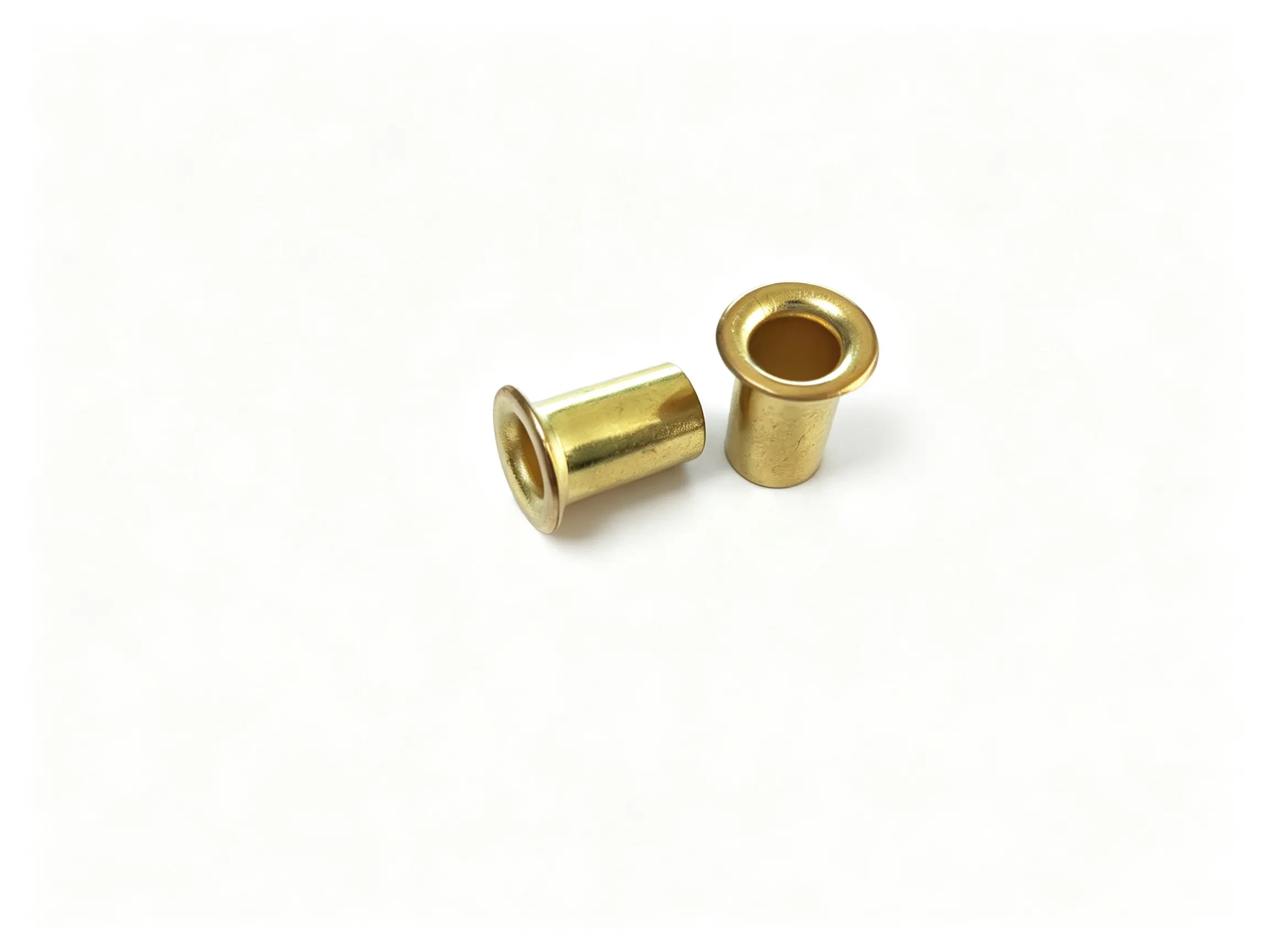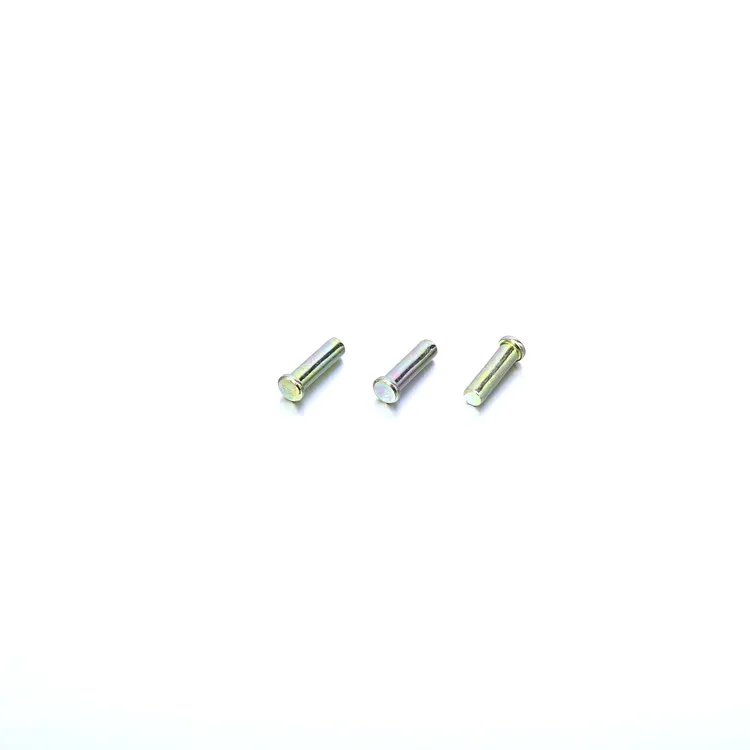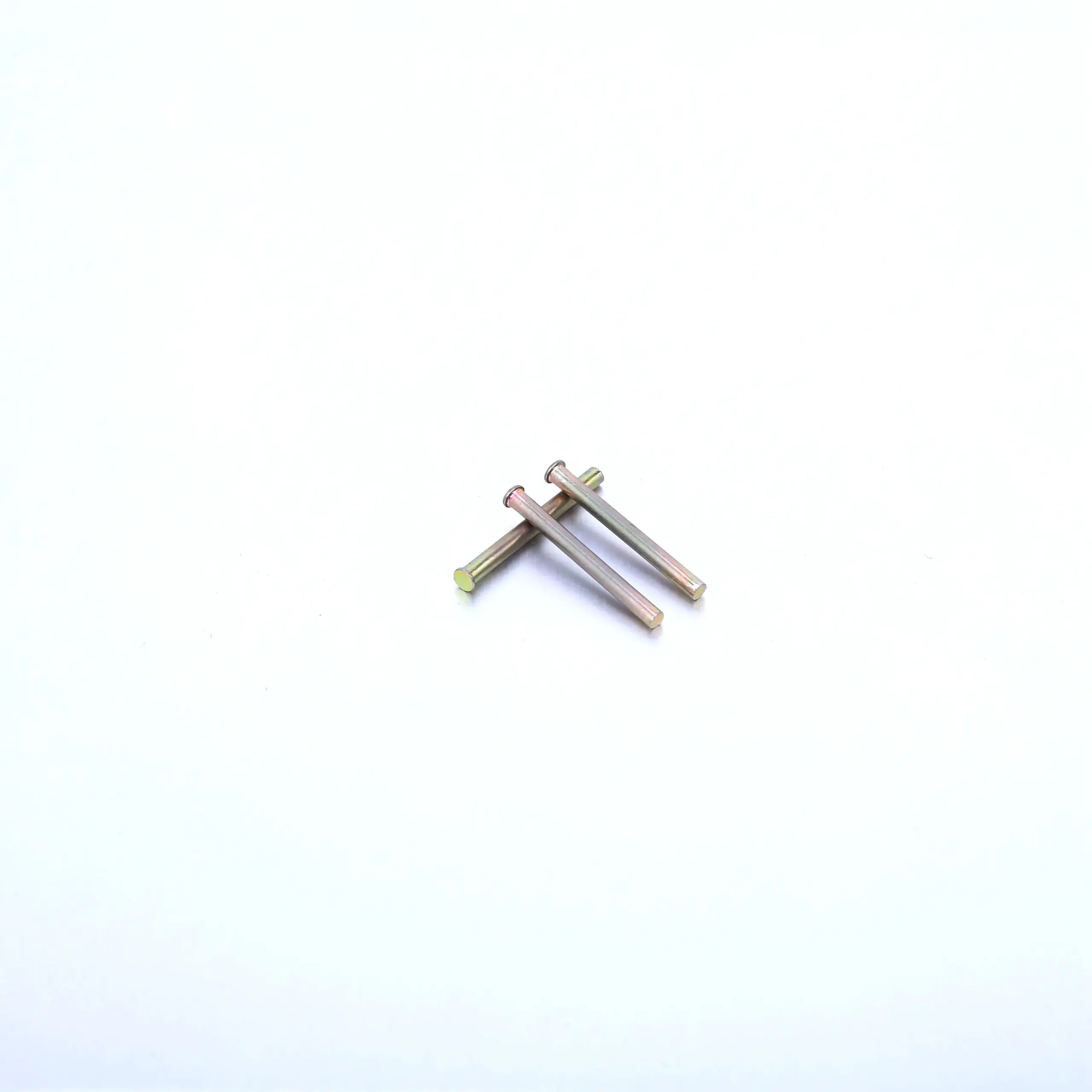


Blind rivets are selected when the assembly can be reached from only one side. The rivet body is placed through the workpiece and a setting tool pulls or expands the internal setting element so that the body clamps the parts together. Depending on the rivet style, the mandrel may break away or remain in the installed body. This makes blind rivets useful for sheet-metal panels, enclosures and component assemblies where a two-sided rivet cannot be installed conveniently.
Construction and working principle
A blind rivet generally combines a headed body, an expandable or deformable section and a setting element. The tool reacts against the rivet head while the internal element is pulled or actuated. The result is a clamp on the inaccessible side. Hole diameter, grip range, workpiece thickness and tool nose geometry must be matched; an apparently similar rivet can produce a different installed joint if these details are wrong.
Blind rivets are not a universal replacement for tubular, semi-tubular or threaded fasteners. The joint should be reviewed for vibration, load, required disassembly and the condition of the materials being joined.
Typical applications
Common applications include sheet-metal enclosures, cabinets, panels, light equipment assemblies, brackets and components where the back side is closed or difficult to access. They are also useful when a consistent installed head is needed on the visible side of an assembly.
Customization options
Review head style, body diameter, grip range, body length, material, finish and the type of setting element required. If the application uses a specific tool or has a restricted access angle, include that information at the quotation stage. A sample of the assembled sheets is more useful than a rivet-only photo when the grip range is uncertain.
Material and finish selection
Select the body and setting element for the working environment and the materials being joined. Corrosion resistance, galvanic compatibility, appearance and the required clamp load should be considered together. A coating that looks correct on the sample may not be suitable for a wet, outdoor or dissimilar-metal assembly without further review.
How to specify a blind rivet
- State the workpiece materials, total thickness and required grip range.
- Provide the hole diameter and the accessible-side head requirement.
- Identify the setting tool or describe the available access and clearance.
- Confirm body material, setting-element material, finish and expected quantity.
FAQ
When should a blind rivet be used instead of a tubular rivet?
Use a blind rivet when only one side of the assembly is accessible or when the selected setting tool is appropriate for the joint. If both sides are open and the joint needs a hollow body or controlled pivot, a tubular or semi-tubular design may be more suitable.
Can the mandrel remain in the rivet?
Some blind rivet styles retain the setting element and others use a break-away mandrel. The correct configuration depends on the product design and the application; confirm it in the RFQ rather than assuming one style.
What information is needed for a quote?
Provide the sheet materials and thickness, hole size, required grip range, head style, material, finish, tooling details and annual quantity. A drawing or assembled sample will help resolve access and clamp requirements.
Compare the tubular and hollow rivet range or review tubular rivets when both sides of the joint are accessible.