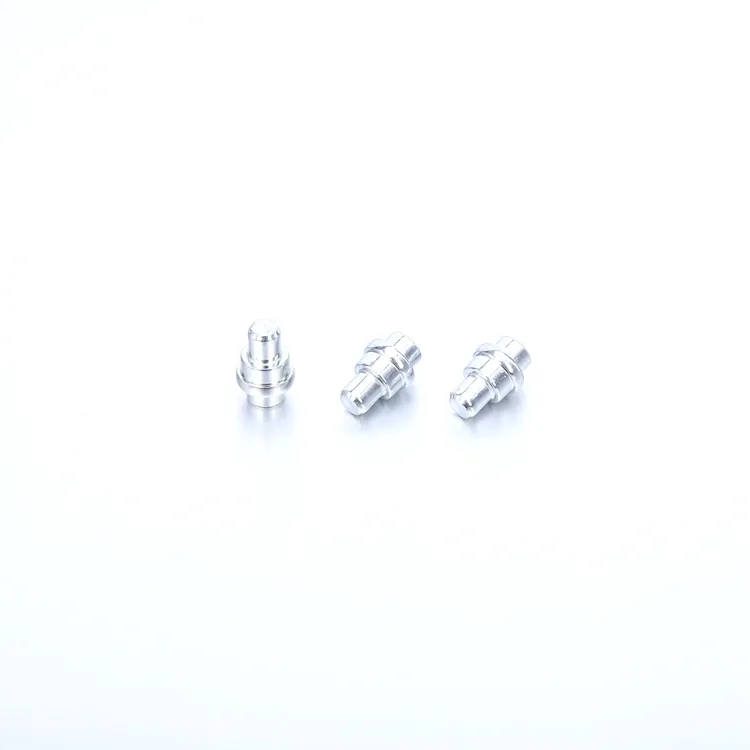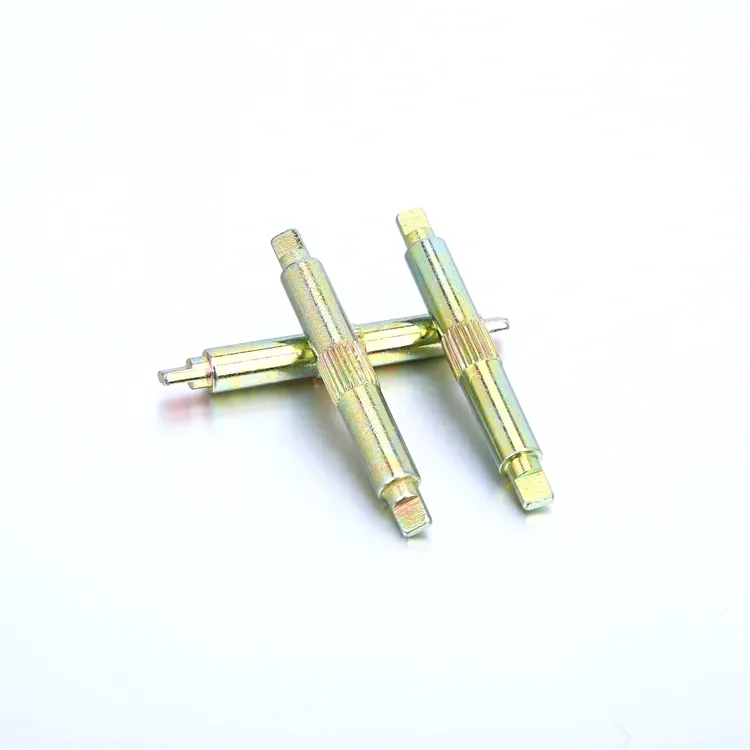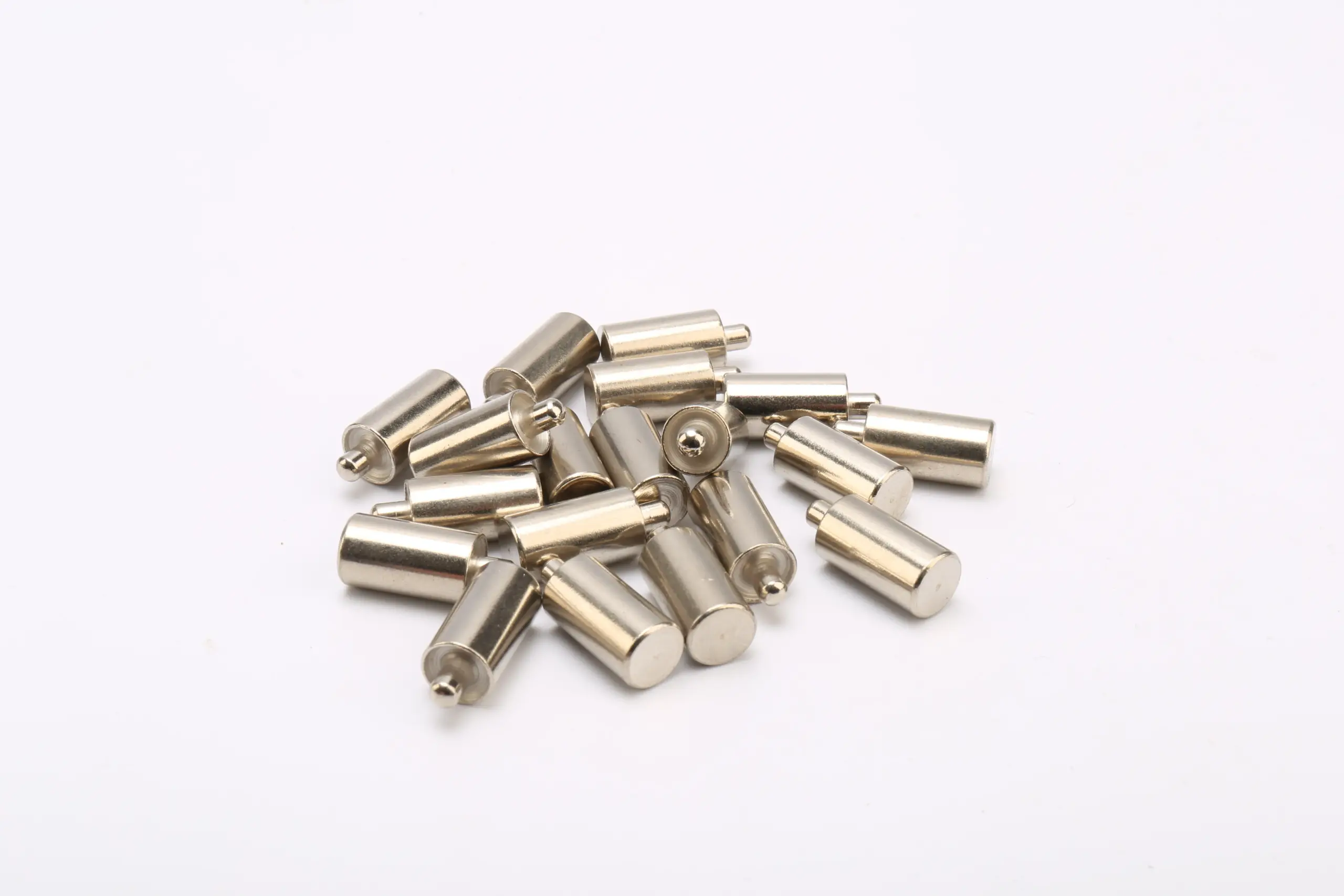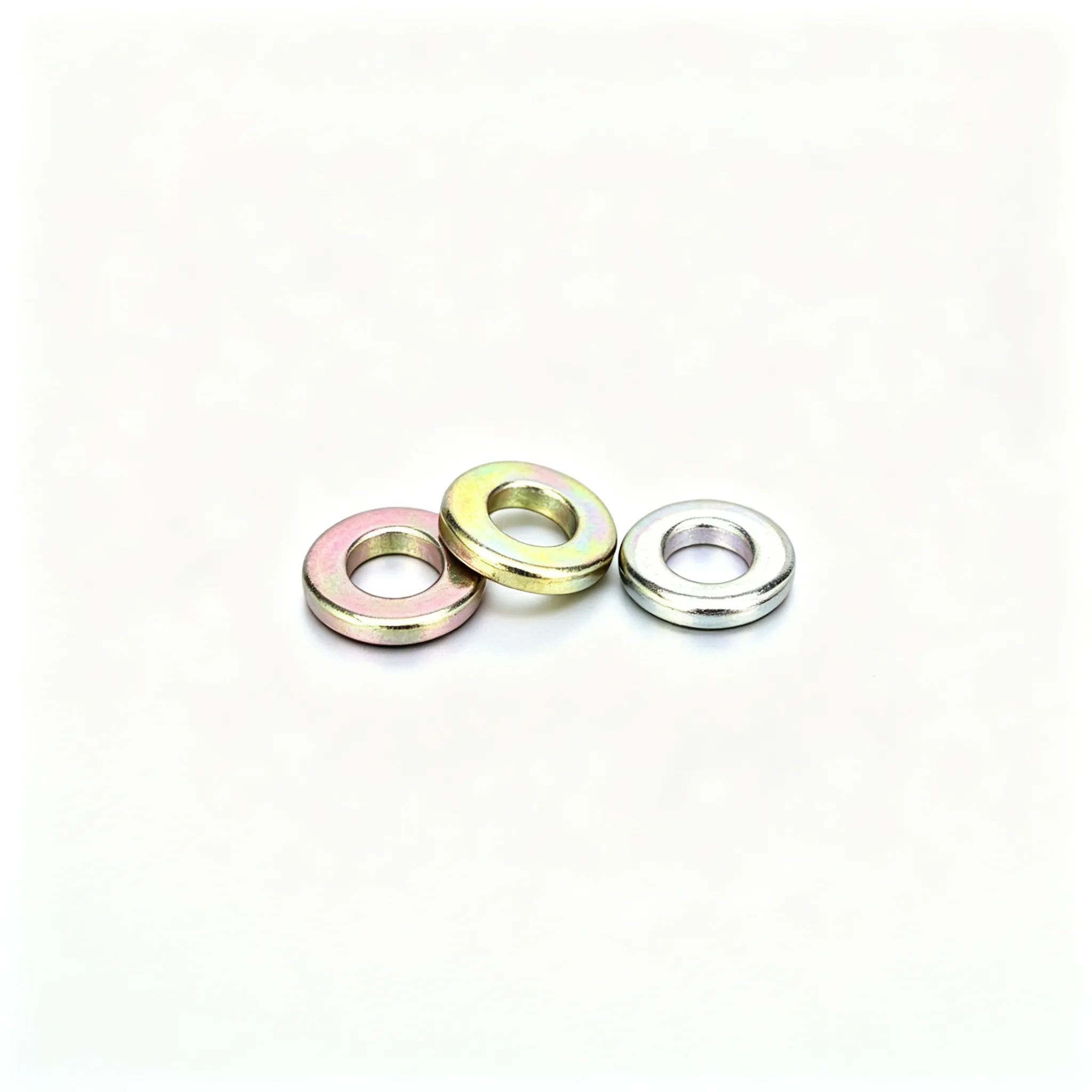
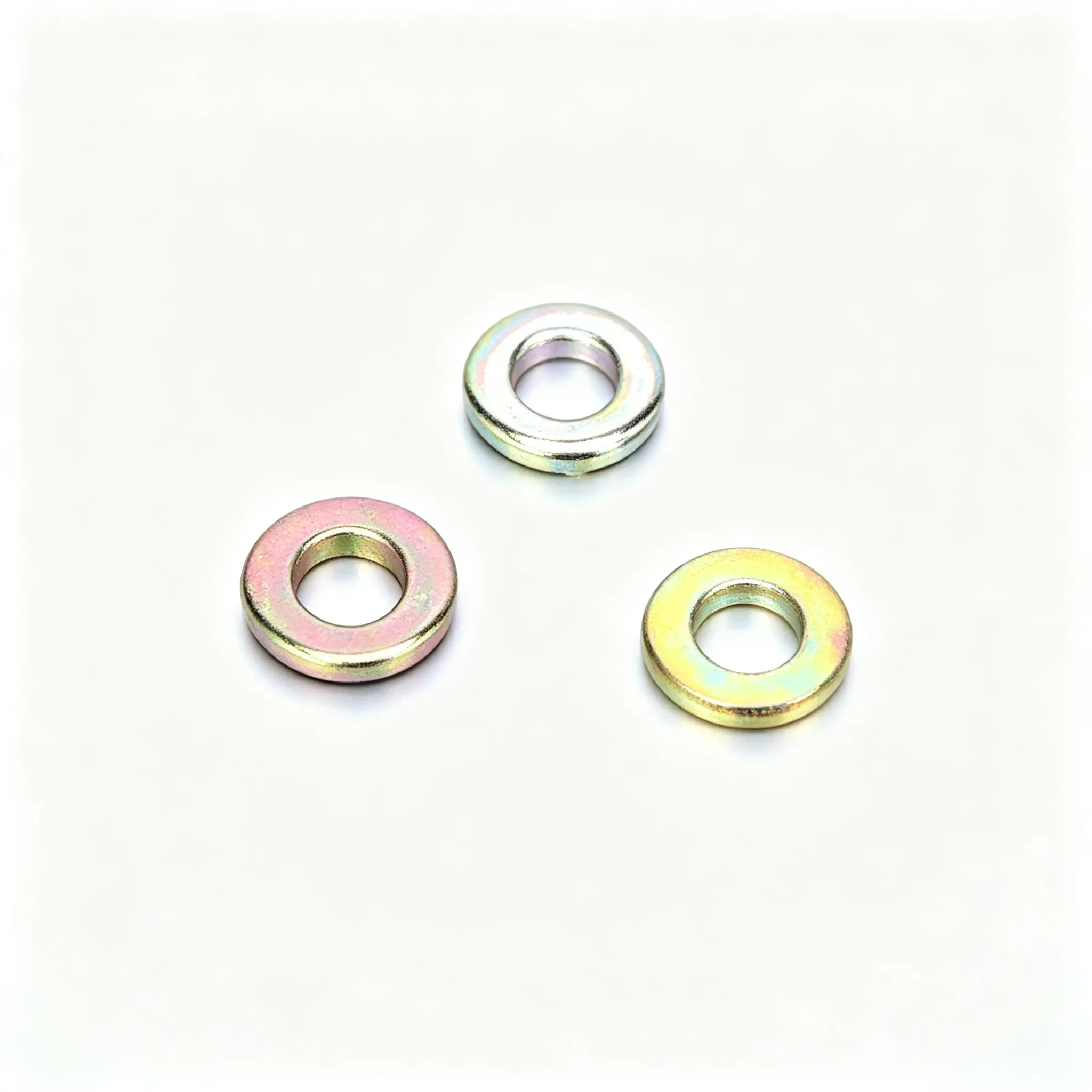
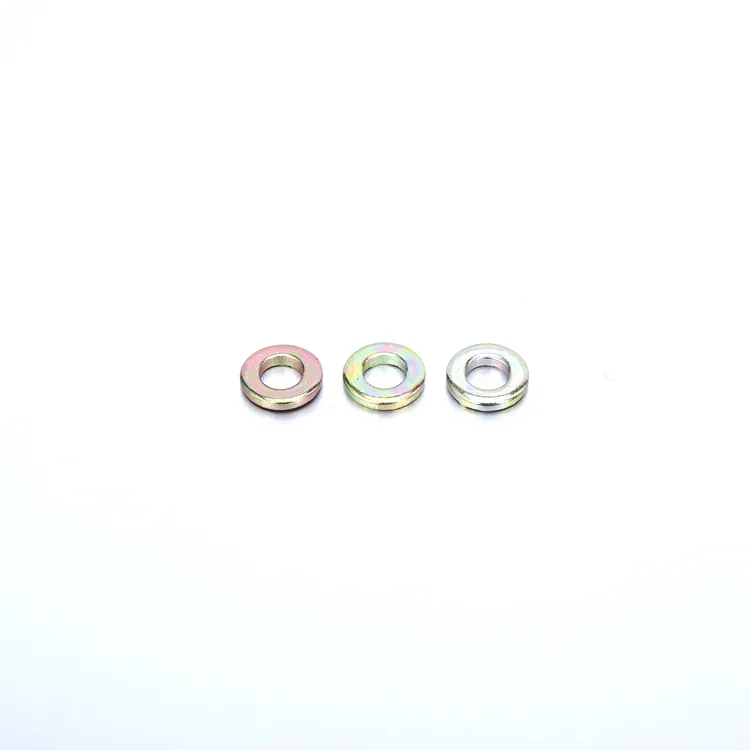

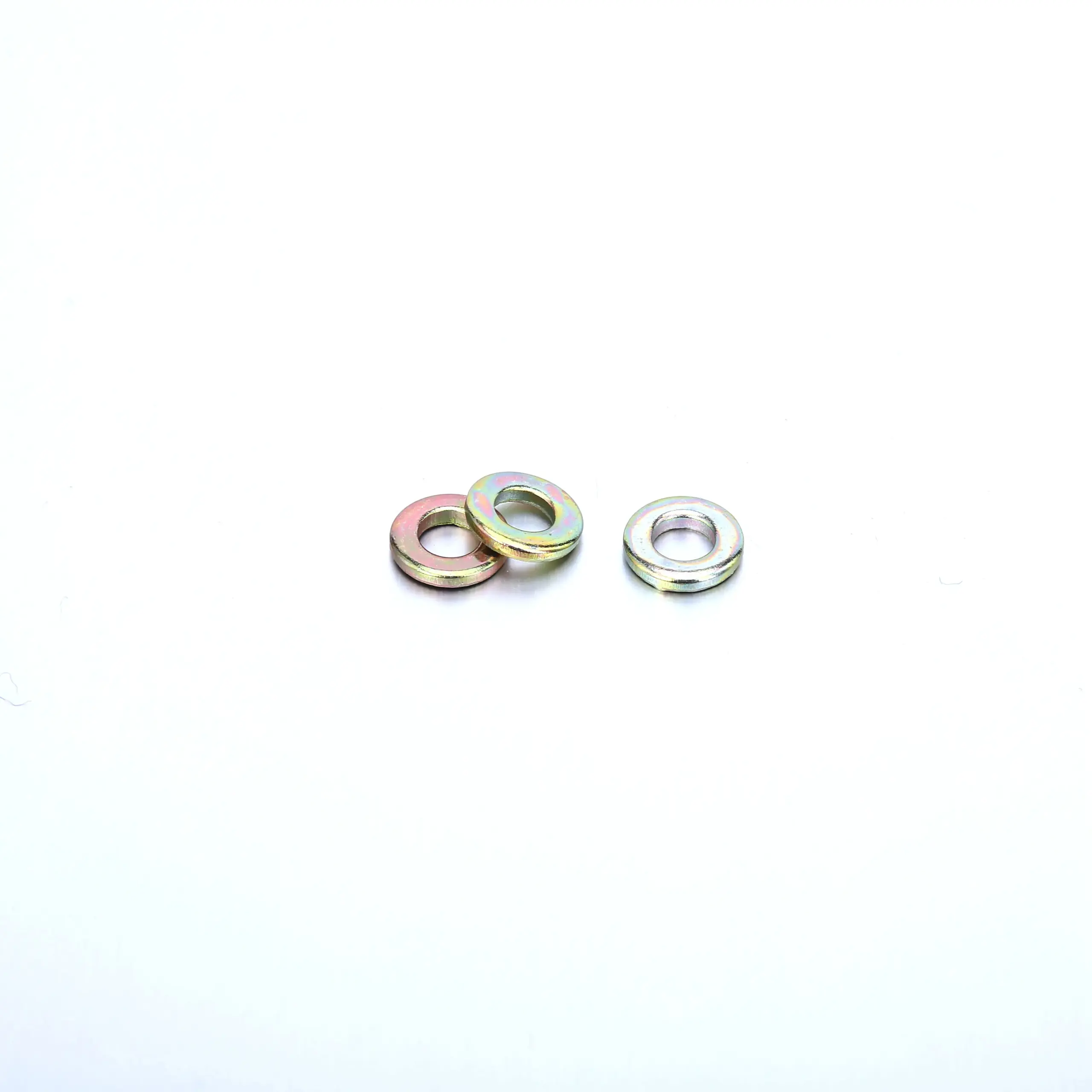
A customized flat washer is a thin annular part with a flat bearing face and a central hole. The gallery shows a clean ring with a visible edge form, so the hole, outside diameter, thickness and face condition are the features that determine its fit.
Flat bearing faces
The washer has two broad faces separated by its thickness. Those faces should be flat enough for the intended contact and free of burrs that could damage a mating surface. The outside edge may be square, rounded or chamfered. The drawing should distinguish the bearing faces from the edge treatment.
Load distribution and spacing
Flat washers can be used to spread a clamping load, adjust spacing, protect a soft surface or provide a clean bearing area under a fastener. Check the bolt or screw diameter, the hole clearance and the available space. A washer should not be selected by outside diameter alone; the hole and thickness also affect the assembly.
Hole, edge and flatness
The central hole should be large enough for the mating fastener without excessive movement. A burr at the hole edge can reduce the effective bearing area or damage the fastener. The outside edge should be deburred, especially if it is handled or visible. Do not infer a pressure rating or a sealing function from the flat shape.
Specification inputs
- Provide the inside diameter, outside diameter and thickness.
- Show edge form, flatness and surface finish requirements.
- Identify the fastener, mating surface and available clearance.
- State material, coating, quantity and inspection points.
Fit and finish inspection
Check the hole and edges for burrs and the faces for distortion. Trial-assemble the washer under the intended fastener and confirm that it seats without rocking. Confirm the material and coating separately, particularly when the washer is exposed to moisture or a visible surface.
Check the washer under the actual fastener and mating surface. The hole should clear the fastener without excessive movement, and both faces should seat without rocking. Confirm that the outside edge does not interfere with a fillet, recess or adjacent component. If the washer is visible, define the cosmetic finish; if it distributes load, confirm that the contact area is supported and that the thickness is adequate for the joint.
FAQ
Is a flat washer a sealing washer?
No. A flat washer is not automatically a seal; any sealing requirement needs a separate design.
Can the outside diameter be customized?
Yes, when the inside diameter, thickness and edge form are also defined.
What is the most important fit?
The central hole clearance and the flatness of the bearing faces are usually the first checks.
Browse the Custom Parts category, or compare customized flat head rivets and customized flat head stepped rivets.