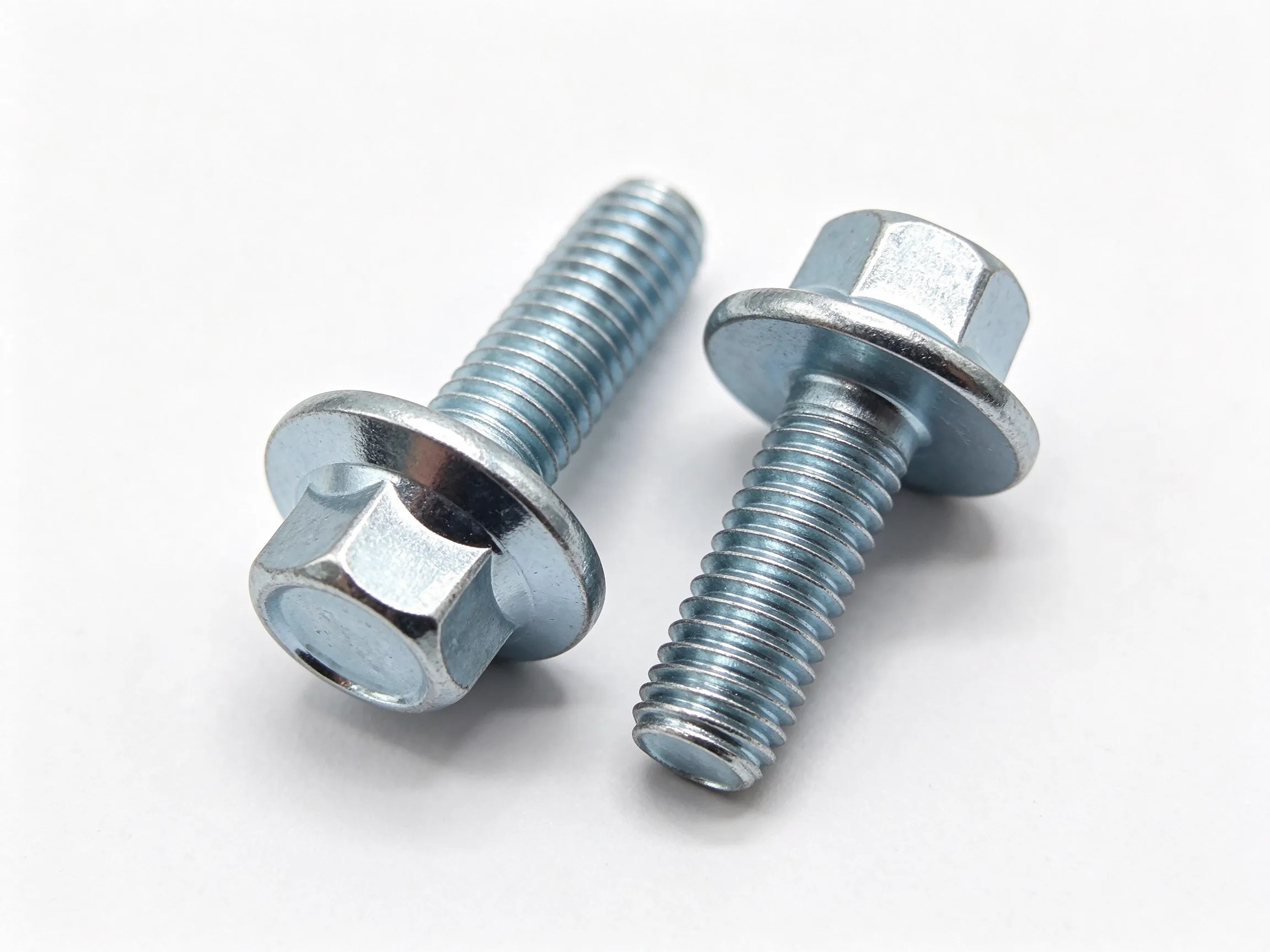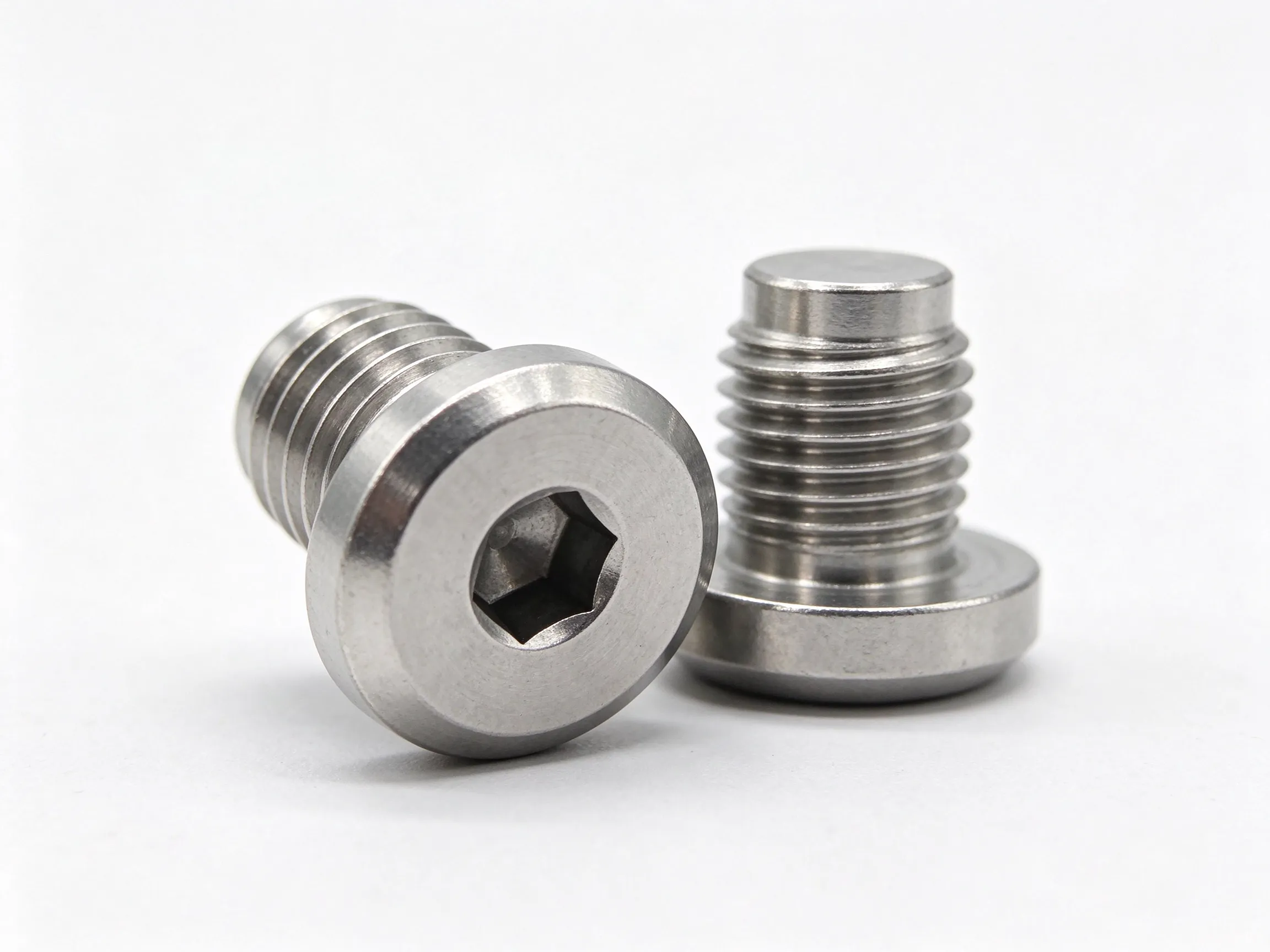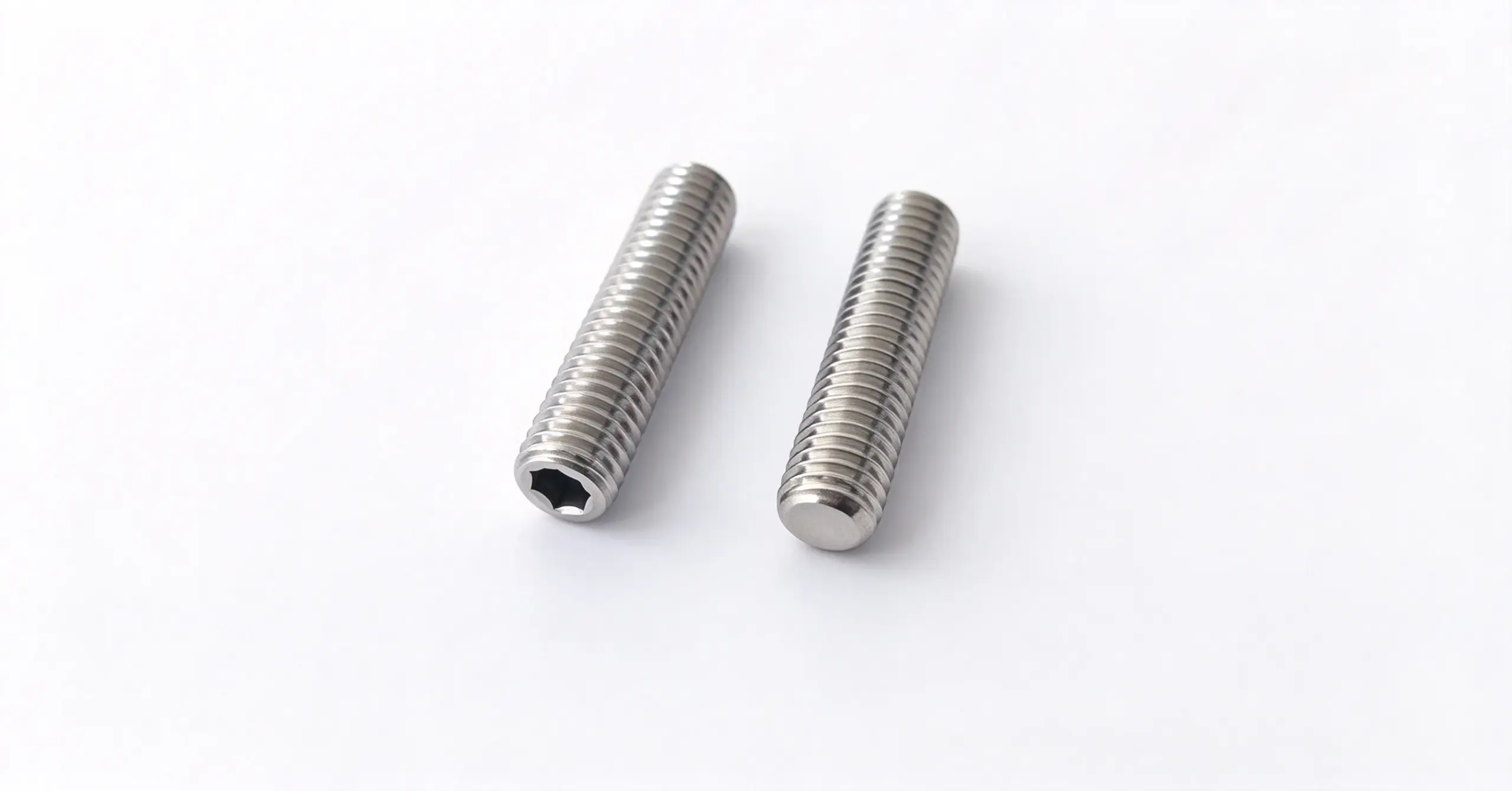
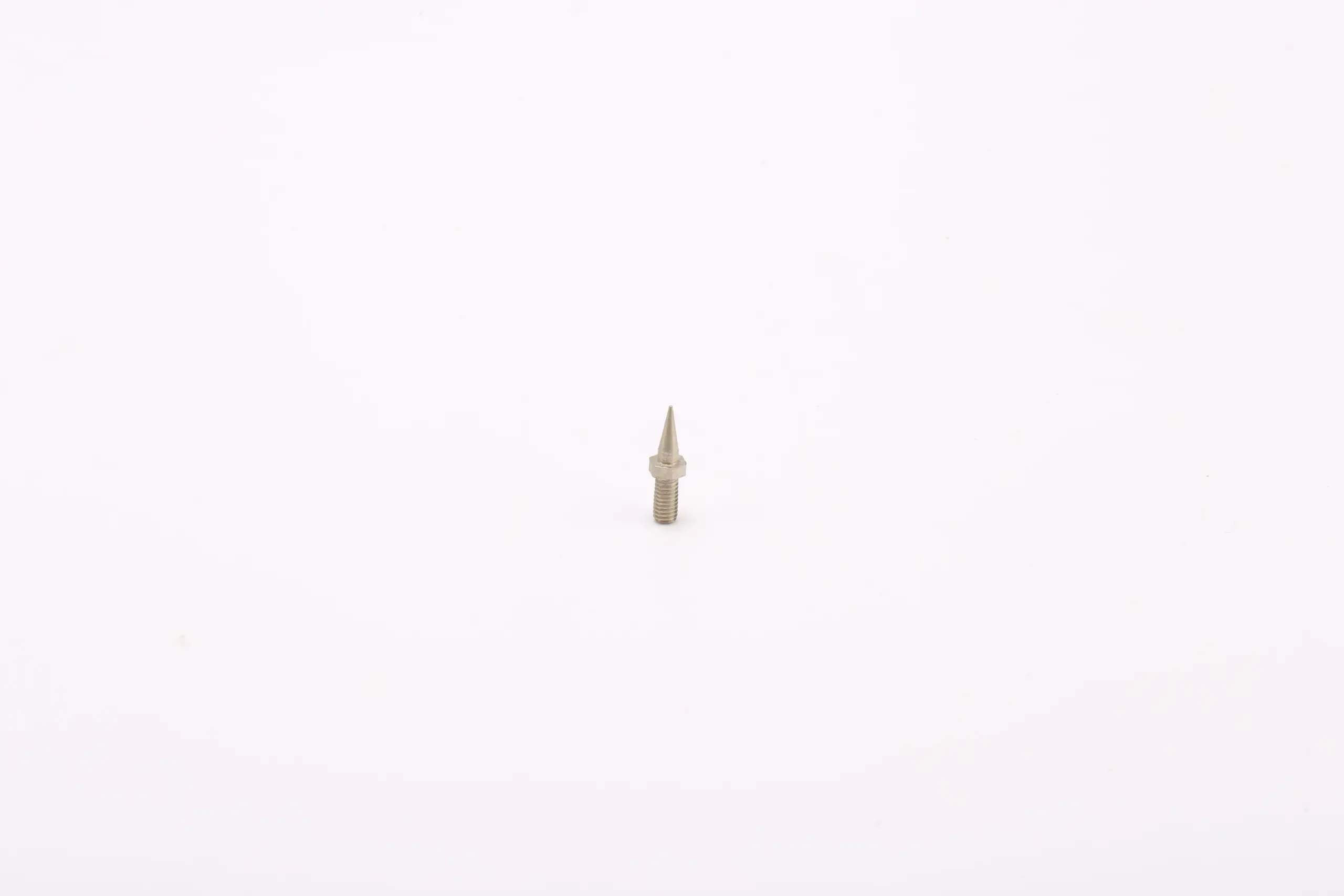
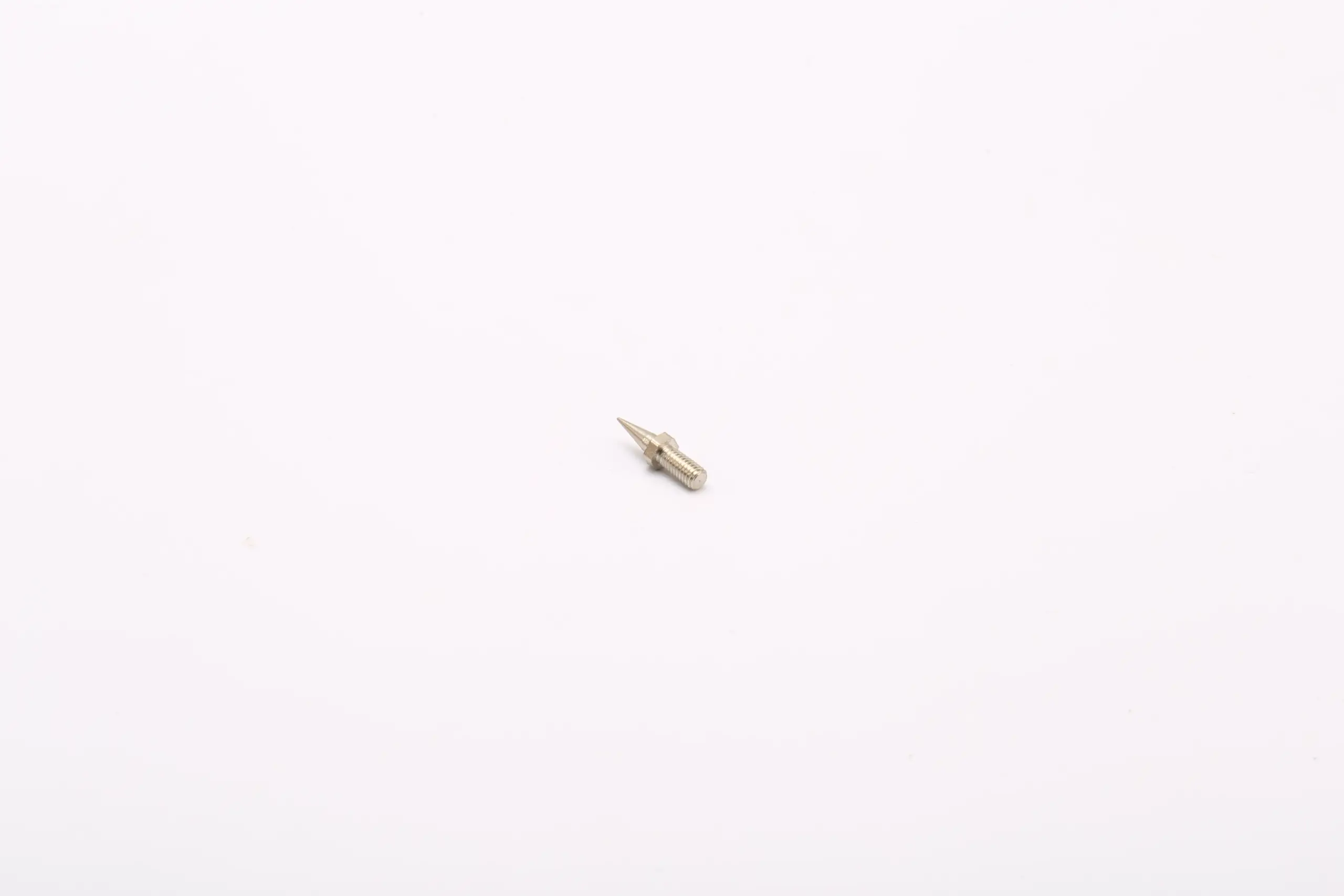
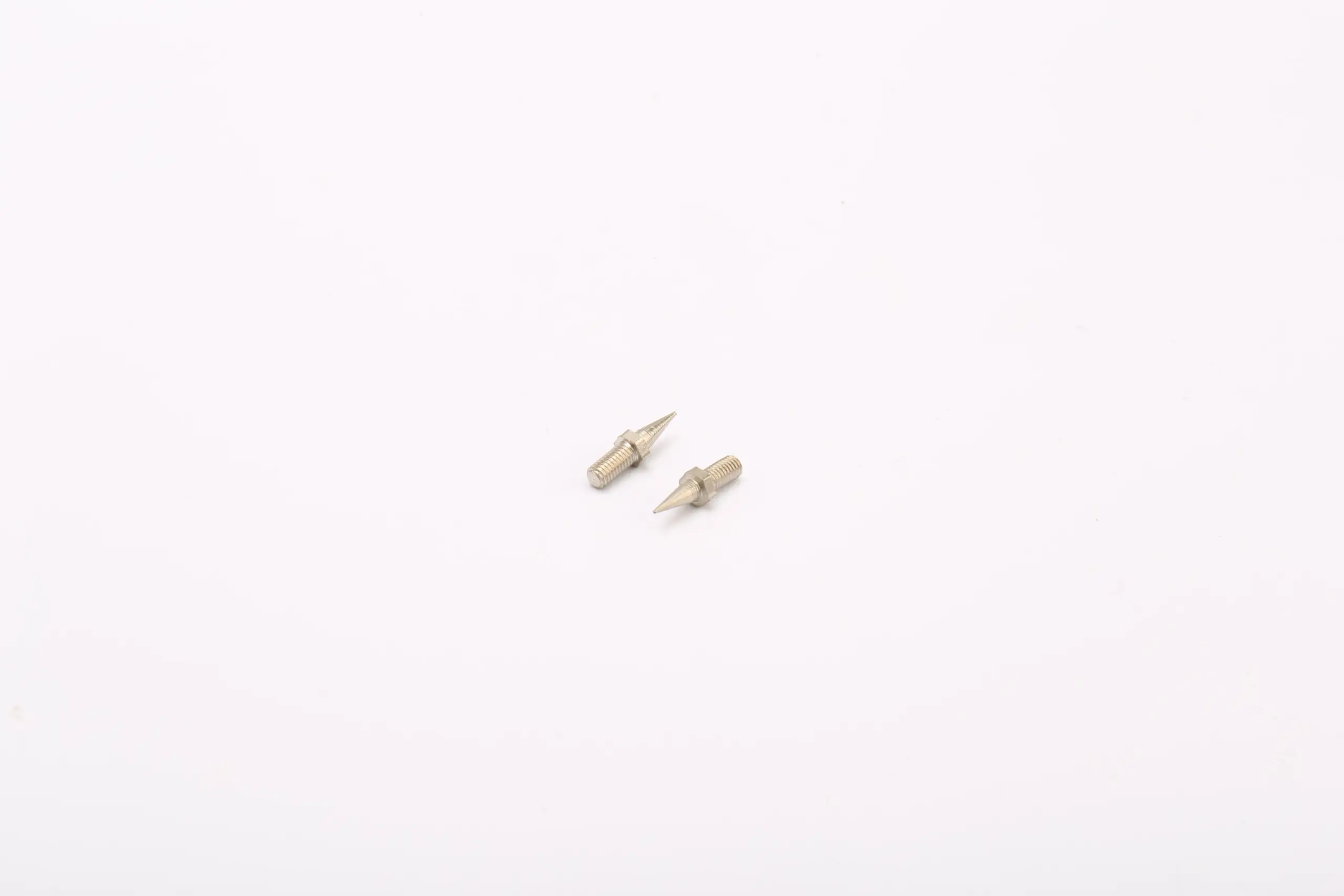
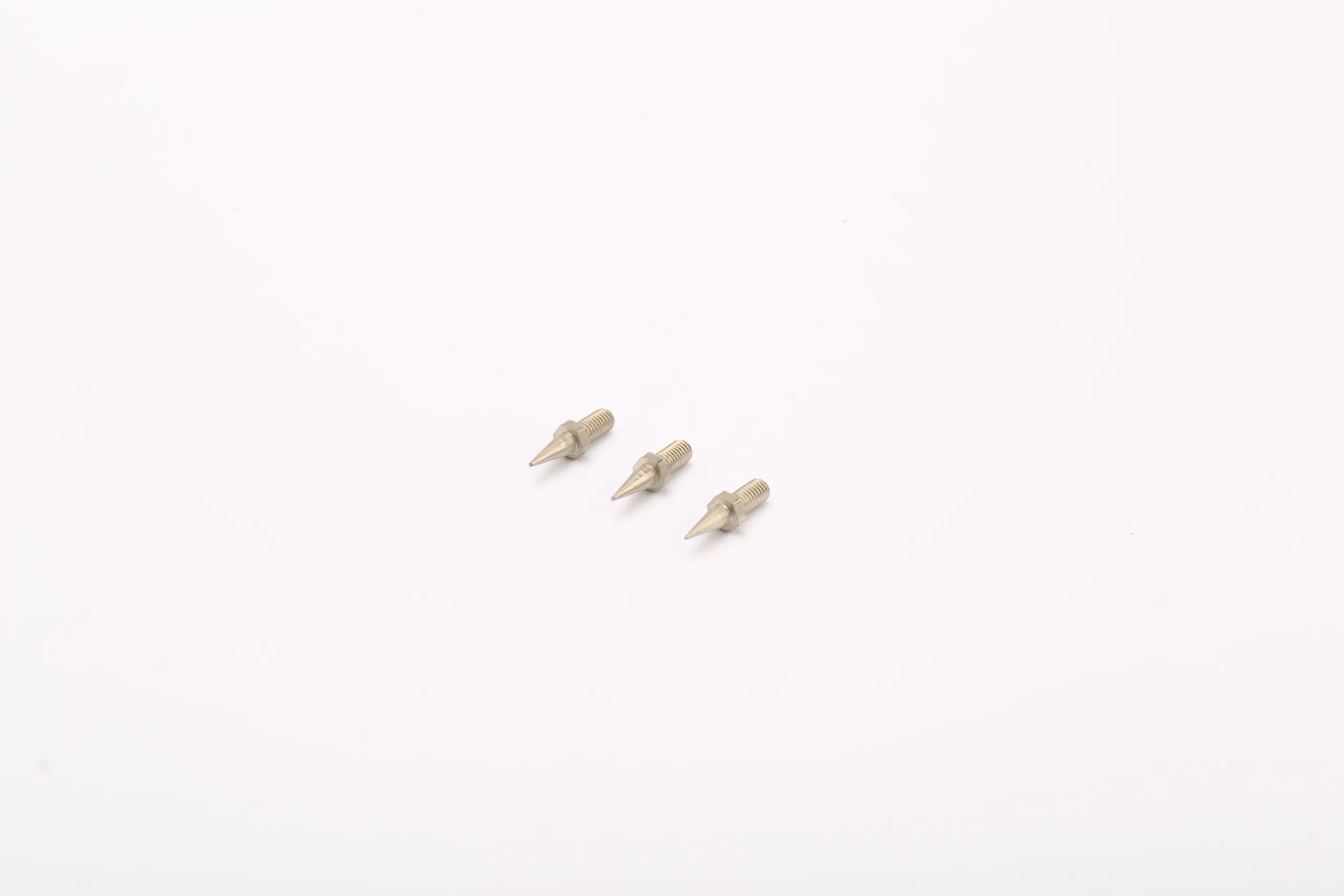
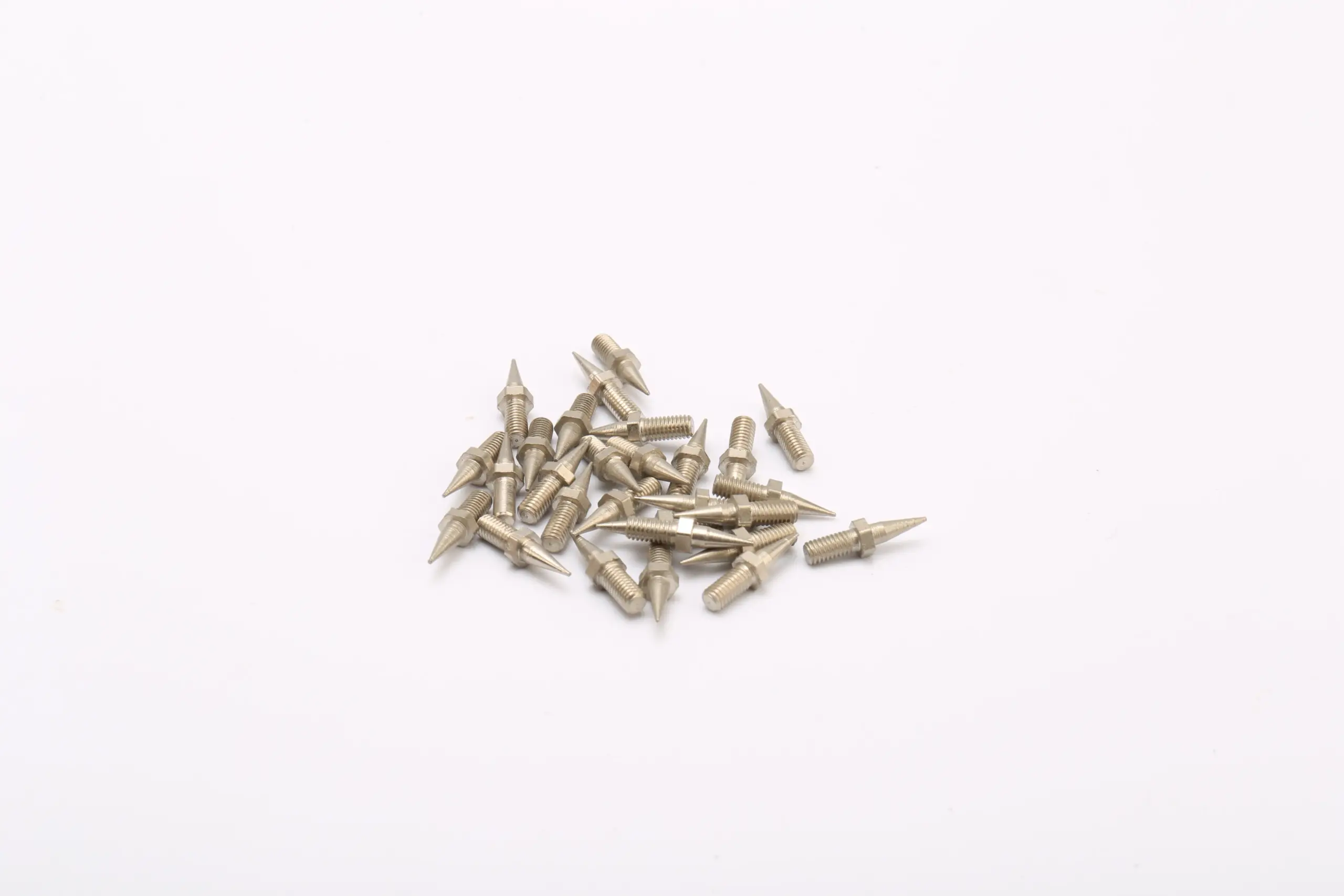
Pointed-tip external-hex screws with a six-sided head and tapered point for locating and driven fastening applications. The notes below focus on the features that need to be confirmed before a drawing is approved.
External hex and point
This pointed-tip external hex screw combines a six-sided head with a tapered point. The external hex provides a wrenching surface, while the point provides a lead-in or locating feature. Neither feature defines the thread or the bearing face.
Begin with the interface that receives pointed-tip external hex screw. The mating bore, panel or bracket establishes which surfaces locate and which clear. A dimension that is correct on the screw can still fail at that interface.
Thread and seating
Specify the thread, pitch, direction and usable length, plus any plain or stepped section. Identify the surface that seats and the mating hole or component that receives the point. Check that the point does not reduce thread engagement below the assembly requirement.
Use functional lengths for pointed-tip external hex screw rather than overall length wherever possible. The distance from the seating face to the first thread, the length of a locating step and the depth of a bore all describe how the part behaves in the assembly.
Wrench access
Check that the wrench can reach the hex head and turn it without touching nearby parts. A projecting head may be easy to reach but can interfere with a cover; a recessed head may need a special wrench or socket. Confirm the available rotation.
Define the assembly orientation for pointed-tip external hex screw and the surfaces that must remain accessible. If the part can be installed in more than one direction, say how the correct orientation is recognized and whether the thread or a keyed feature prevents reversal.
Material and finish
State the material, finish and any wear or appearance requirement. Color alone does not establish the grade or coating. If the point is a locating surface, define its finish and allowable marks. A plated point can change how it enters the mating feature.
When pointed-tip external hex screw will see moisture, cleaning agents or a different metal, state the exposure rather than selecting a finish from color alone. Functional surfaces such as threads, bores and locating diameters may need different protection from cosmetic surfaces.
Trial fit
Trial the screw in the actual assembly. Confirm that the point enters without forcing, the thread engages and the head or shoulder seats at the intended face. Inspect the point and hexagon after tightening.
Production inspection of pointed-tip external hex screw should follow the functions that control assembly. Check the locating features, the thread or bore and the seating face, then add the visible edge and surface checks that matter for the finished part.
FAQ
Can the point be used as a drill?
No. A pointed screw should be matched to a prepared hole or mating feature; it is not automatically a drilling fastener.
Is an external hex the same as a hex socket?
No. The external hex is turned from the outside; a hex socket uses an internal key.
What should be checked first?
Check the point, thread and seating face against the mating part.
Browse the Screws category, or compare phillips-drive pointed screw and pointed irregular screws.