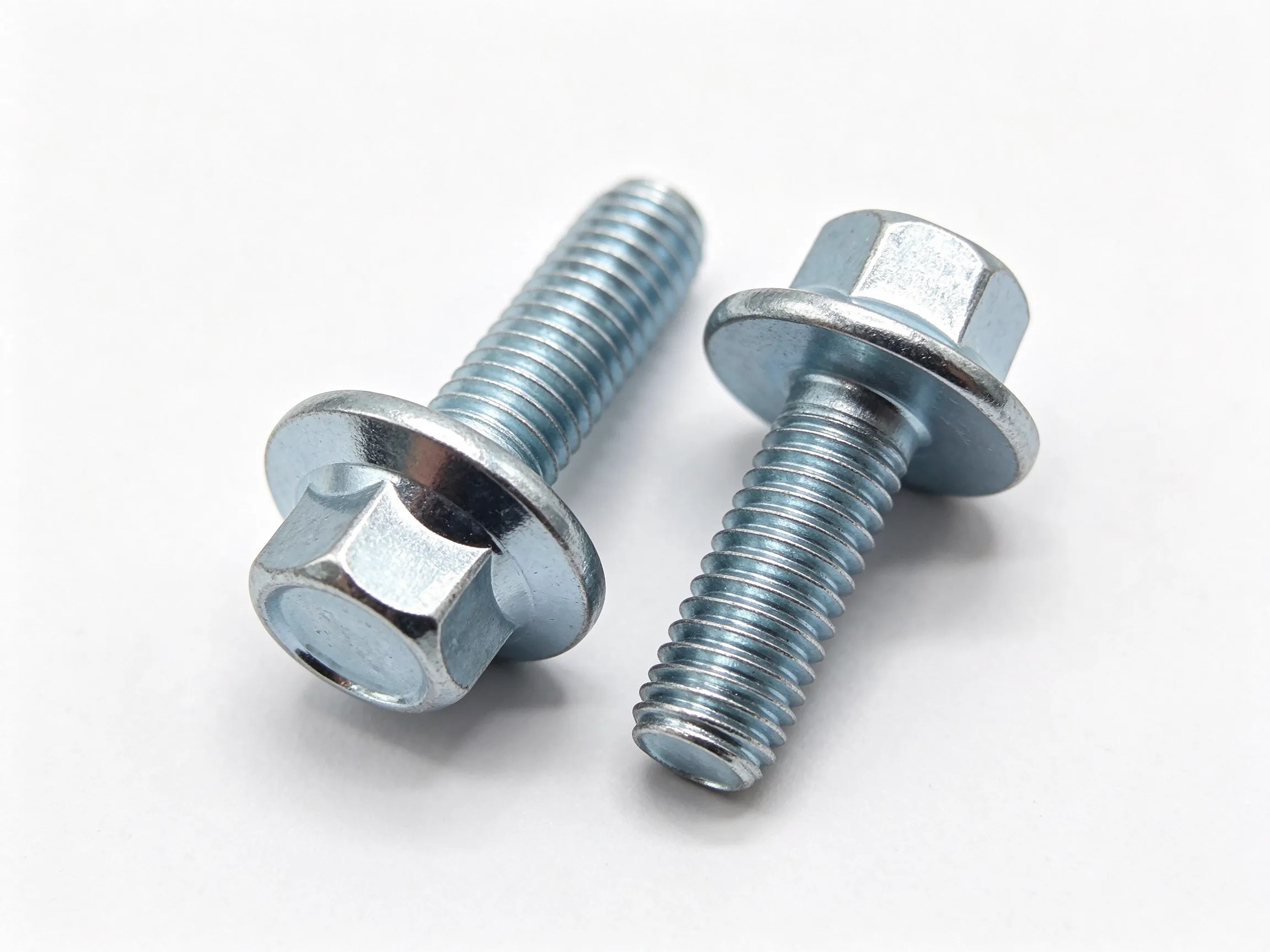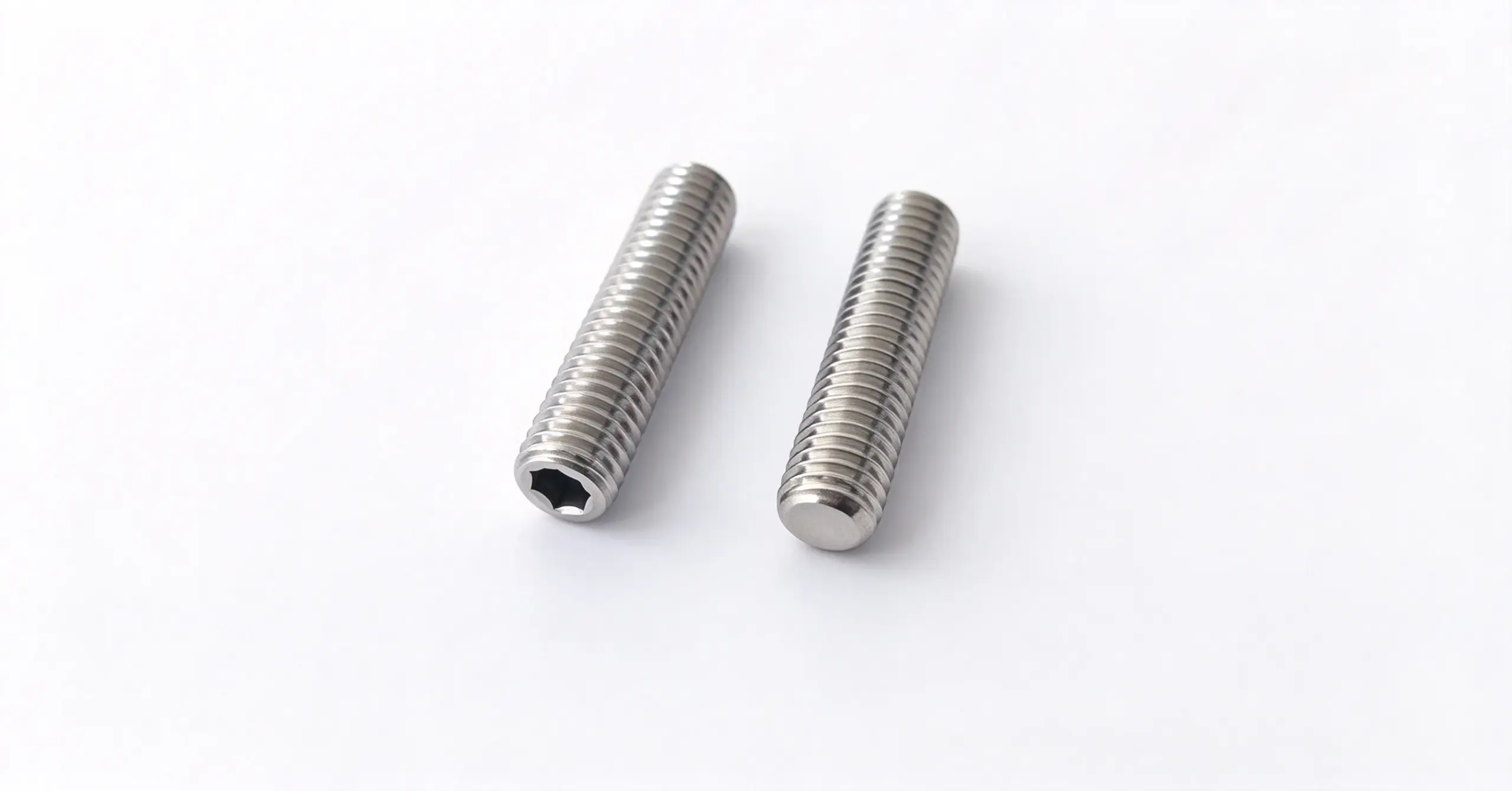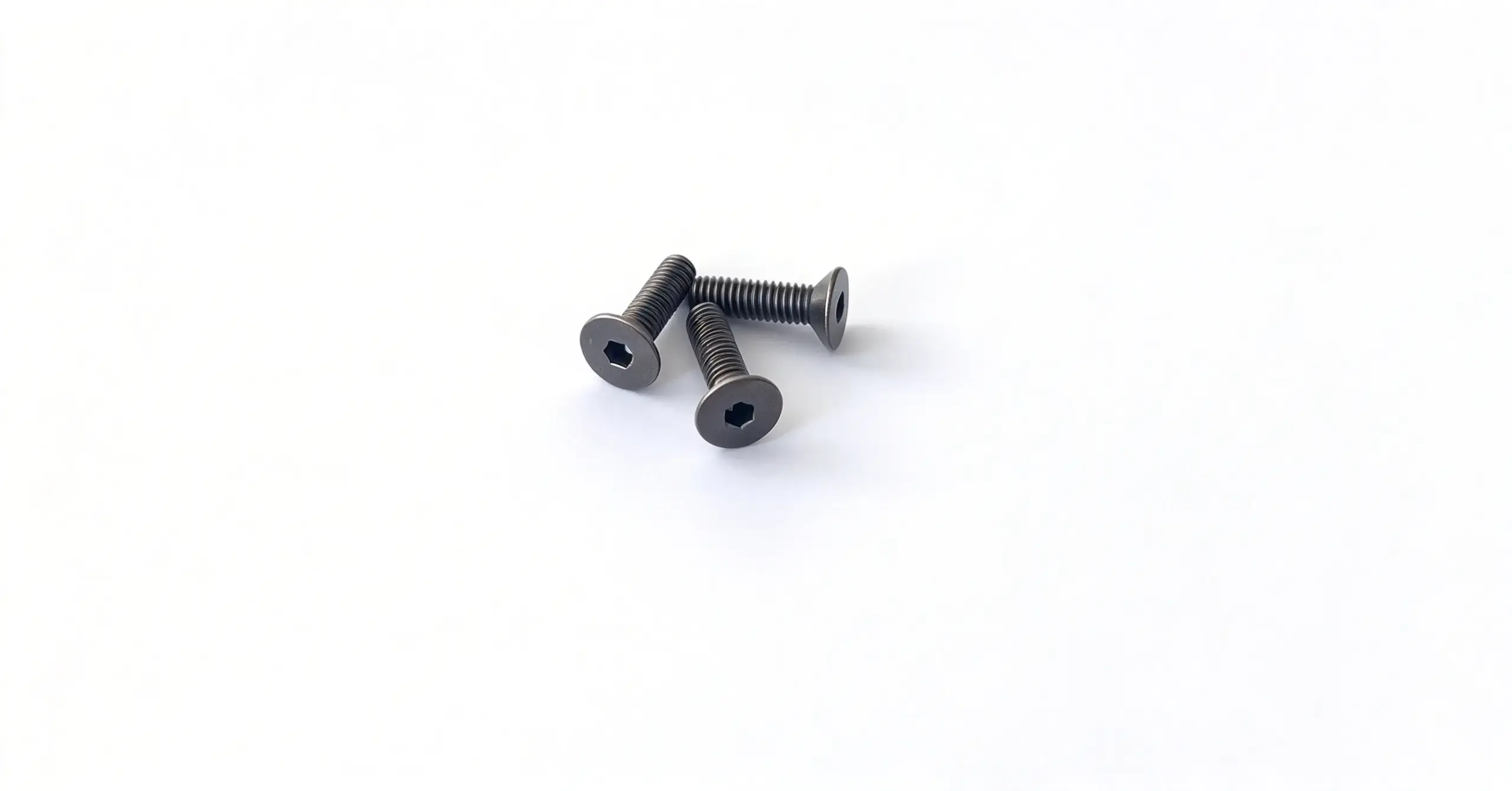
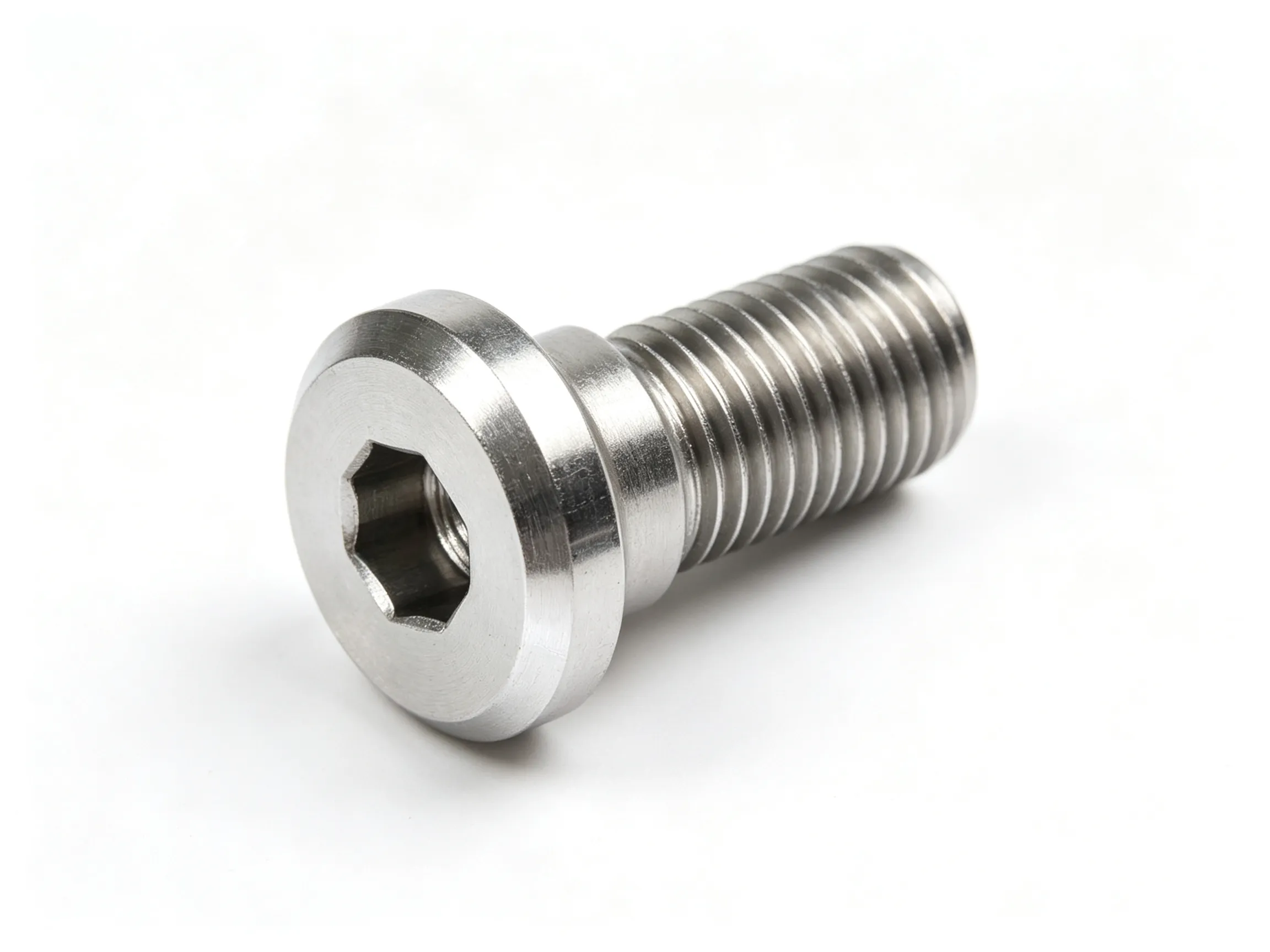
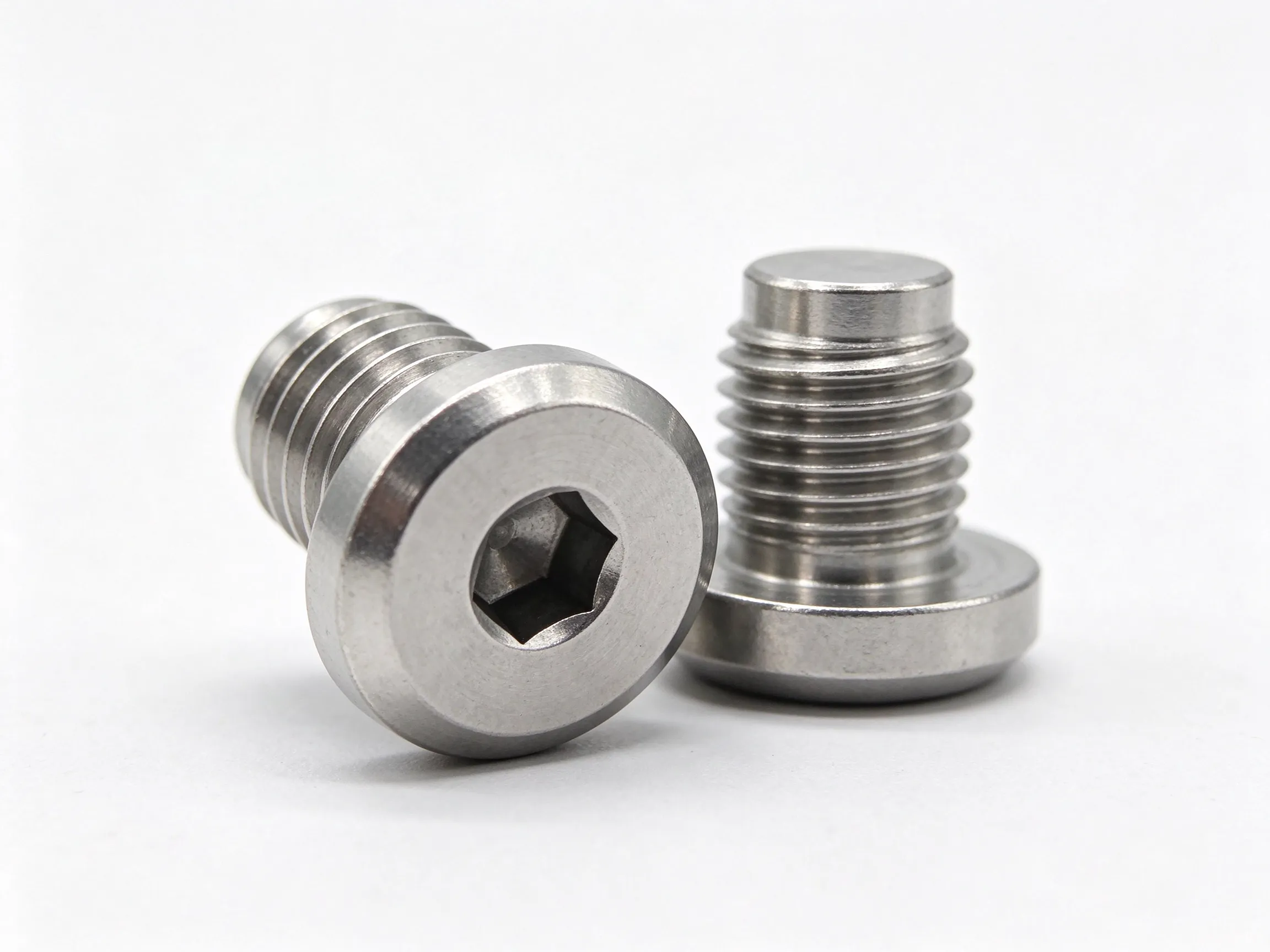
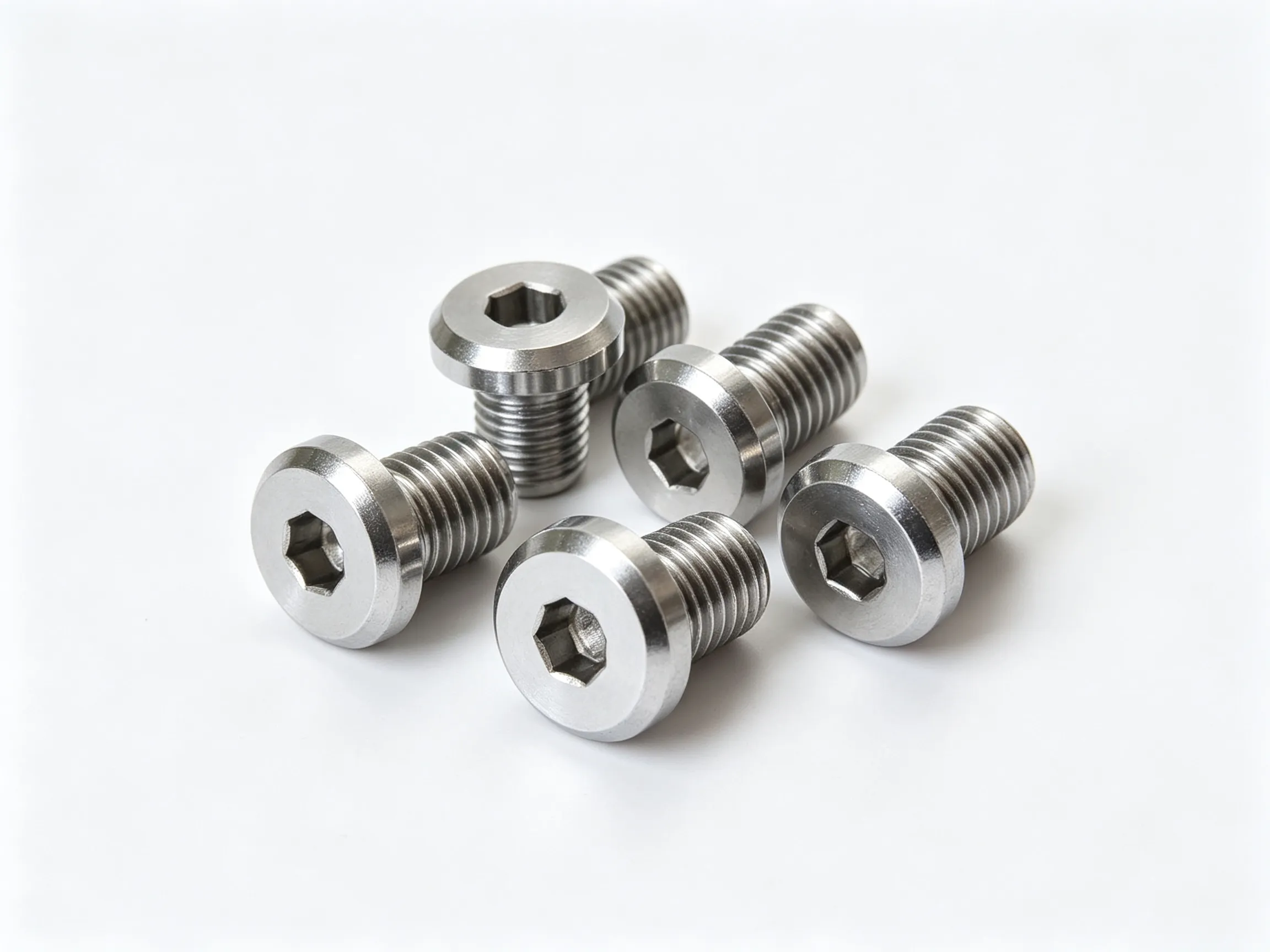
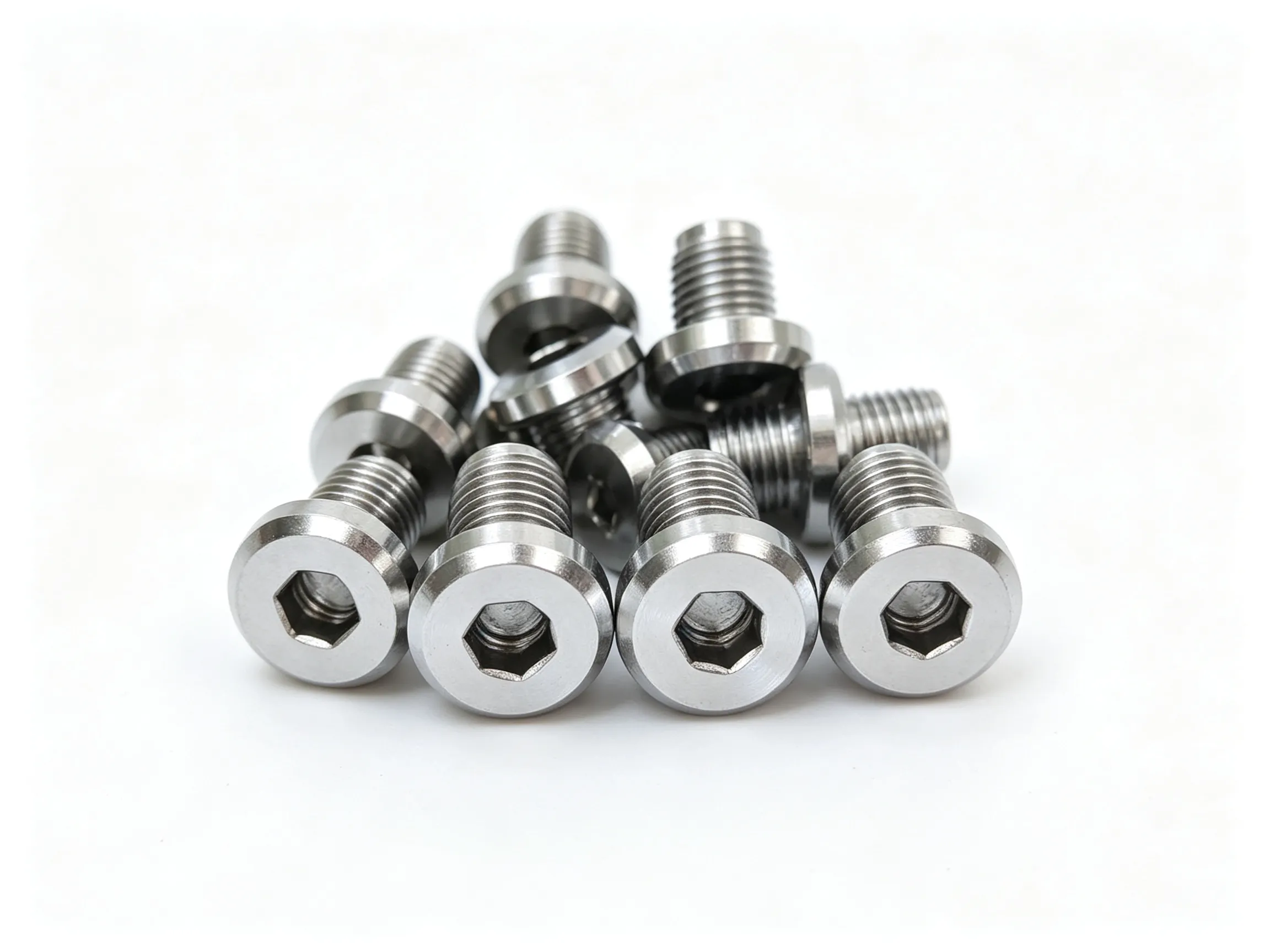
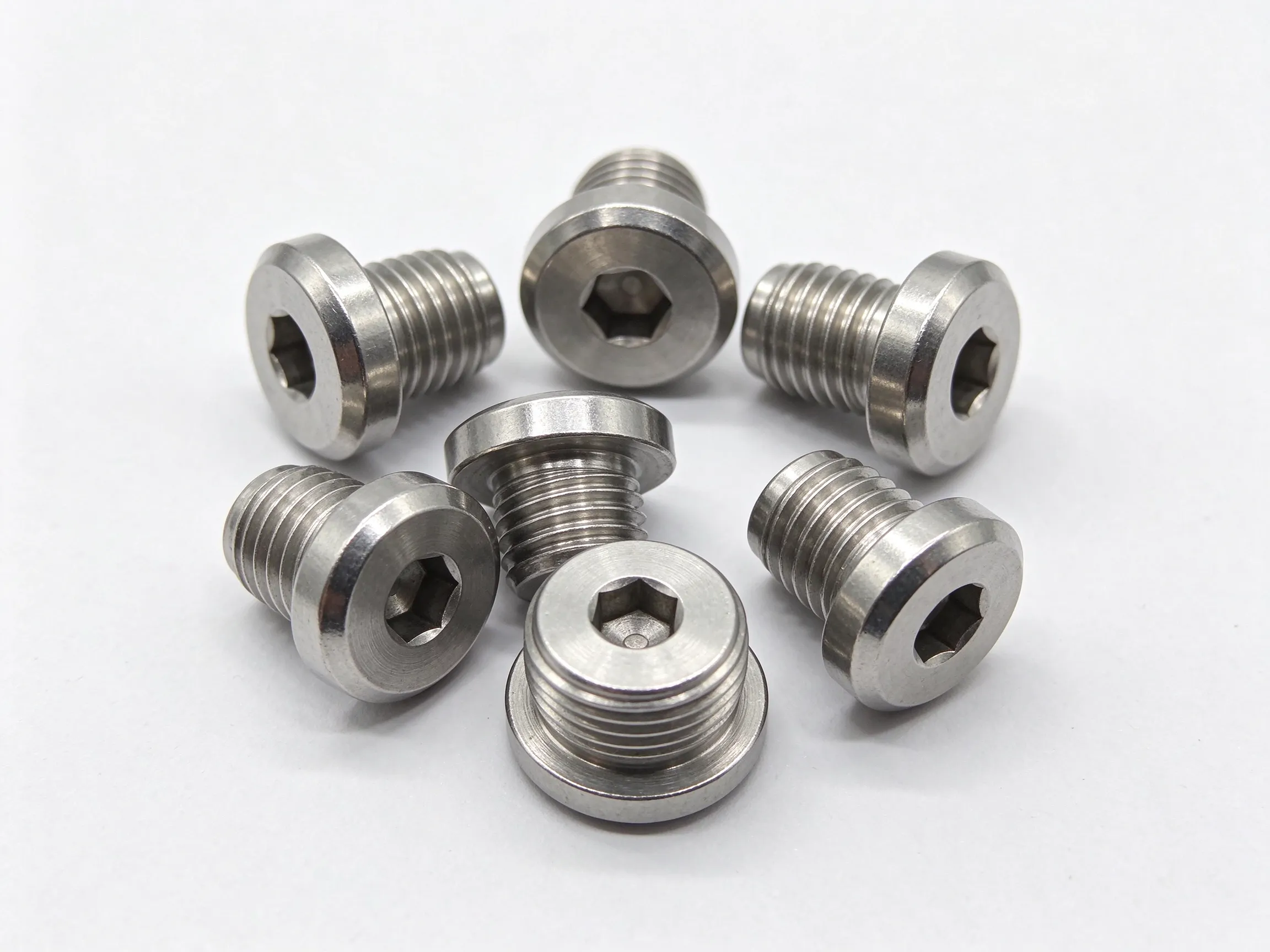
Hex socket screws are produced to drawing or sample for compact assemblies that use an internal hex drive. The socket, threaded shank, bearing surface and installation access are the main details to confirm before quotation.
Drawing and specification review
The drawing should show the socket, head, thread, usable length and any shank step or non-threaded portion. It should also identify the seating face and the surrounding clearance needed for the installation tool. A screw can match the thread and still fail if the socket or head cannot be reached in the assembly.
Material and finish
Material and finish are selected from the drawing, application, appearance and corrosion requirement. When those inputs are not yet confirmed, the review remains drawing-led and no grade, coating or dimensional range is assumed from the product name alone.
Production review
The production review covers the socket and head form, thread, shank and finish. The route is confirmed from the drawing so that the functional surfaces and installation features are controlled during production.
Assembly and inspection
Inspection should check the socket, head, thread, seating face and any drawing-specific shank feature. Trial assembly should confirm tool engagement, thread start, seating and the required clearance around the installed screw.
Drawing and order details
Send a dimensioned drawing or stable sample together with the expected quantity, mating-part information and any inspection or packaging requirement. Photographs can help explain the application, but they do not replace the dimensions that control fit and assembly.
The drawing revision and reference sample should be kept together once the project moves forward. Production checks can then focus on the features that control seating, location, thread engagement, movement or appearance instead of relying on a general visual match.
Request a quote
MOQ and lead time are confirmed per drawing in the quotation. The review can then cover the material and finish route, the production method and the inspection requirements without assuming specifications that are not present on the approved drawing.
Drawing changes and approval
Any drawing change should identify the affected dimension, feature or finish so the production requirement can be reviewed again. A marked-up drawing, a revision note or a replacement drawing is clearer than a verbal change because the supplier and the buyer can check the same information. The approved revision should be kept with the reference sample and order details. If a change affects a seating face, thread, locating feature or other functional surface, the inspection requirement should be updated at the same time. This makes the handoff from quotation to production easier to check and helps avoid mixing an earlier drawing with a later order.
Order and packaging review
The final order should identify the product, drawing revision, material and finish together with the expected quantity and packaging requirement. If the parts need protection for a visible surface, a particular orientation in the pack or separation between components, state that requirement during the review. The receiving team can then check the carton and part condition against the agreed information. The project remains drawing-led: MOQ, lead time, production route and inspection details are confirmed in the quotation, while any dimensions or specifications not shown on the drawing or sample are not assumed.