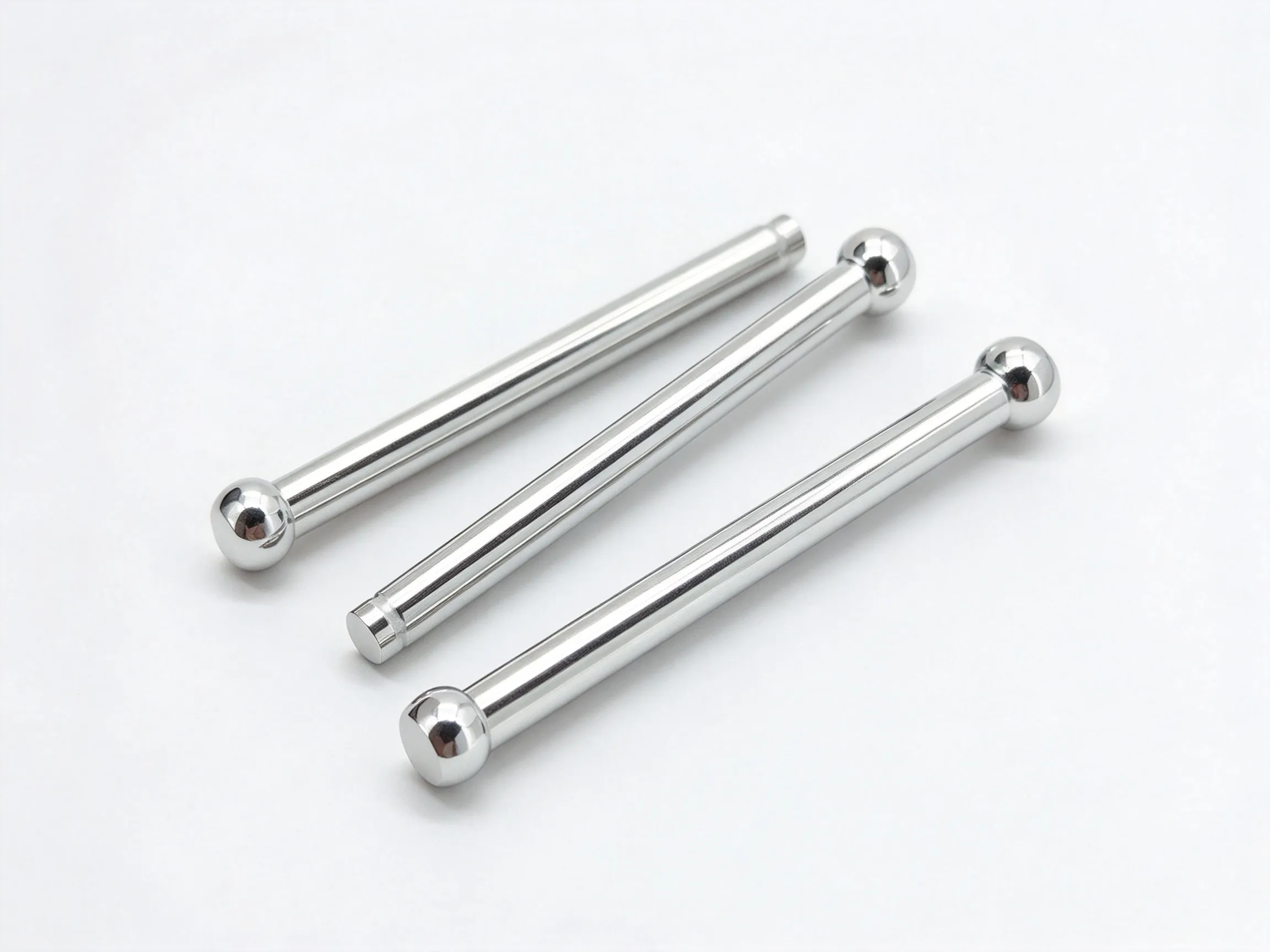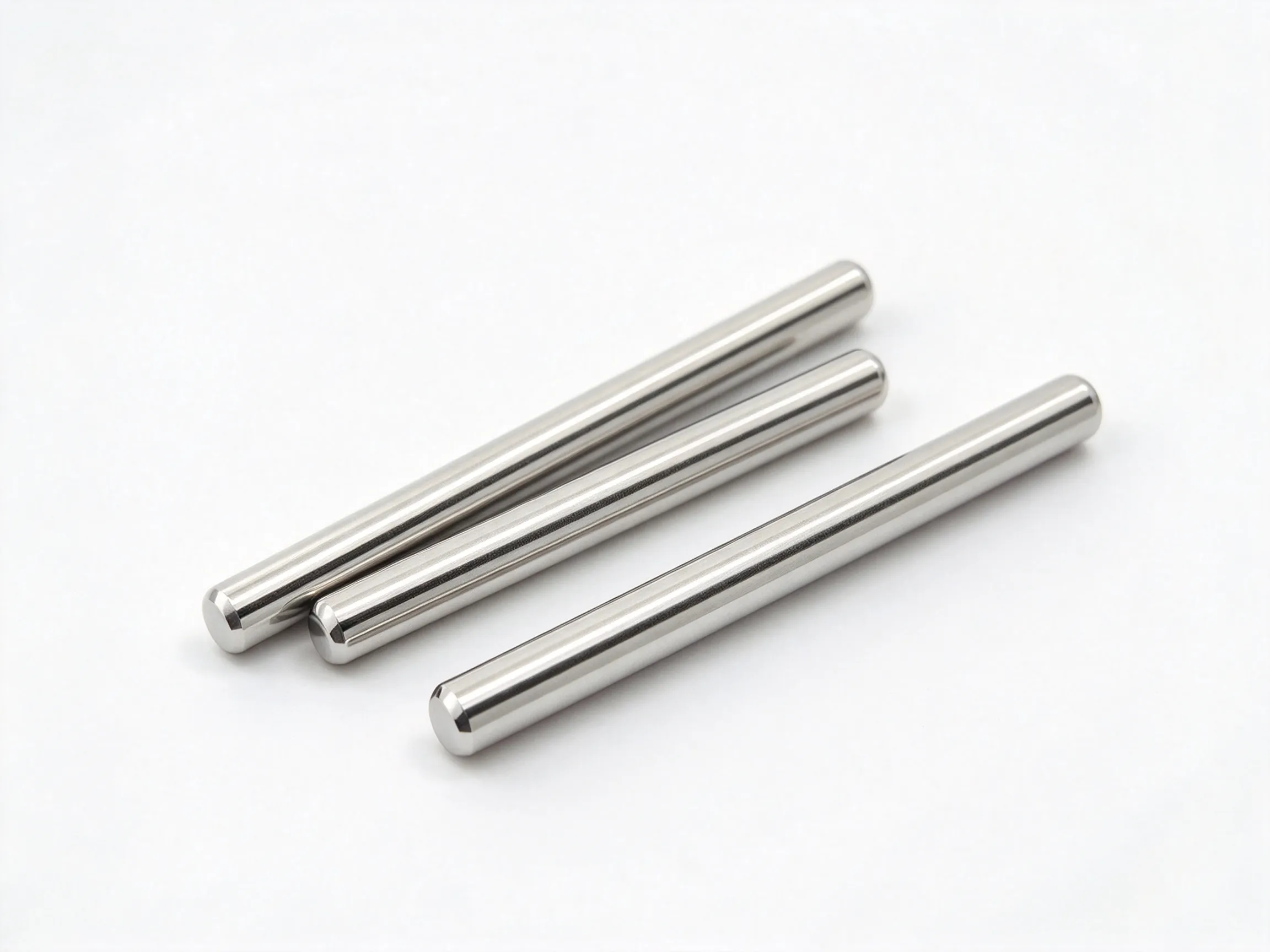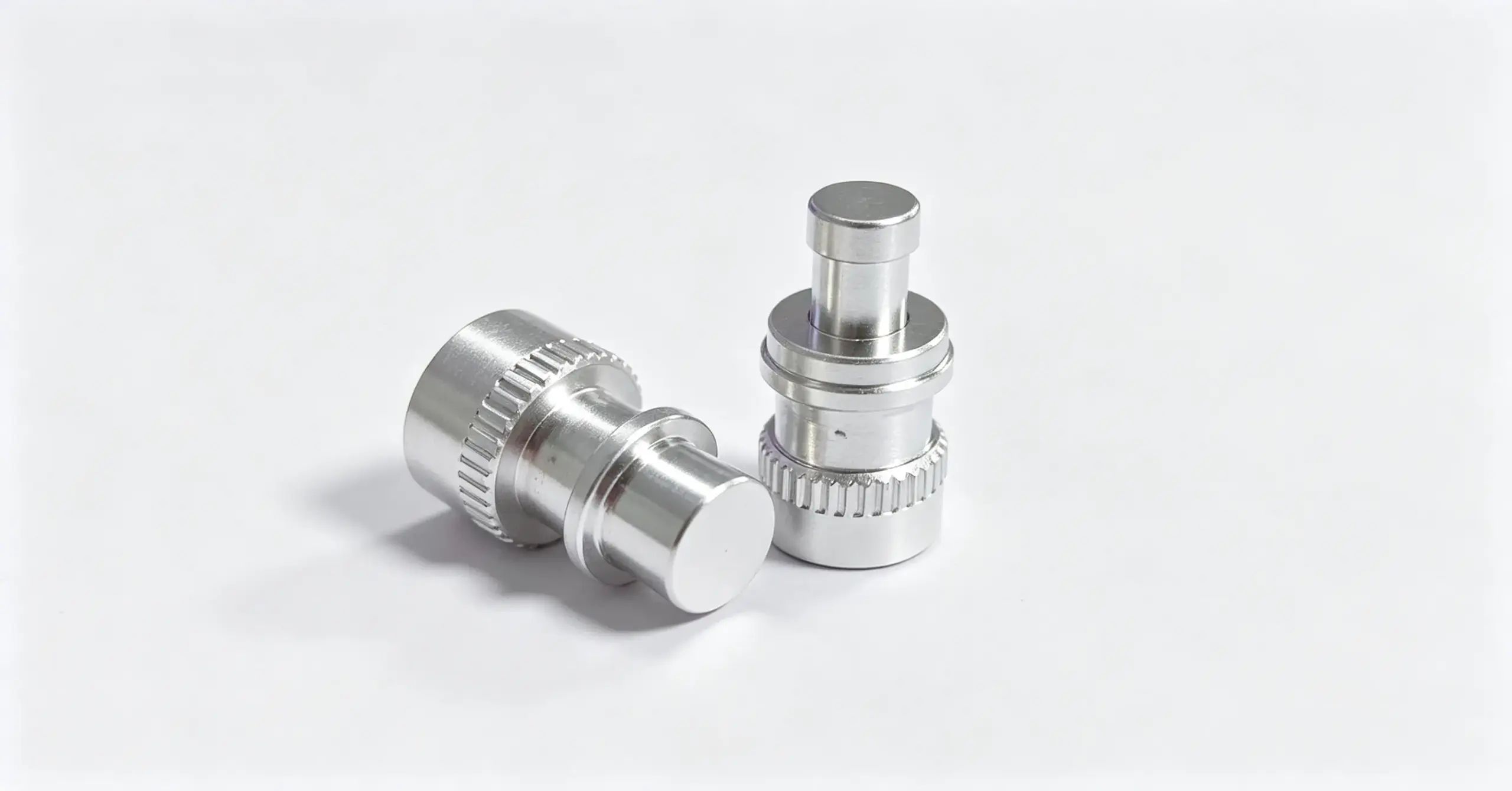
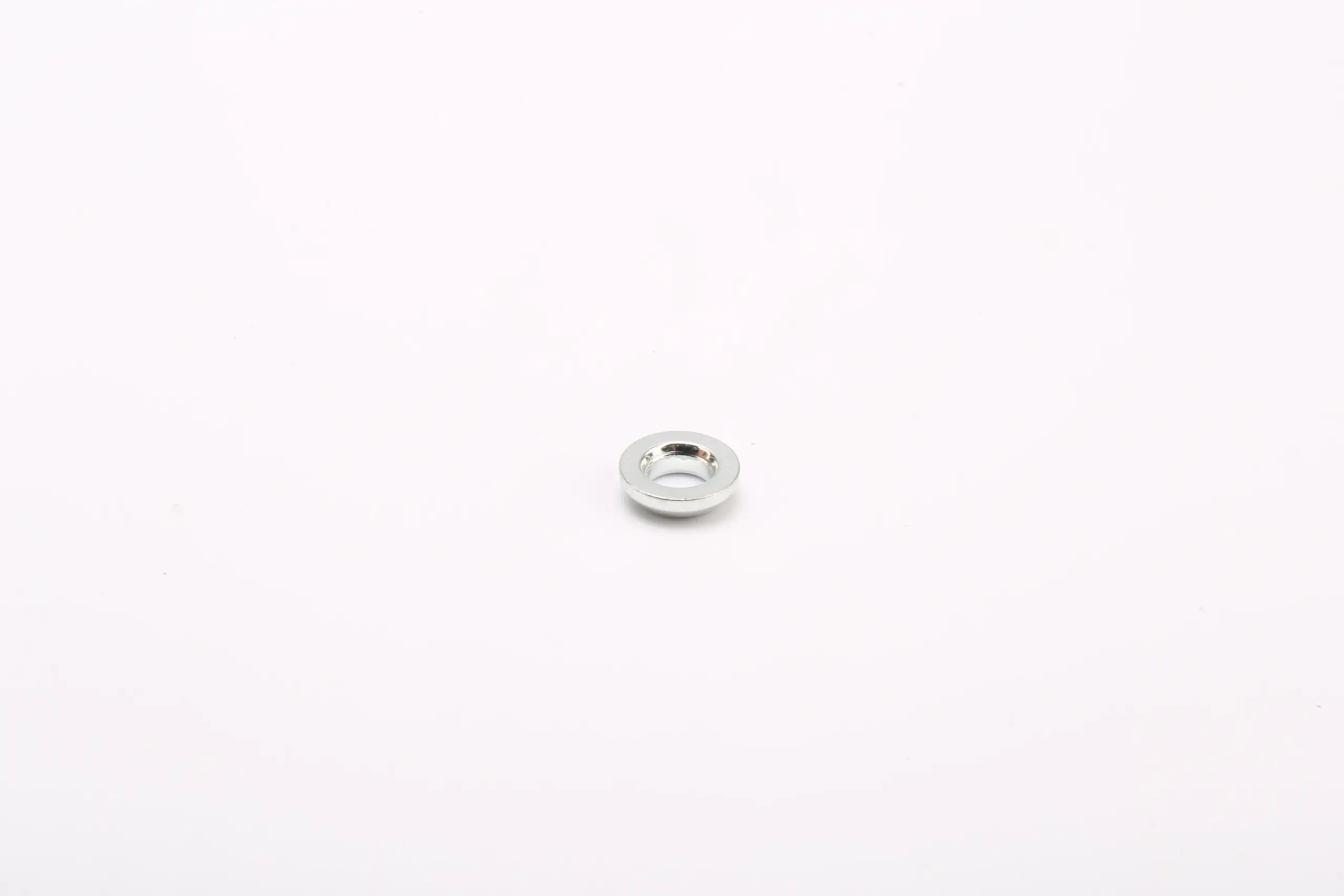
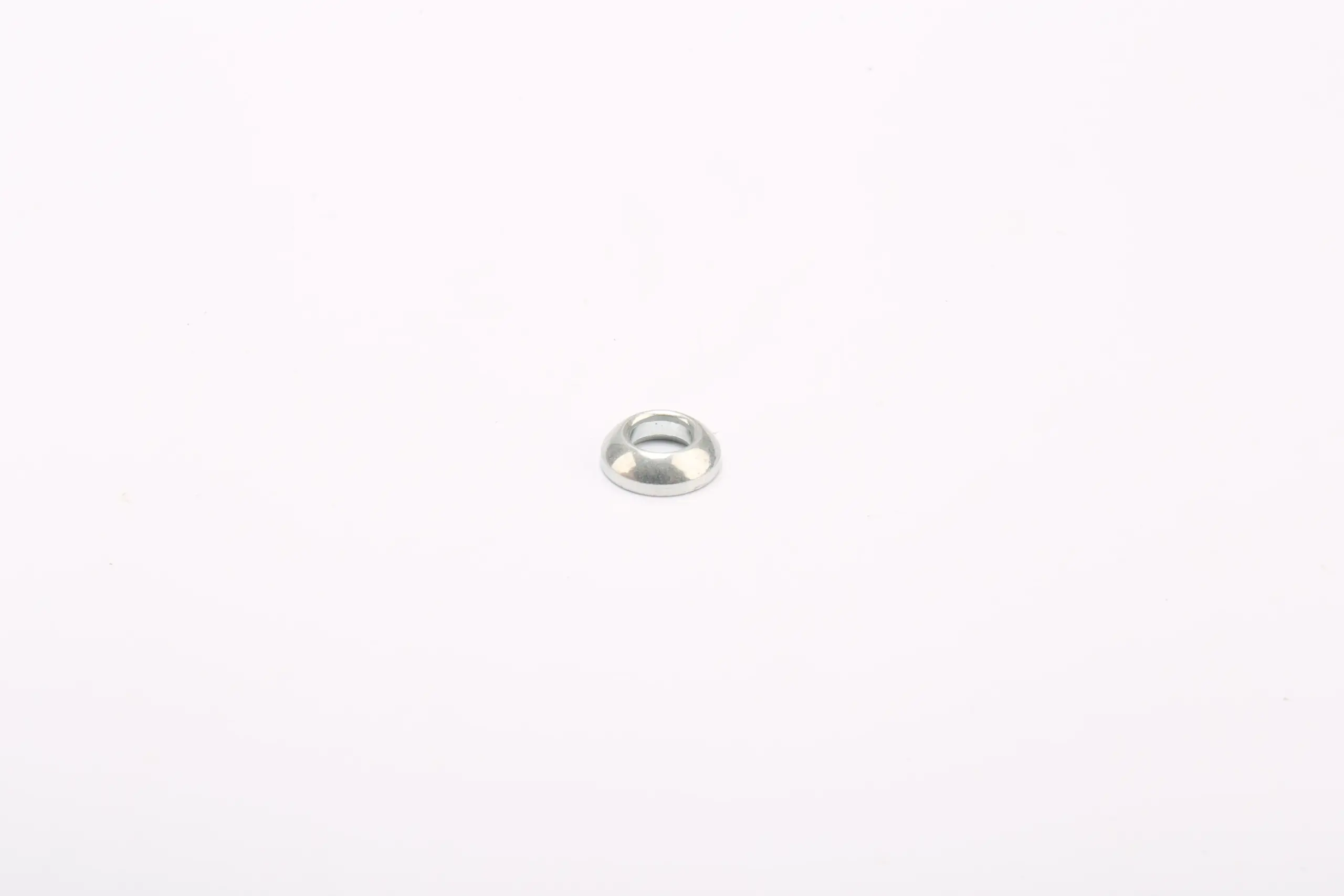
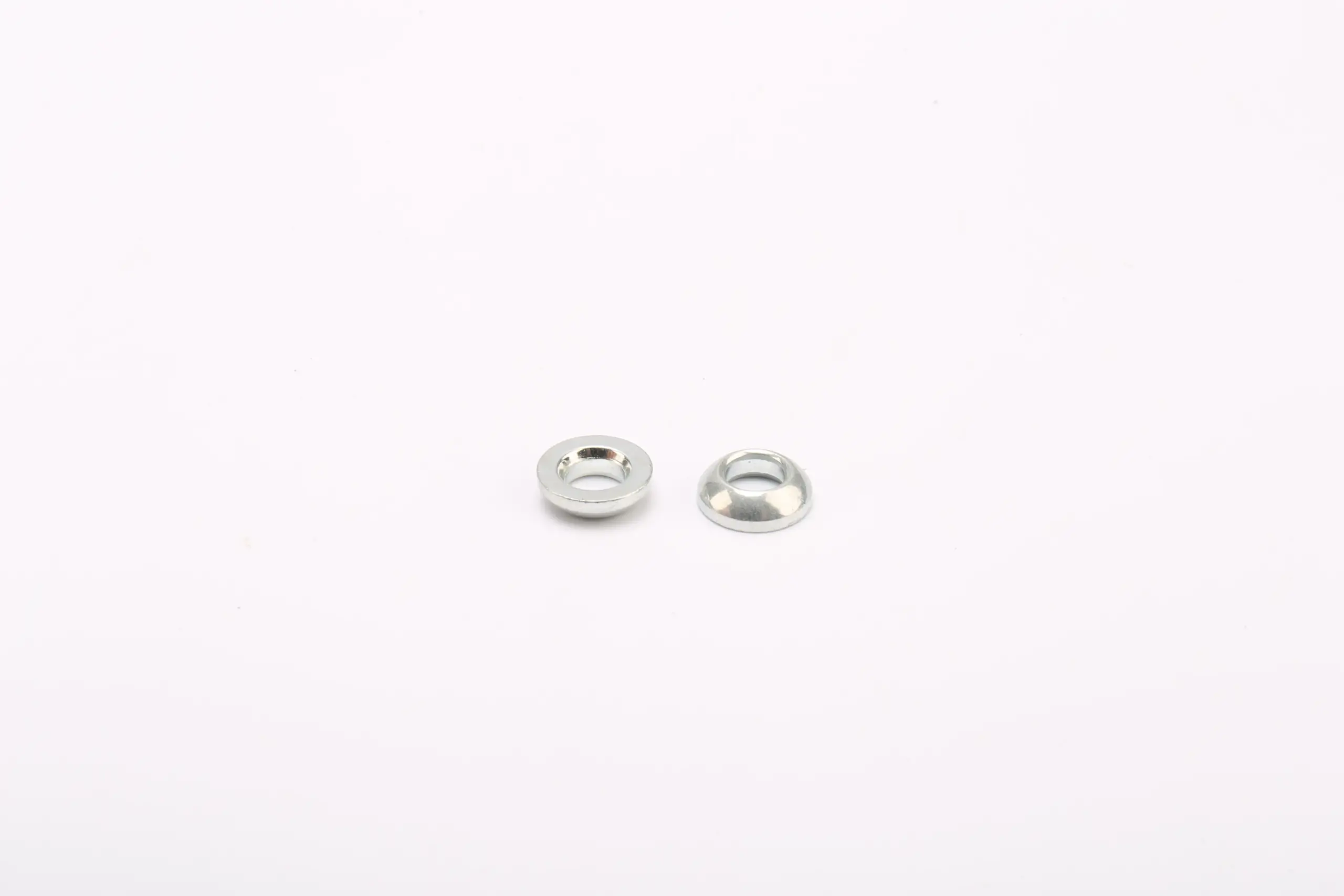
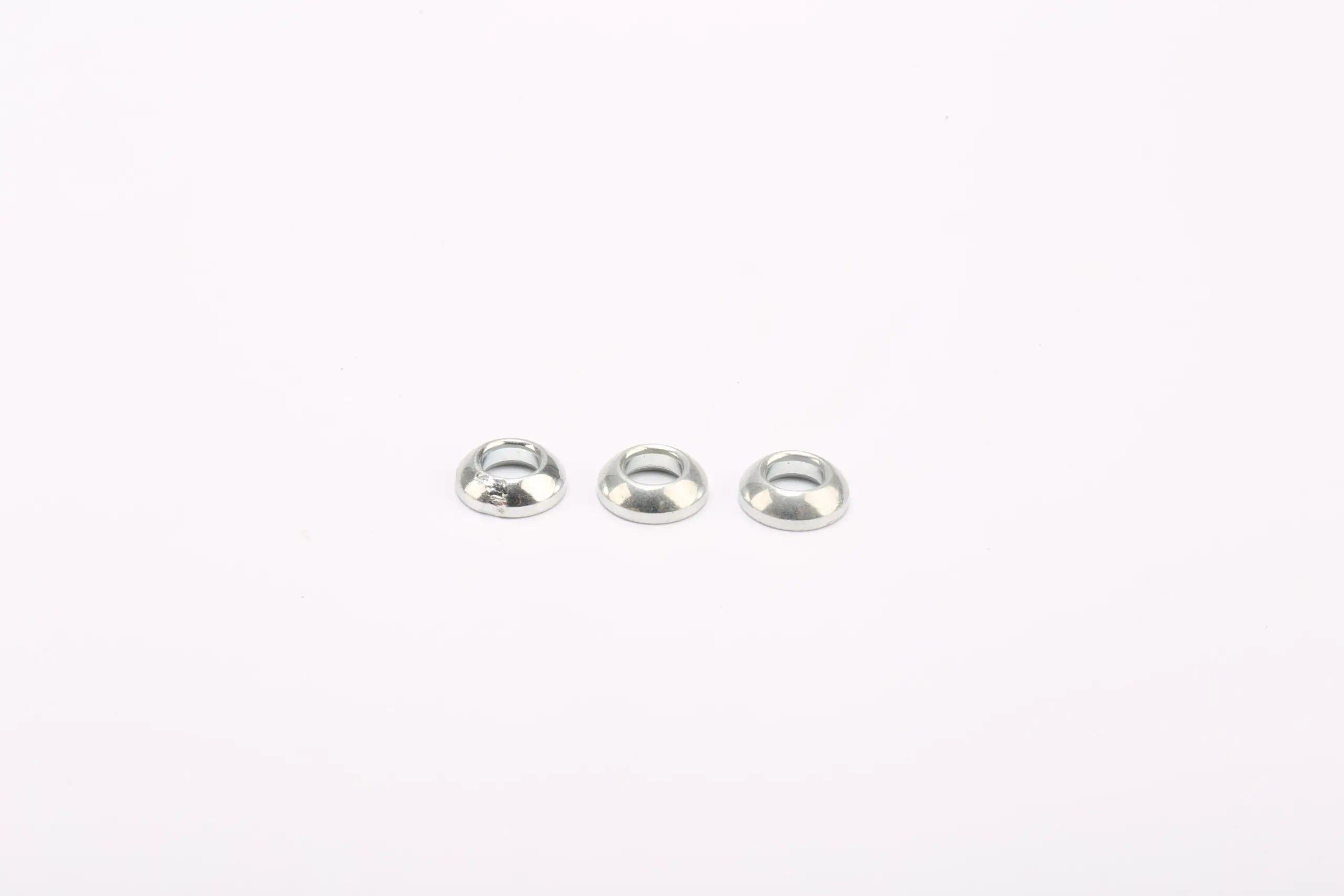
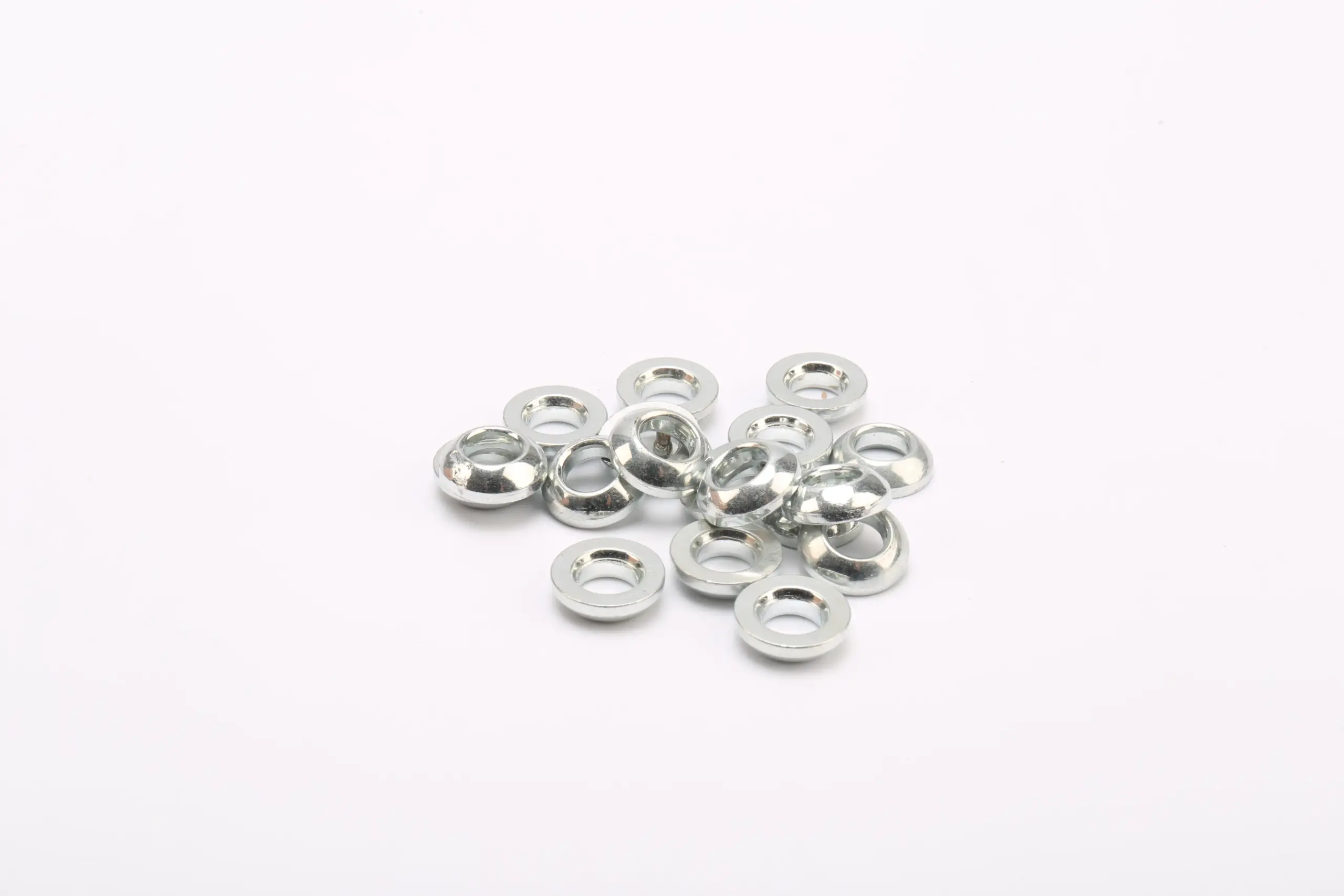
A customized hollow semi-circular part is an open, curved shell rather than a solid pin or sleeve. The gallery shows a shallow cup-like form with a curved outer surface and an open interior, so the wall, rim and opening need to be defined together.
Curved shell and open profile
The part is formed around a curved outside surface and has an open interior. The rim may be circular or shaped, and the wall may vary around the curve. A drawing should identify the outer profile, the inner cavity and the surfaces that must remain parallel or concentric. The opening is a functional feature, not just empty space.
Special assembly and cover use
Hollow semi-circular parts can be considered for covers, spacers, guards, small housings and custom assemblies where a full cylinder would be too heavy or would block access. Check how the part is supported and whether the open side faces a moving component. The rim may need to sit against a panel or engage a mating groove.
Wall, rim and opening control
The wall thickness should be sufficient for handling and for the intended attachment. A thin rim can distort during forming or assembly, while a thick wall may reduce the internal clearance. Specify the opening size, rim flatness and any radius at the transition. Do not infer sealing, pressure resistance or load capacity from the hollow shape.
Specification inputs
- Show the outer curve, overall envelope and open side.
- Dimension wall thickness, rim and internal cavity.
- Identify the mounting faces and mating component.
- State material, finish, quantity and inspection method.
Forming and trial inspection
Inspect the part for dents, spring-back and uneven rim edges. Check the opening with the mating component and confirm that the curved surface clears nearby hardware. If the part is visible, define the cosmetic finish; if it is structural, identify the surfaces that must remain free of cracks or thinning.
The open shell can distort if it is clamped at the rim. Review the mounting points and confirm that the wall is supported during assembly. Check that the opening faces the intended direction and that no sharp rim edge can cut a cable, seal or moving part. If the part is a cover, verify that it clears the internal component through the full assembly movement. Inspect the curved surface for dents before packing.
FAQ
Is this the same as a half tube?
The description is drawing-led. A half tube may have a different rim and wall definition, so use the actual profile rather than the name alone.
Can the opening be a different shape?
Yes, if the opening and its mating function are defined on the drawing.
Does the hollow form imply pressure resistance?
No. Pressure or load performance requires a separate engineering review.
Browse the Custom Parts category, or compare stepped shaped inserts and brass ball head parts.