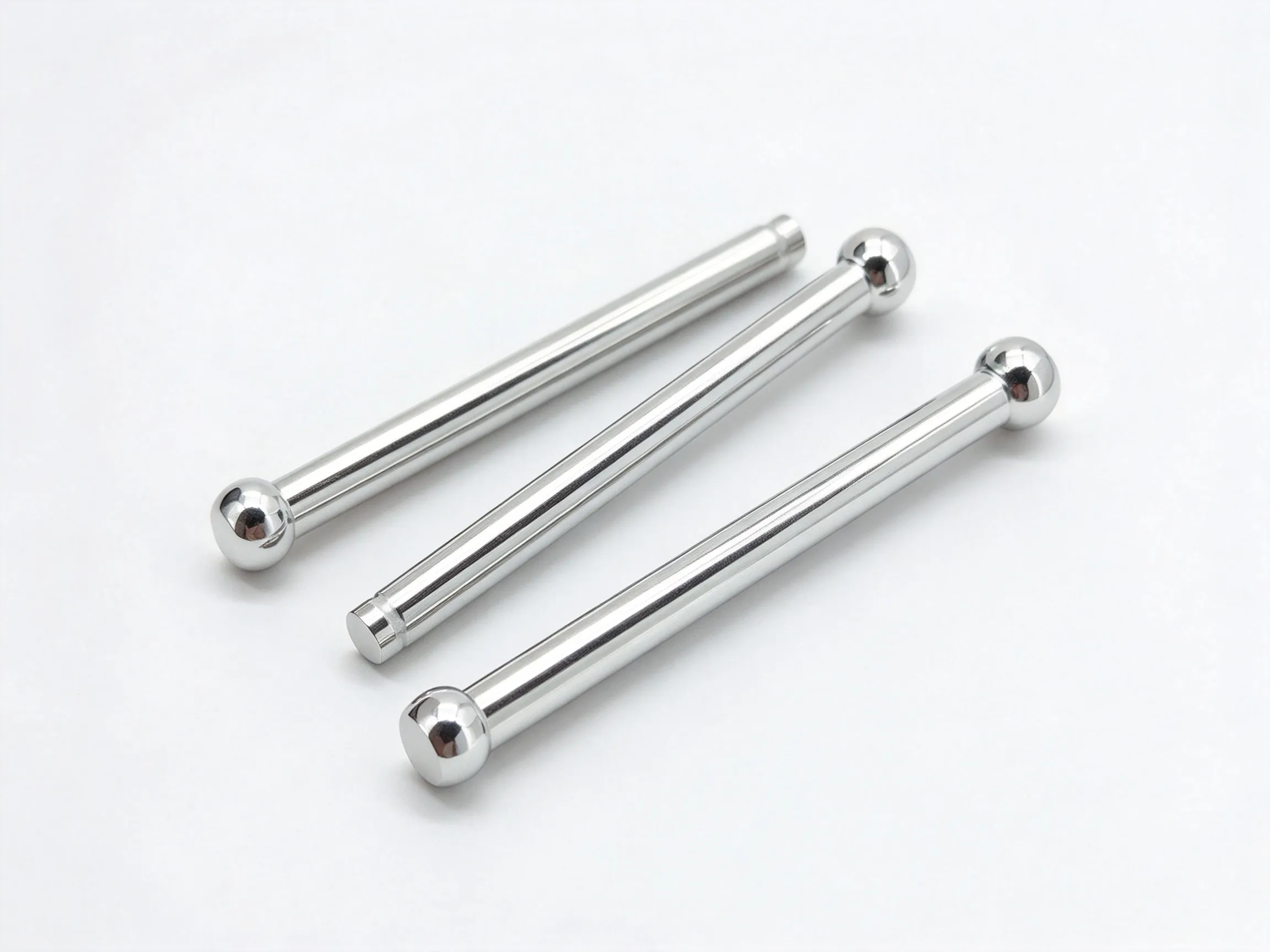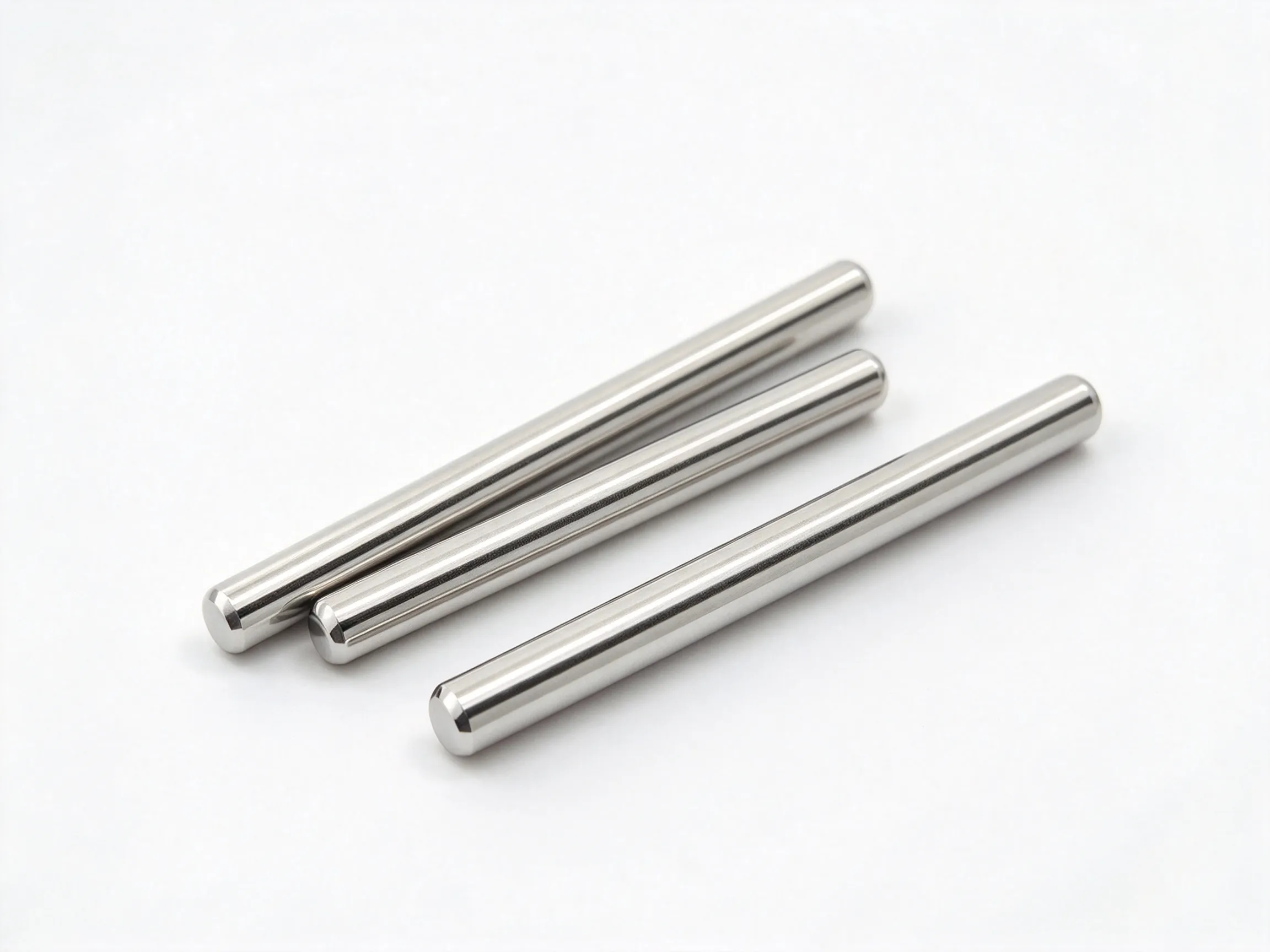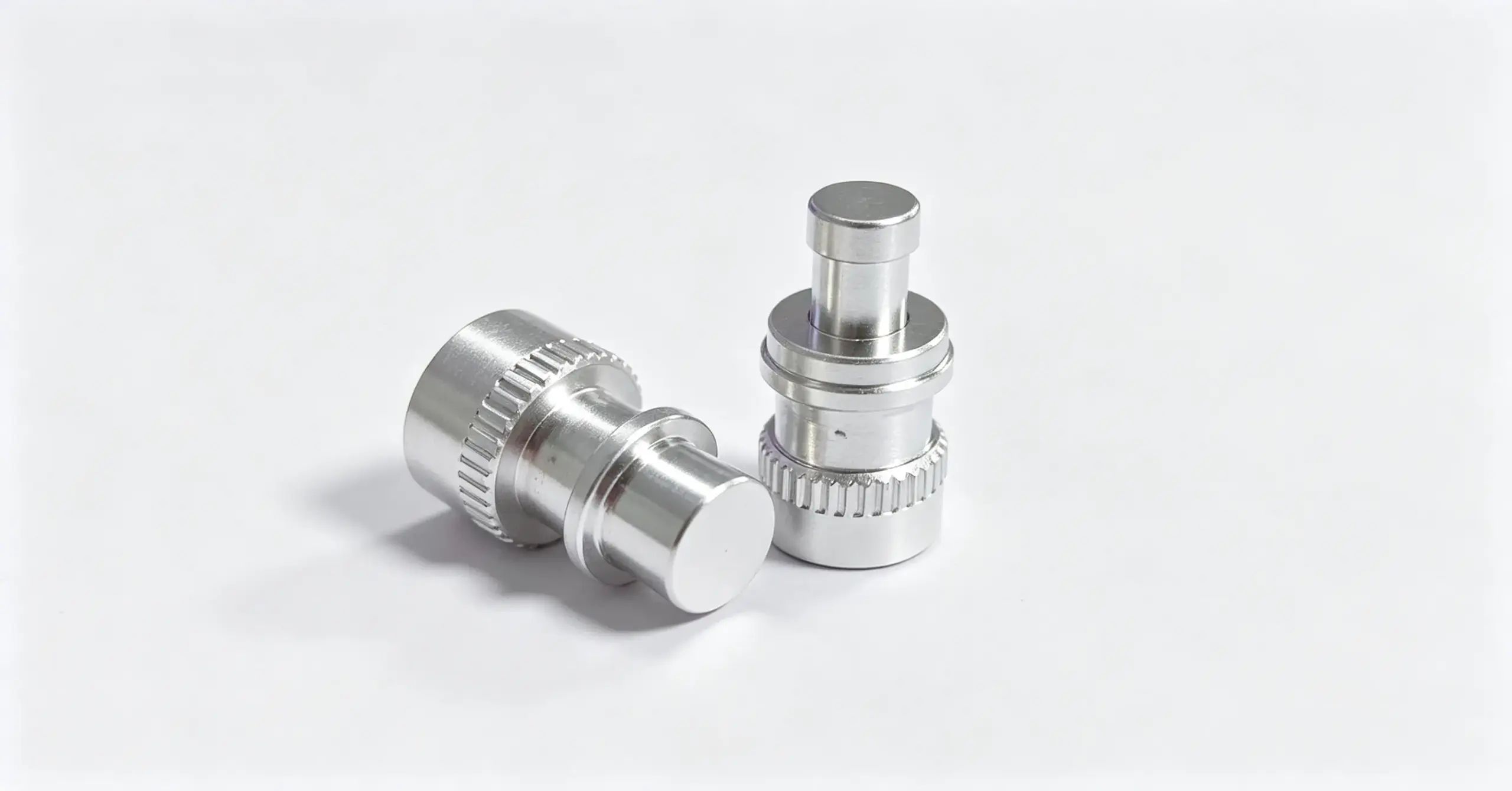
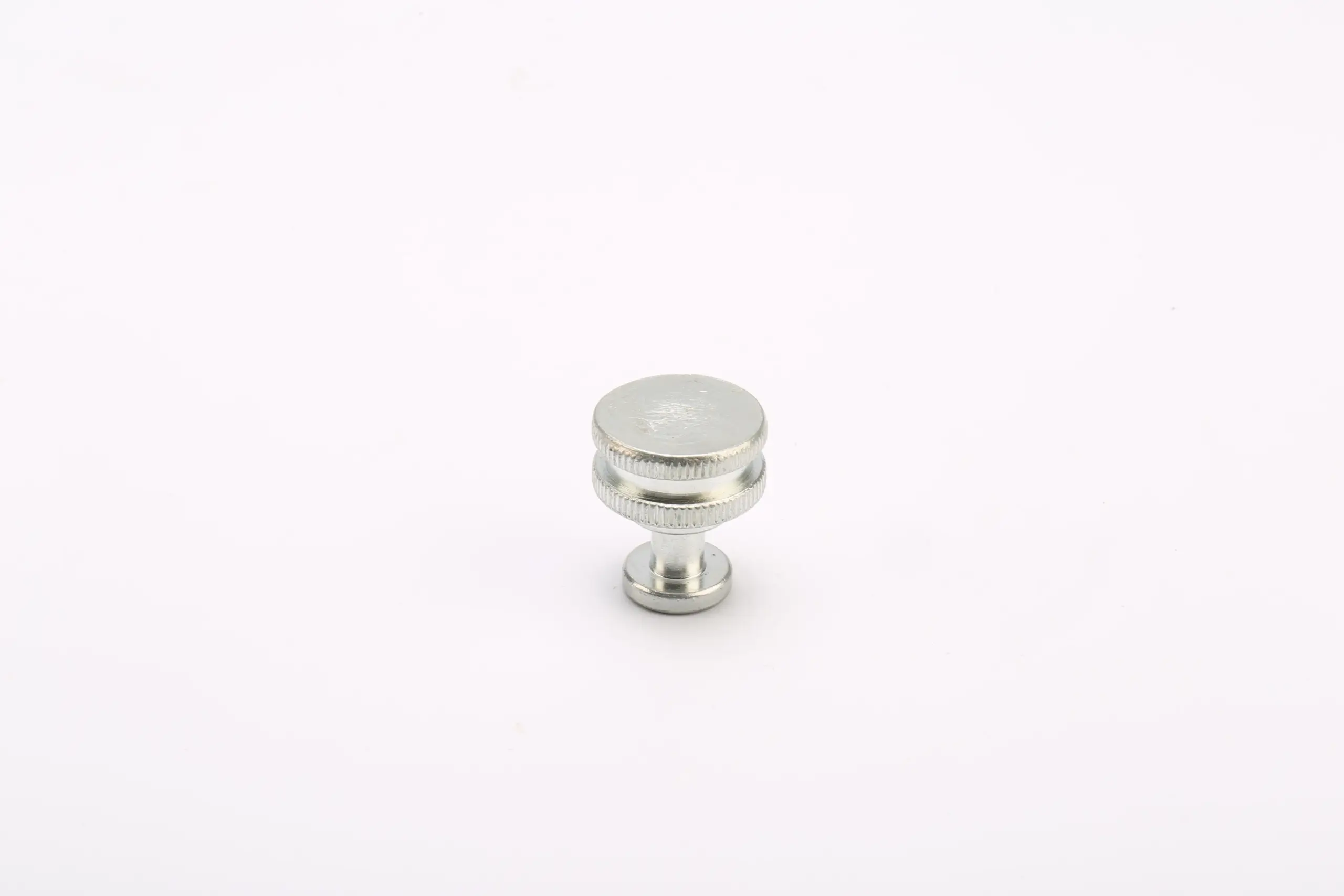
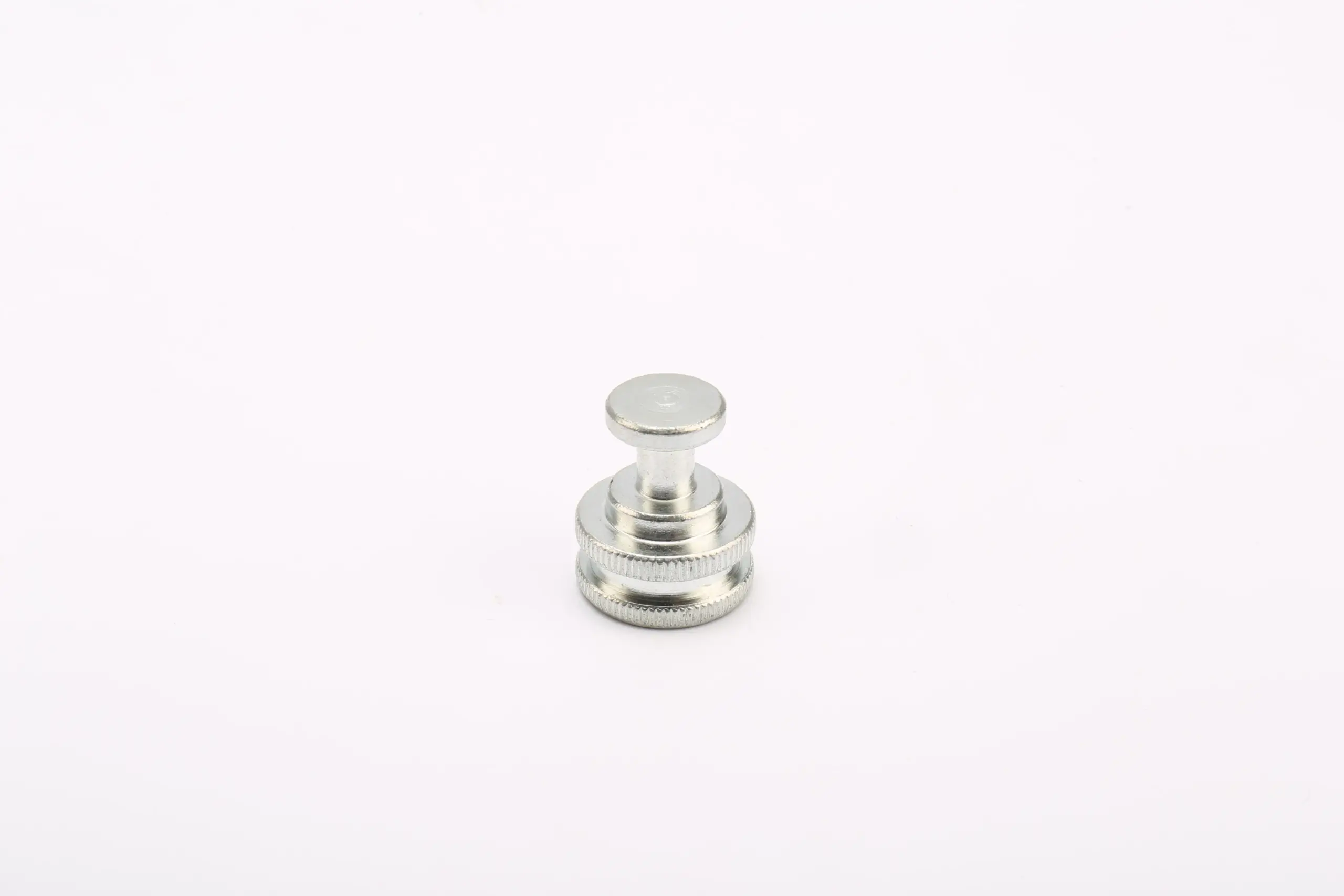
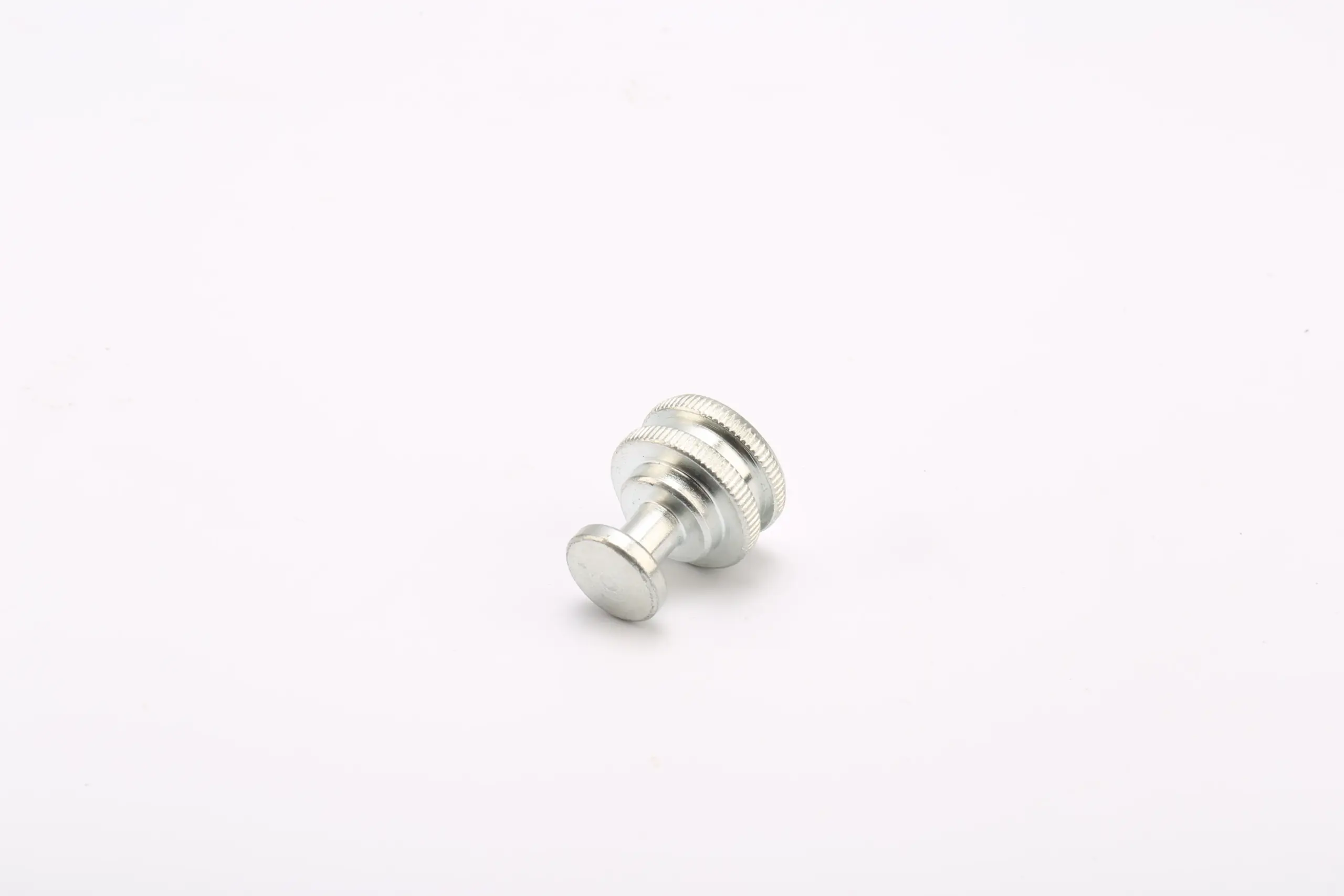
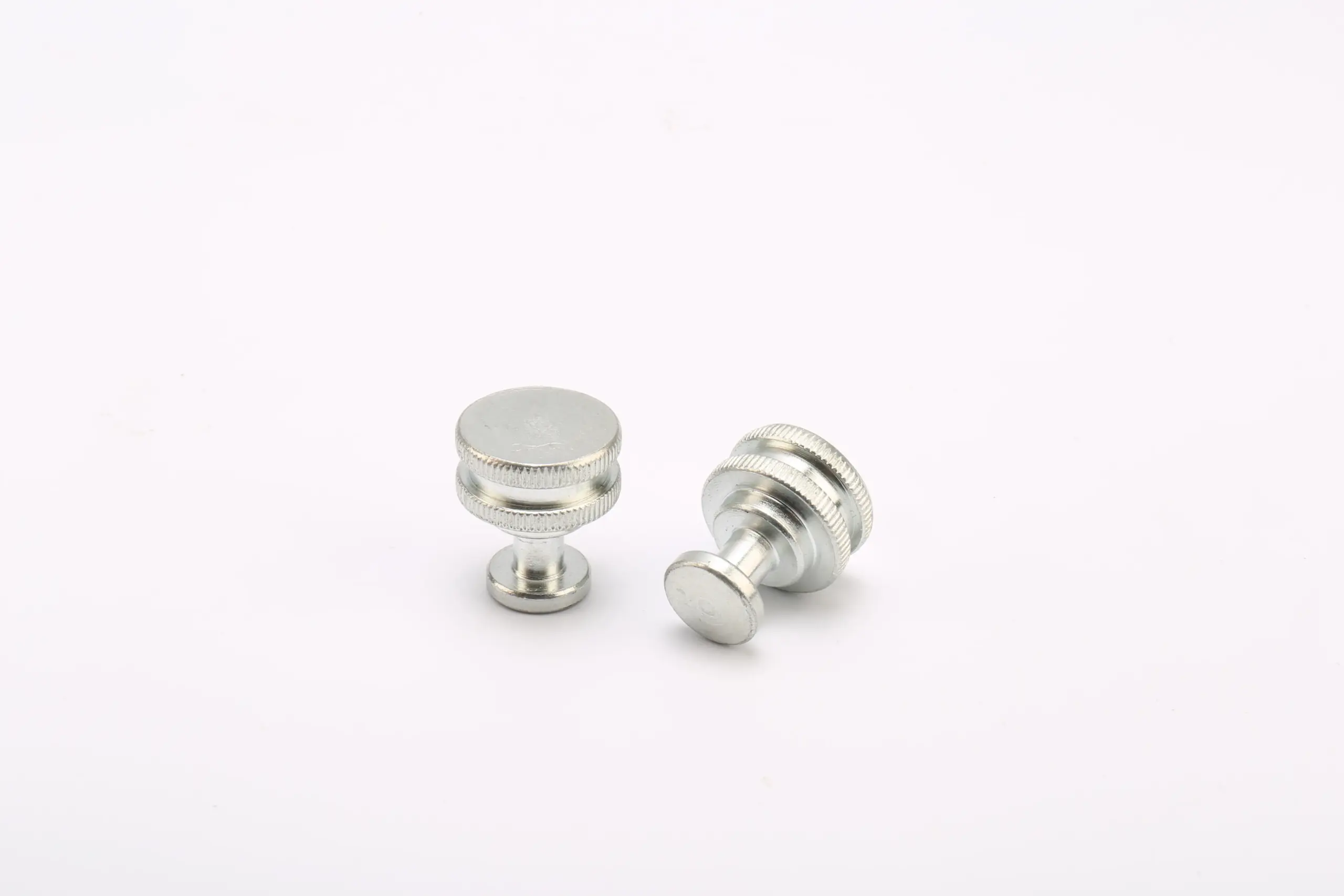
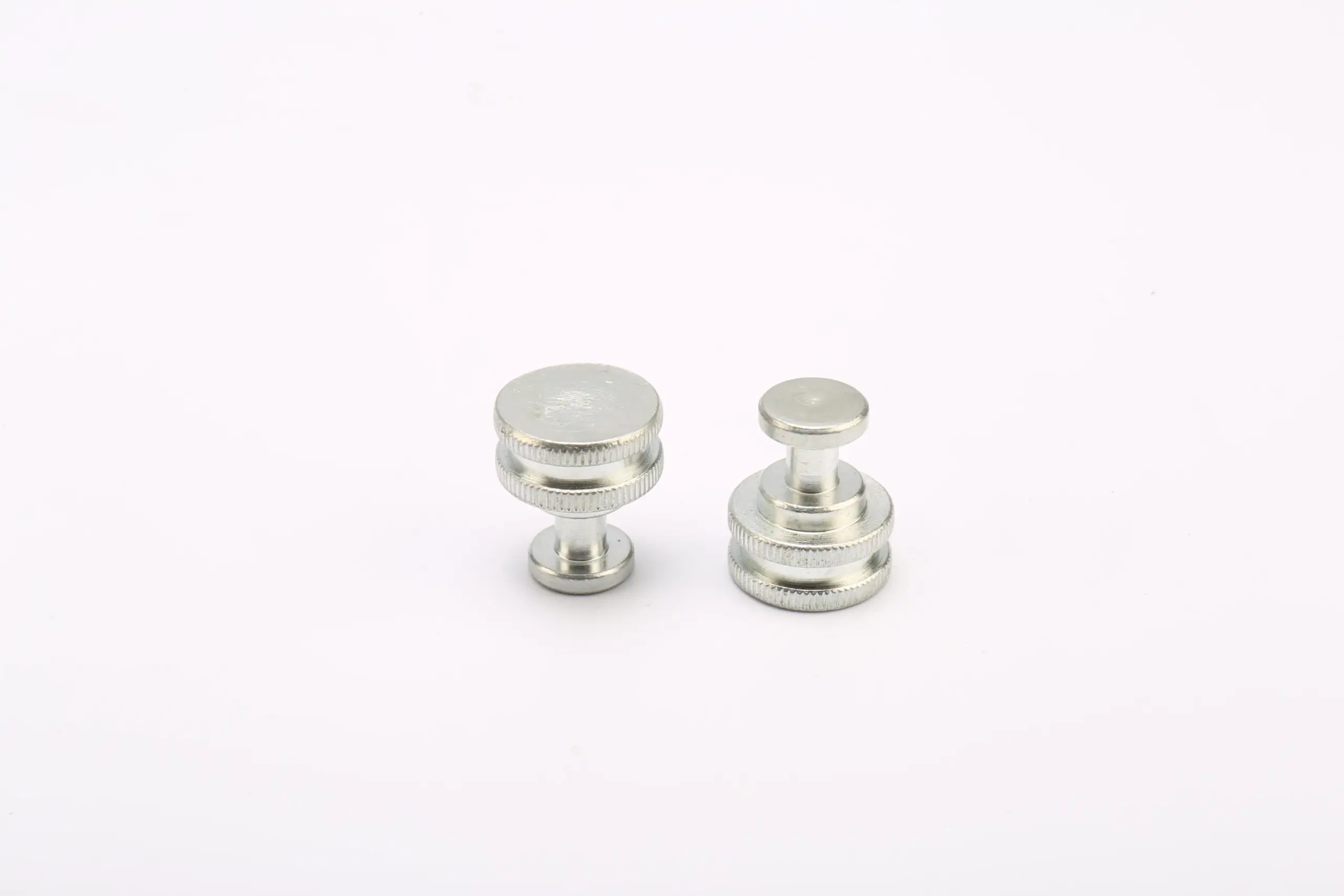
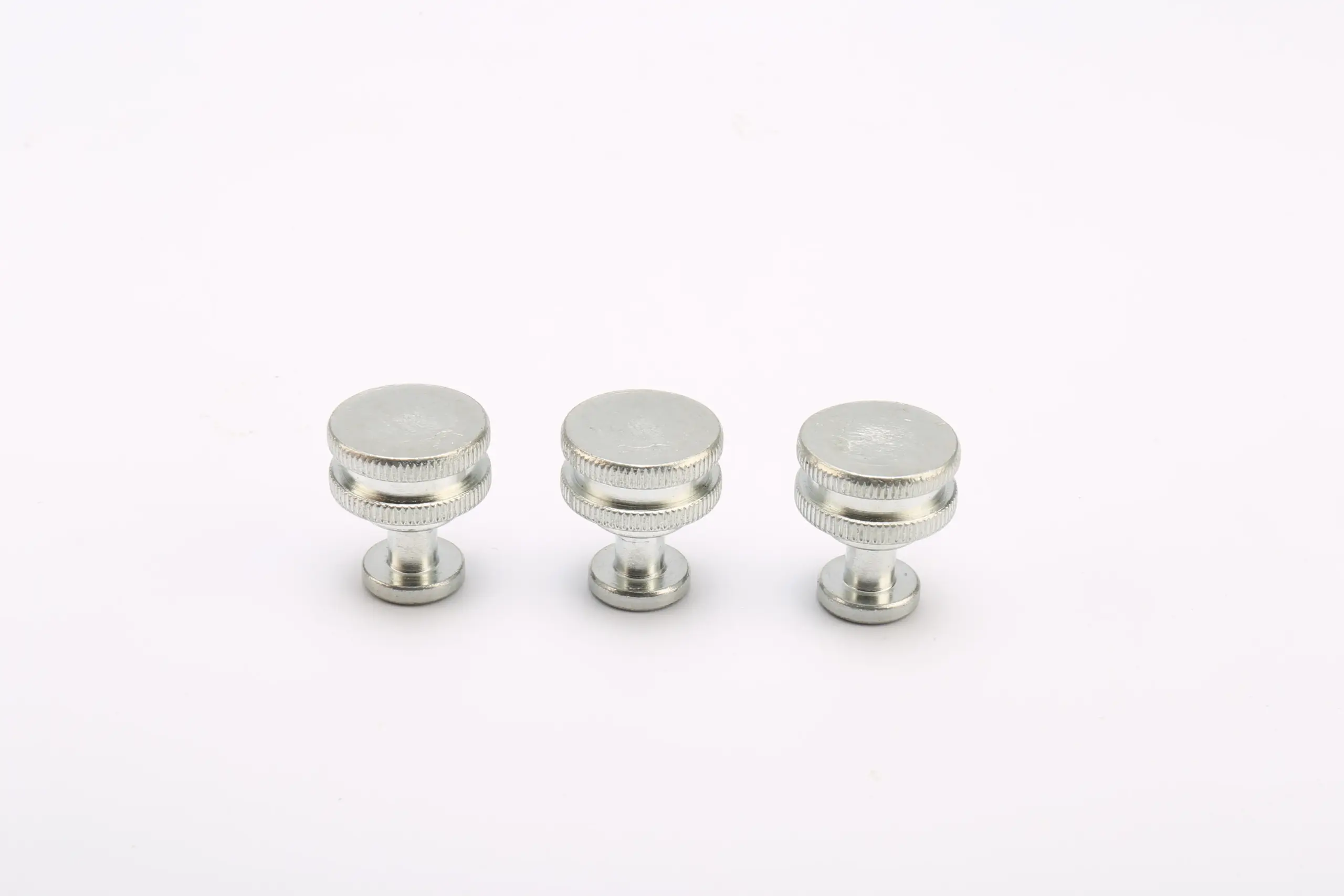
A stepped shaped insert uses a sequence of concentric diameters and a profiled outside body to locate and seat in a custom component. It is related to other irregular inserts, but the visible emphasis here is on multiple steps and a narrow transition rather than a single broad head.
Concentric steps and shaped outside
The insert has more than one outside diameter, and the order of those diameters controls insertion. A larger step can act as a stop, while a smaller pilot enters the bore first. The transition radius, groove or undercut should be shown because it affects seating and clearance. The drawing should identify the leading end.
Location and insertion in custom components
Stepped shaped inserts can be considered for fixture location, panel hardware, equipment assemblies and repair or adaptation of a custom housing. Check the bore, the insertion path and the access for pressing or staking. If the insert is intended to be removable, the drawing must show the removal feature and the allowable interference.
Steps, undercuts and seating
A step is not automatically a shoulder that carries load. It may only center the part or provide a transition. Undercuts can clear a radius in the mating bore, but they can also reduce the bearing area. Specify which face must contact the mating part and which diameters are locating surfaces rather than clearance surfaces.
Specification inputs
- Provide a dimensioned sequence of diameters and lengths.
- Show radii, undercuts and the leading chamfer.
- Define the mating bore, insertion depth and seating face.
- State material, finish, quantity and inspection points.
Fit and finish checks
Inspect each step for burrs and check that the transition radii do not reduce the intended fit. Trial-fit the insert in the actual bore and confirm that it reaches the seating face without rocking. Confirm the base material and finish separately; a shiny surface does not establish a grade, hardness or corrosion performance.
Confirm the insertion sequence before approving the insert. The leading diameter should enter the bore without catching, and each subsequent step should reach its intended depth without forcing. Review undercuts and radii against the mating bore, especially where a sharp corner could prevent full seating. If the insert is retained by deformation, define the staking or pressing area and inspect the first sample for cracks or local collapse.
FAQ
How is this different from an irregular insert?
The category and drawing define the form. This item emphasizes a stepped outside profile; do not substitute another insert without checking the bore and seat.
Can the insert be removable?
Only if the design includes a suitable removal or retention feature. That feature must be specified.
Which diameter should be inspected first?
The locating diameter and the face that establishes insertion depth are usually the first functional checks.
Browse the Custom Parts category, or compare custom fine needles and hollow semi-circular parts.