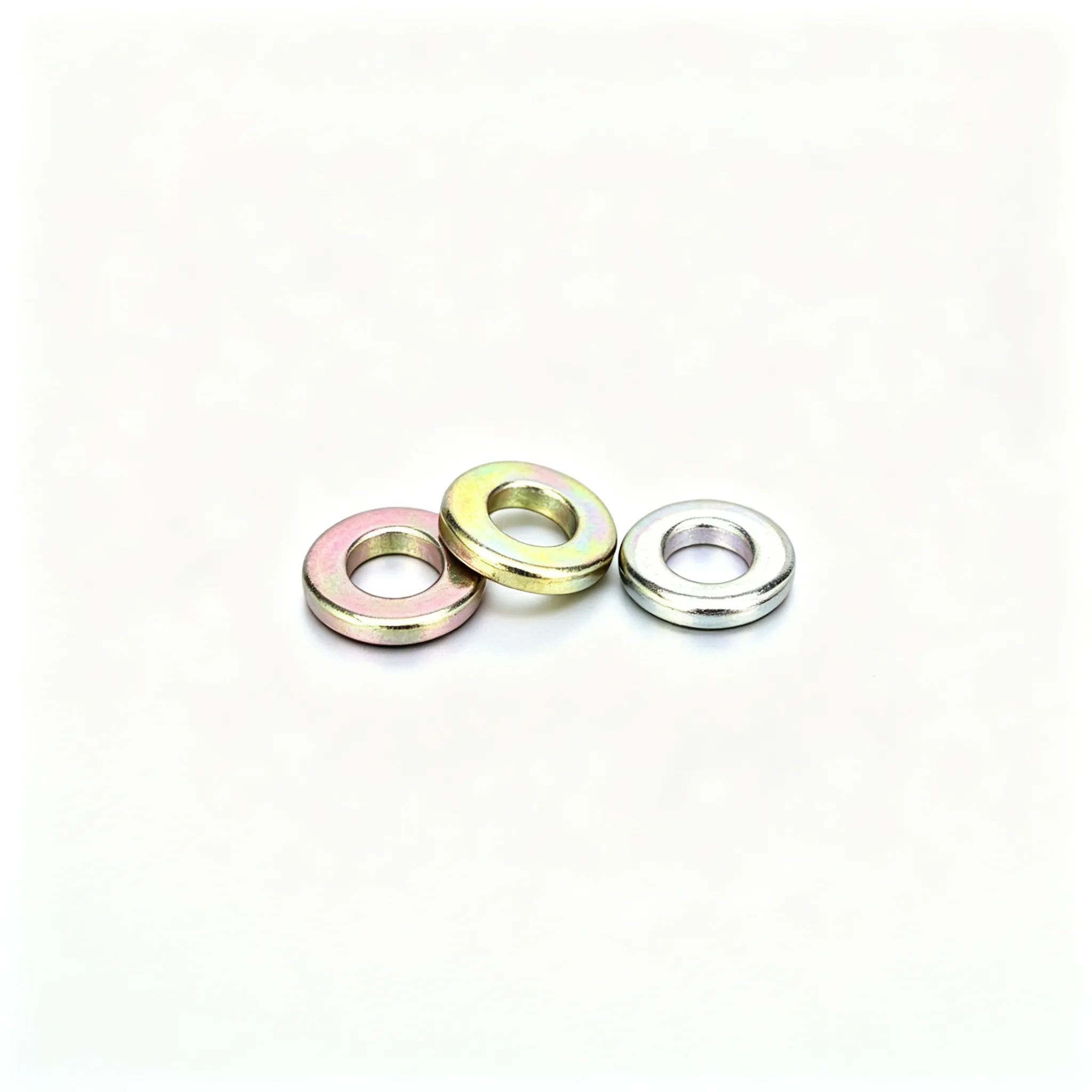


A hollow tube is an open-ended cylindrical part with a continuous bore through its length. It can act as a spacer, a protective sleeve or a simple pivot bush, but the wall thickness, bore condition and end squareness decide how it behaves in the assembly.
Tube wall and through bore
The outside diameter and inside diameter define the wall. A thin wall can reduce weight and envelope, while a heavier wall may be needed for handling or thread clearance. The bore should be described as through or blind; this product form is shown as open at both ends. Chamfers or end radii should be called out where they affect insertion.
Spacing, protection and pivot uses
Hollow tubes can separate plates, shield a shaft, provide a bearing surface or create a passage through a frame. For a rotating application, the shaft and bore fit, lubrication and end retention must be defined. For a static spacer, the clamping faces and the required tube length are usually the critical features.
Hollow tube and cylindrical sleeve
A hollow tube is generally described by its tubular body and through bore, while a sleeve may include a flange, step or other locating feature. The two descriptions can overlap in ordinary language, so use the drawing to identify the actual geometry. Do not substitute one form for the other without checking the mating surfaces.
Specification inputs
- Provide outside diameter, inside diameter and overall length.
- State bore type, wall thickness and end preparation.
- Define the mating shaft or bore and the required fit.
- Confirm material, finish, quantity and straightness checks.
Fit, straightness and inspection
Check the bore for burrs and the ends for squareness before assembly. A tube that looks straight on a bench may still bind on a long shaft. Trial-fit the part with the actual mating component and confirm that the intended contact faces carry the load without crushing the wall.
Review the tube in the assembly at both ends. Confirm that the bore is open, the end faces contact the intended surfaces and the wall is not crushed by clamping. If the tube guides a shaft, check the fit over the full travel and provide a lead chamfer that will not scrape the shaft. During packing, protect the bore and ends from dents; a small local deformation can make a long tube difficult to insert or remove.
FAQ
Is the bore always through the full length?
The product form is shown as a through-bore tube. Any blind bore or internal step must be specified separately.
Can a hollow tube be used as a bearing?
It can be considered, but the shaft fit, load, lubrication and wear requirement must be reviewed for the application.
What is the most important dimension?
The functional bore, outside diameter and length are usually critical; the drawing should identify which surfaces locate the part.
Browse the hollow tube category, or compare square nuts and brass step rivets.