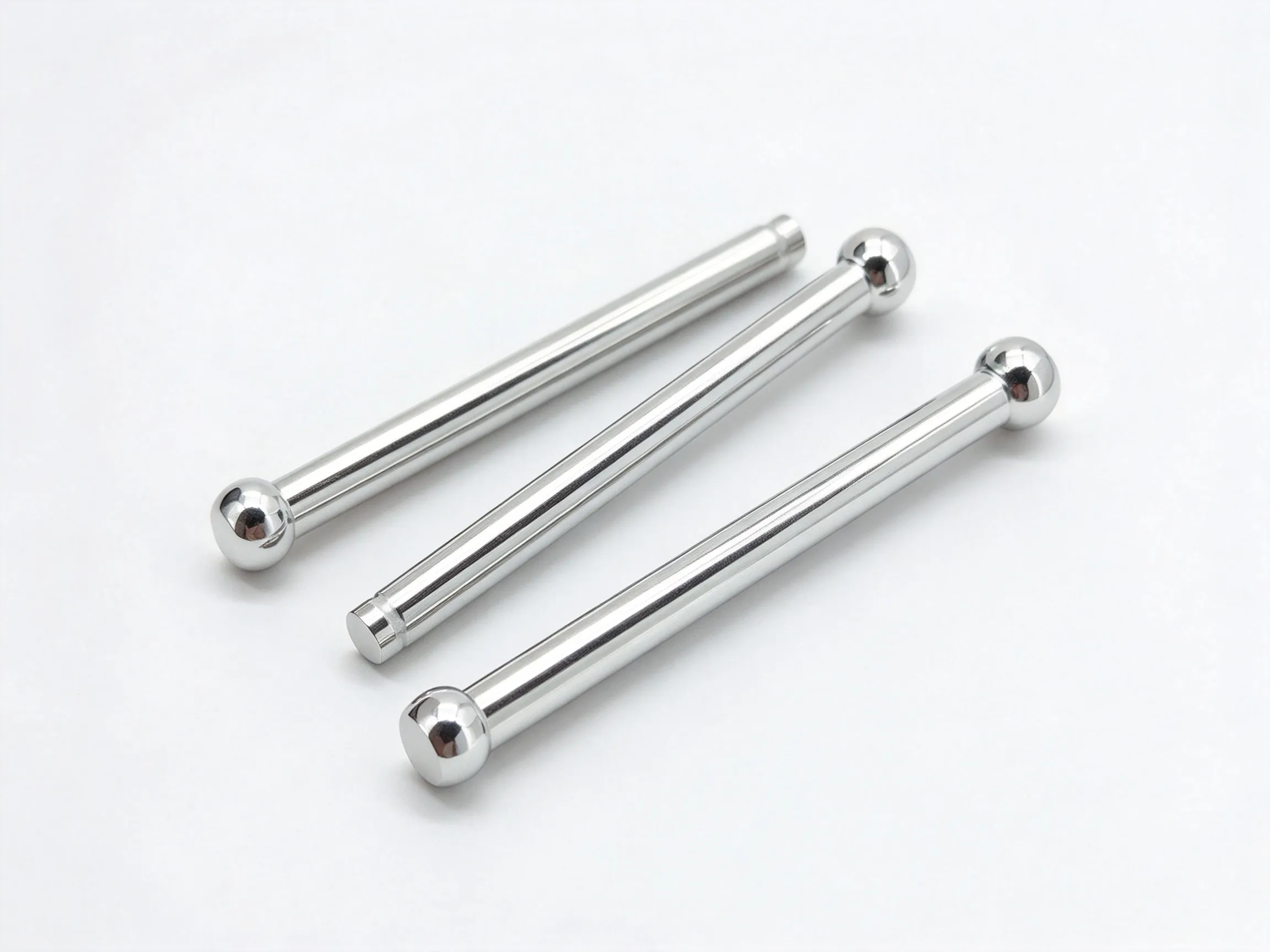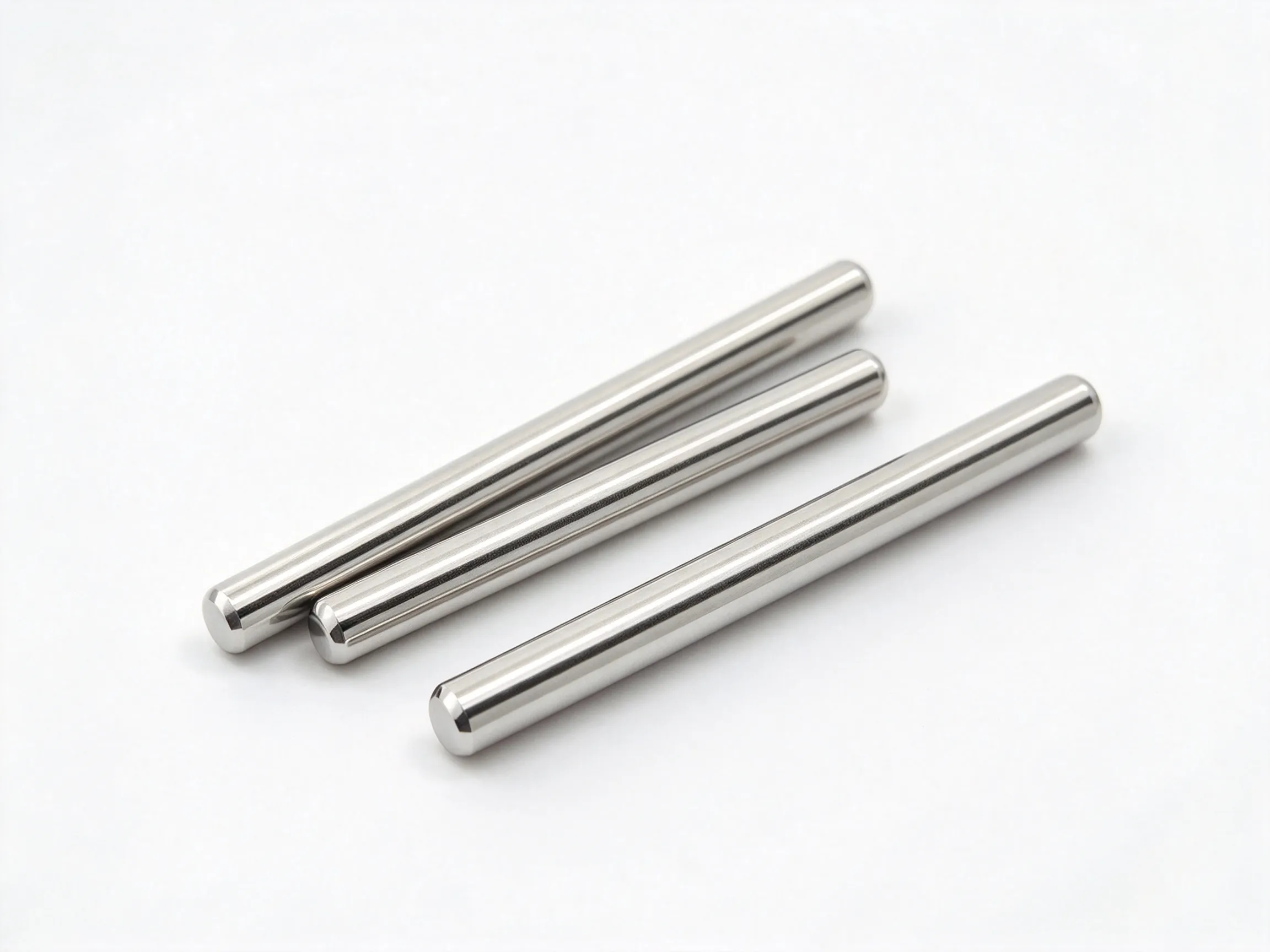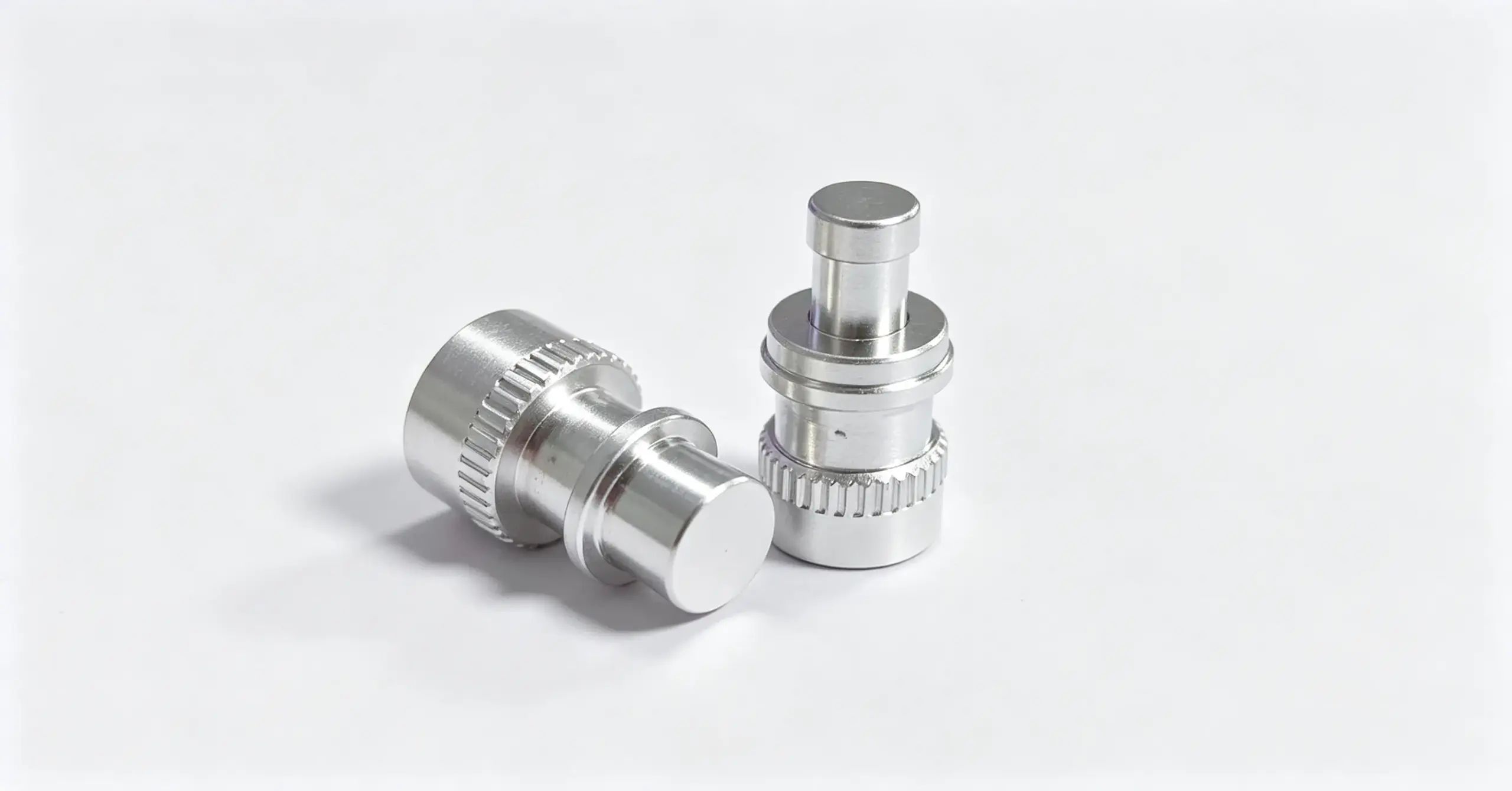
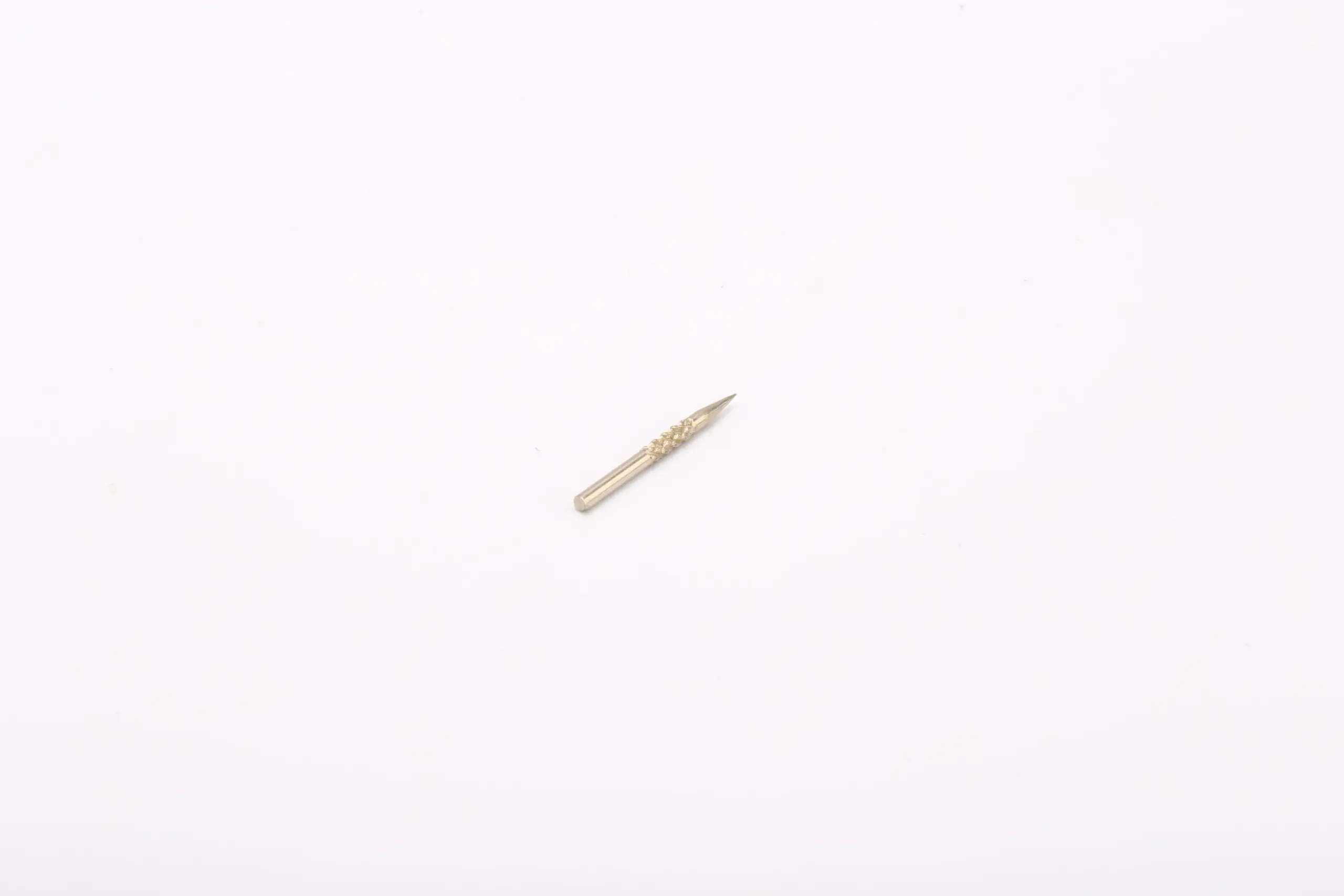
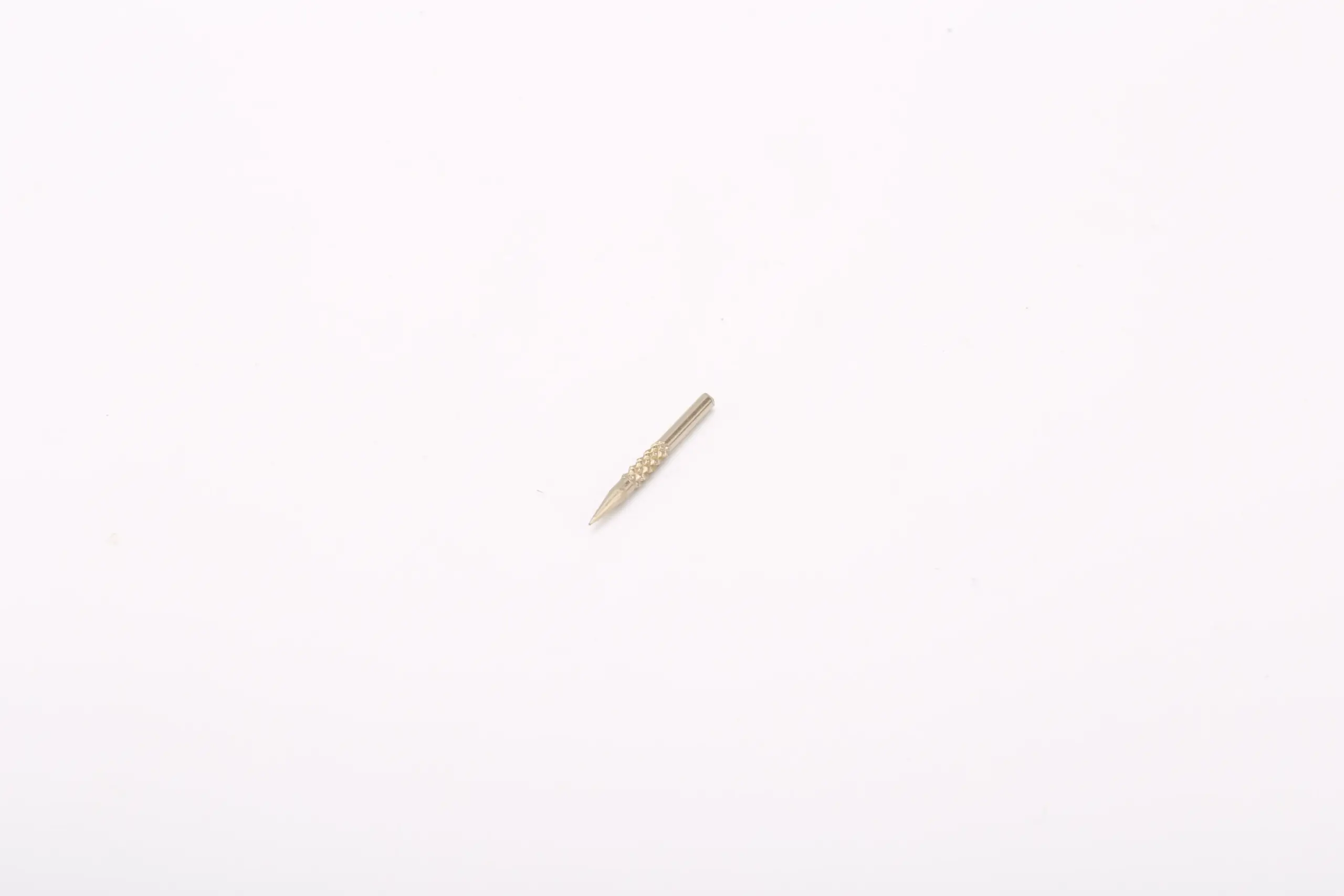
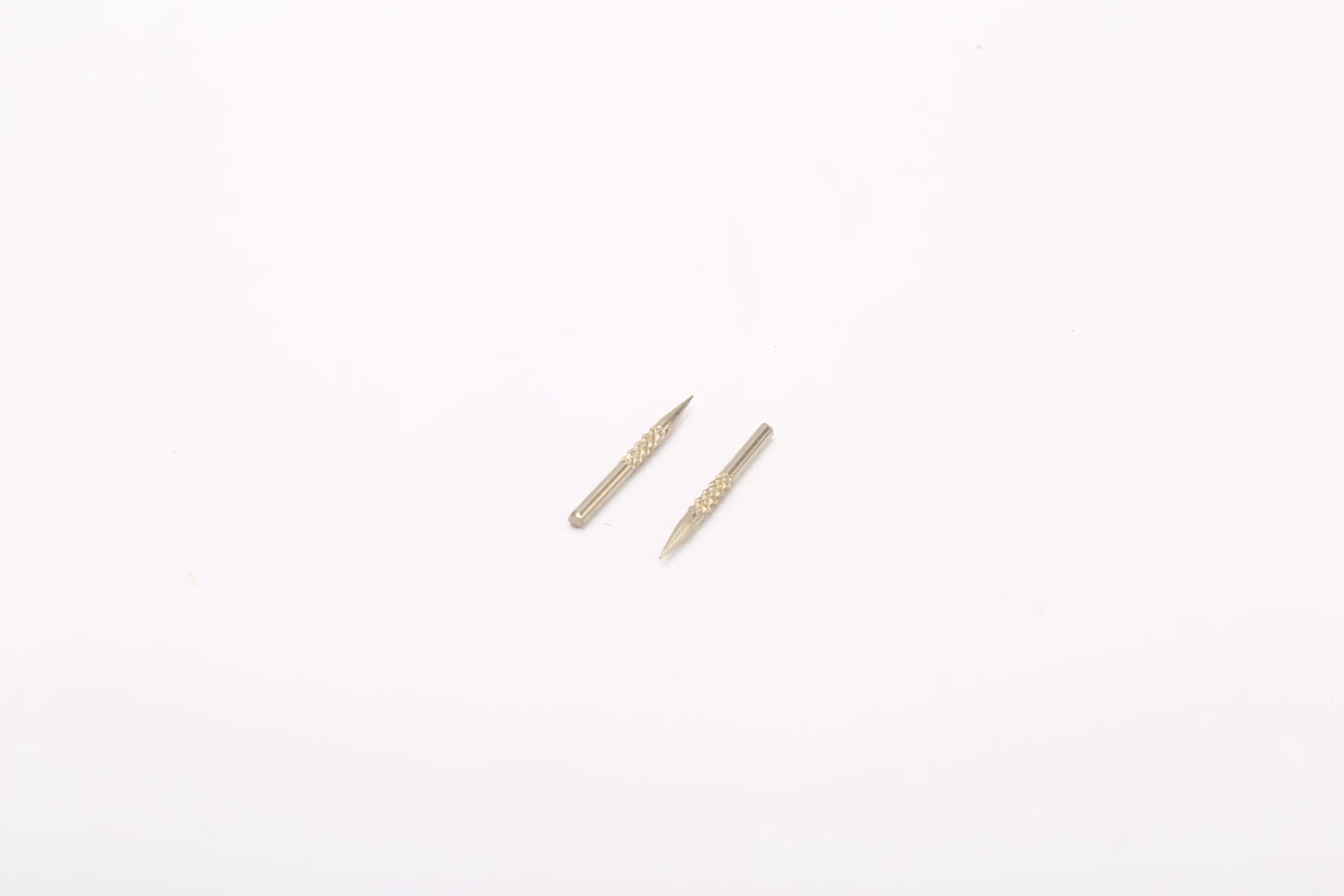
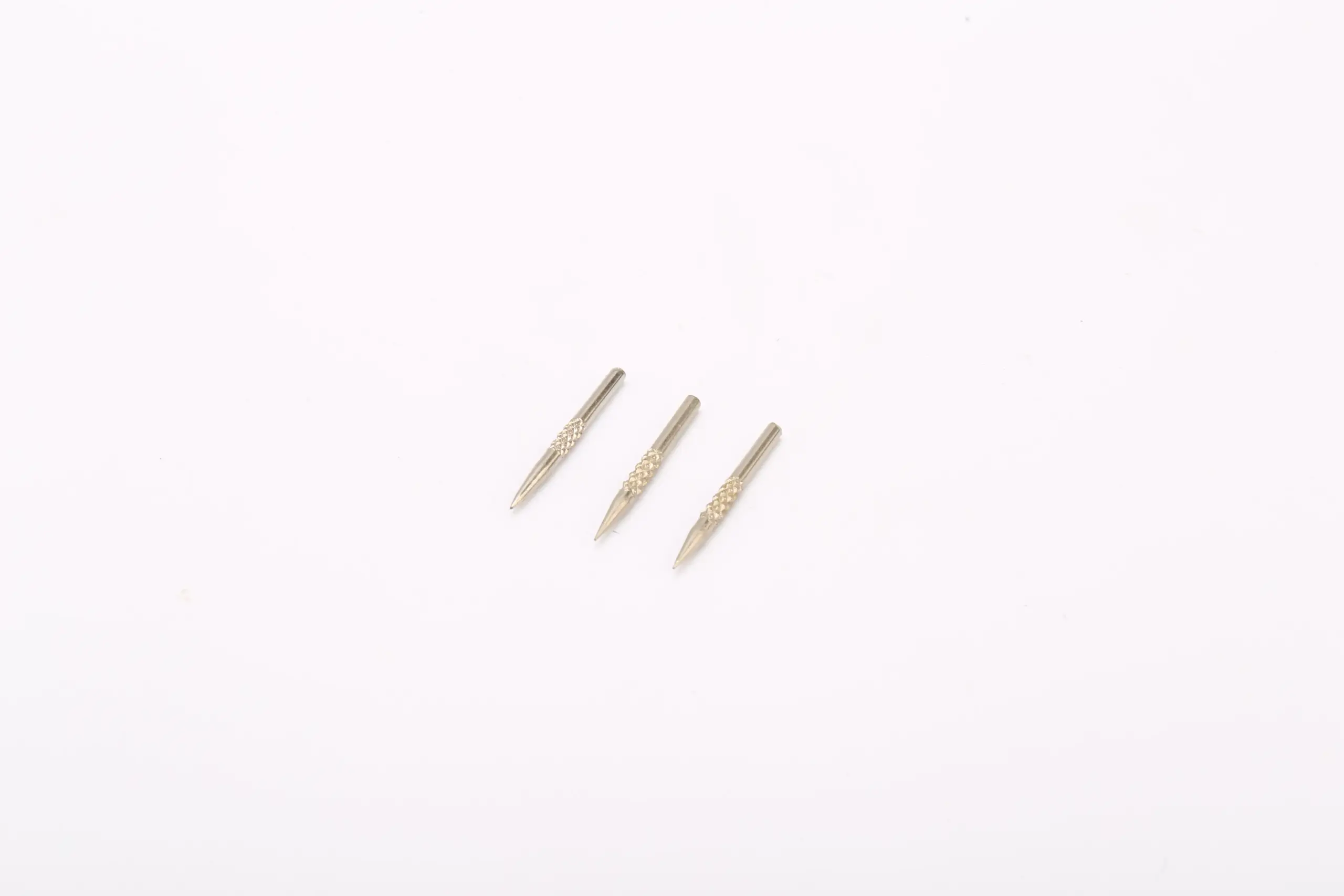
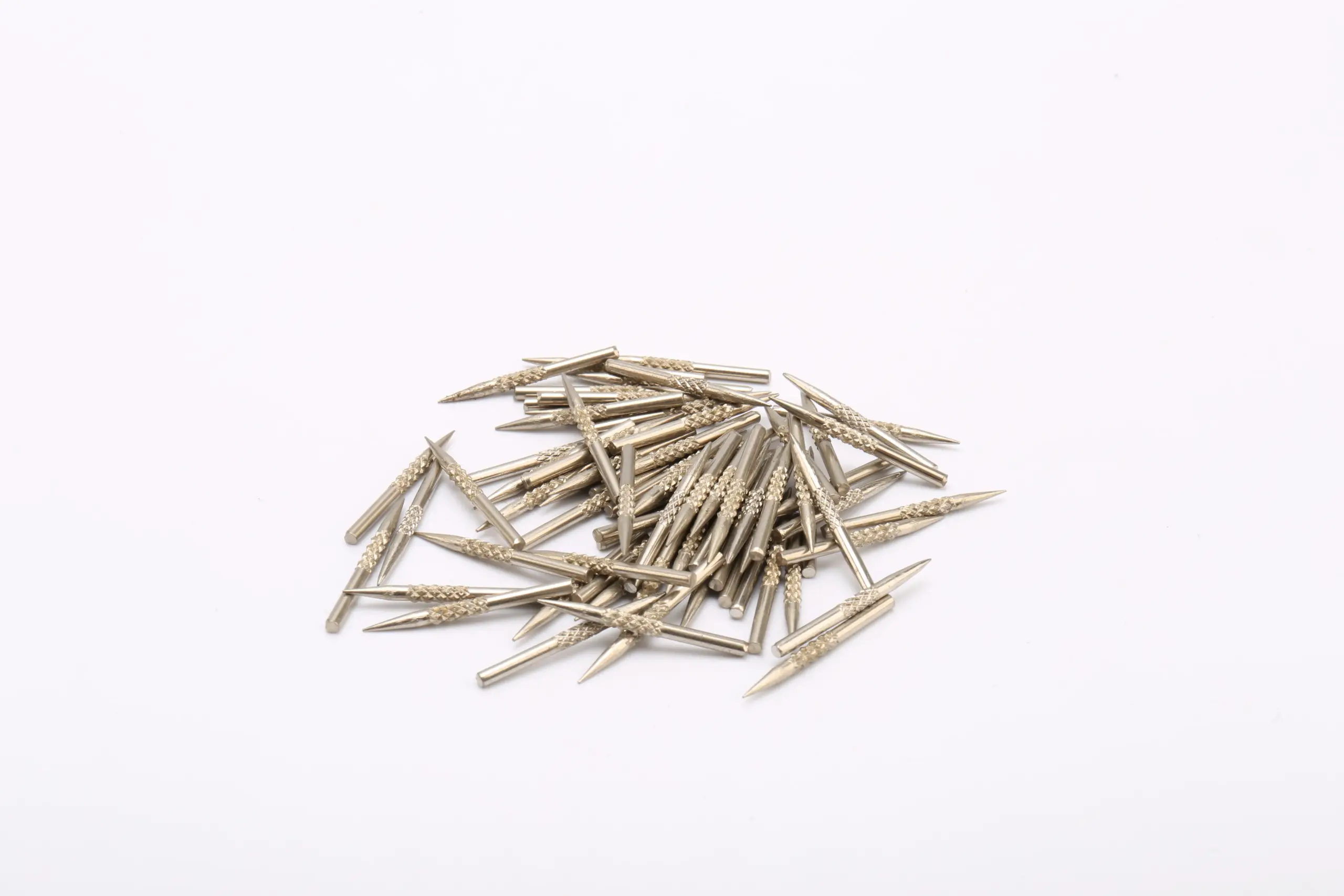
Custom fine needles are small-diameter parts with a tapered or pointed end and a short body that can be held or located. The gallery shows a very slender form, so tip geometry, straightness and edge condition matter more than the overall silhouette.
Point and fine body
The needle combines a narrow body with a point or taper at one end. The point angle, tip radius and transition length should be defined if the part is used for contact, guidance or piercing. A sharp-looking photo does not establish the exact tip form, and a very fine point can be damaged by ordinary handling.
Precision mechanisms and probes
Fine needles can be considered for small probes, contact pins, instrument mechanisms and equipment where a slender tip is needed. Check the mating holder, insertion depth and the direction of any side load. A long unsupported needle may deflect even when the nominal diameter appears adequate, so the assembly support should be reviewed.
Tip geometry and straightness
State whether the tip must be sharp, radiused or blunt, and define the allowable straightness over the functional length. The body-to-tip transition should be free of steps that could catch in a guide. If the needle is intended to conduct or contact electrically, that requirement needs its own material and surface specification.
Specification inputs
- Show the body diameter, length and tip profile.
- Define the point angle or tip radius and transition.
- Identify the holder, guide and allowable deflection.
- State material, finish, quantity and inspection magnification.
Handling and inspection
Inspect the tip under magnification and check the body for bends, scratches and burrs. Protect the point during packing and assembly. Trial-fit the needle in its holder and confirm that the tip reaches the intended position without bottoming or being deflected by a sharp guide edge.
Protect the fine tip throughout packing, shipping and assembly. Use a tip guard or a dedicated tray, and avoid handling the needle by the point. Confirm that the guide or holder does not scrape the tapered section and that the tip can reach its working position without side loading. Inspect under magnification for a bent tip, a burr or a scratch that could change contact behavior. Record the inspection method with the drawing.
FAQ
Is the tip always sharp?
No. The required tip may be sharp, radiused or blunt and must be defined on the drawing.
Can a fine needle be used as a probe?
It can be considered, but contact force, electrical requirement and support must be specified for the application.
What is the main handling risk?
Tip damage and bending are significant risks because the part is slender and small.
Browse the Custom Parts category, or compare Phillips head semi-hollow screws and stepped shaped inserts.