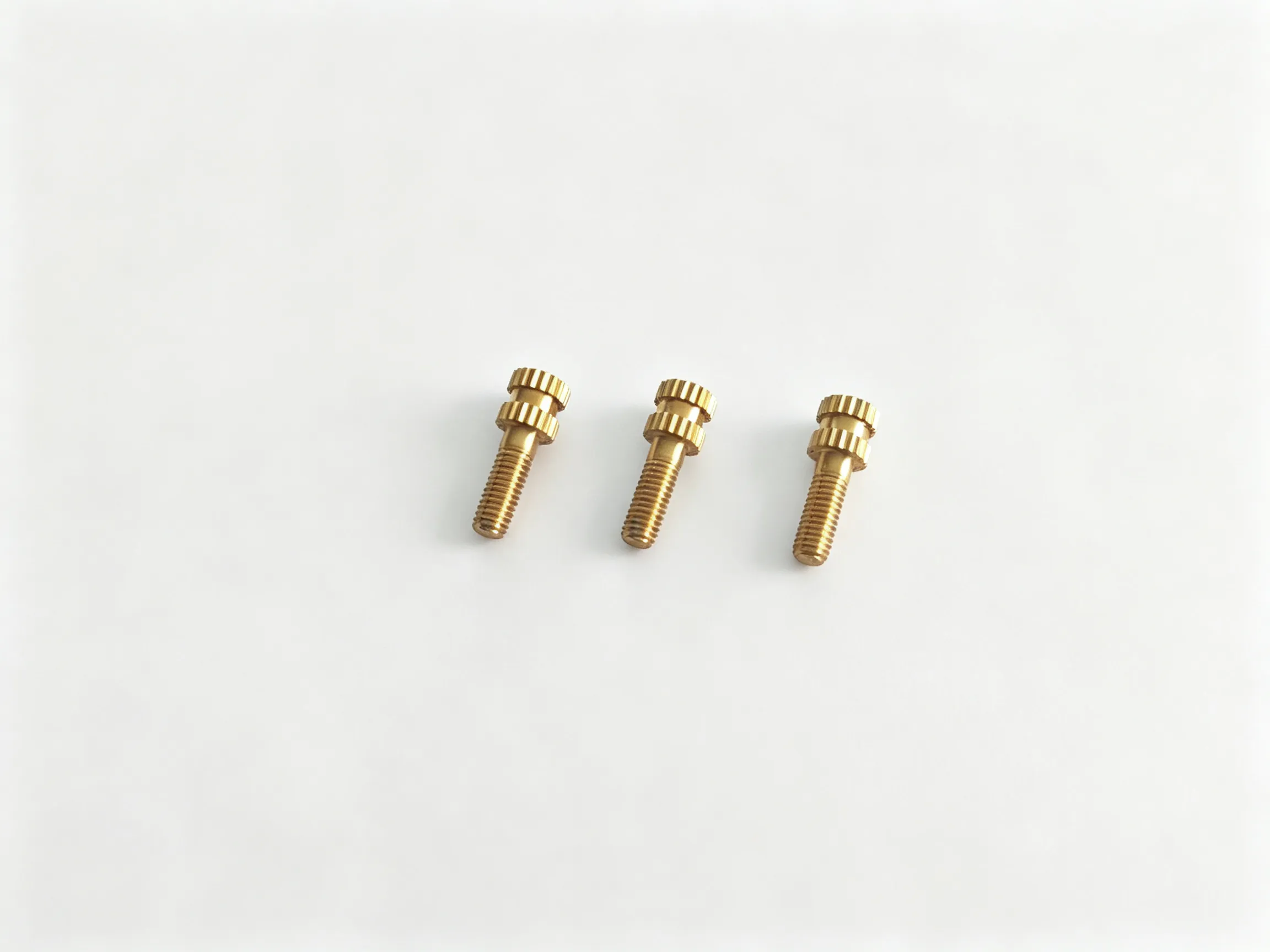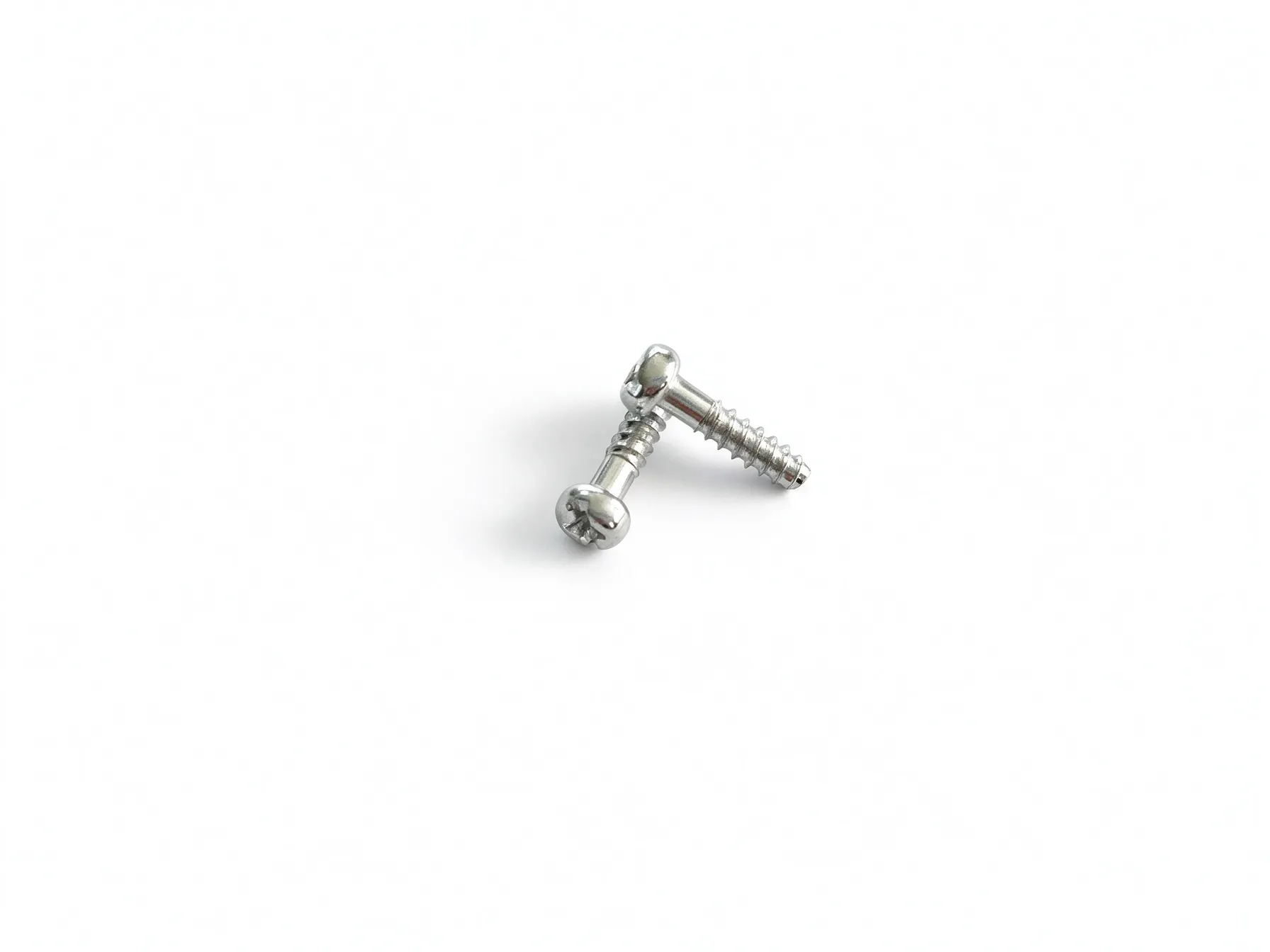


Short step screws combine a compact body, a smooth shoulder and a threaded end for assemblies that need a defined seating position. The shoulder locates a mating component or establishes its available movement, while the thread retains the screw. For a shallow assembly, the relationship between shoulder length and workpiece thickness matters more than the overall length alone.
Construction and working principle
The head, shoulder and thread perform separate functions. The head provides a bearing surface, the shoulder fits the mating hole, and the smaller threaded end engages a tapped hole or nut. The thread transition and any under-head radius also need clearance. A screw can appear to fit but stop against a radius or thread runout before its intended seating face makes contact.
Typical applications
Short step screws can be considered for compact linkages, panel hardware, small guides, appliance mechanisms and removable pivot assemblies. They suit layouts where a separate spacer would add another component. For a moving plate, specify the required axial clearance; for a fixed assembly, identify which surfaces should clamp. A short shoulder does not by itself guarantee either free movement or a rigid joint.
Slot and socket drive selection
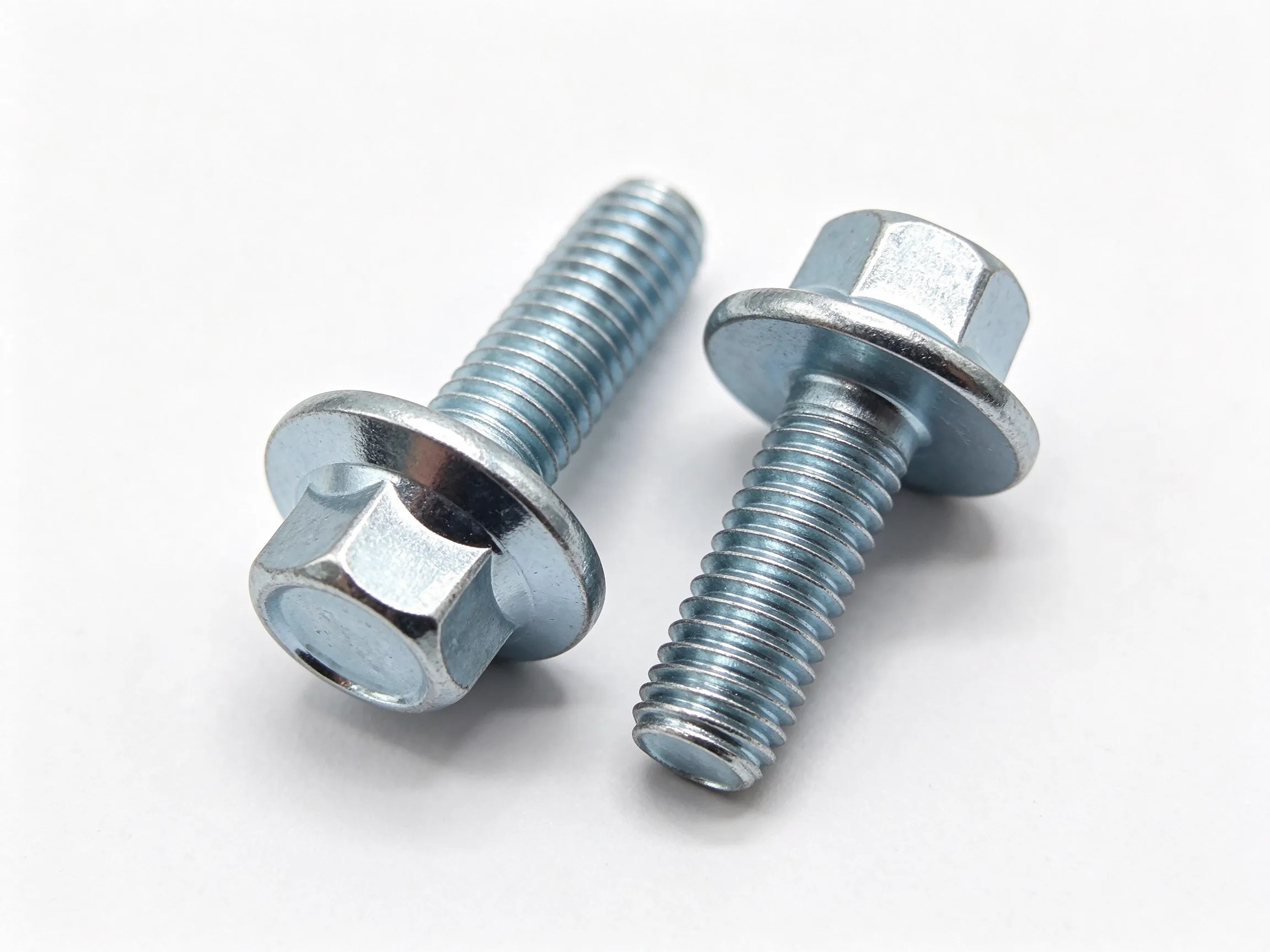
The drive needs its own specification. The gallery includes an internal-hex example, so the selected part should be confirmed against its drawing rather than ordered from the page title alone. For a single-slot version, identify the slot width, depth and screwdriver access. For an internal-hex version, identify the socket and key clearance. Drive selection affects tool access; it does not define the shoulder fit or establish an allowable tightening torque.
How to specify a short step screw
- Show the head profile, selected drive, shoulder diameter and shoulder length.
- Define the thread designation, threaded length and mating-hole depth.
- Provide the plate thickness, hole fit and required axial clearance.
- State material, finish, quantity and the surfaces that need inspection.
Material, finish and installation checks
Confirm the base material and surface treatment separately. A silver appearance does not establish stainless steel, hardness or coating thickness. Check the shoulder fit in the finished condition, especially when coating affects a close-fitting surface. During a trial assembly, verify that the intended shoulder face seats, the thread does not bottom in a blind hole and the driver remains accessible.
If the component must pivot, inspect its movement after the screw is secured. Define the tightening method from the material, thread engagement and joint design; a small head or short body is not a torque specification.
FAQ
Does the shoulder length equal the overall screw length?
No. Overall length can include the threaded section and depends on the measurement reference. Dimension the functional shoulder from its seating face to the thread transition.
Can a short step screw replace a rivet?
It may provide a removable fastening option, but it requires a suitable mating thread and a retention method appropriate to the assembly. Check clearance and service access before substitution.
What should be supplied for a quotation?
Send the drawing or sample, drive requirement, shoulder and thread dimensions, mating-part details, material, finish and quantity.
Browse the step screws category, or compare Phillips step screws and hex-head stepped locating screws.