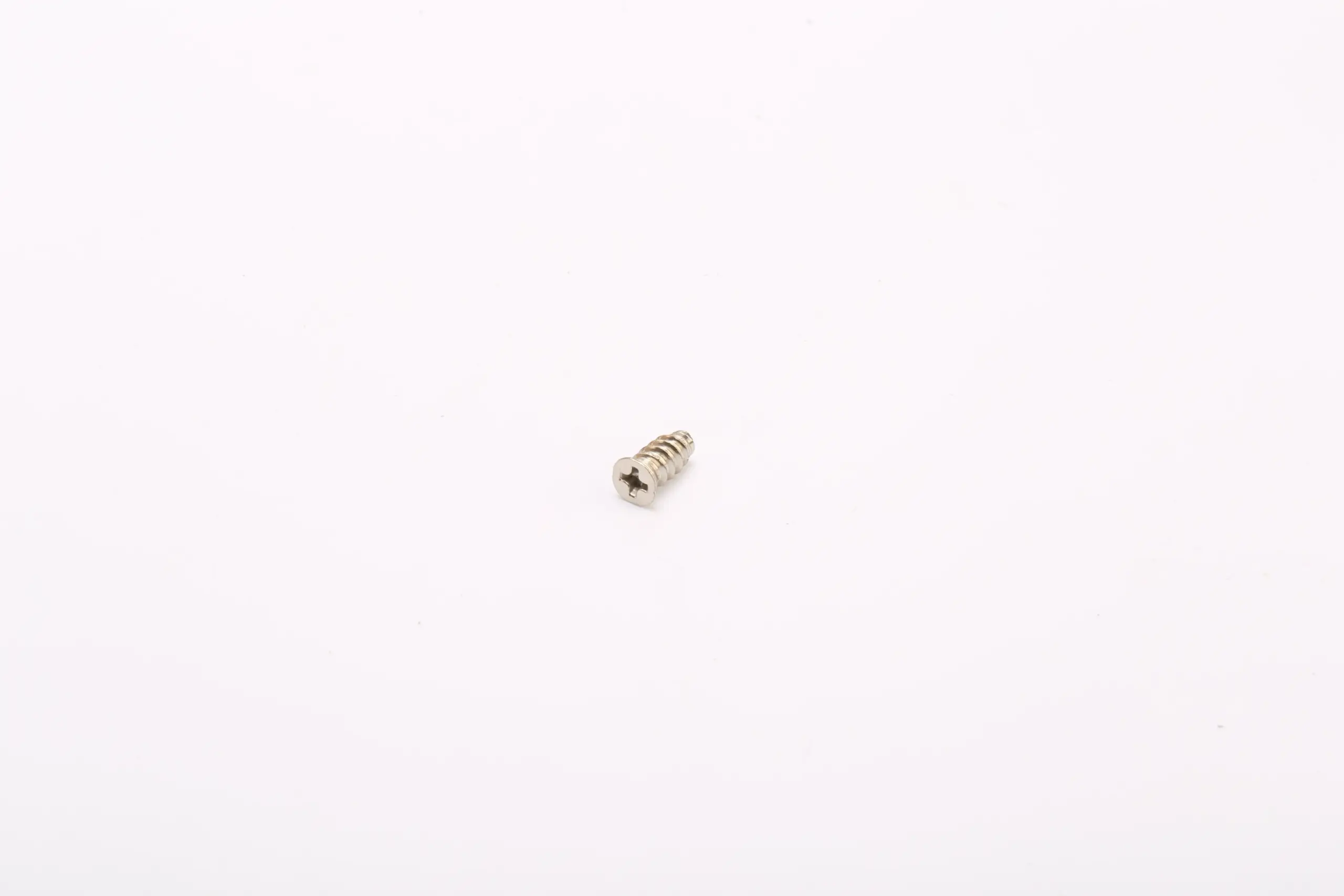
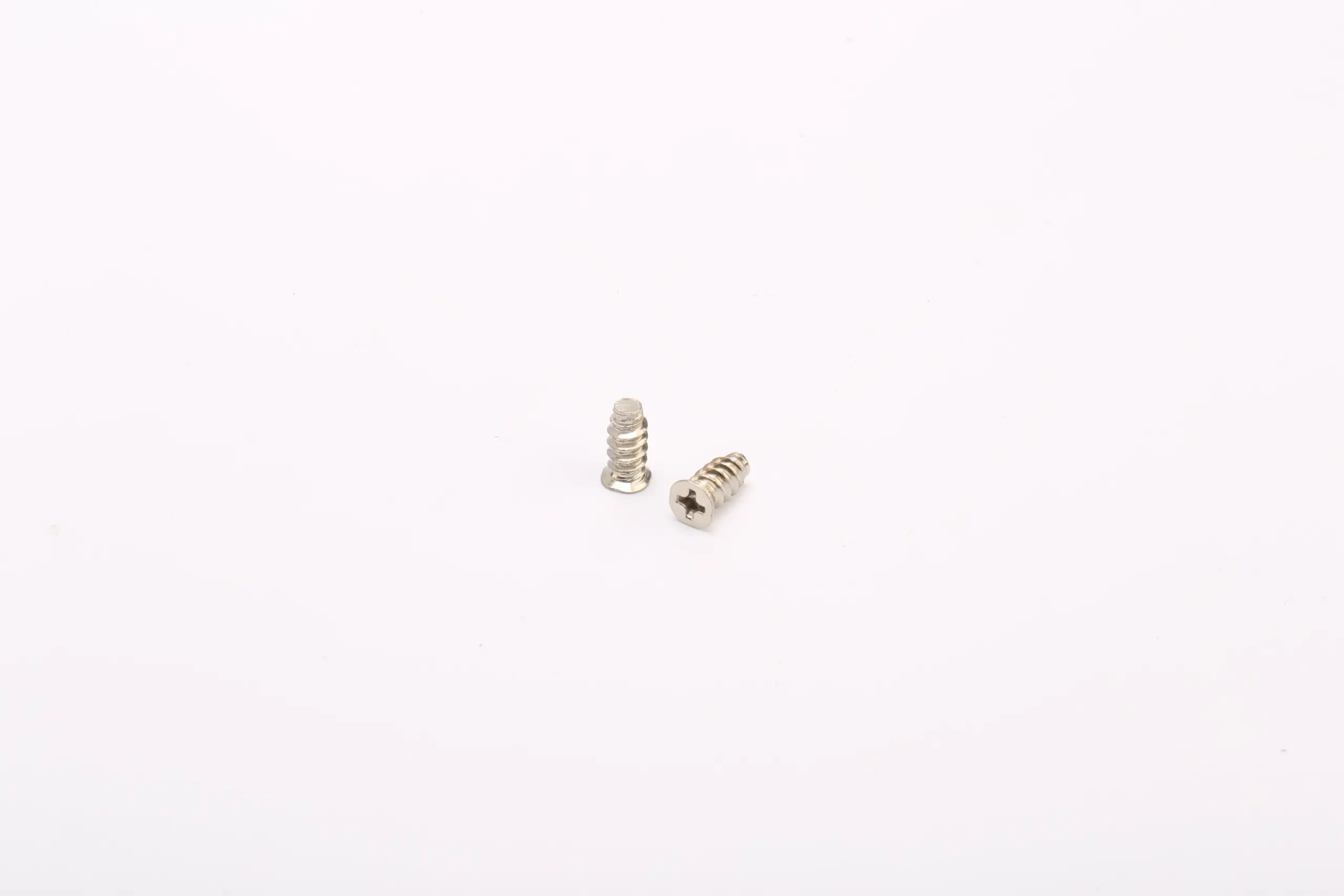
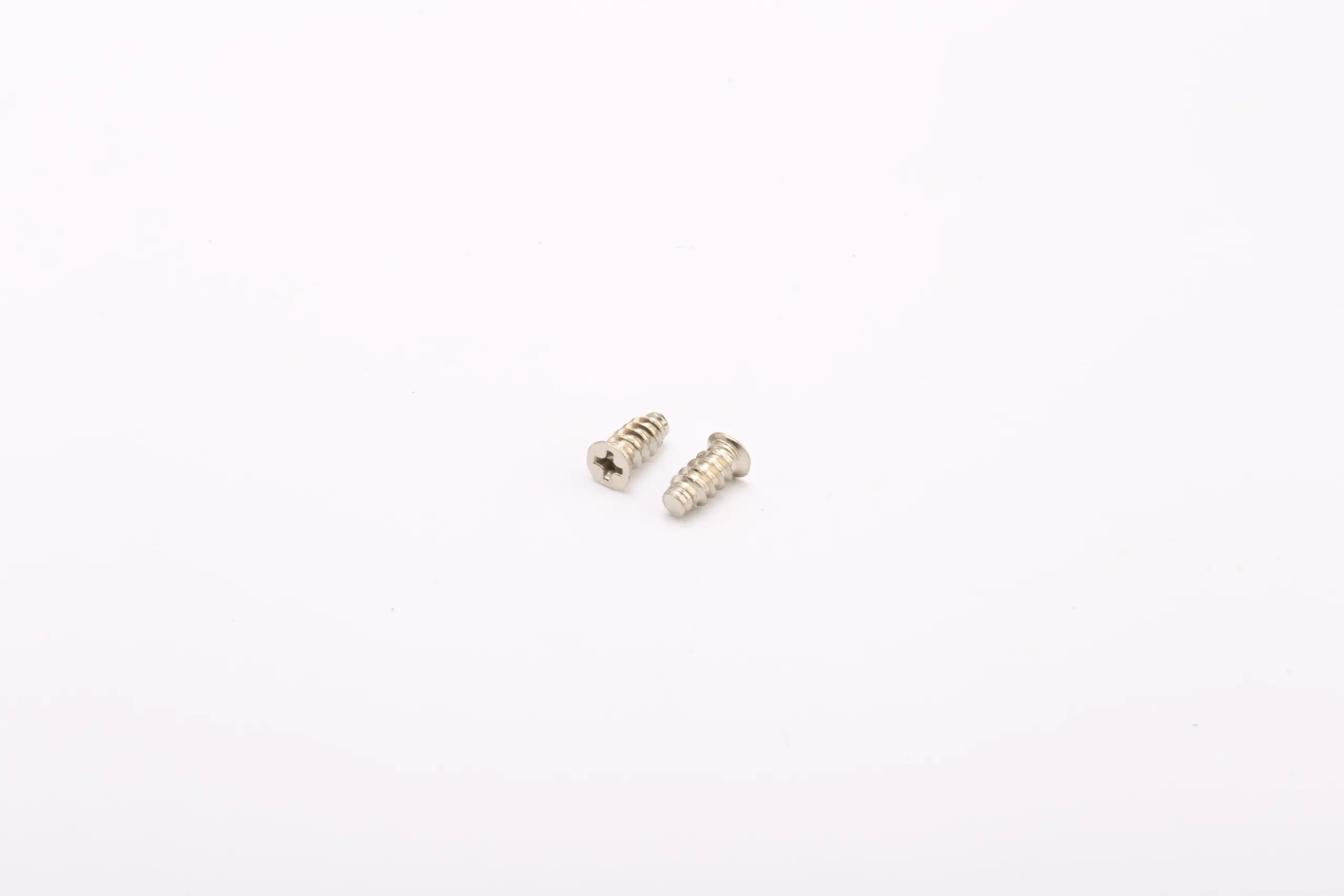
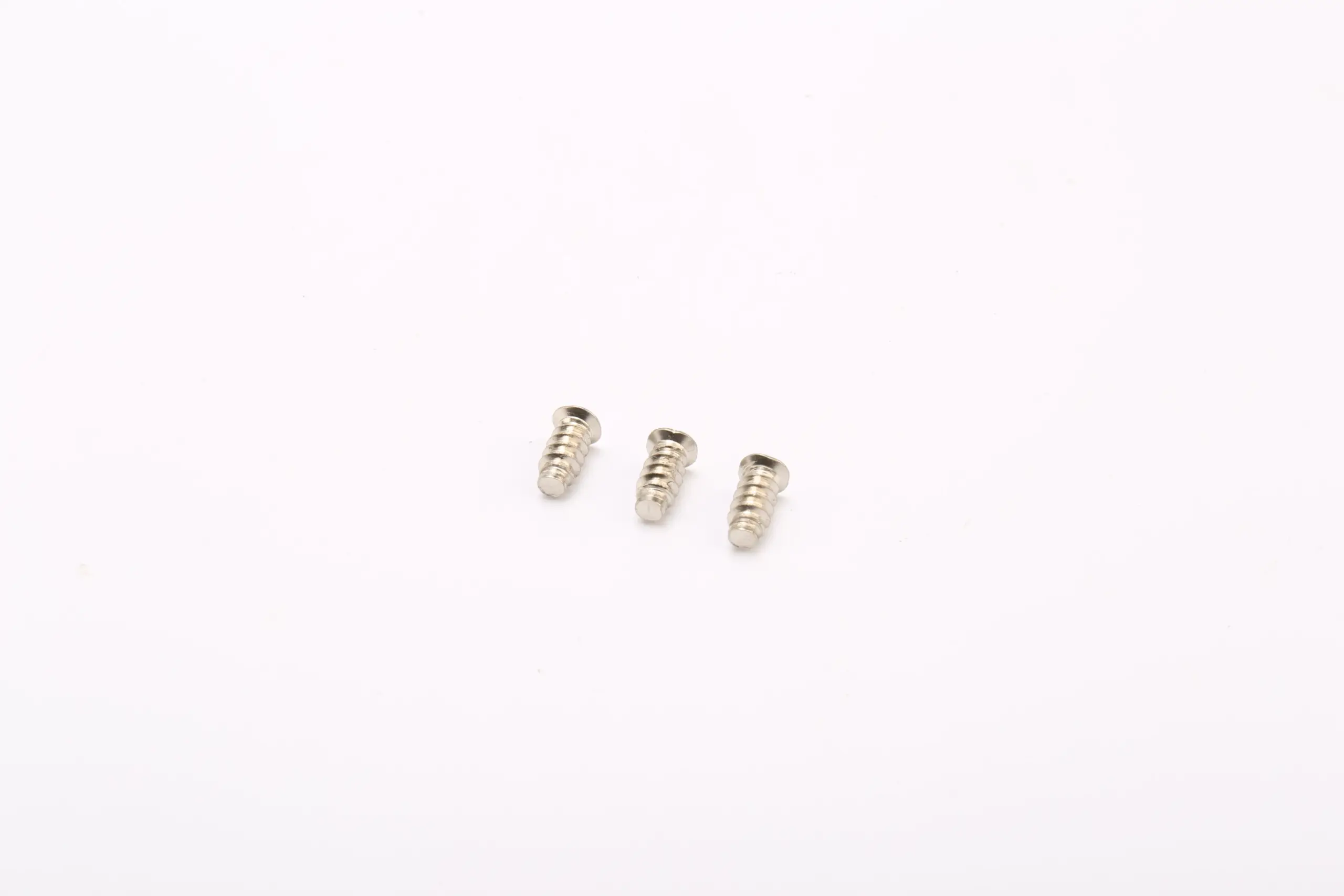
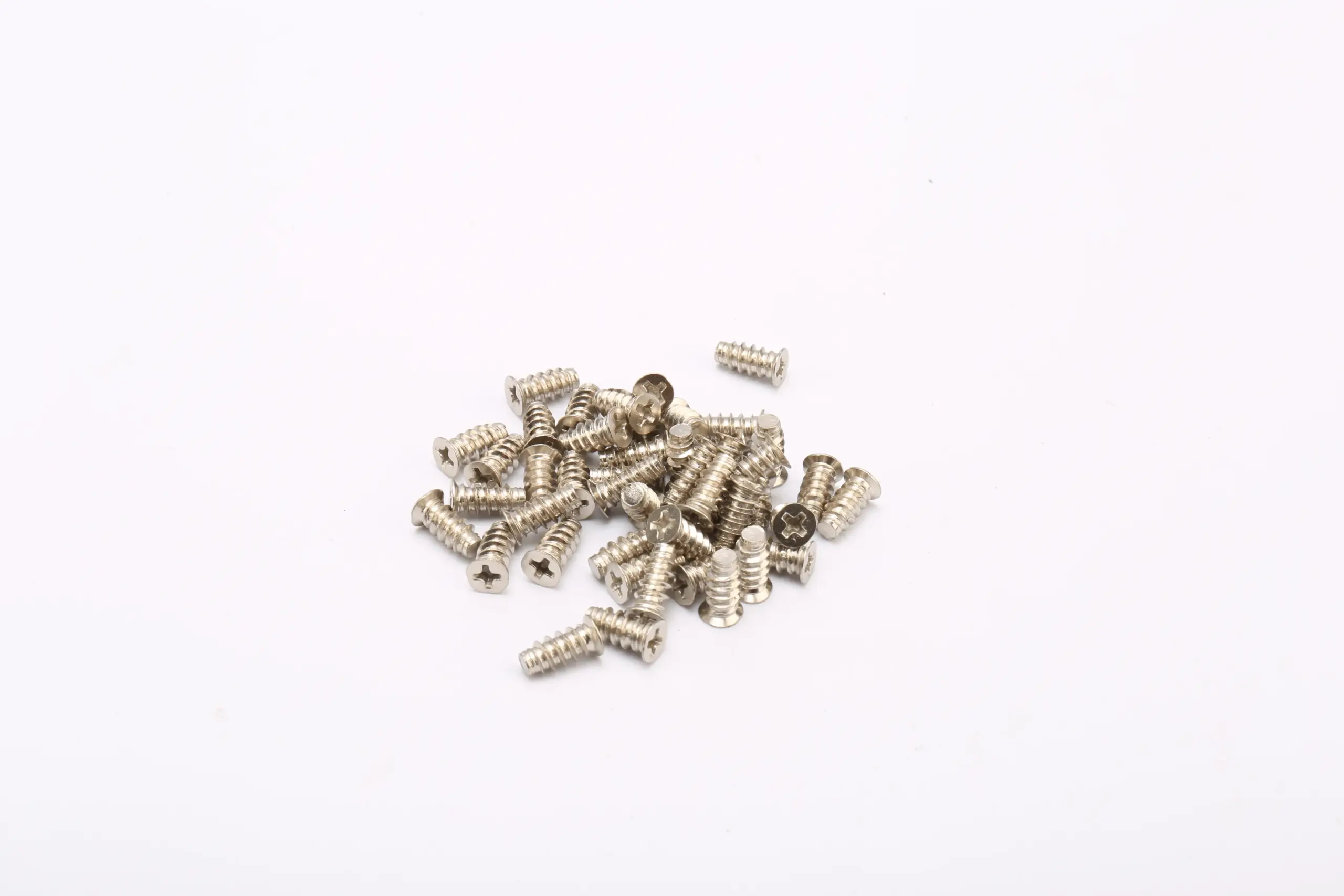
Phillips-head screws with a cross drive for controlled tightening in general and equipment assemblies. Made to custom specifications. The notes below focus on the features that need to be confirmed before a drawing is approved.
Cross recess and head
This Phillips-head screw uses a cross recess with a conventional threaded body. The recess provides a drive; it does not set the thread, material or strength. The head, thread and seating face still need to be defined for the assembly.
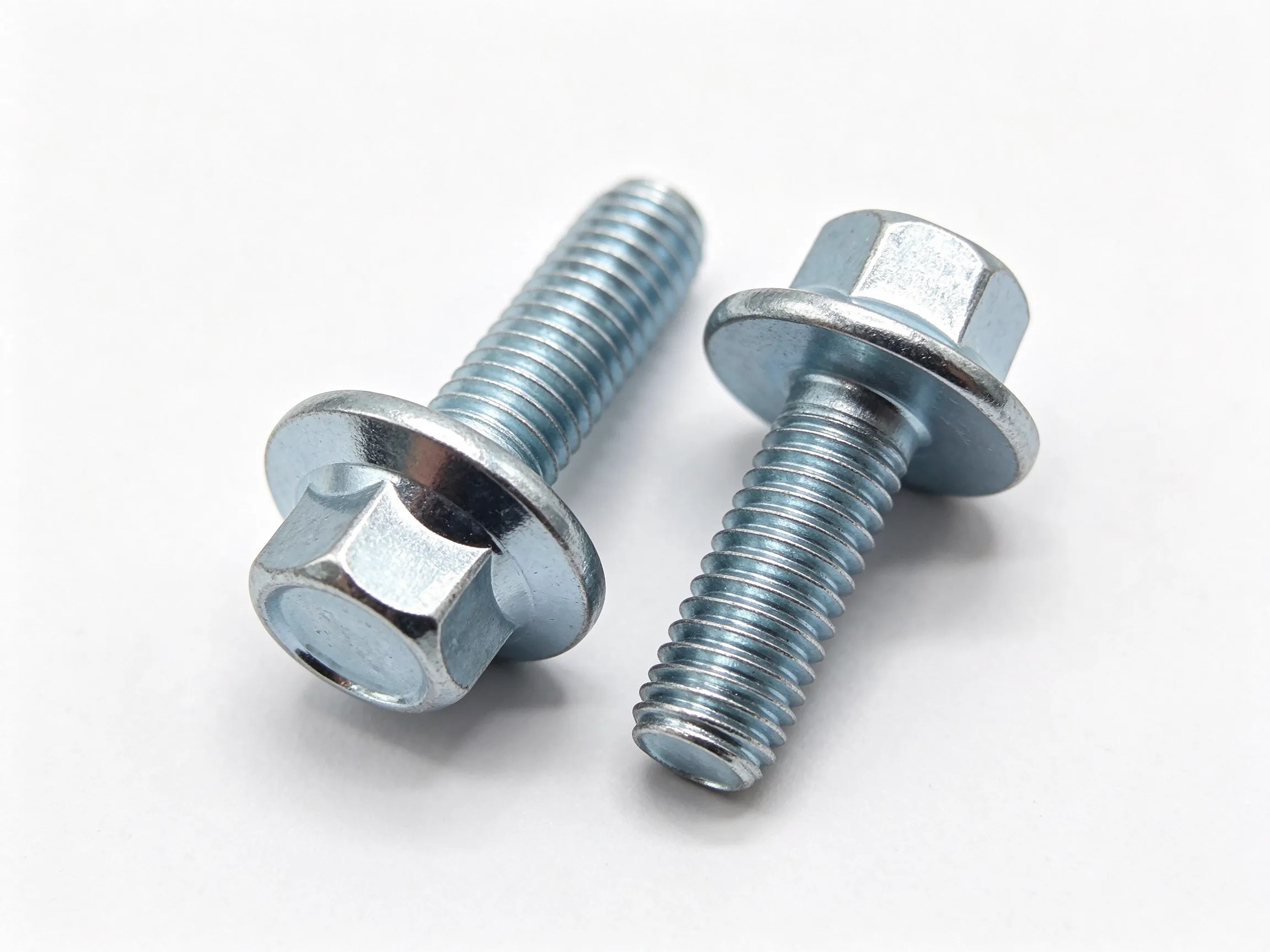
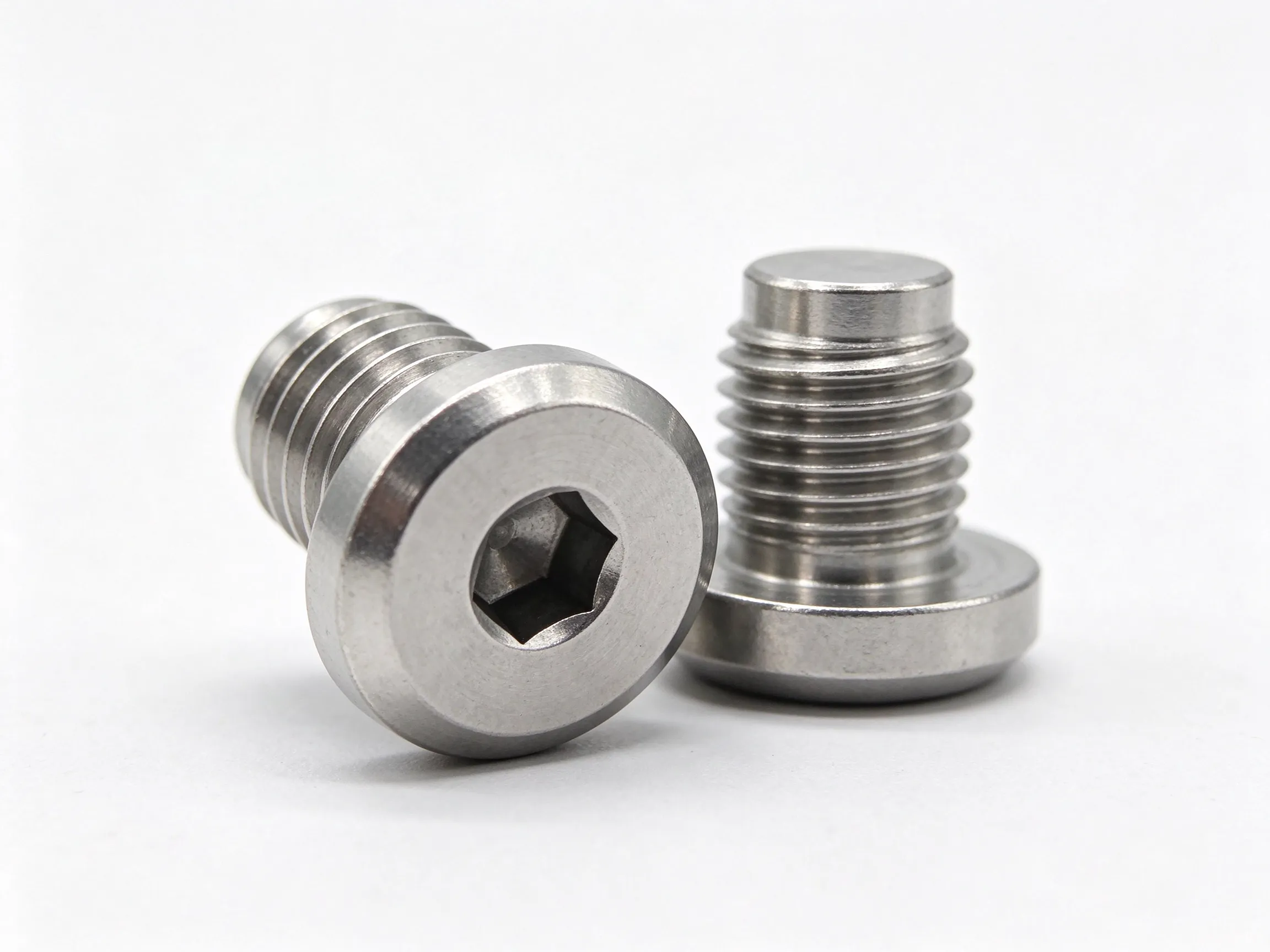
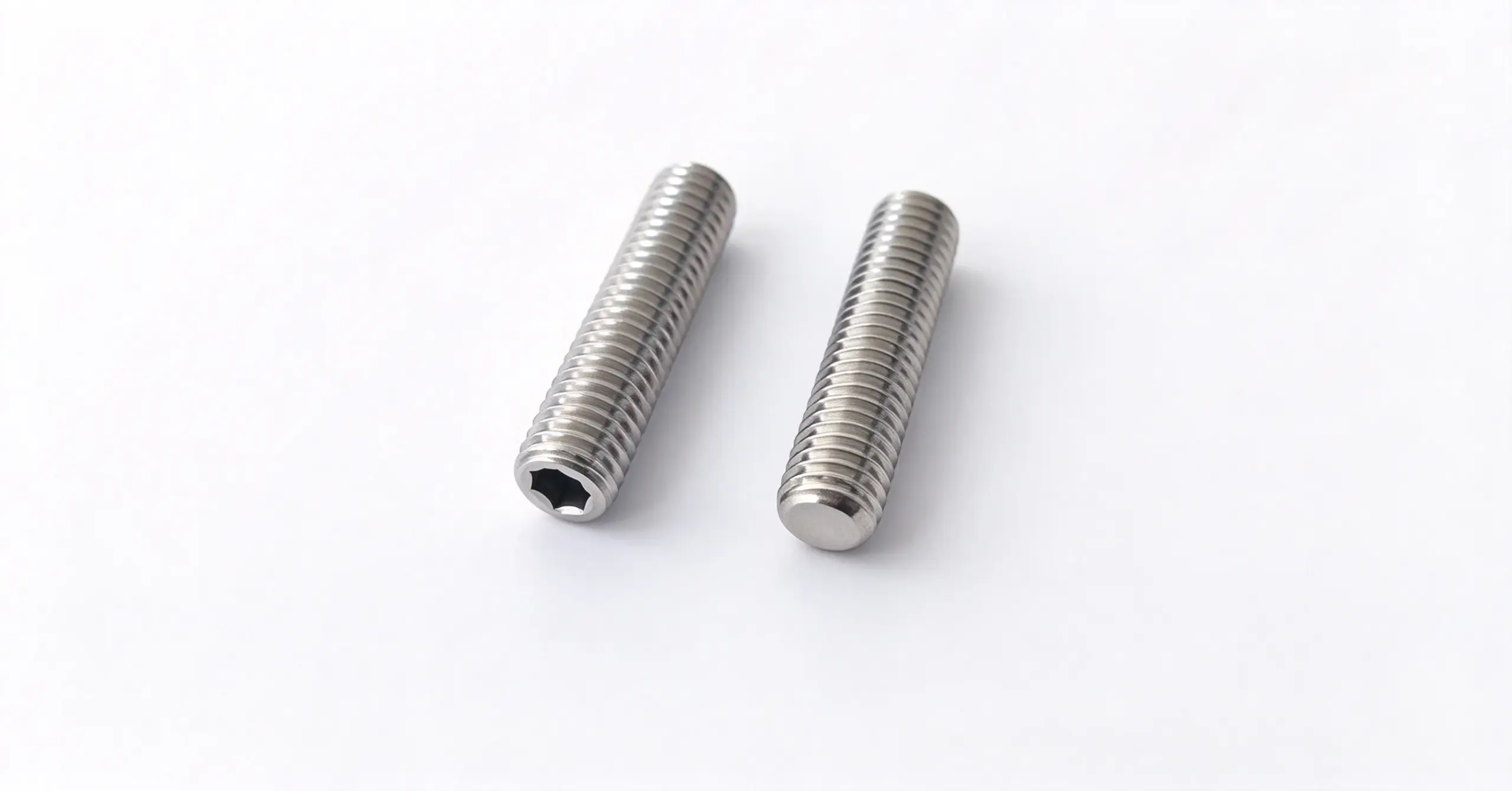
For phillips head screws, use the photograph only to identify the family. Mark the features that must be measured, the ones that may be visually compared and the surfaces that must remain free of damage in the approved drawing.
Thread and body
Confirm the recess size and depth, the head profile and the thread length. Check the head bearing face and any plain shank. A cross recess can cam out if the driver is worn or the wrong size, so tool condition is part of the installation review.
At every change of section on phillips head screws, decide whether the transition is a clearance, a locating fit, a spring point or a stress-sensitive area. The radius, chamfer and undercut should then be specified to match that function.
Driver fit
Specify the thread size, pitch, direction and usable length. Identify the surface that seats and any required clearance around the head. Do not assume that a pointed screw, a self-tapping screw or a machine screw applies because the drive looks familiar.
For a part that will be serviced, check that phillips head screws can be released without damaging the mating component. A recessed drive, adhesive patch or locking feature can make removal harder than installation and should be reviewed at the same time.
Material and finish
State the base material, finish and any thread treatment. A dark or bright surface is not a material grade. If the recess is plated, check that the coating does not reduce driver engagement or create a sharp edge.
Compare finish changes for phillips head screws against the approved sample under the agreed viewing condition. Record the surfaces where coating build-up, color variation, marks or edge coverage are acceptable, and keep that reference with the drawing revision.
Assembly trial
Trial the screw with the actual driver and mating part. Confirm that it starts without cross-threading, reaches the intended seat and leaves the required clearance. Inspect the recess for cam-out damage after tightening.
After the trial, protect the approved sample of phillips head screws from handling damage and keep it with the current drawing. Any process, material or finish change should be compared with that reference before the lot is released.
FAQ
Is a Phillips recess self-centering?
It can help guide the driver, but the driver must still be the correct size and be held squarely.
Does a Phillips head define the thread type?
No. The drive and thread are separate features. Specify both on the drawing.
What should be checked after tightening?
Check recess damage, head seating, thread engagement and the condition of the bearing face.
Browse the phillips head screws category, or compare phillips head semi-hollow screw and phillips-drive pointed screw.