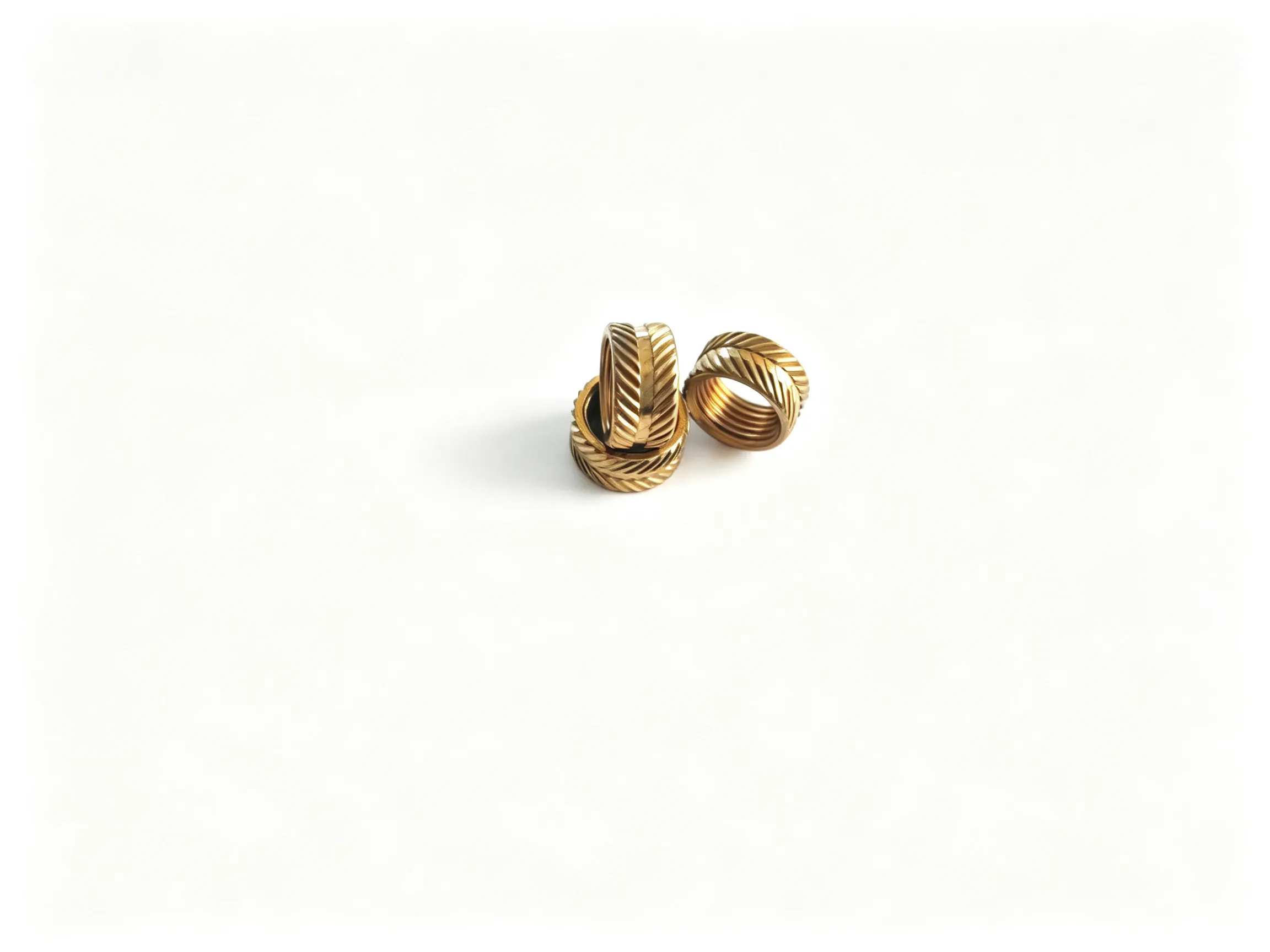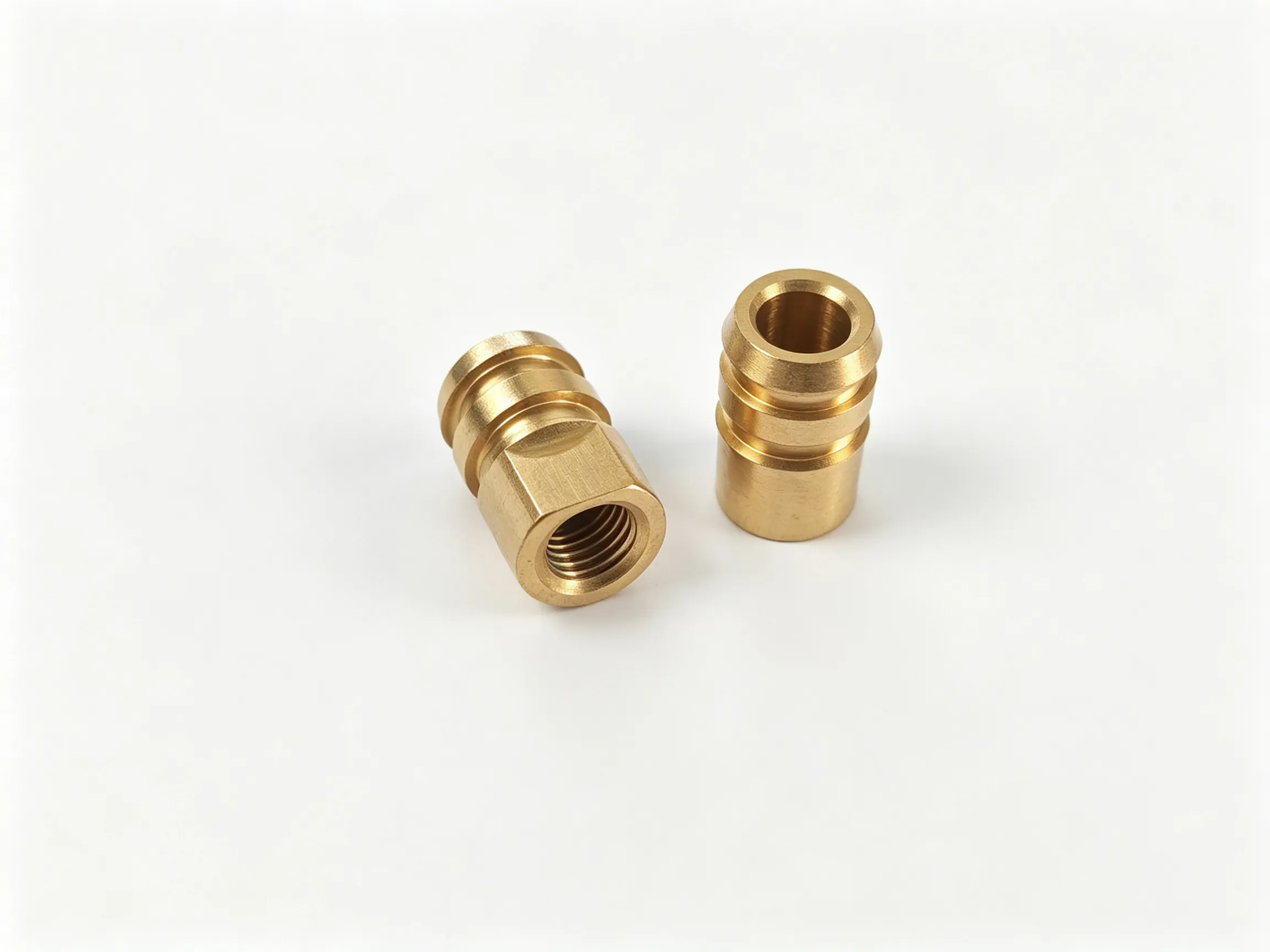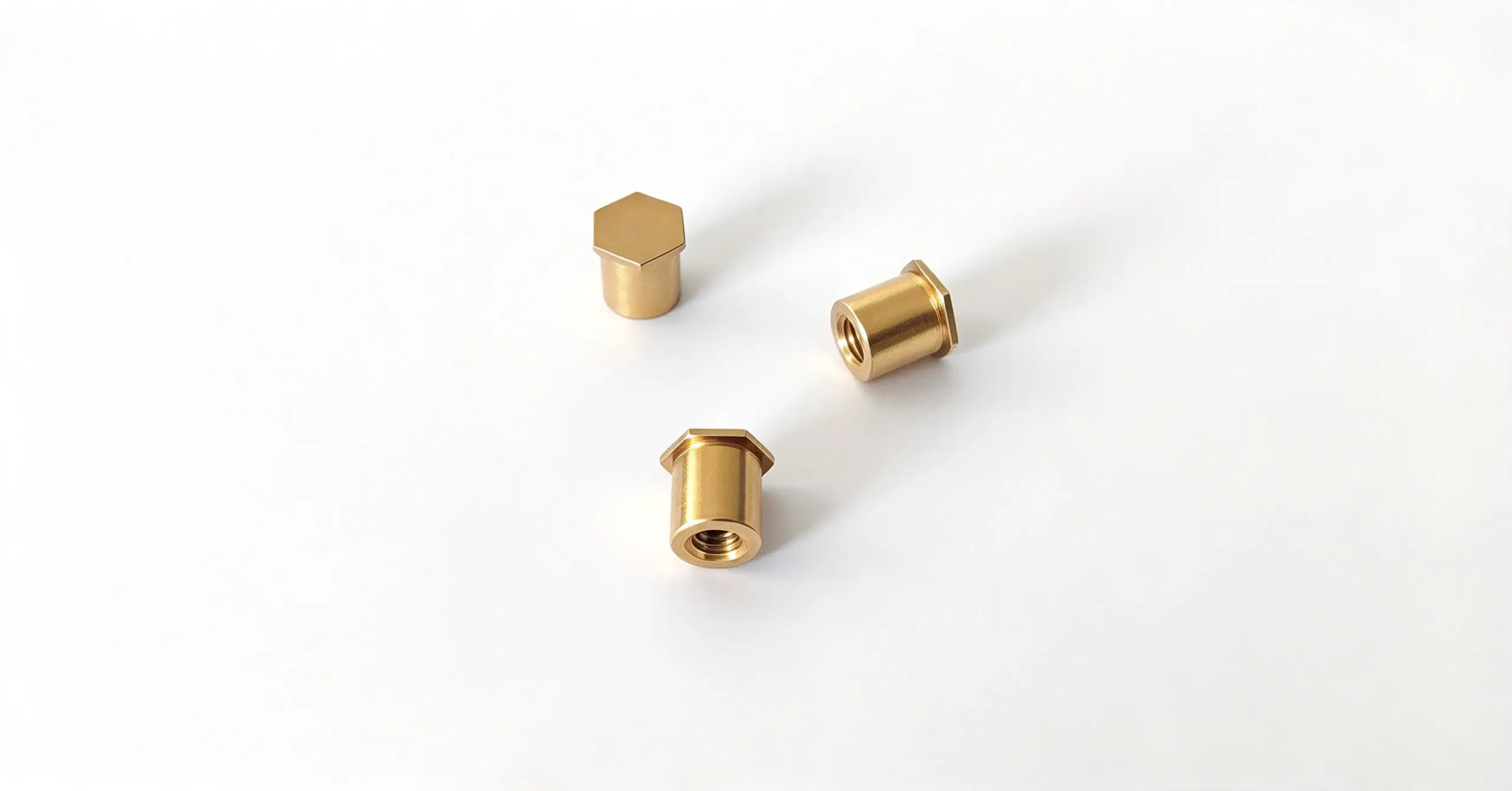


Knurled nuts use a textured outside diameter to provide grip when the part is adjusted by hand or when a conventional wrench cannot reach the body. The internal thread remains the functional connection, so the knurl should be treated as a handling feature rather than proof of a particular locking performance. The gallery shows small, round nuts with a repeated external pattern.
Why the outer knurl is used
A knurled band gives the fingers a more reliable contact area than a smooth cylindrical surface. It can help with adjustment, removal and light seating where the surrounding layout leaves little room for a tool. The pattern also makes the nut easier to identify by touch. It does not replace a specified locking device when the joint must resist vibration or repeated movement.
Thread and shoulder details
Inspect the thread entry, thread depth and any shoulder or flange on the part. A small shoulder can provide a seating face, while a plain body may sit against a washer or a recessed surface. Confirm that the knurl does not interfere with the mating hole and that the thread remains clear after finishing. The outside profile should be measured at the actual gripping band, not inferred from a photograph.
Hand adjustment and final seating
For an adjustment nut, define how much movement is expected and how the position will be retained. Hand tightening may be suitable for setting a position, but the final connection method must come from the assembly design. If a tool is used, protect the knurl from jaws that could crush or mark it. Check that the nut can be turned through the full adjustment range without contacting a neighboring component.
Material, finish and handling
The gold-colored appearance in the photographs should not be used to identify the alloy or coating. Request the base material, finish and any appearance requirement separately. A textured surface can trap debris or cleaning residue, so confirm the cleaning process with the supplier. For visible hardware, protect the knurl during packing and assembly to avoid dents that change the grip or appearance.
Inspection points
- Check the thread size, pitch and usable thread length.
- Measure the outside diameter and the knurled band position.
- Confirm the shoulder or flange geometry and seating face.
- Review material, finish, appearance and handling protection.
A trial assembly should confirm finger access, thread engagement and the intended adjustment range. Record whether the nut is intended for hand setting, tool tightening or both.
FAQ
Does a knurled nut provide a locking action?
Not by itself. The knurl improves grip; any locking requirement must be defined separately in the joint design.
Can the knurl be used as a torque feature?
The outside texture is not a torque specification. Confirm the installation method and any tightening requirement with the drawing.
How should a sample be checked?
Check thread fit, seating, hand access and marking after the sample is assembled in the intended orientation.
Browse the knurled nuts category, or compare copper knurled nuts and textured knurled nuts.