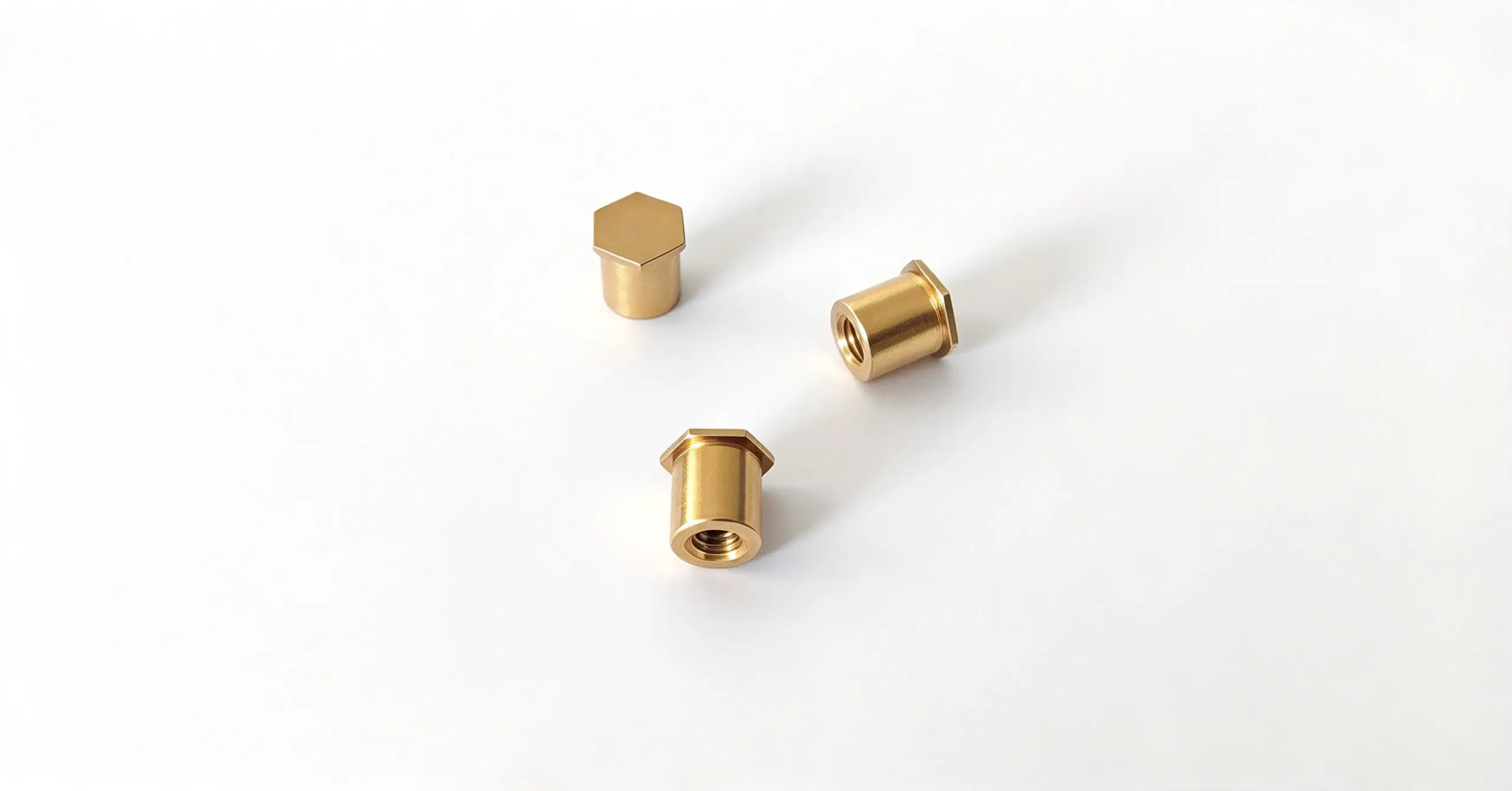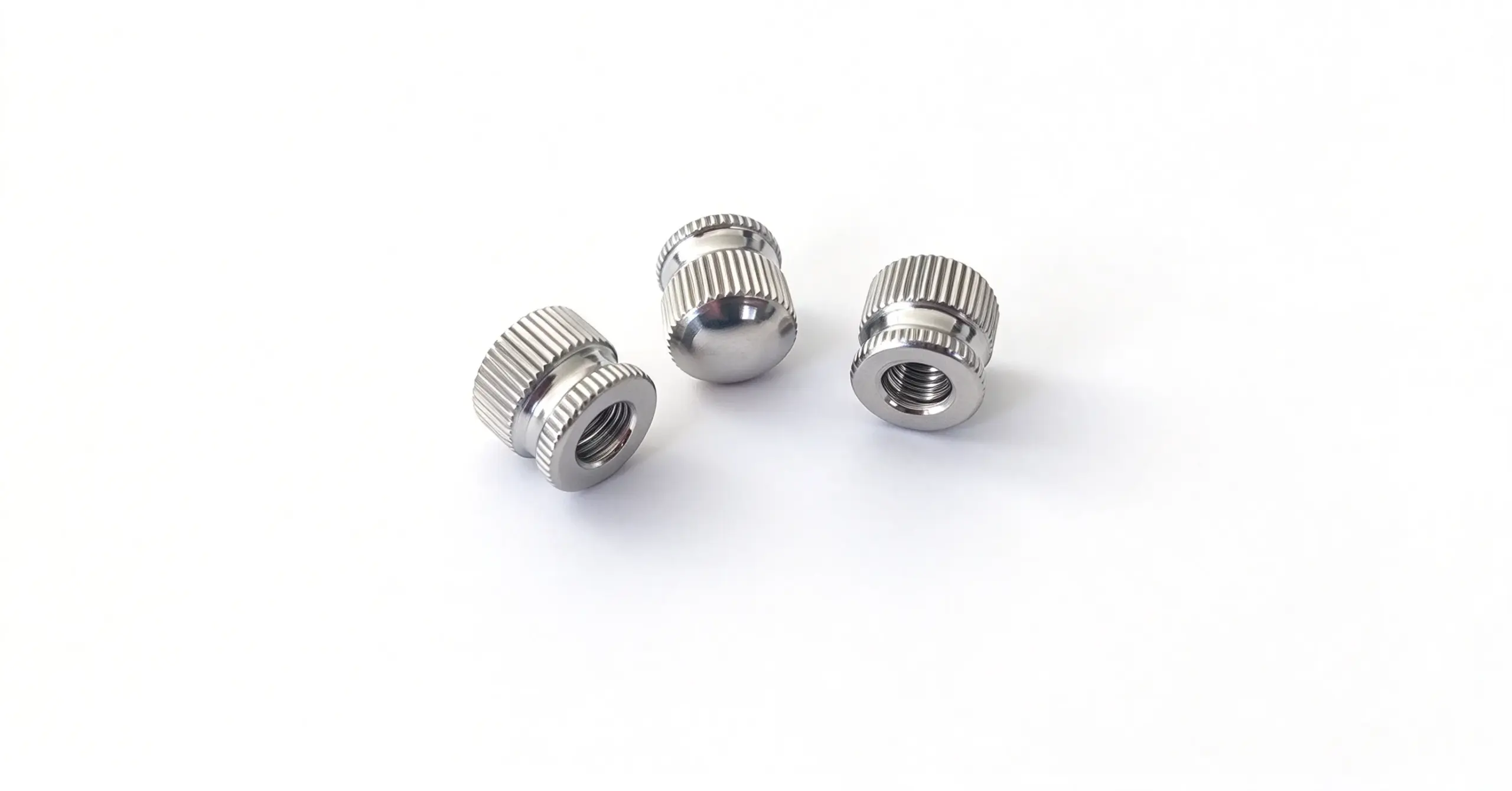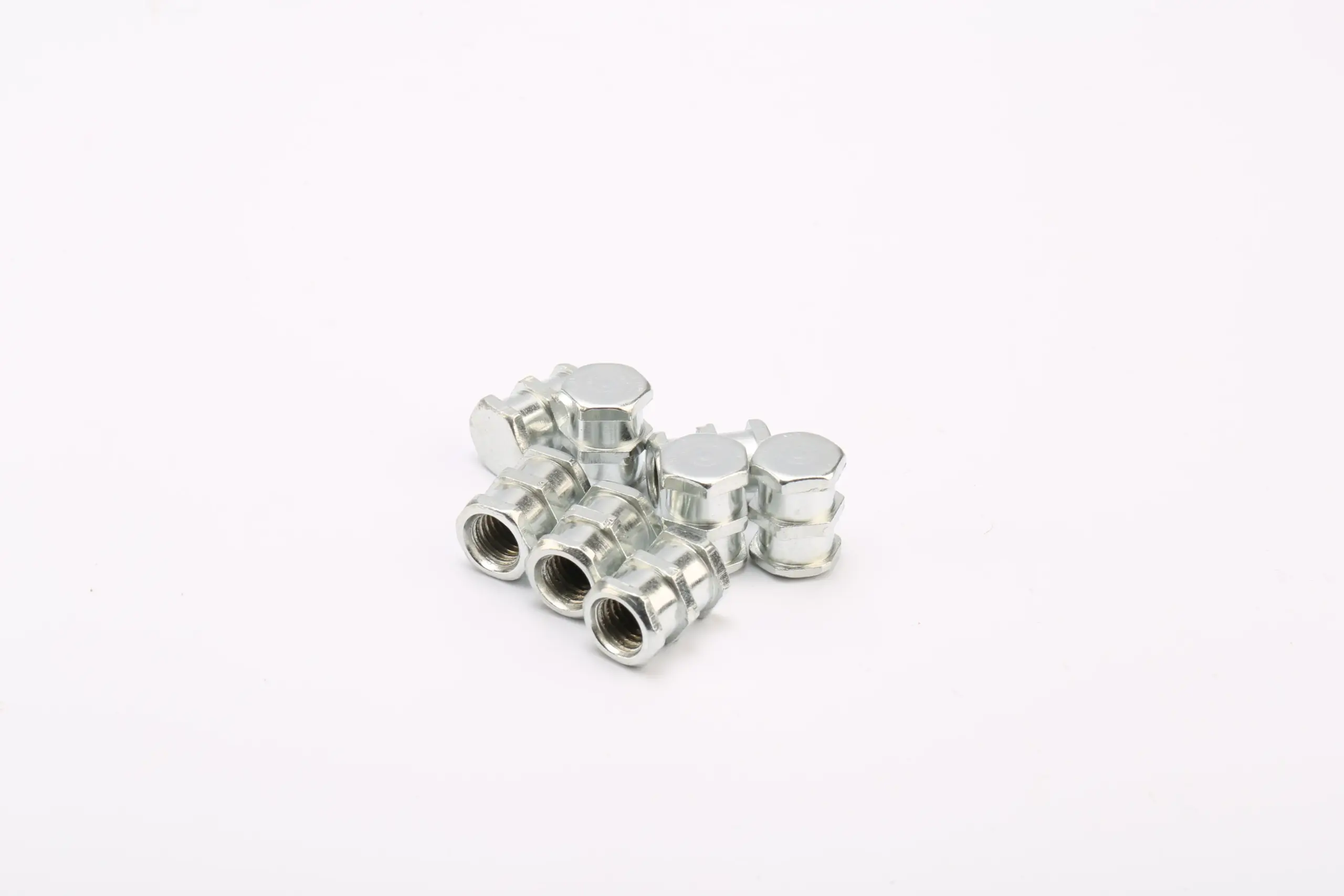
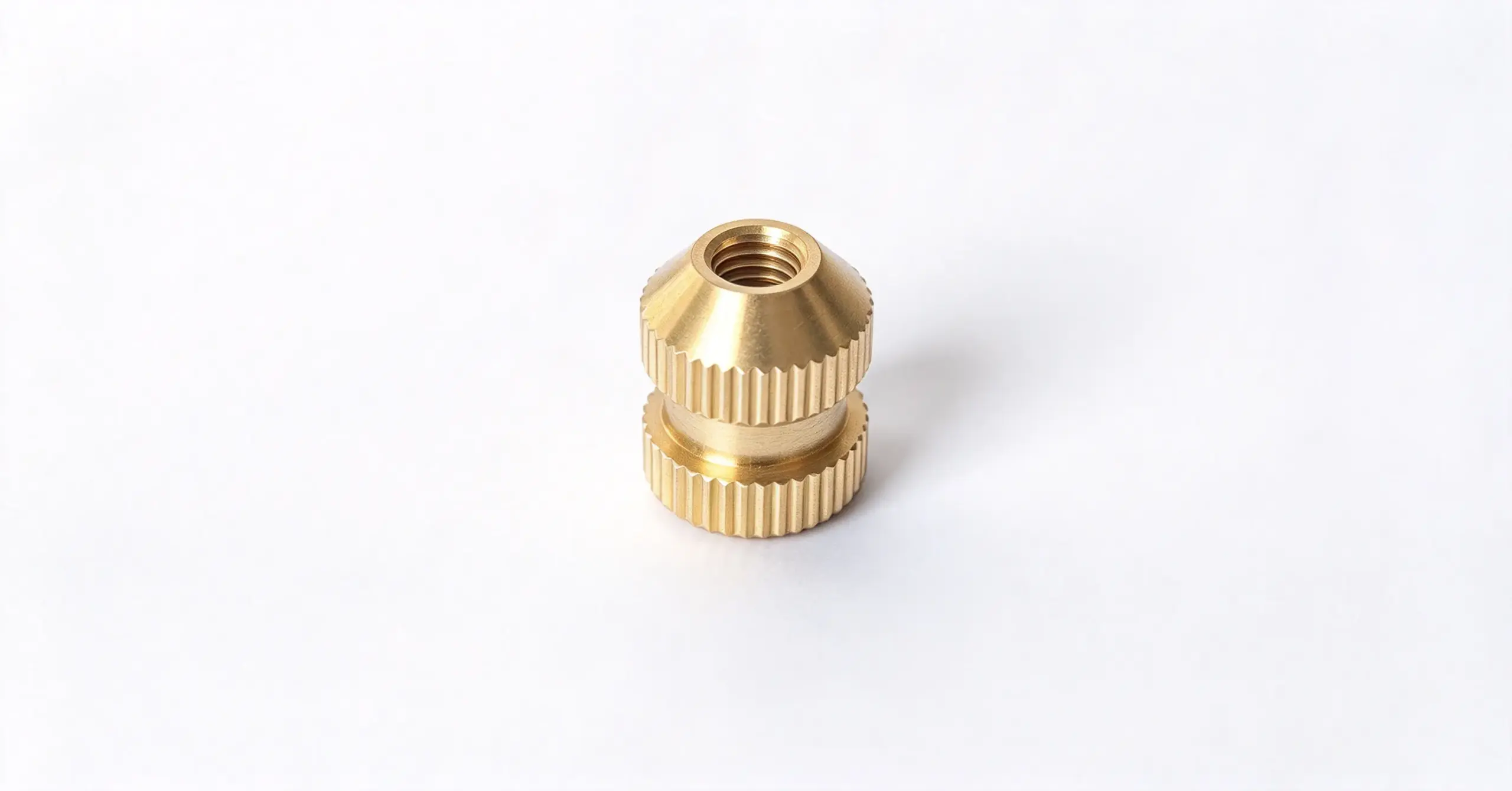
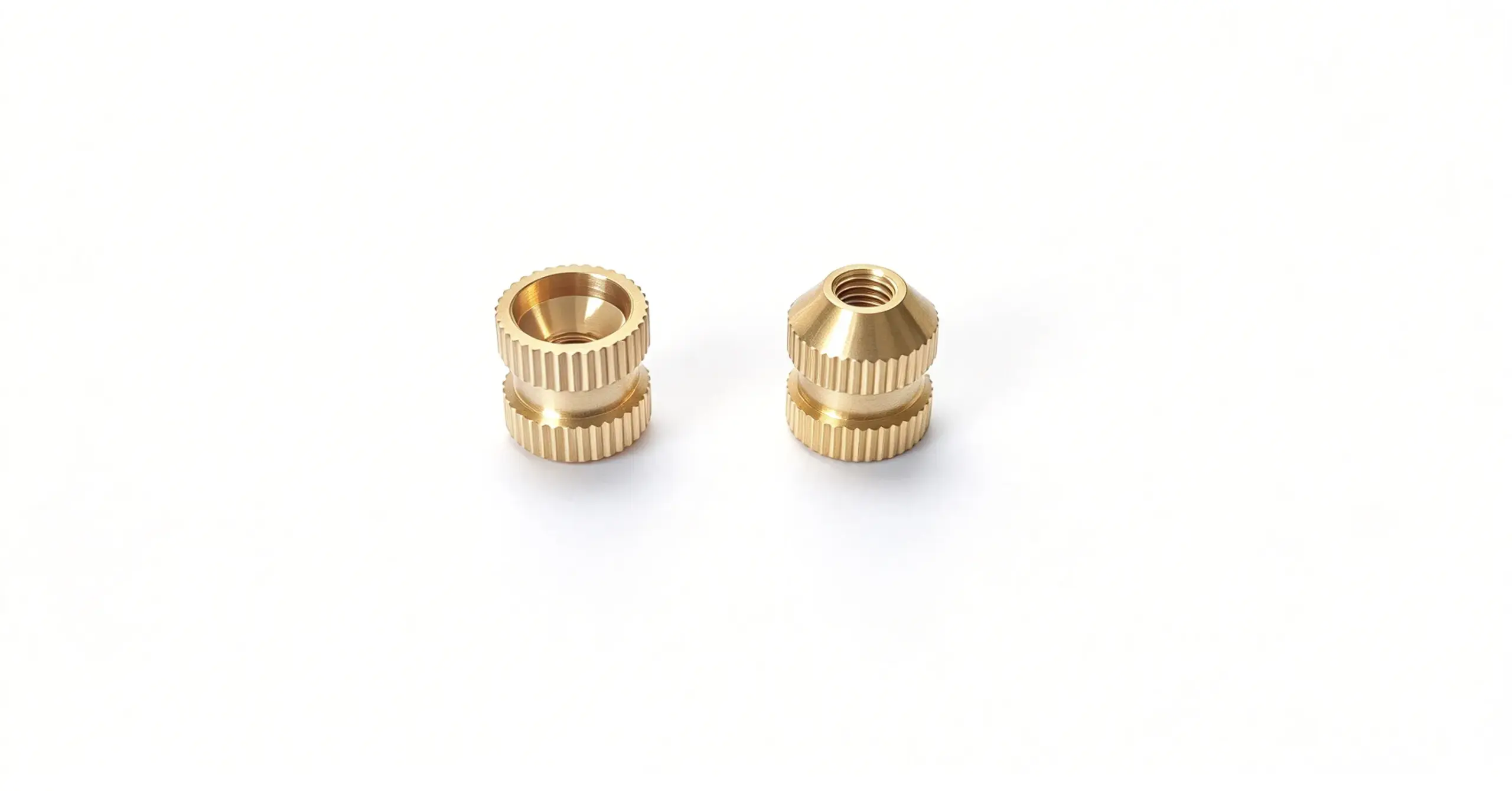
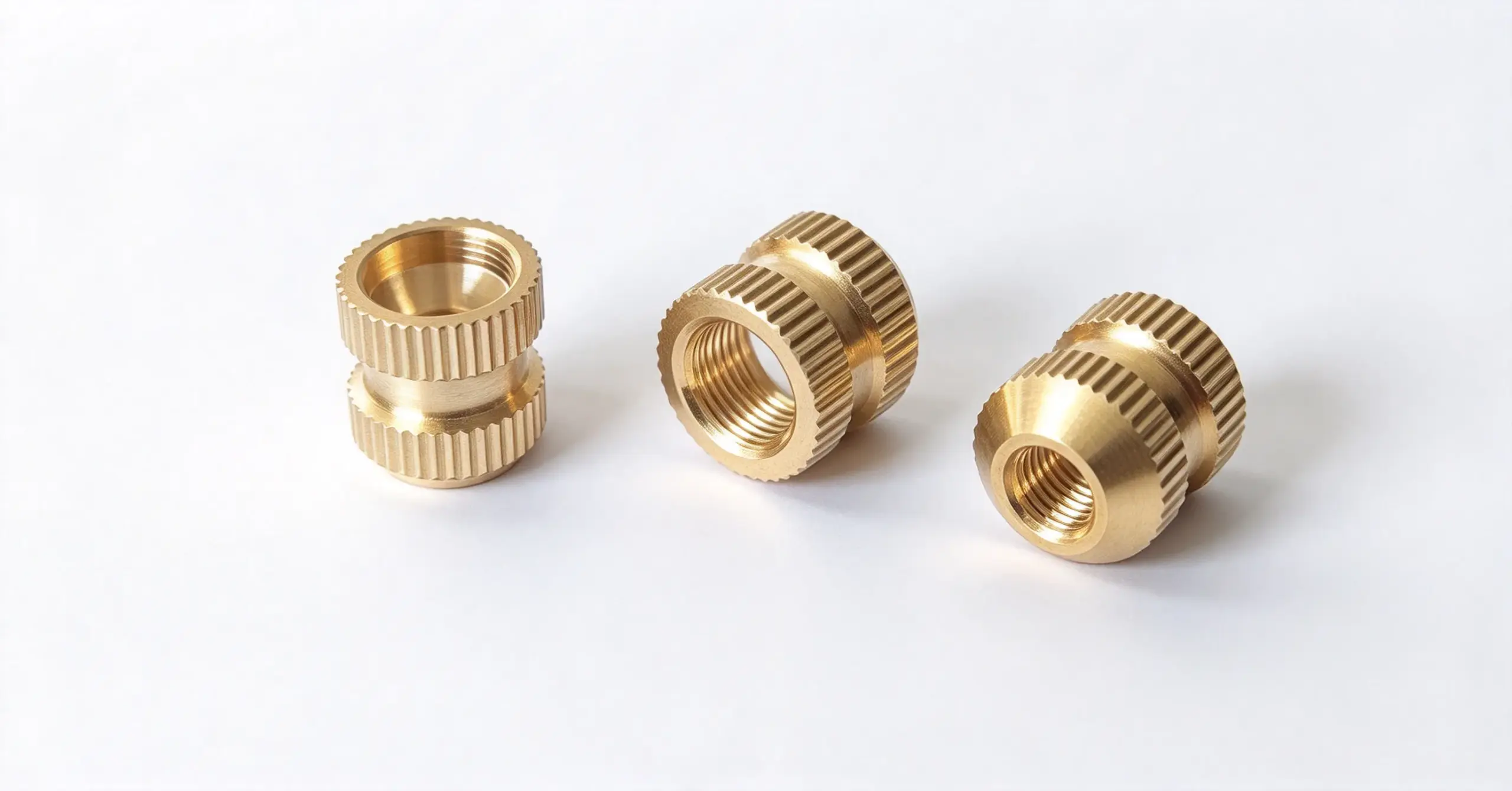
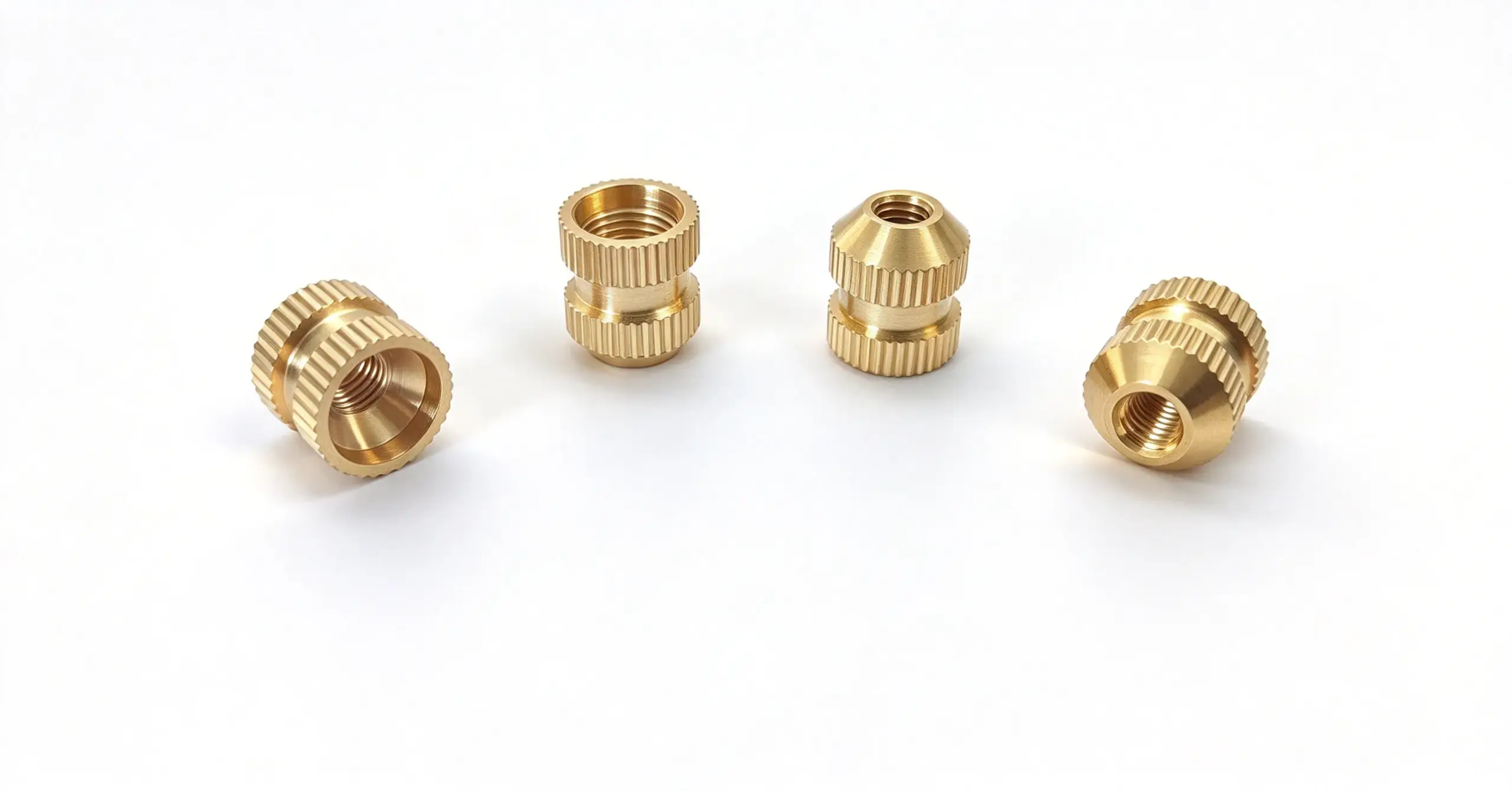
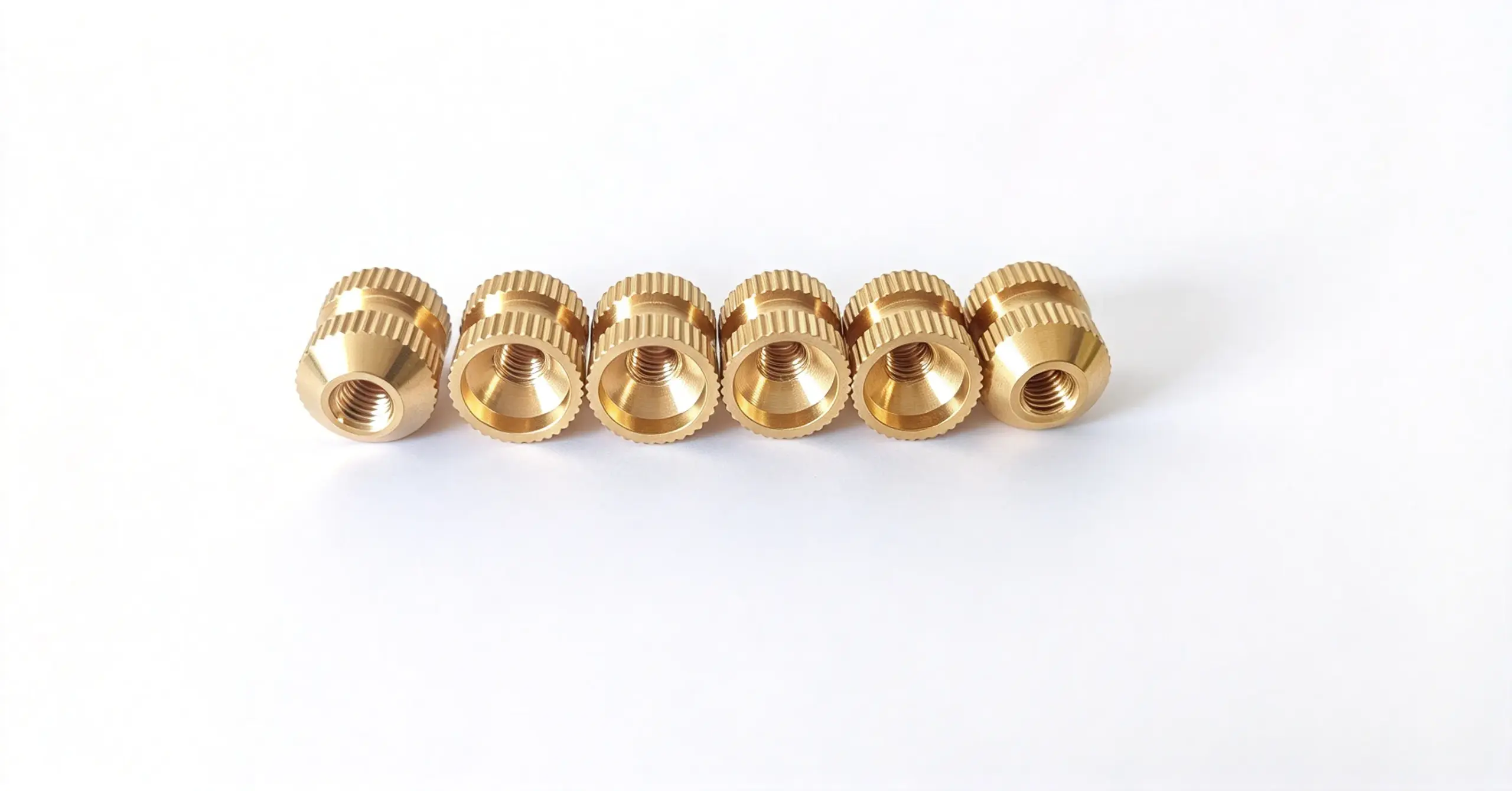
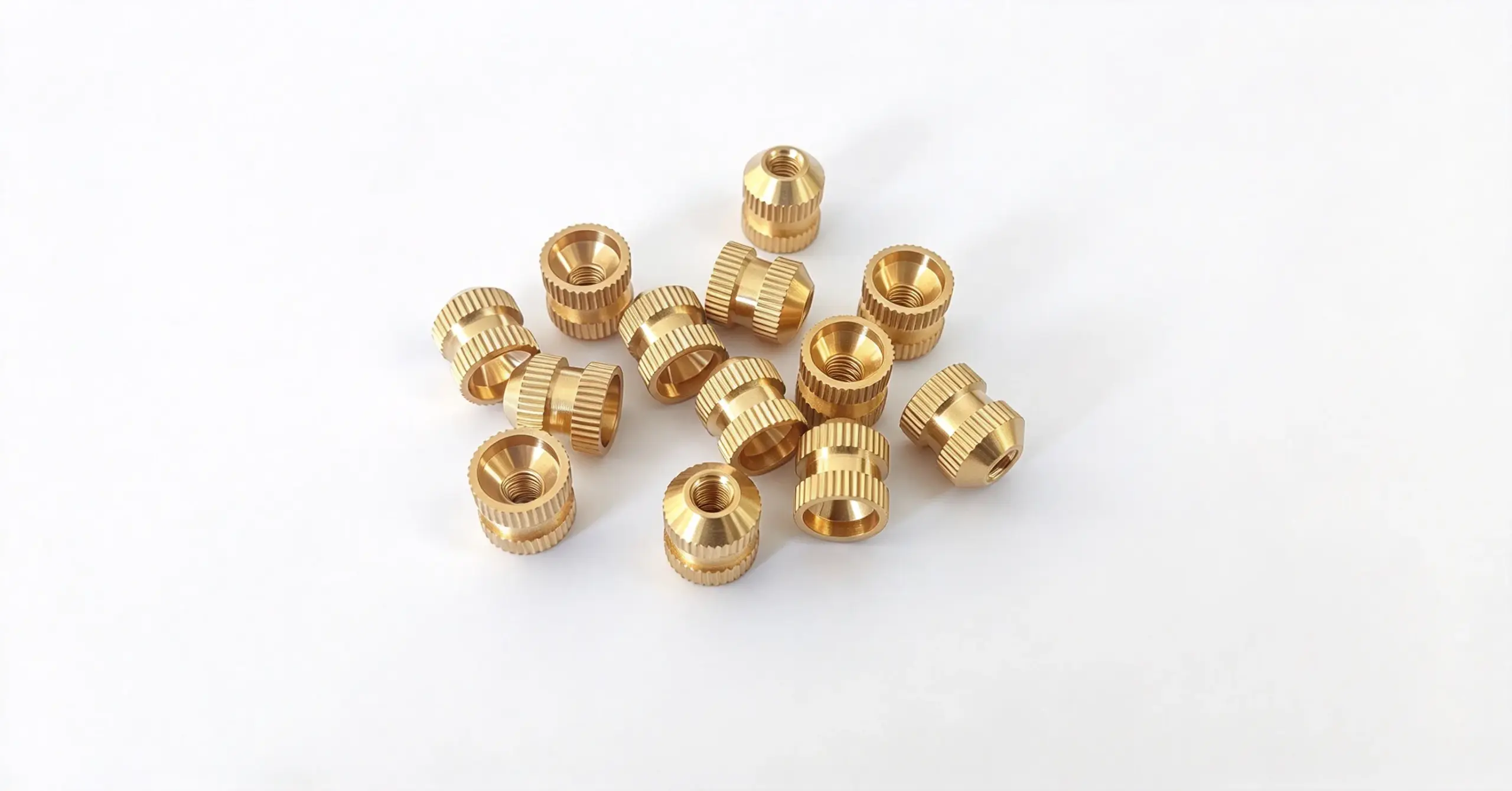
The knurled nut is produced to drawing or sample for hardware and assembly use. The knurl provides a grip feature on the outside of the nut, while the internal thread and seating face control the connection to the mating part.
Drawing and specification review
The drawing should define the thread, body height, outside form and the area where the knurl is required. It should also identify the seating face and whether the nut is installed by hand, by a tool or by another method. The knurl pattern and visible finish should be described when they affect grip or appearance.
Material and finish
Material and finish are selected from the drawing, application, appearance and corrosion requirement. When those inputs are not yet confirmed, the review remains drawing-led and no grade, coating or dimensional range is assumed from the product name alone.
Production review
The production route is reviewed from the thread, body form, material and finish requirements. The nut should be checked at the thread, knurled surface and seating face rather than only at the outside profile so that it works in the intended assembly.
Assembly and inspection
Inspection should cover thread suitability, body dimensions, knurl condition, seating-face condition and visible burrs. Trial assembly should confirm the thread engagement, access for installation and the way the nut seats against the mating component.
Drawing and order details
Send a dimensioned drawing or stable sample together with the expected quantity, mating-part information and any inspection or packaging requirement. Photographs can help explain the application, but they do not replace the dimensions that control fit and assembly.
The drawing revision and reference sample should be kept together once the project moves forward. Production checks can then focus on the features that control seating, location, thread engagement, movement or appearance instead of relying on a general visual match.
Request a quote
MOQ and lead time are confirmed per drawing in the quotation. The review can then cover the material and finish route, the production method and the inspection requirements without assuming specifications that are not present on the approved drawing.
Drawing changes and approval
Any drawing change should identify the affected dimension, feature or finish so the production requirement can be reviewed again. A marked-up drawing, a revision note or a replacement drawing is clearer than a verbal change because the supplier and the buyer can check the same information. The approved revision should be kept with the reference sample and order details. If a change affects a seating face, thread, locating feature or other functional surface, the inspection requirement should be updated at the same time. This makes the handoff from quotation to production easier to check and helps avoid mixing an earlier drawing with a later order.
Order and packaging review
The final order should identify the product, drawing revision, material and finish together with the expected quantity and packaging requirement. If the parts need protection for a visible surface, a particular orientation in the pack or separation between components, state that requirement during the review. The receiving team can then check the carton and part condition against the agreed information. The project remains drawing-led: MOQ, lead time, production route and inspection details are confirmed in the quotation, while any dimensions or specifications not shown on the drawing or sample are not assumed.