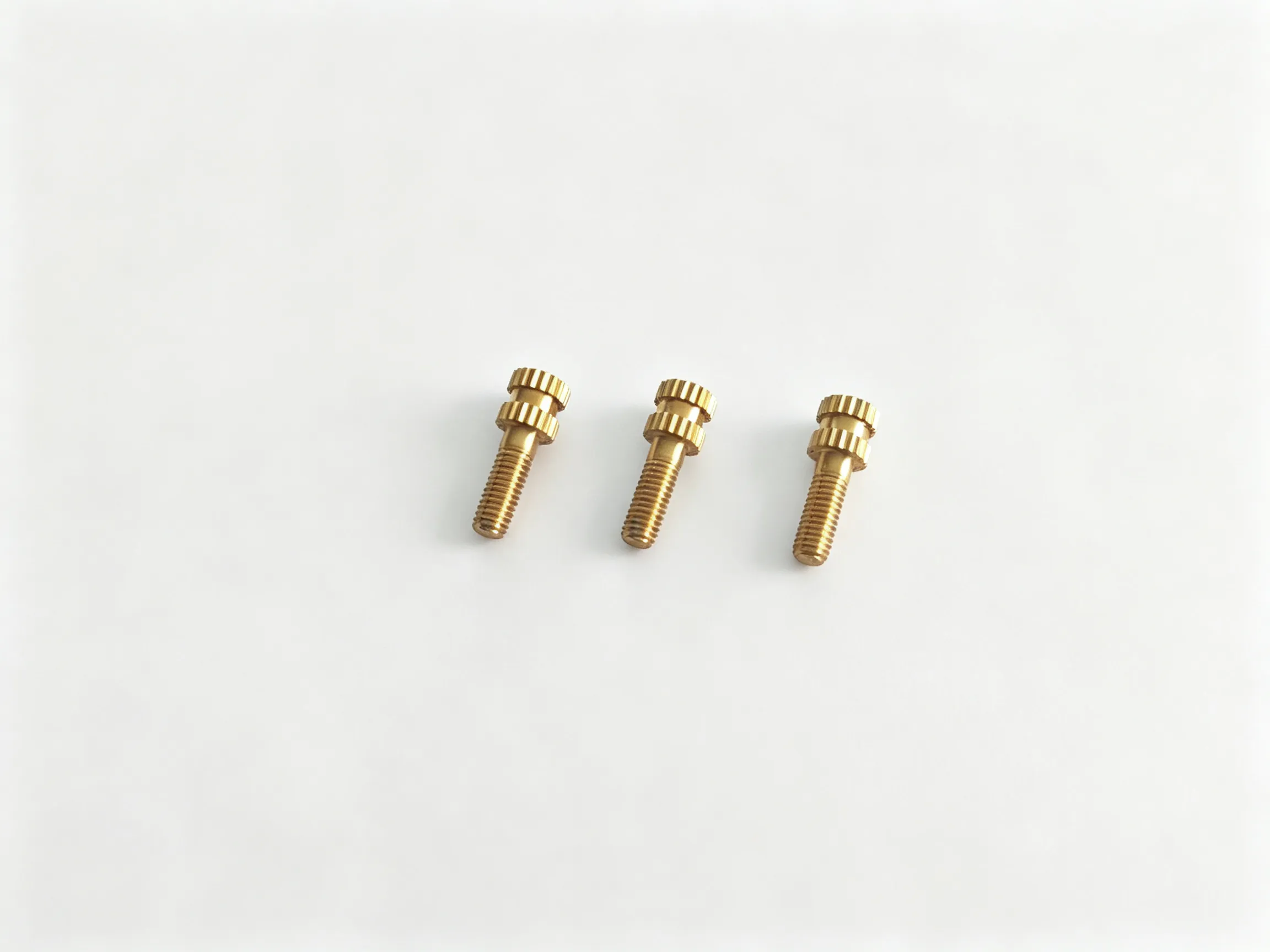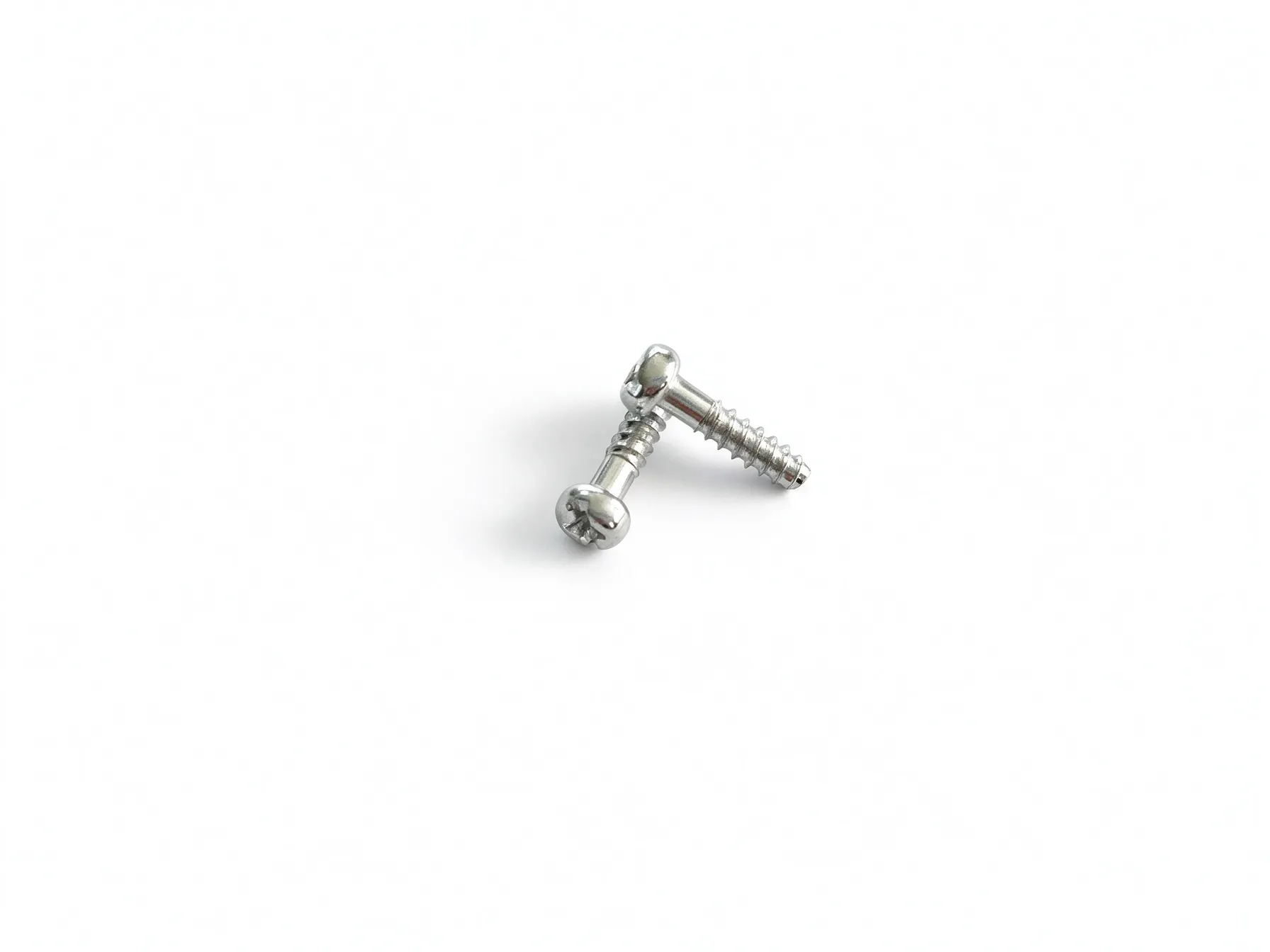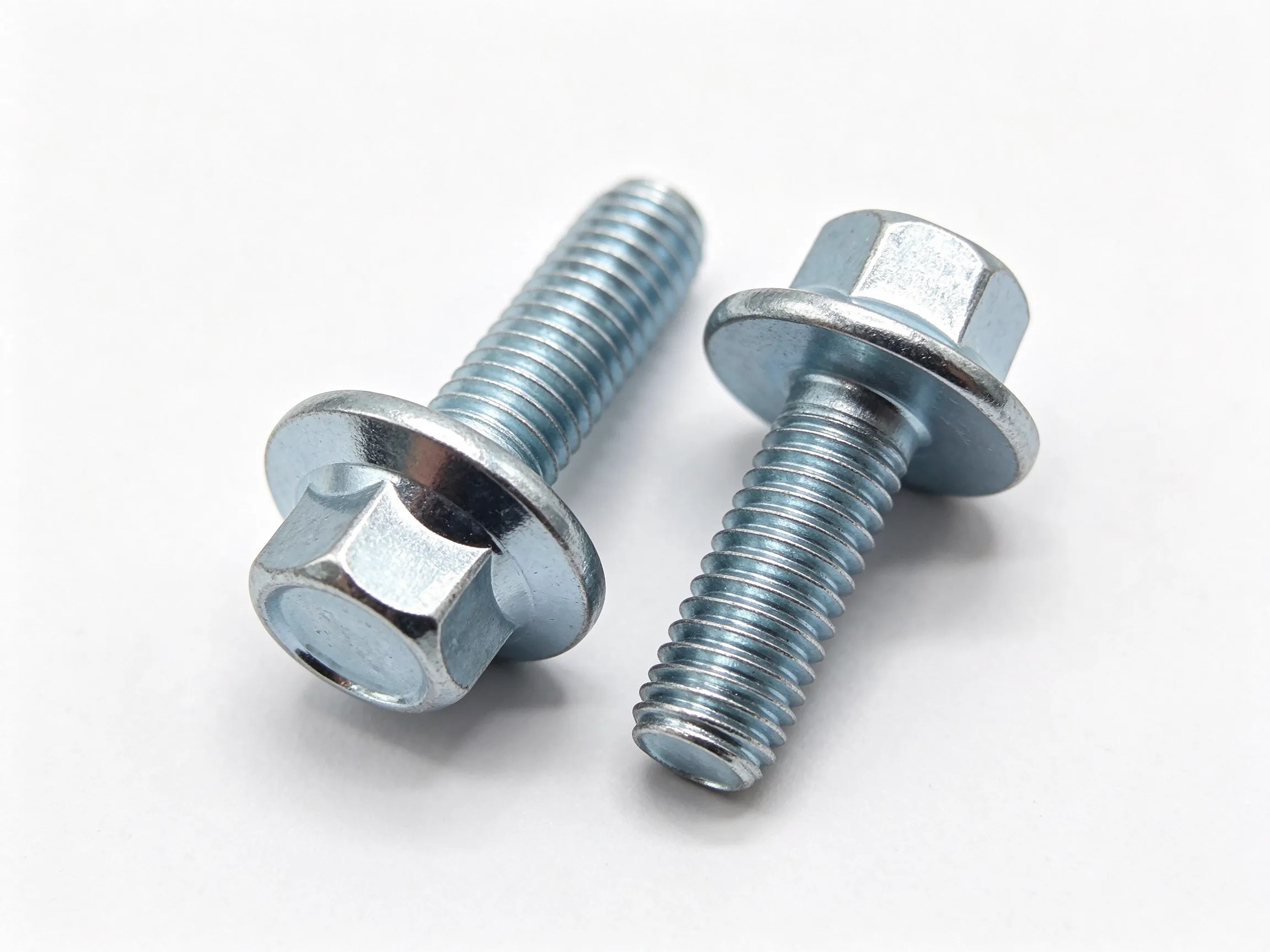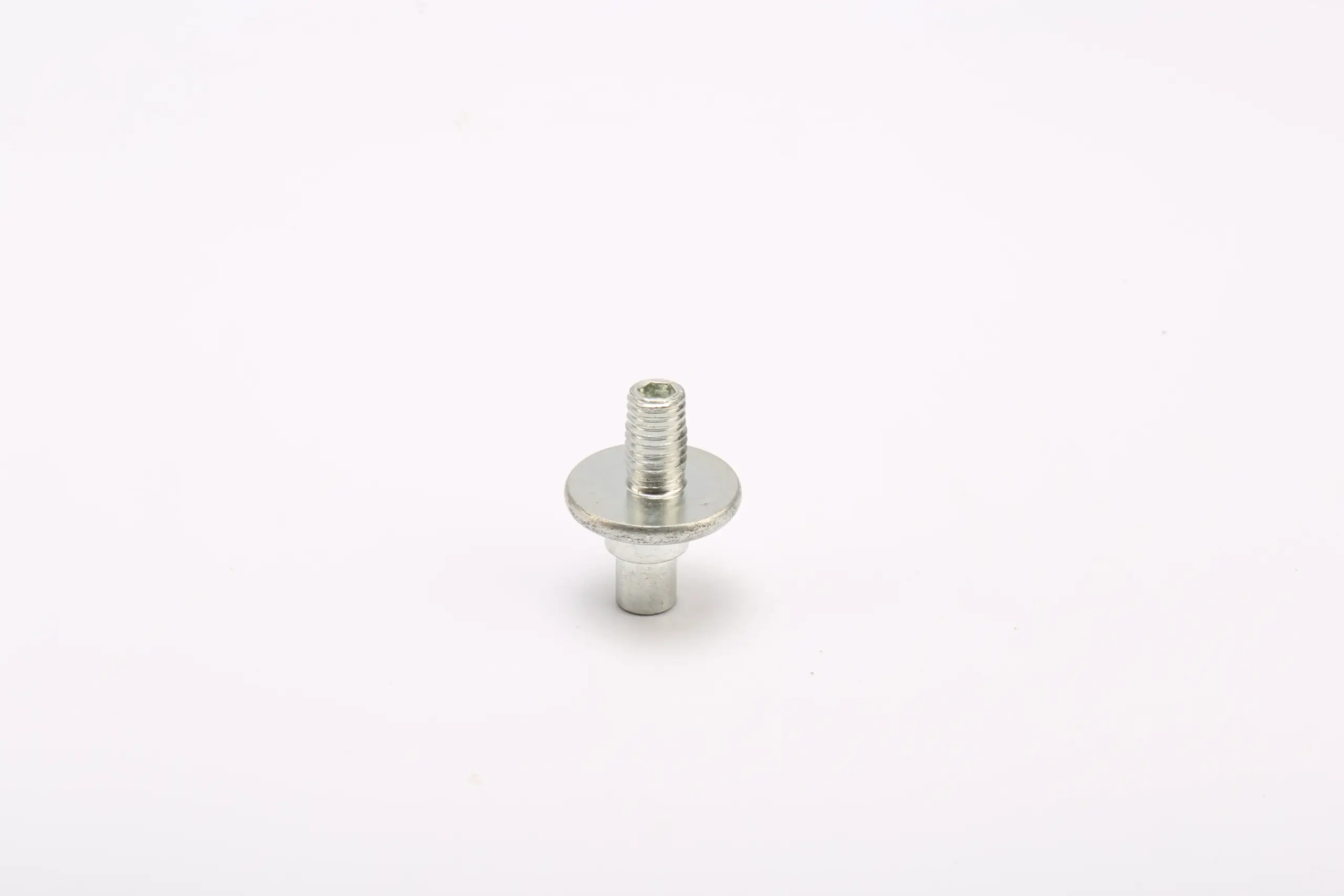
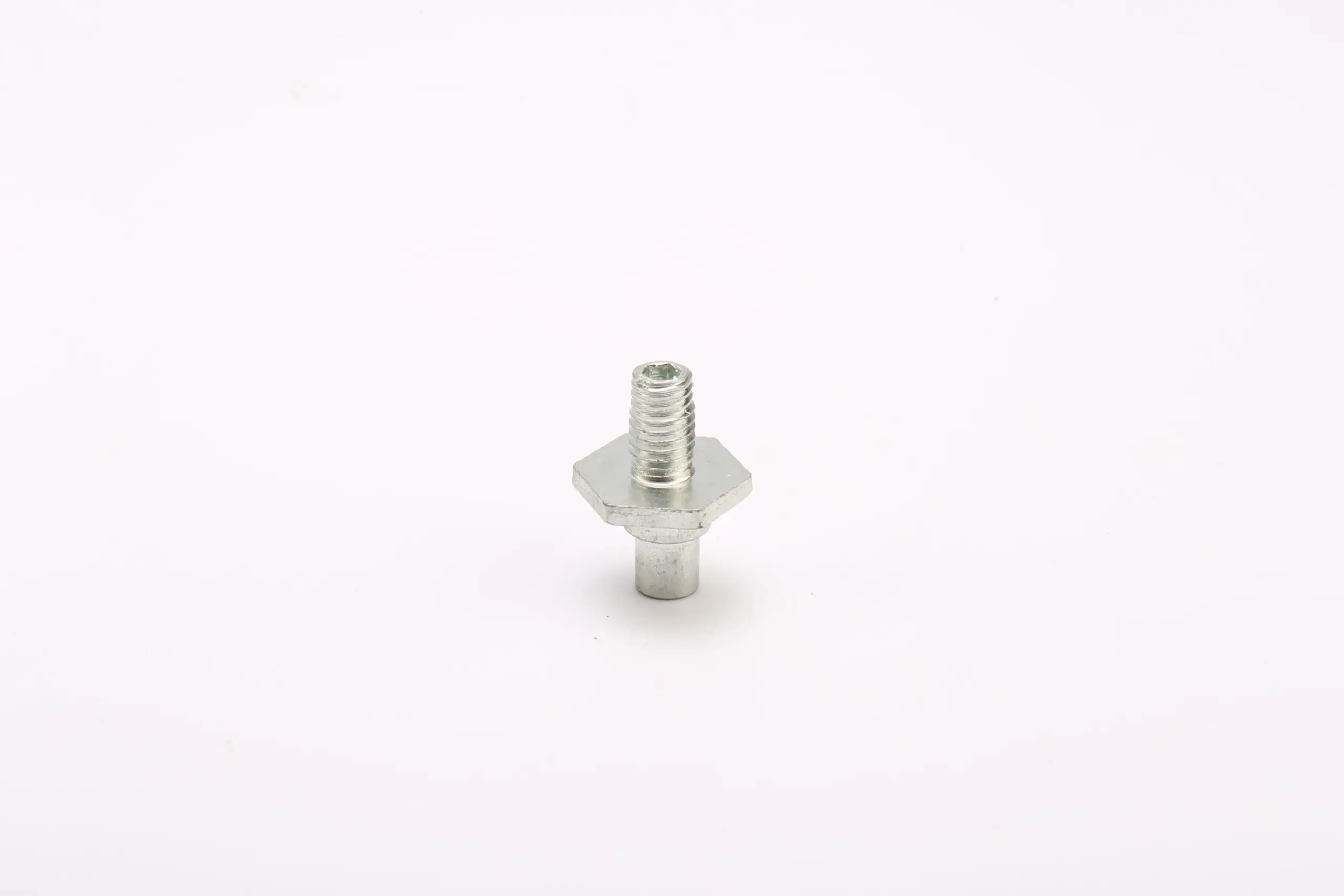
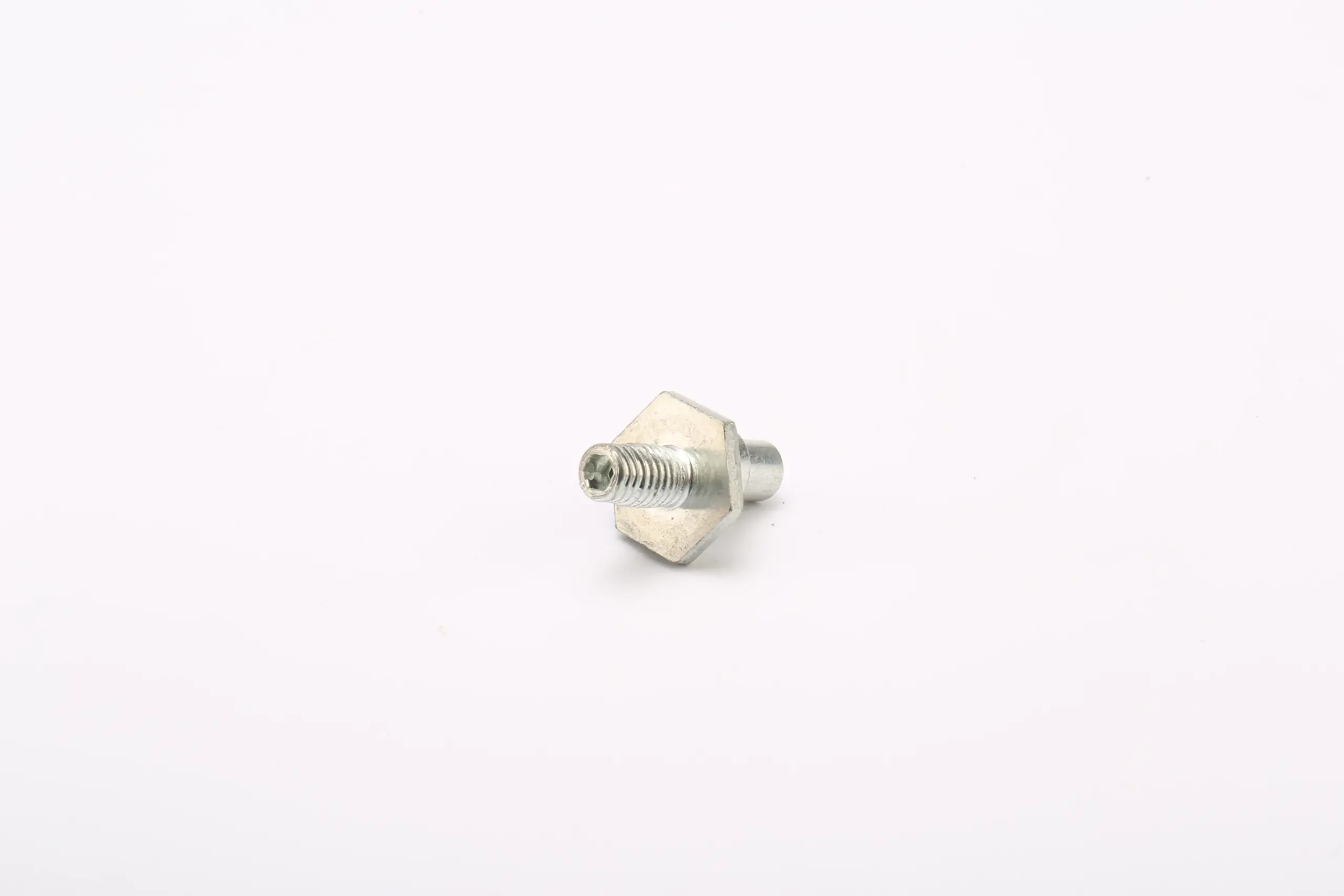
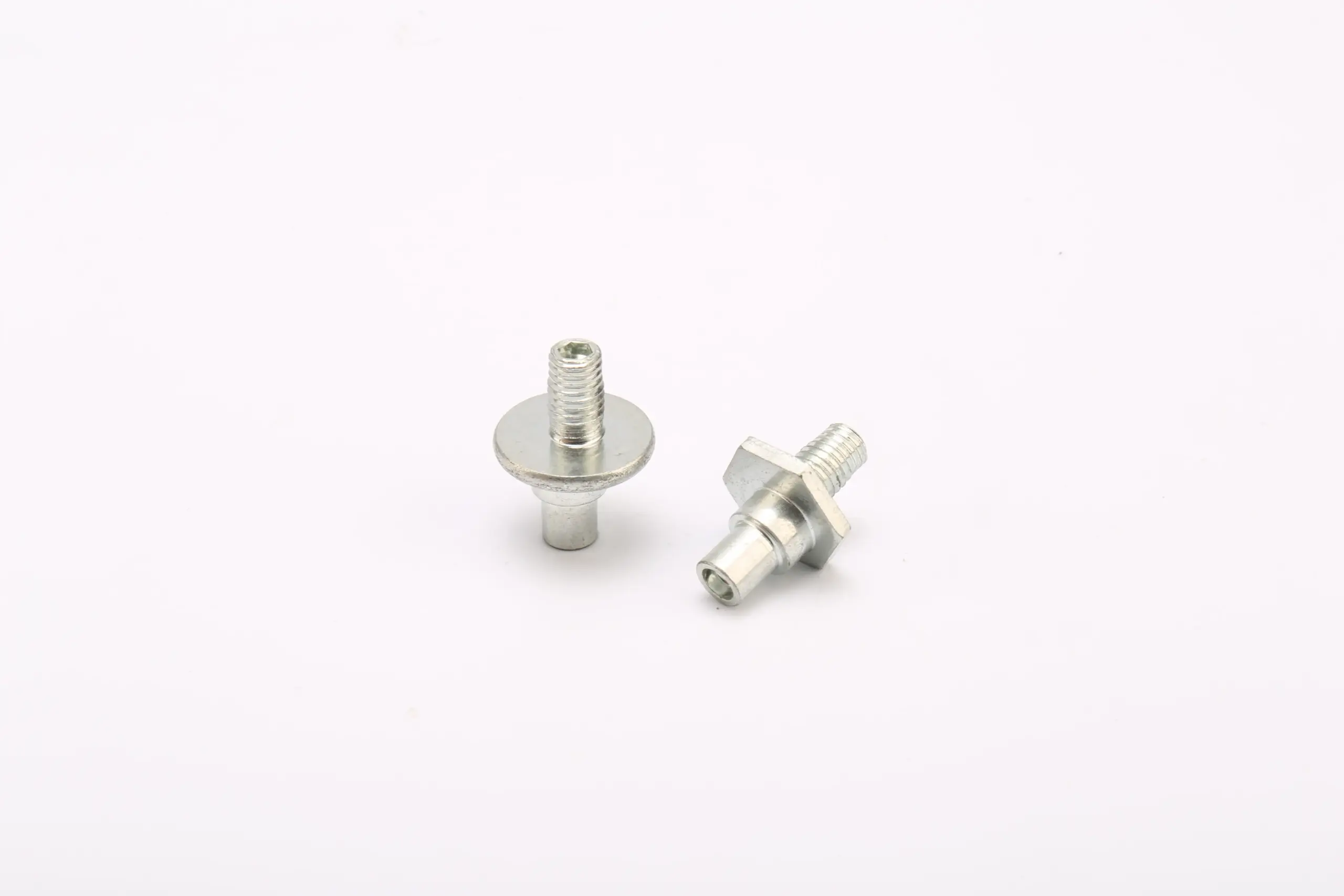
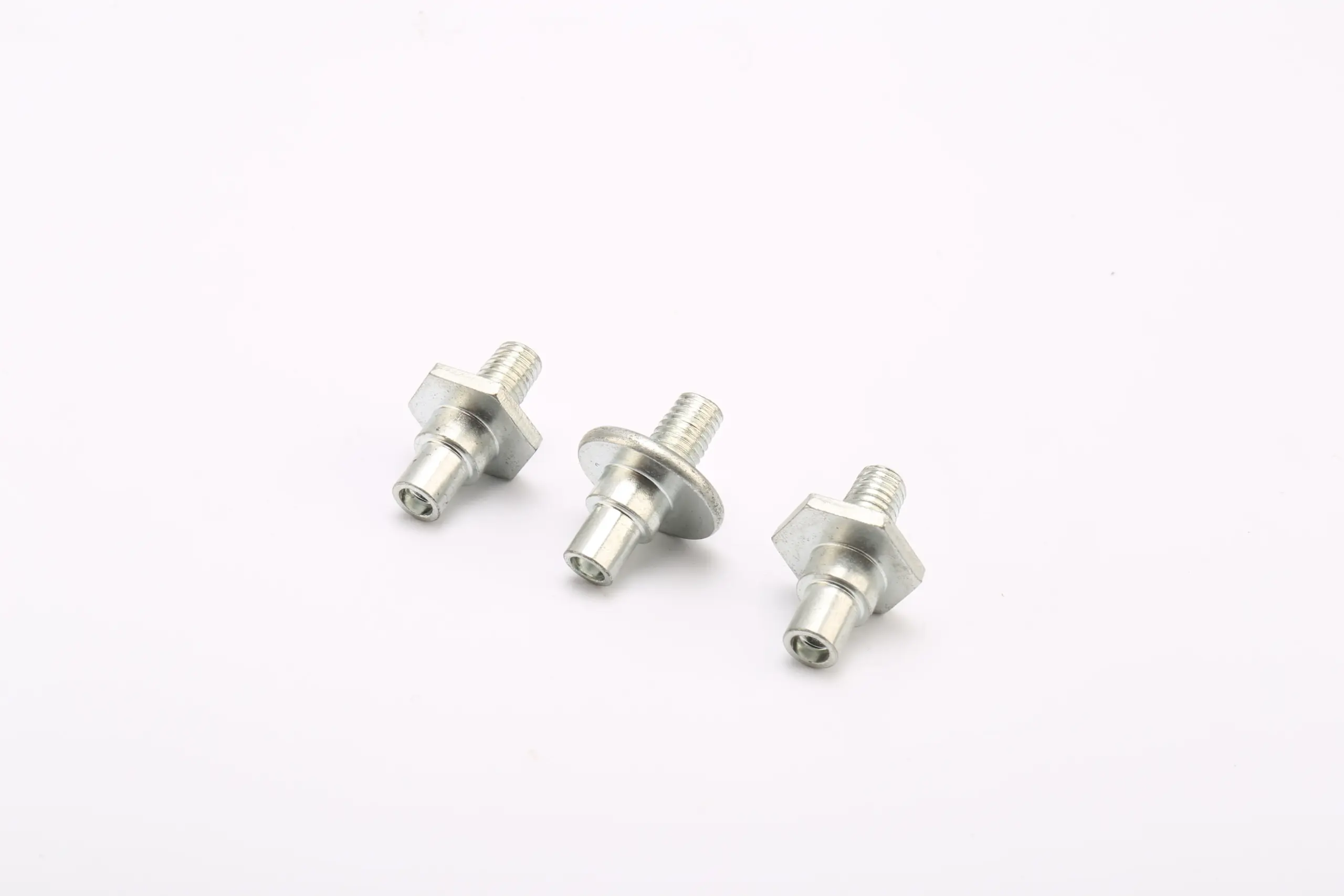
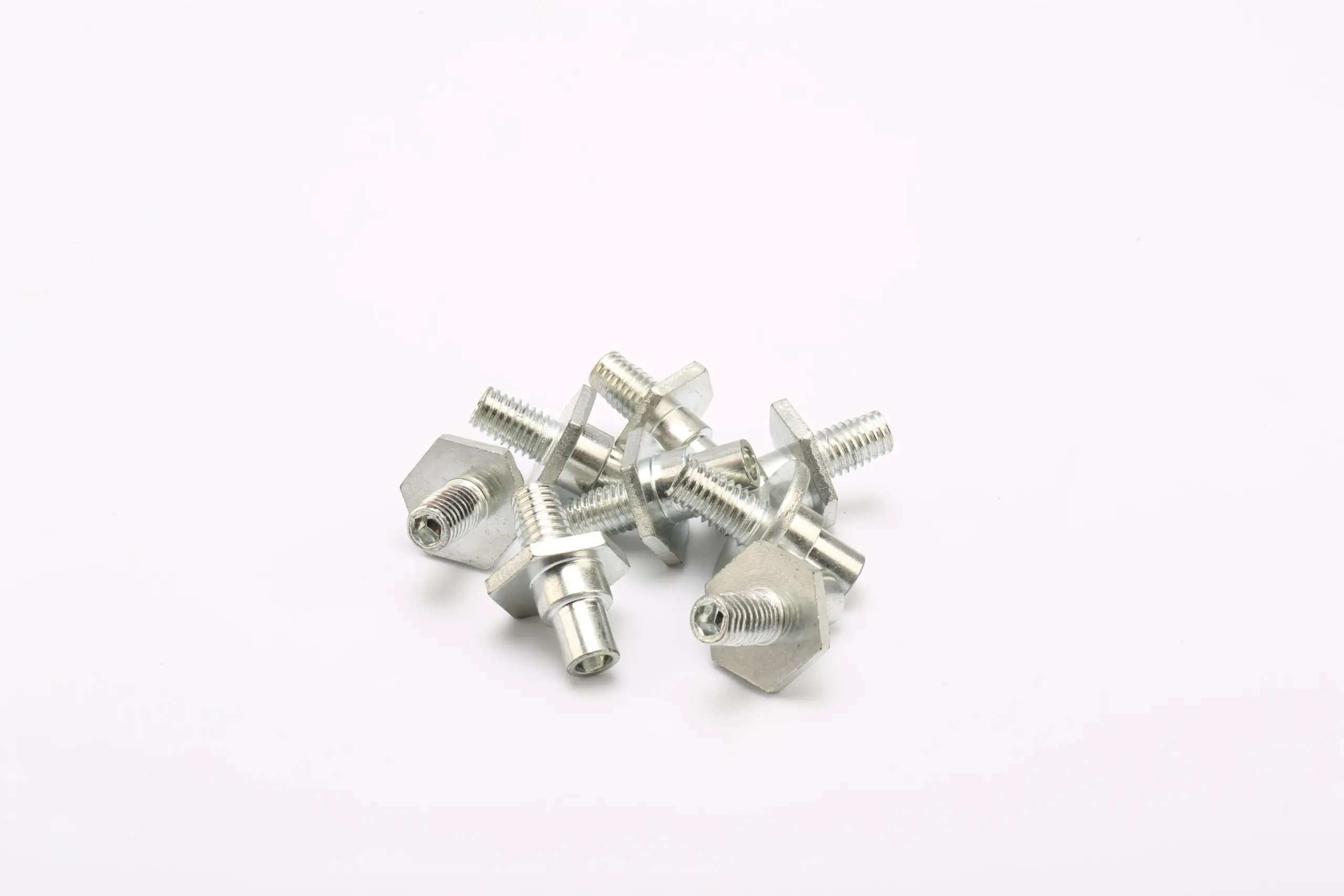
Customized eccentric screws with an offset section for adjustable positioning and cam mechanisms. The notes below focus on the features that need to be confirmed before a drawing is approved.
Offset geometry
This customized eccentric screw uses a threaded body with an offset section for adjustable positioning. Rotating the eccentric section changes the position of the mating component relative to the mounting axis.
For customized eccentric screw manufacturer, the inspection datum should follow the functional feature. A locating diameter is checked from its own axis; a seating face is checked for squareness and contact. Cosmetic limits should be recorded separately.
Adjustment range
Confirm the mounting axis, the offset feature and the intended adjustment direction. Define the eccentricity, contact profile and the method used to retain the setting. A stepped outline alone does not establish an eccentric function.
Trace the insertion path of customized eccentric screw manufacturer from the first engaged feature to the final seat. Any shoulder, undercut or reduced section along that path should be dimensioned because it can change alignment or contact even when the overall size is correct.
Retention and access
Check that the screw can be reached for adjustment and that the mechanism has room for the required rotation. Define how the final position is secured so that vibration or service loads do not move it.
Review the tool path for customized eccentric screw manufacturer with the surrounding parts installed. The operator needs room to engage the drive, turn it and withdraw the tool. A driver that fits a bare sample can still be blocked by a cover, cable or adjacent component.
Material and finish
State the material, finish and wear requirement for the offset surface. A bright or dark surface is not a material grade. If the part is plated, confirm that the coating does not alter the functional fit.
Keep the material, finish and thread treatment for customized eccentric screw manufacturer as separate acceptance items. The base material controls the substrate, the finish controls the surface, and a thread treatment changes the engagement or locking behavior. One does not establish the others.
Trial adjustment
Trial the screw through the full adjustment range with the actual mating component. Check for binding, lost motion and unintended contact. Confirm that the setting remains fixed after the locking method is applied.
Use the first sample of customized eccentric screw manufacturer to check what a dimensional report cannot show: access, alignment, seating and unintended contact. Record the assembly sequence and the tools used so the result can be repeated.
FAQ
Is an eccentric screw the same as a cam?
They can be related, but the geometry and motion must be defined by the drawing. Do not assume a cam profile from the name.
How is the adjustment secured?
The assembly must include a retention or locking method; the screw alone may not hold a setting.
What should be checked before production?
Check the offset, range, contact surface, tool access and retention method.
Browse the Eccentric Screws category, or compare phillips-head stepped screw and customized adjustment screw manufacturer.