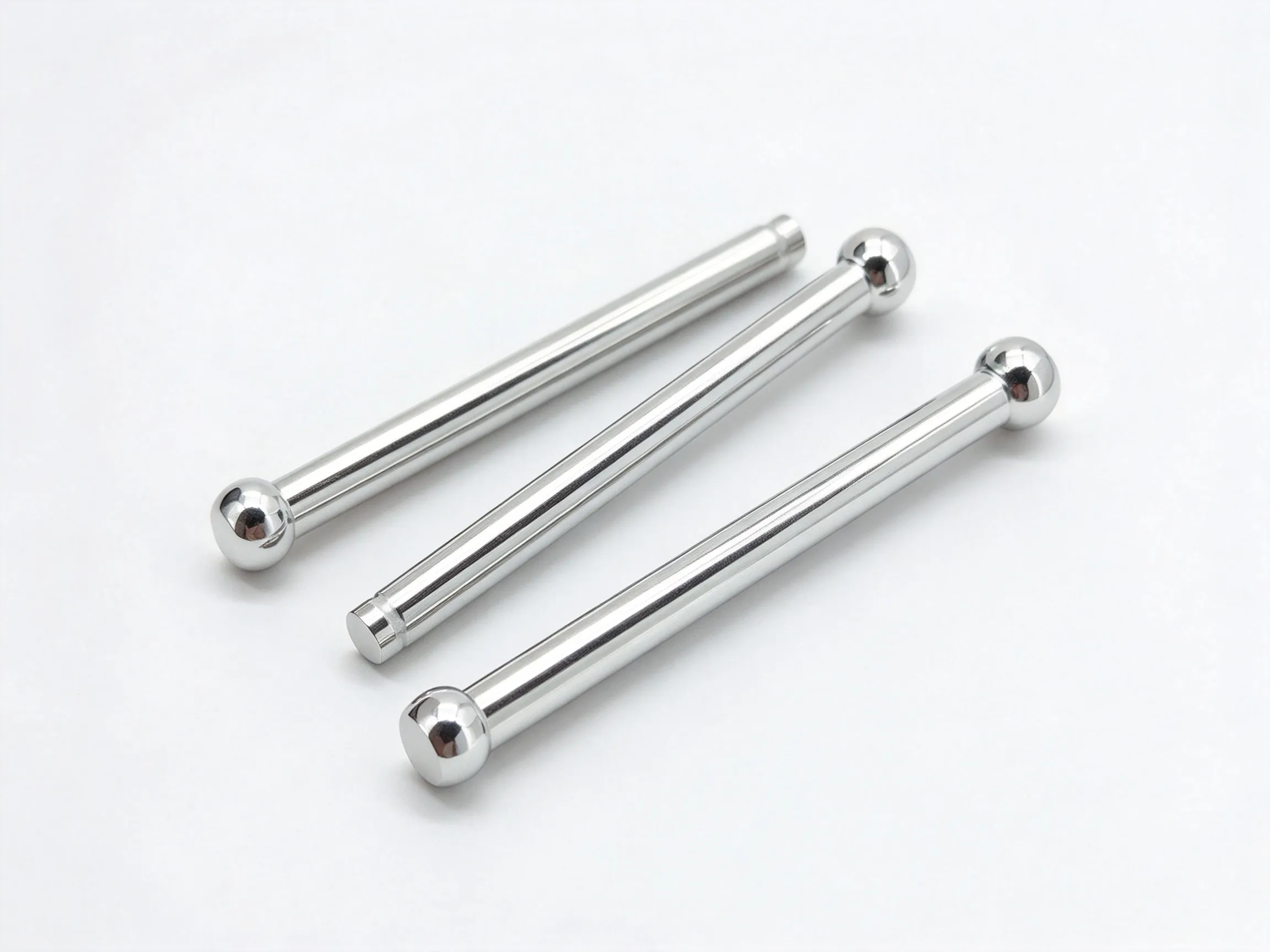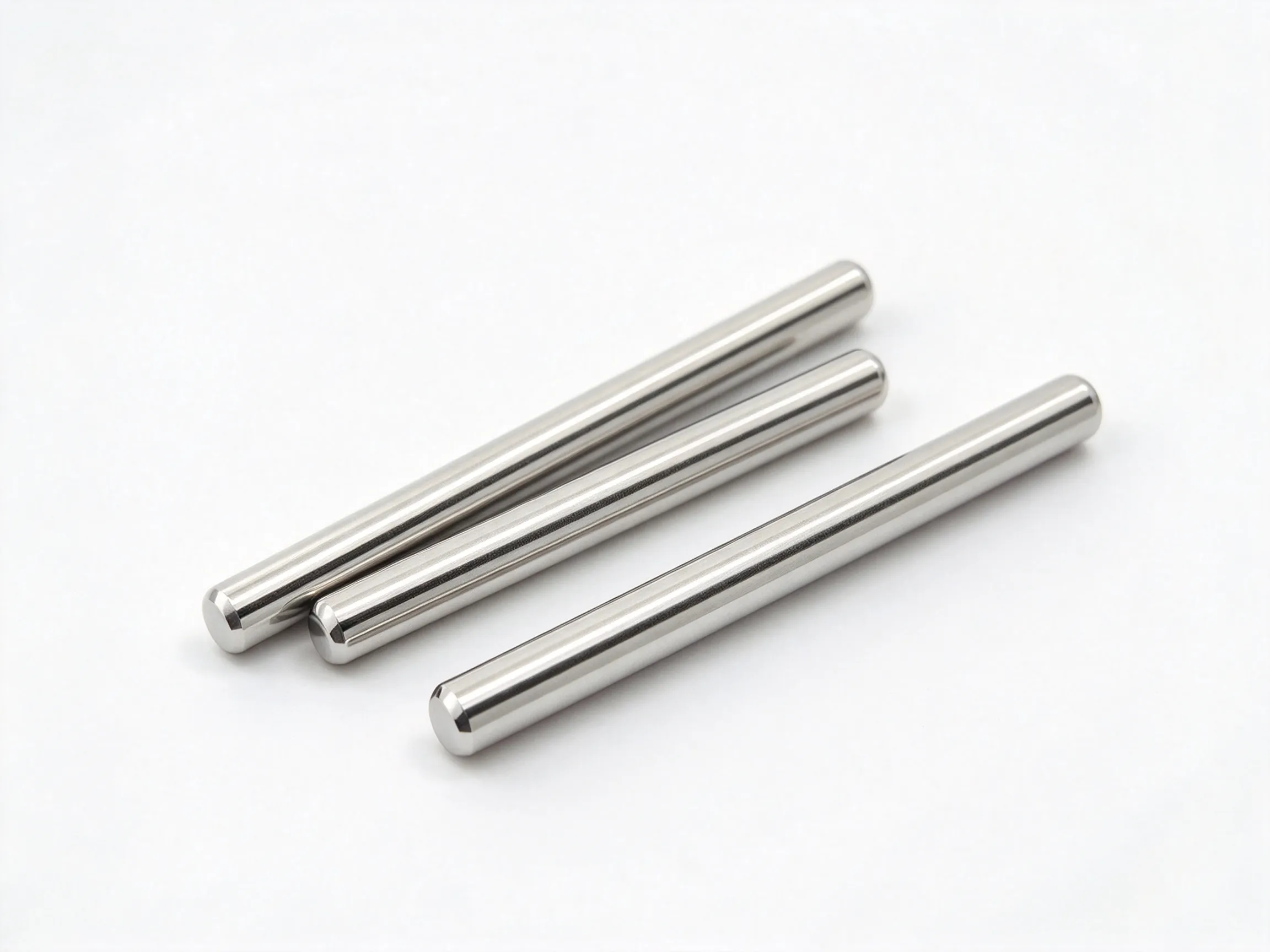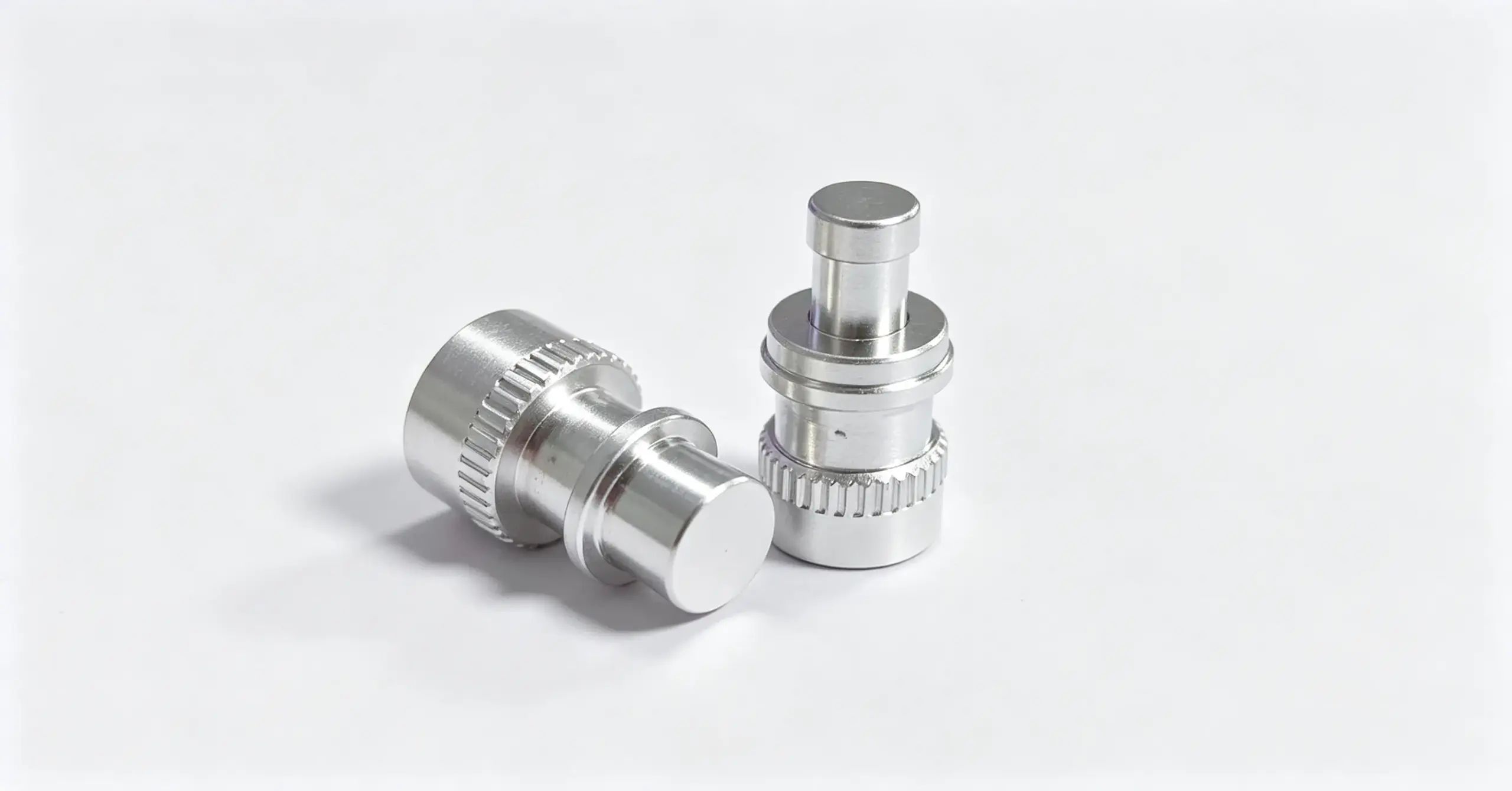
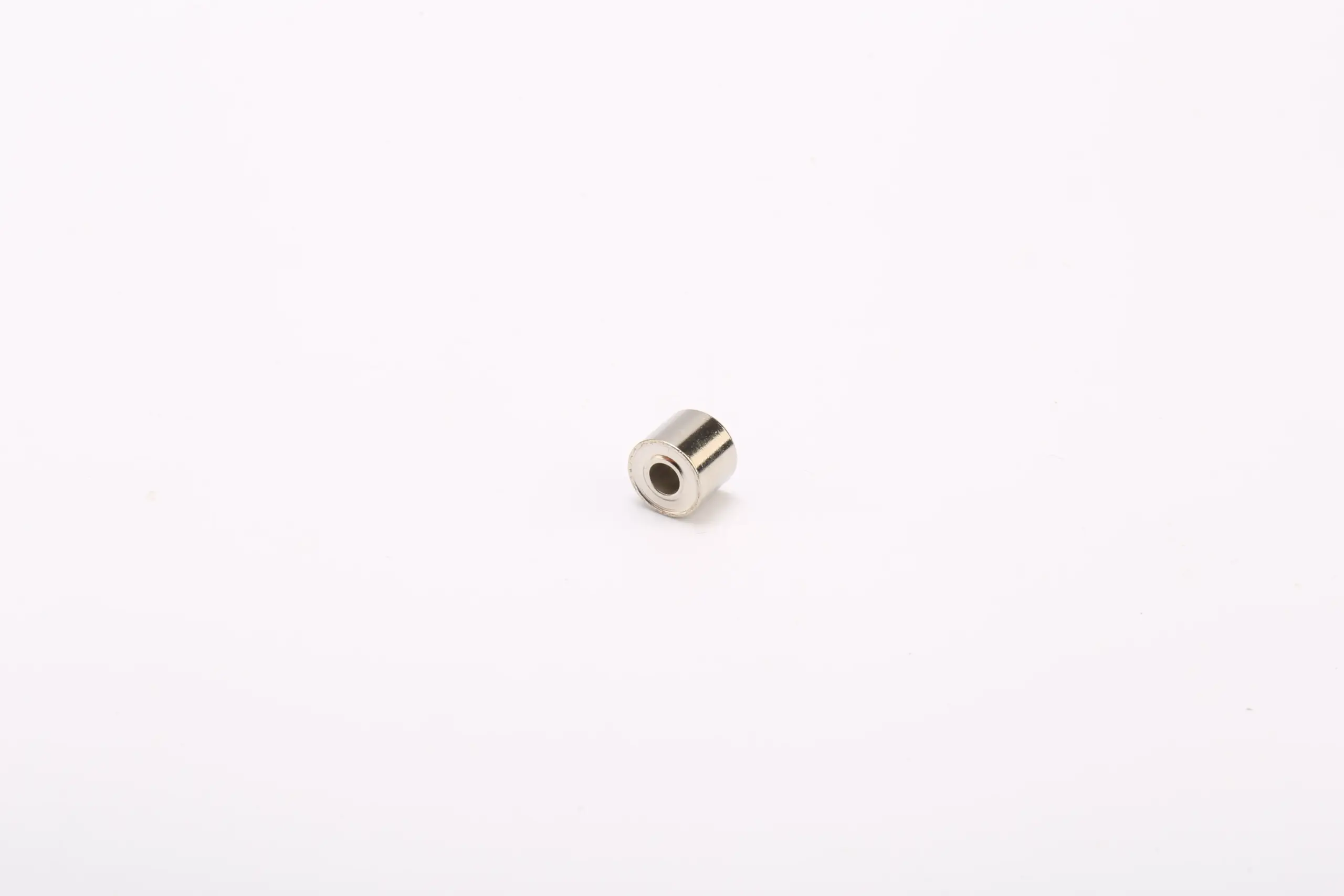
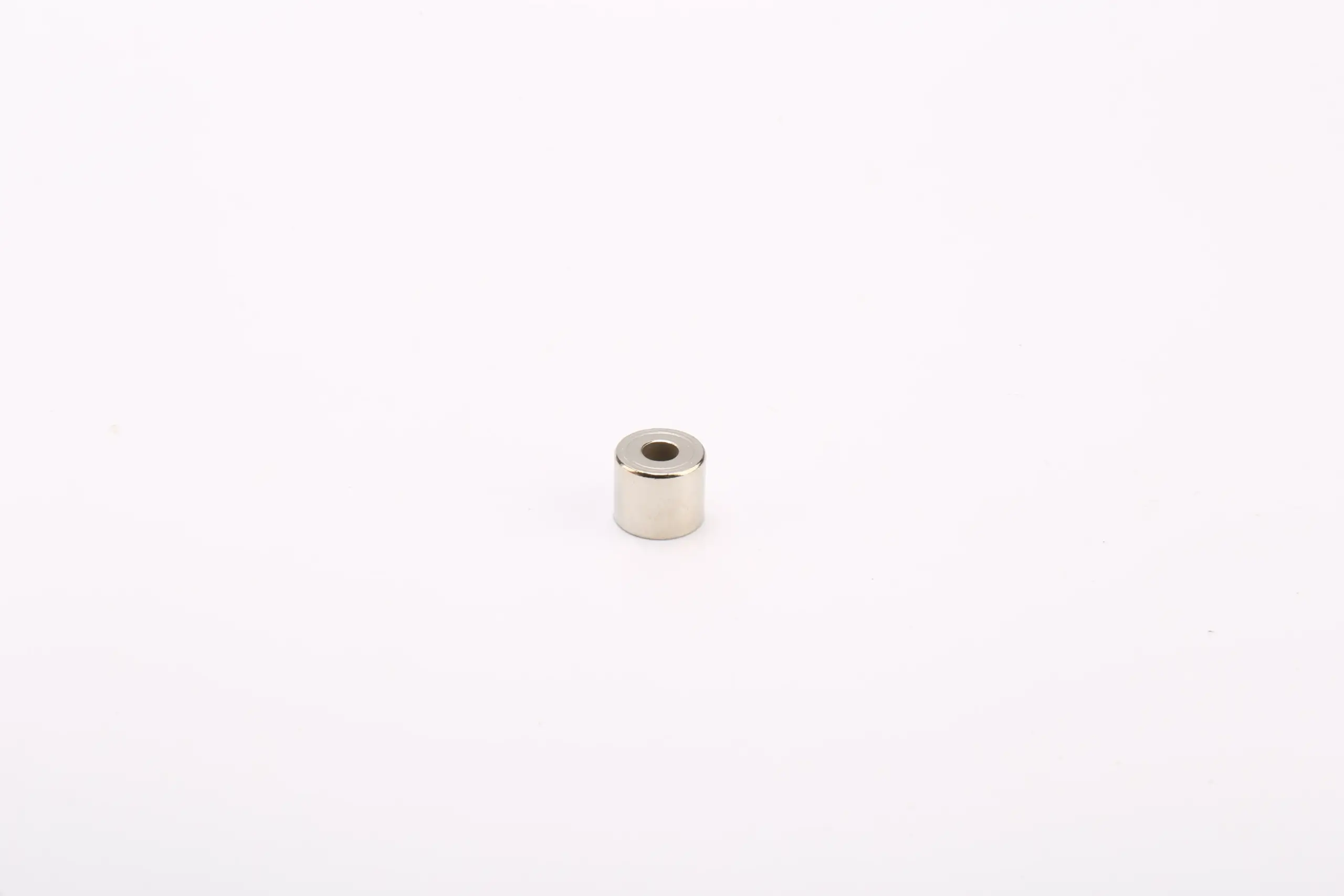
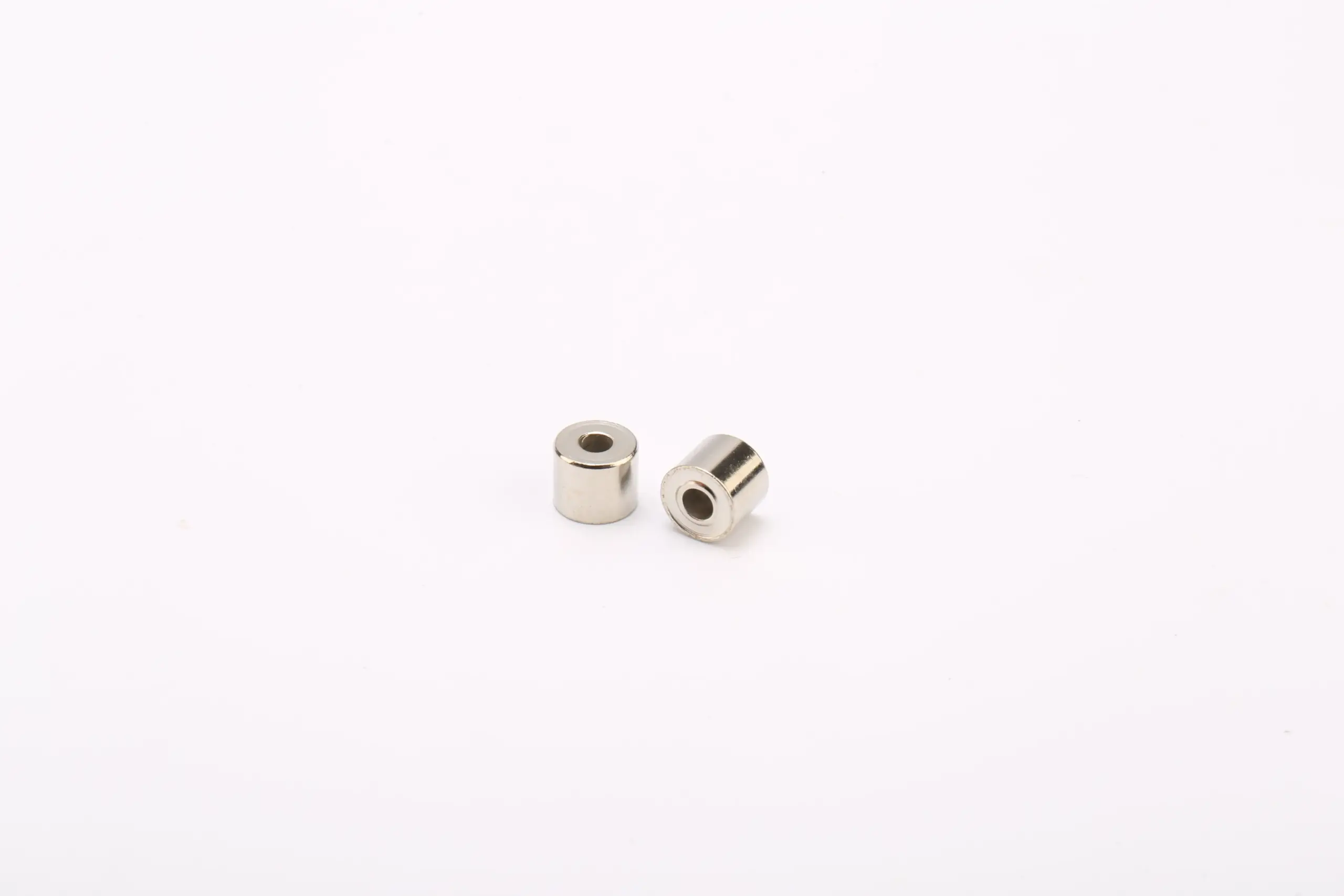
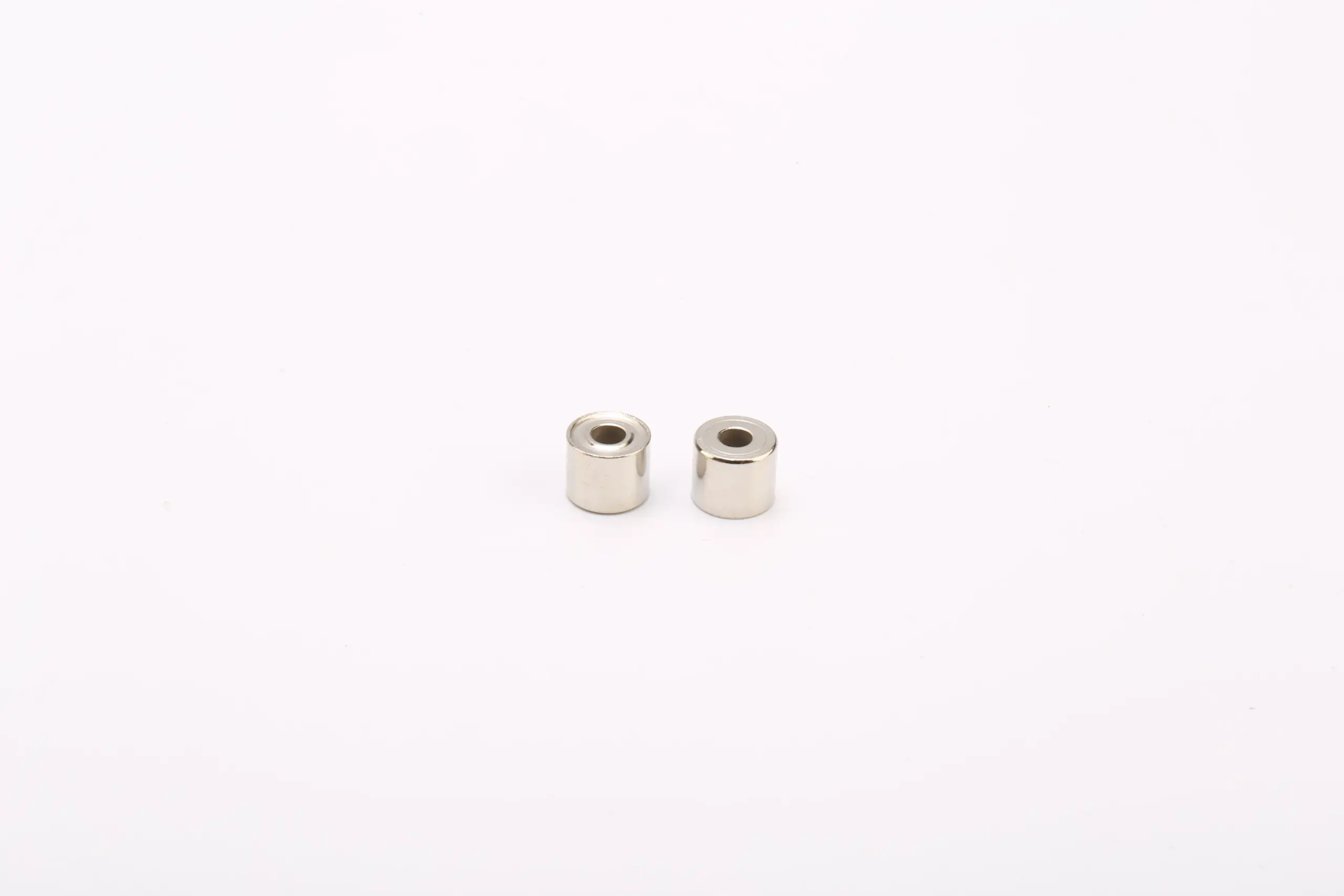
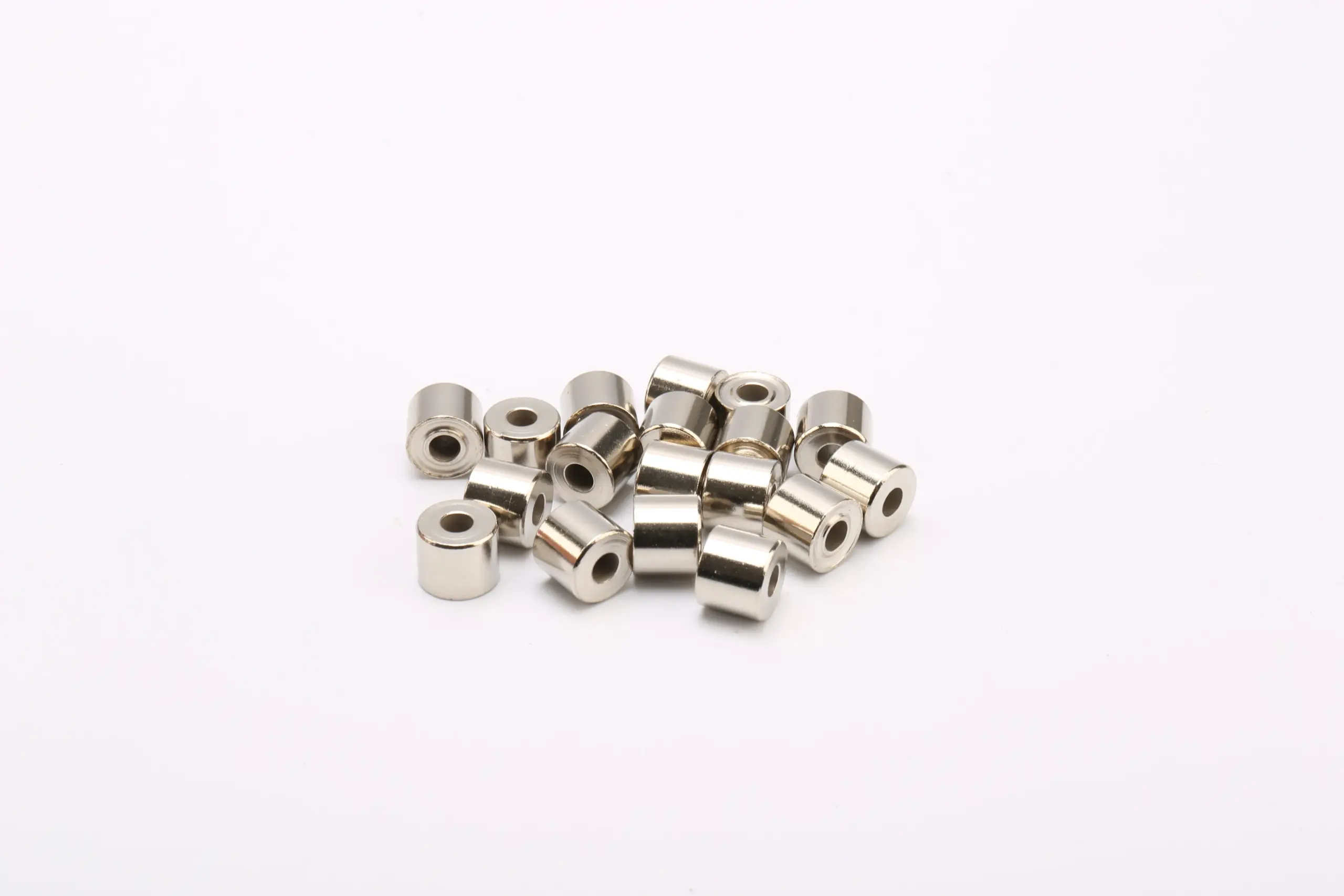
A customized cylindrical sleeve is a plain tubular part with a through bore and no external head or step. It is used to space, guide or protect a mating component. The gallery shows a short, clean cylinder, making the bore, wall and end faces the primary functional features.
Plain sleeve and through bore
The sleeve has a continuous bore and a cylindrical outside surface. The wall thickness is the difference between the two diameters, and both should be defined. End faces may be square, chamfered or lightly radiused. A sharp end can scrape a shaft or damage a soft housing during installation.
Spacing, guidance and protection
Cylindrical sleeves can be considered for separating plates, guiding a pin, protecting a shaft or providing a replaceable wear surface. For a rotating shaft, check the bore fit, lubrication and end retention. For a static spacer, confirm the clamping faces and the required sleeve length under load.
Sleeve and hollow tube
A sleeve is often a plain cylindrical part, while a hollow tube may be described by its tube form and through bore. The terms can overlap, so use the drawing to distinguish the actual part. Do not substitute a flanged or stepped part when the assembly requires a plain sleeve with full-length contact.
Specification inputs
- Provide outside diameter, bore and overall length.
- Show end preparation and any wall-thickness requirement.
- Define the mating shaft or bore and the required fit.
- State material, finish, quantity and inspection points.
Fit and finish inspection
Check the bore for burrs and the ends for squareness. Trial-fit the sleeve on the shaft or in the housing and confirm that it seats without rocking. Inspect the outside surface for dents that could affect a close fit. Material and finish should be specified separately from the dimensions.
Confirm that the sleeve contacts the intended faces and that the bore is not used to force a misaligned shaft. Check the ends for squareness and the wall for dents before installation. If the sleeve is a wear part, define the inspection diameter and the replacement point. During assembly, support the sleeve along its length and avoid driving it through a burred hole that could scratch the bore or deform the end.
FAQ
Does the sleeve have a flange?
The product form shown is plain. Any flange or step must be specified as a separate feature.
Can the bore be reamed?
The bore condition and tolerance should be agreed from the drawing and application.
Is a sleeve the same as a bearing?
A sleeve can act as a simple bearing surface, but load, lubrication and wear requirements need a separate review.
Browse the Custom Parts category, or compare customized cylindrical nails and customized hex socket set screws.