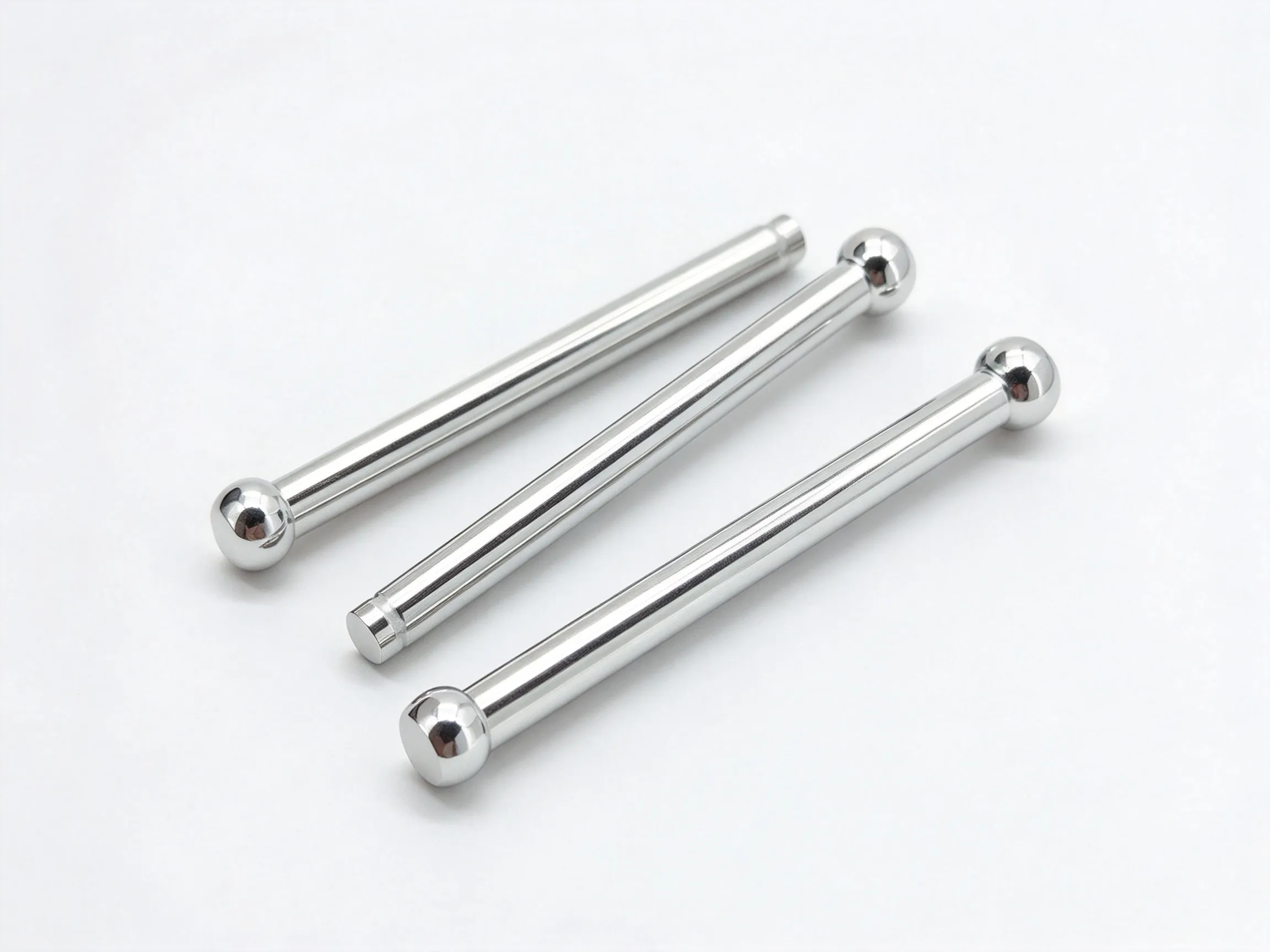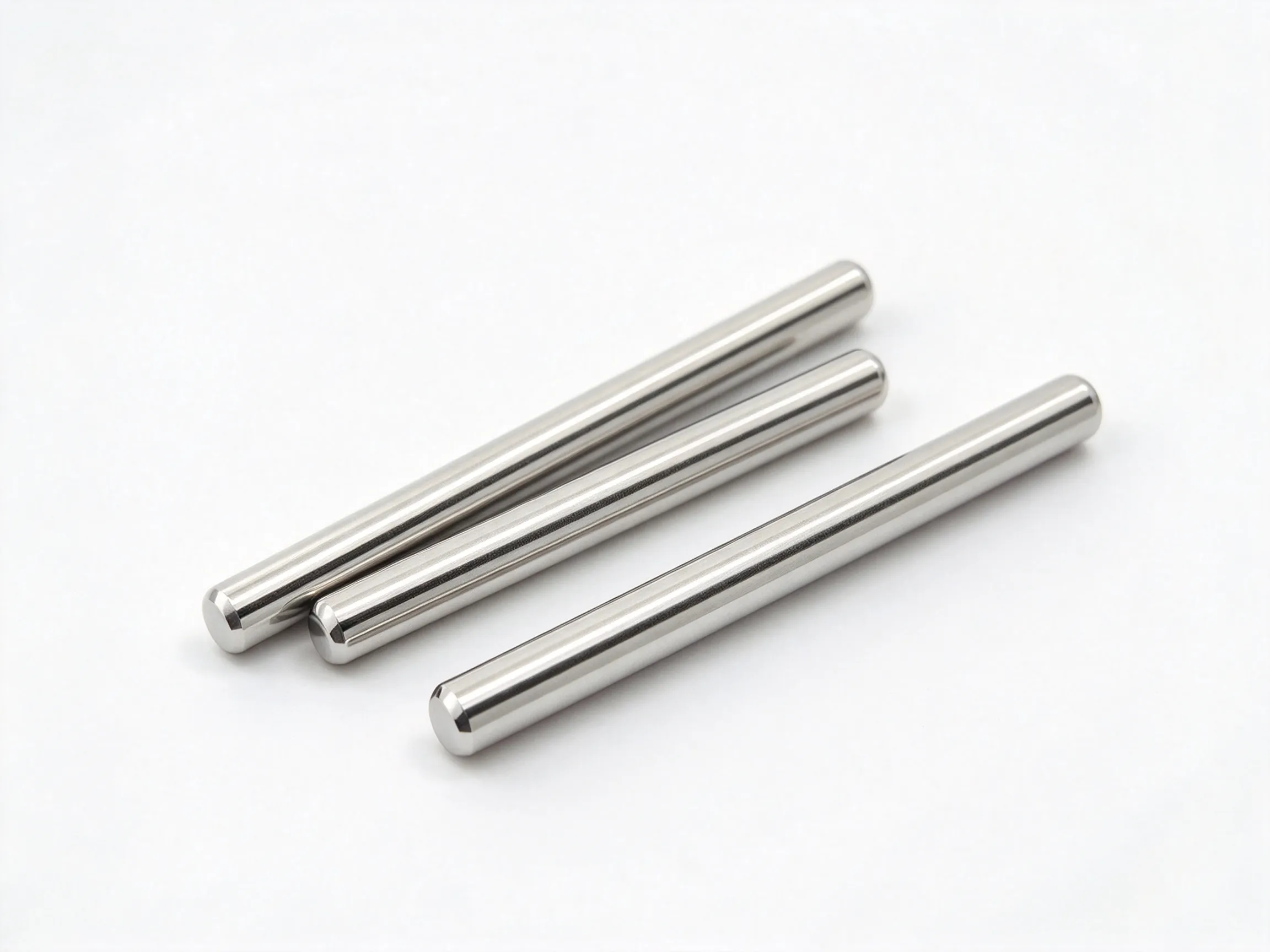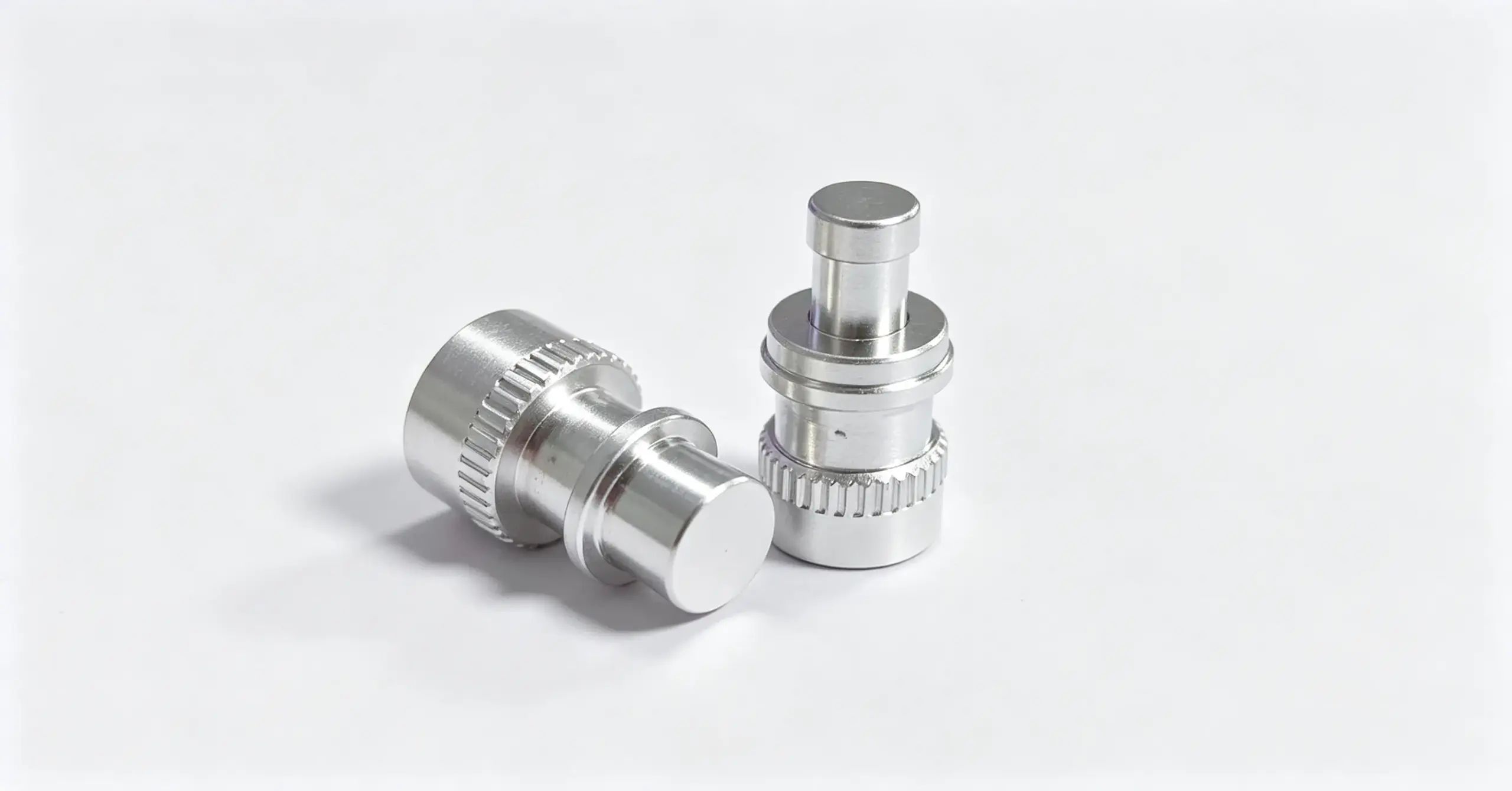
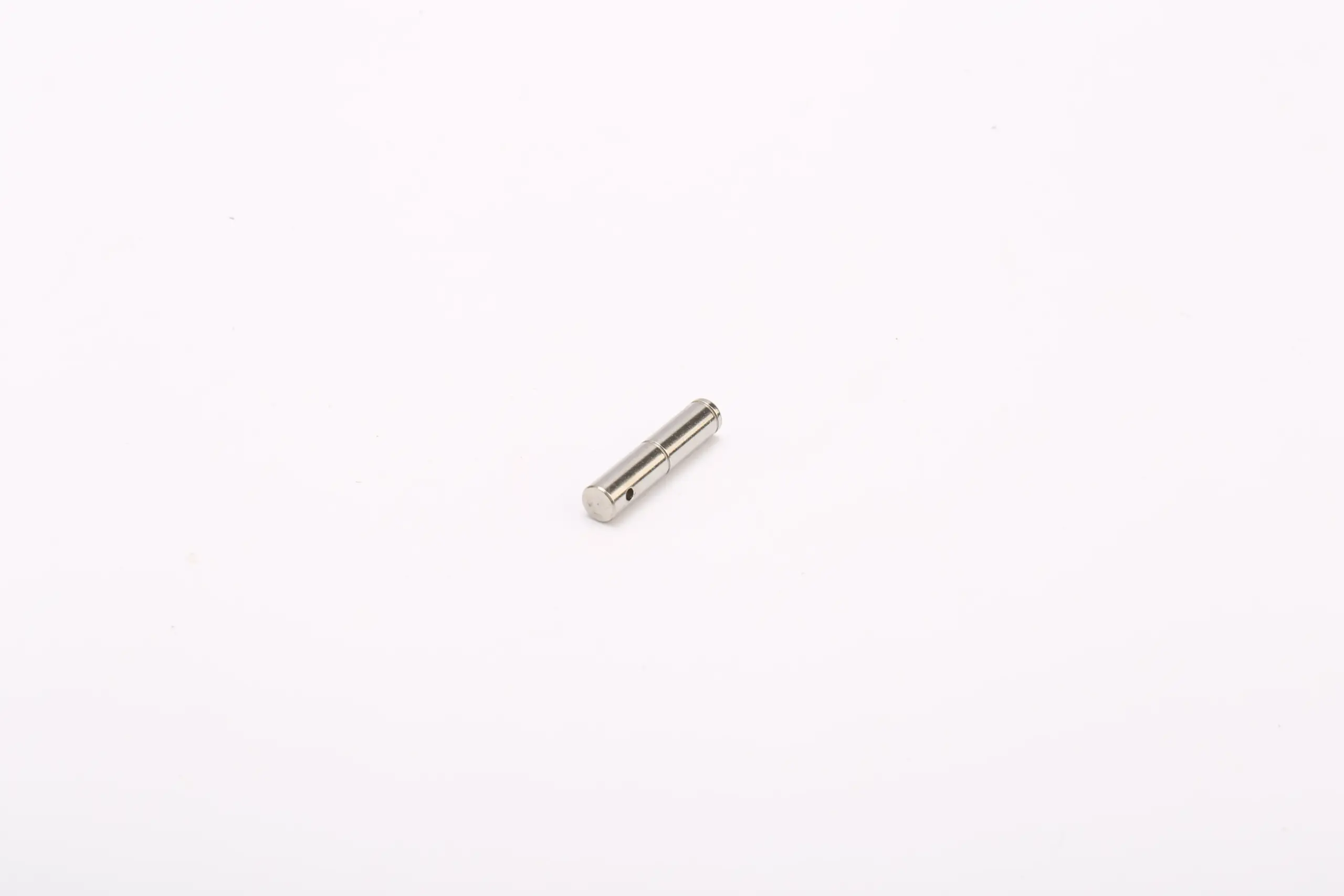
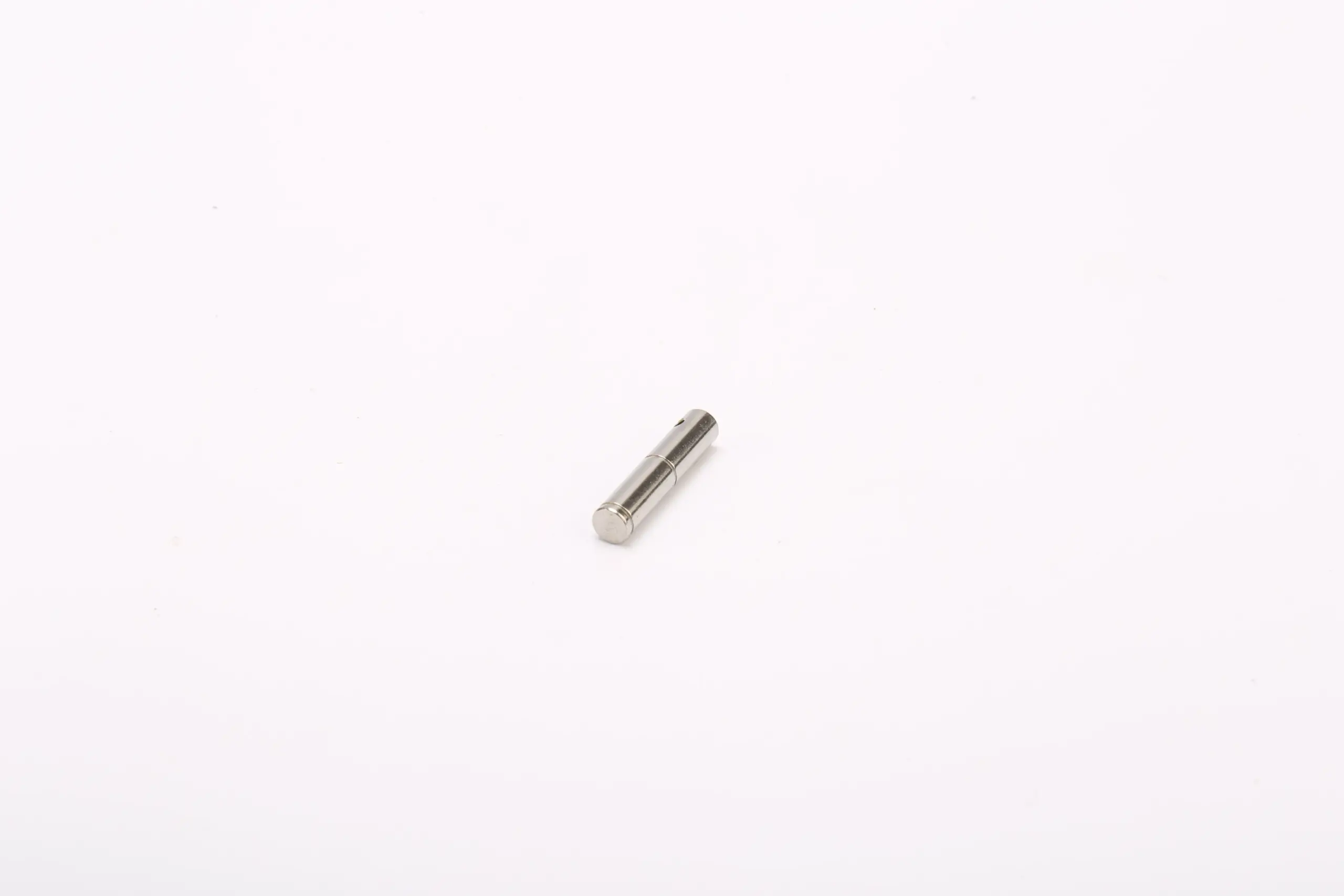
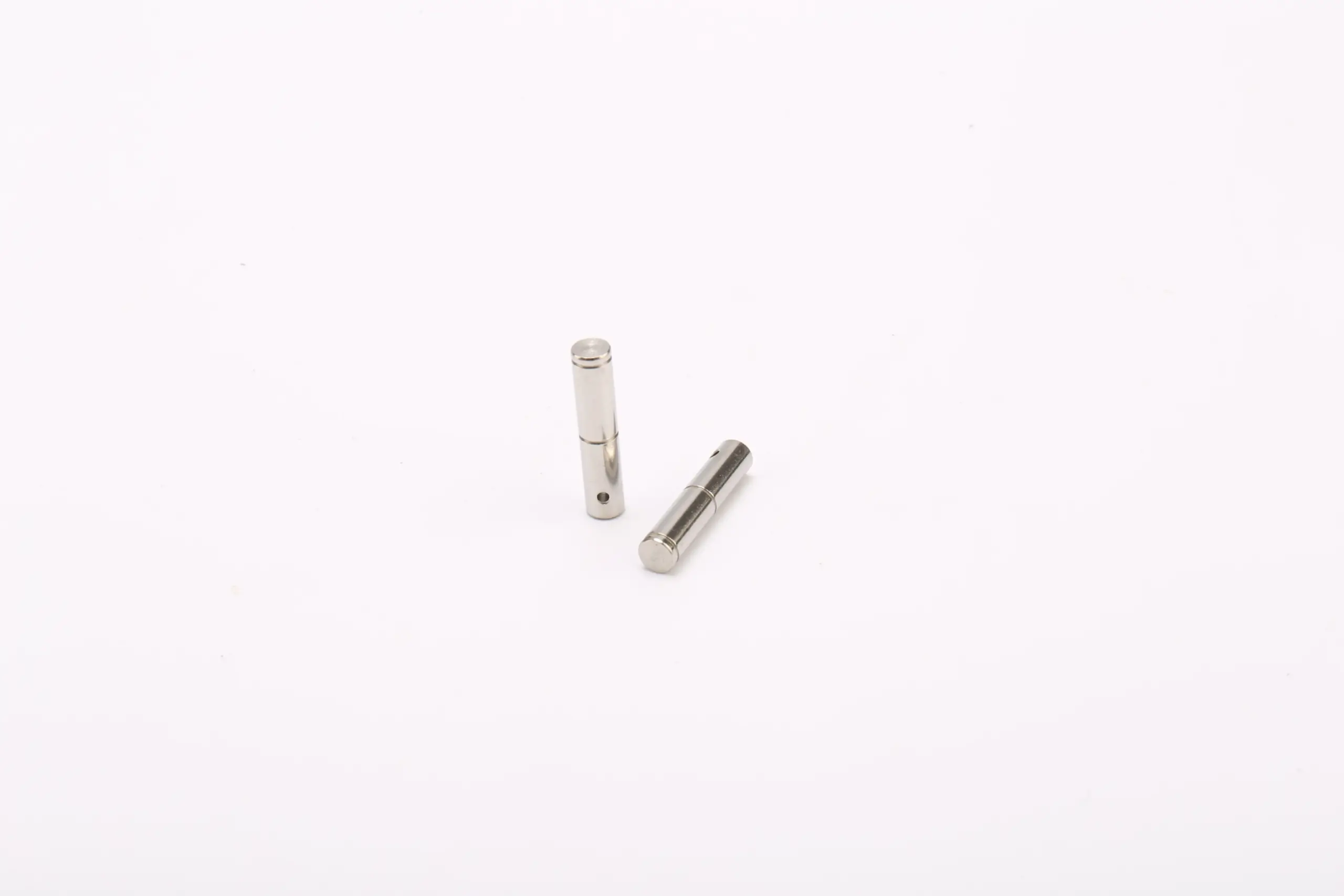
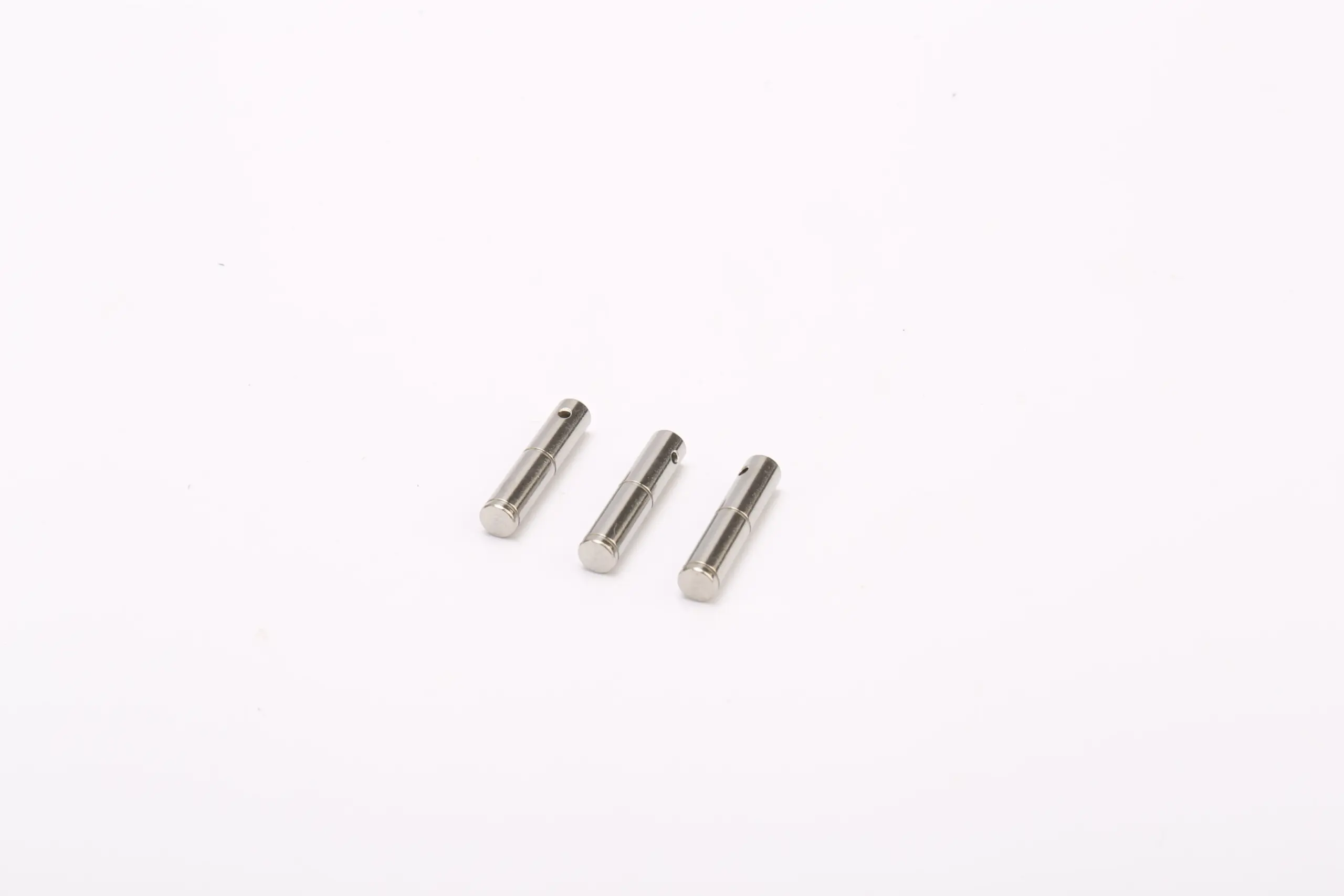
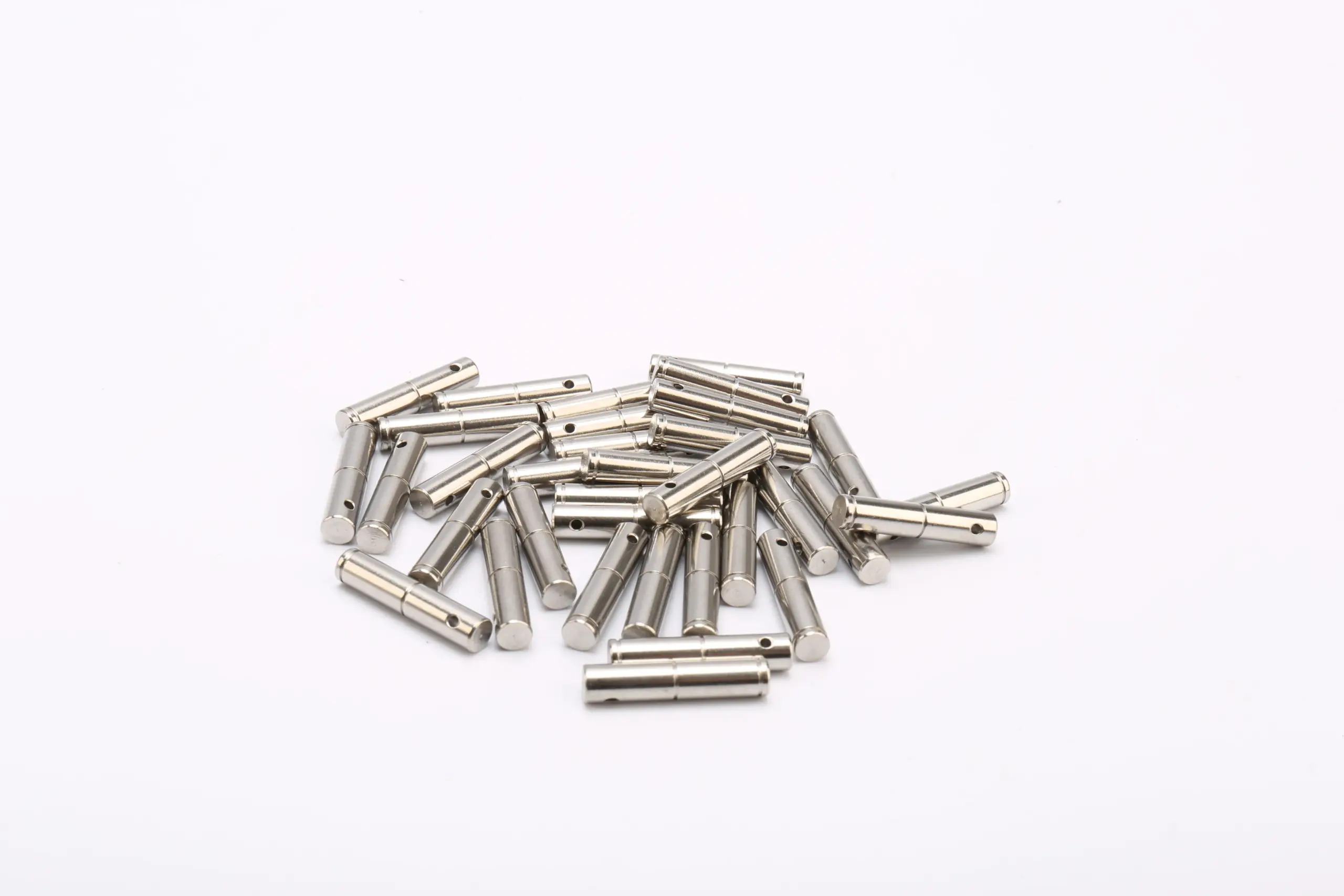
A customized cotter pin is a split-leg fastener with a looped or formed head. The legs pass through a hole and are spread to retain a component. The gallery shows the split form clearly, but the leg length, diameter and spread must match the actual shaft and washer arrangement.
Split legs and formed head
The two legs are joined at the head and separated along the body. The head may be a loop, a hook or another formed shape. The leg ends should be chamfered or rounded to enter the hole without catching. The drawing should define the leg spread before installation and the condition after spreading.
Retention on shafts and pivots
Cotter pins can be considered for shafts, clevis pins, pivot assemblies and equipment where a removable axial stop is needed. Check the hole through the shaft, the washer or mating part and the space for bending the legs. The pin should not be selected from the shaft diameter alone; the hole size and the required leg length also matter.
Leg spread and hole fit
The legs must pass through the hole without being forced, then be spread enough to prevent withdrawal. Over-bending can crack the legs or make removal difficult. State whether the legs are supplied straight or pre-spread, and define the acceptable deformation. Do not assume a load rating from the wire diameter or the product name.
Specification inputs
- Provide the leg diameter, length and head form.
- Define the hole diameter and the required leg spread.
- Show the mating washer, shaft or clevis arrangement.
- State material, finish, quantity and inspection points.
Material and installation inspection
Check the legs for cracks, sharp edges and inconsistent bend. Trial-fit the pin through the actual hole and spread the legs with the intended tool. Confirm the material and finish separately, and define whether the pin is intended for one-time use or repeated removal.
Review the cotter pin with the actual shaft hole and washer. The legs should pass through without forcing, then spread enough to prevent withdrawal without cracking at the bend. Confirm the head clears the adjacent component and that the legs can be accessed for removal. If the pin is reused, inspect for deformation before installation. Keep the material and finish specification with the assembly drawing.
FAQ
Can the legs be supplied pre-spread?
Yes, if the required spread and inspection condition are stated on the drawing.
Is the cotter pin a load-rated fastener?
Do not assume a rating from the shape. The application and material must be reviewed separately.
What is the most important hole check?
The pin legs must pass through the hole and spread without forcing or cracking.
Browse the Custom Parts category, or compare customized stepped locating pins and customized step nuts.