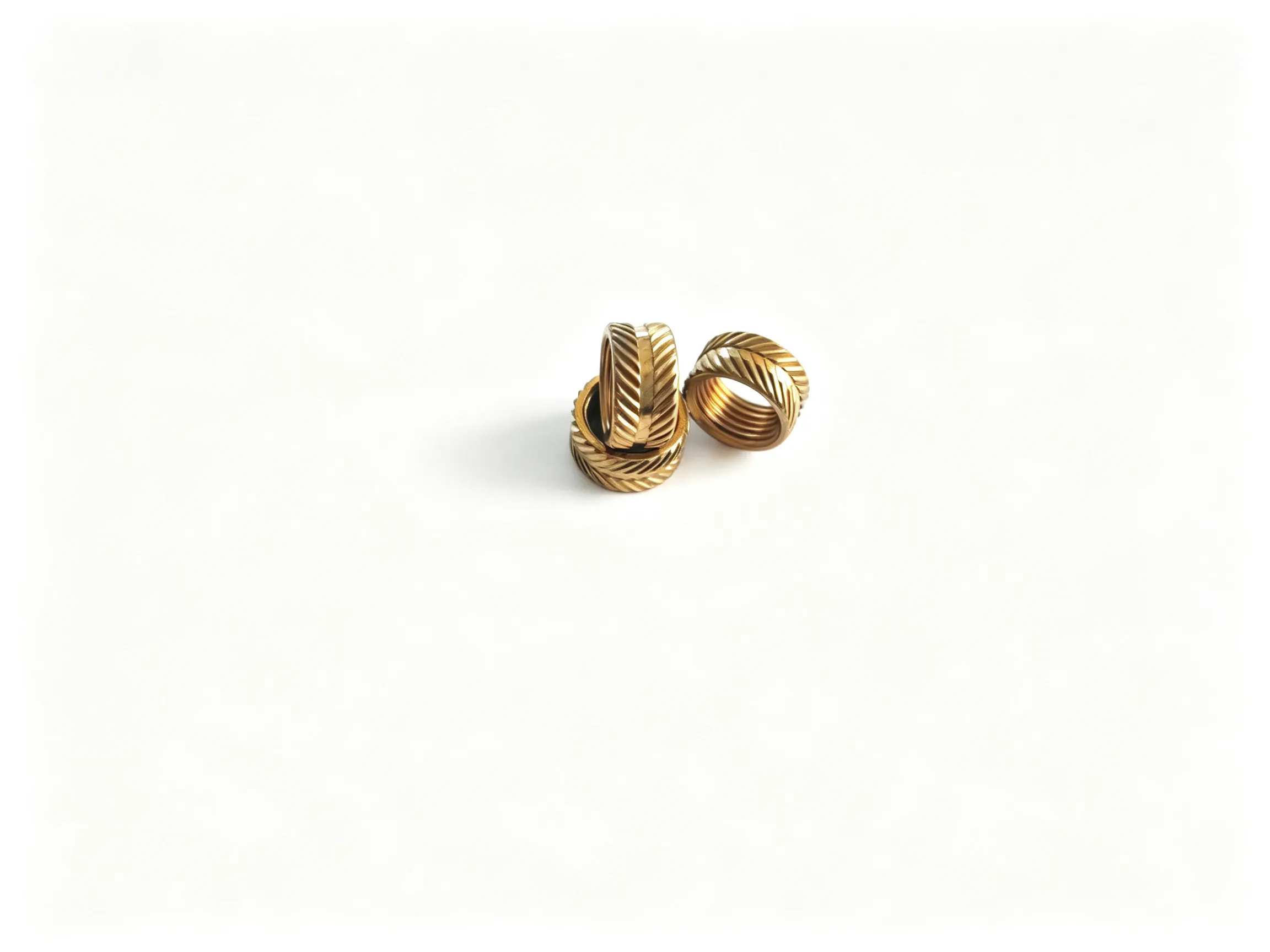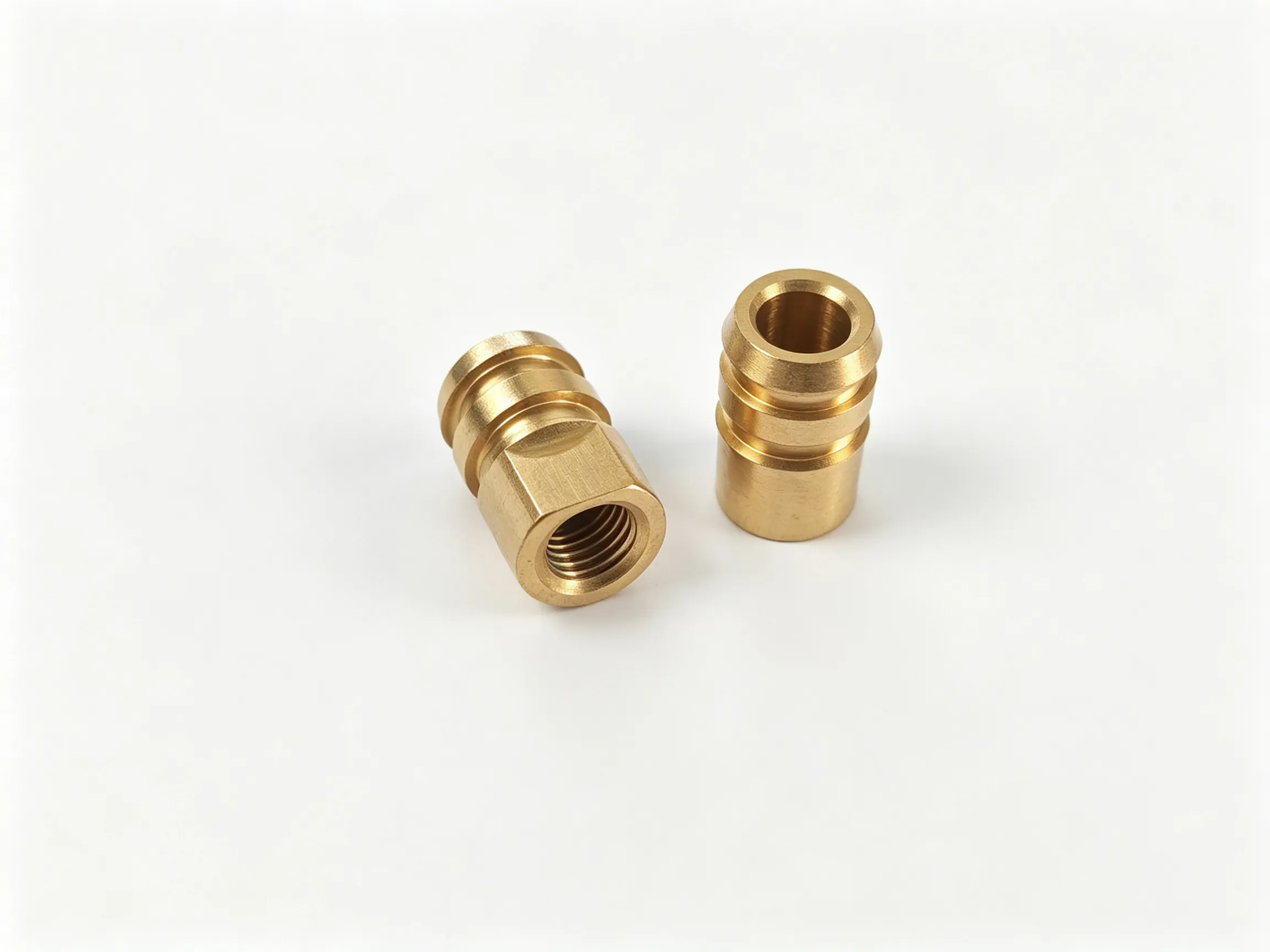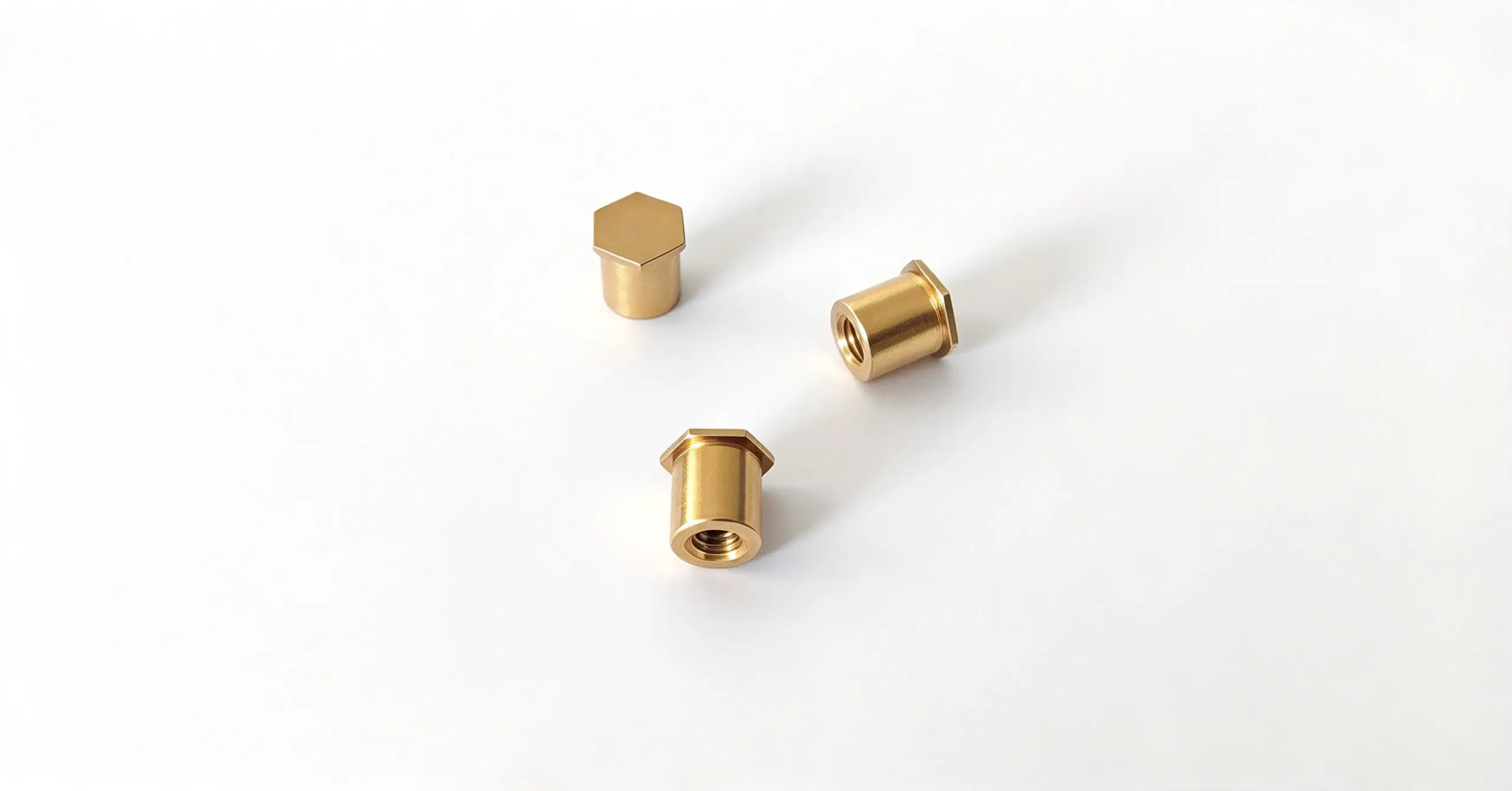
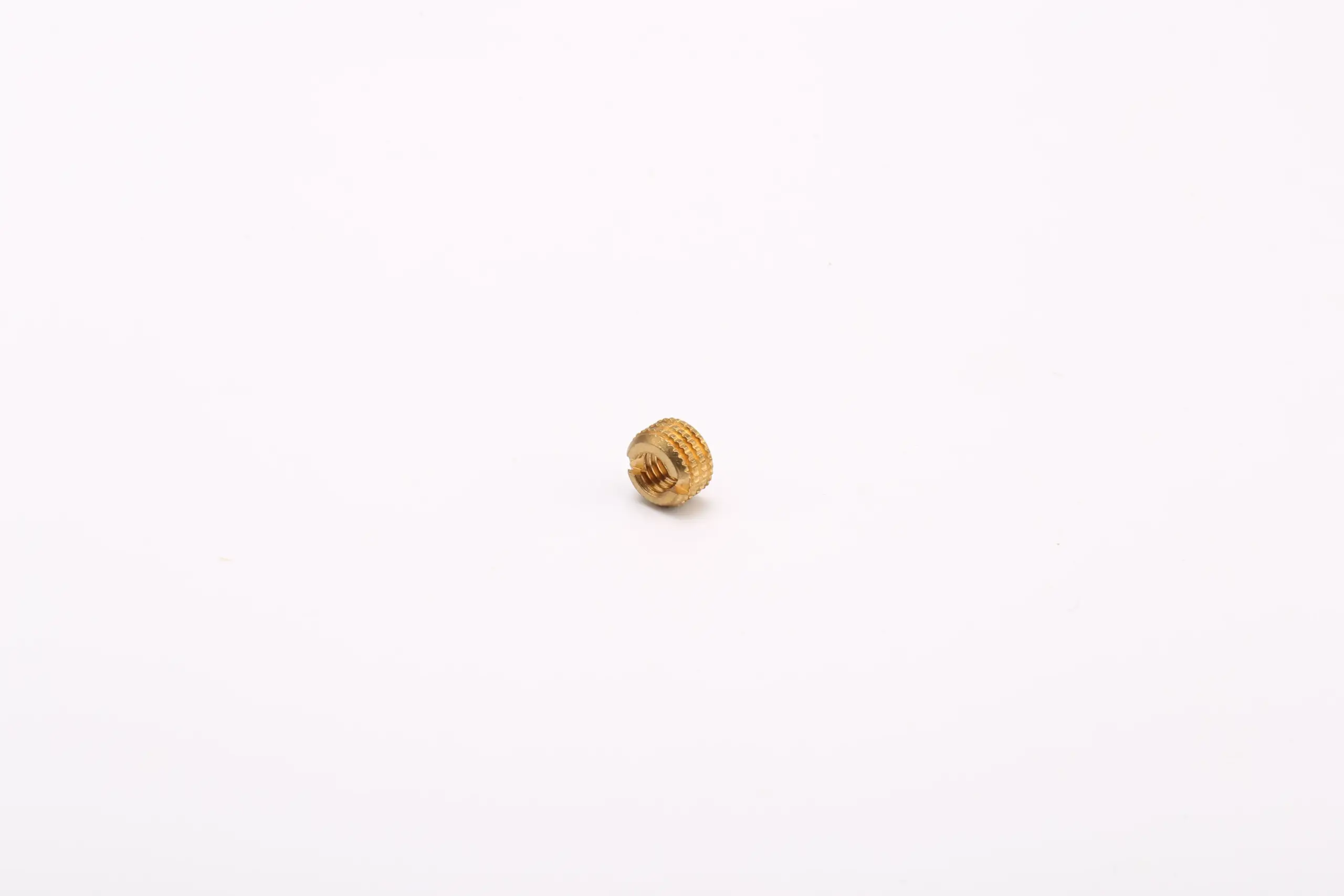
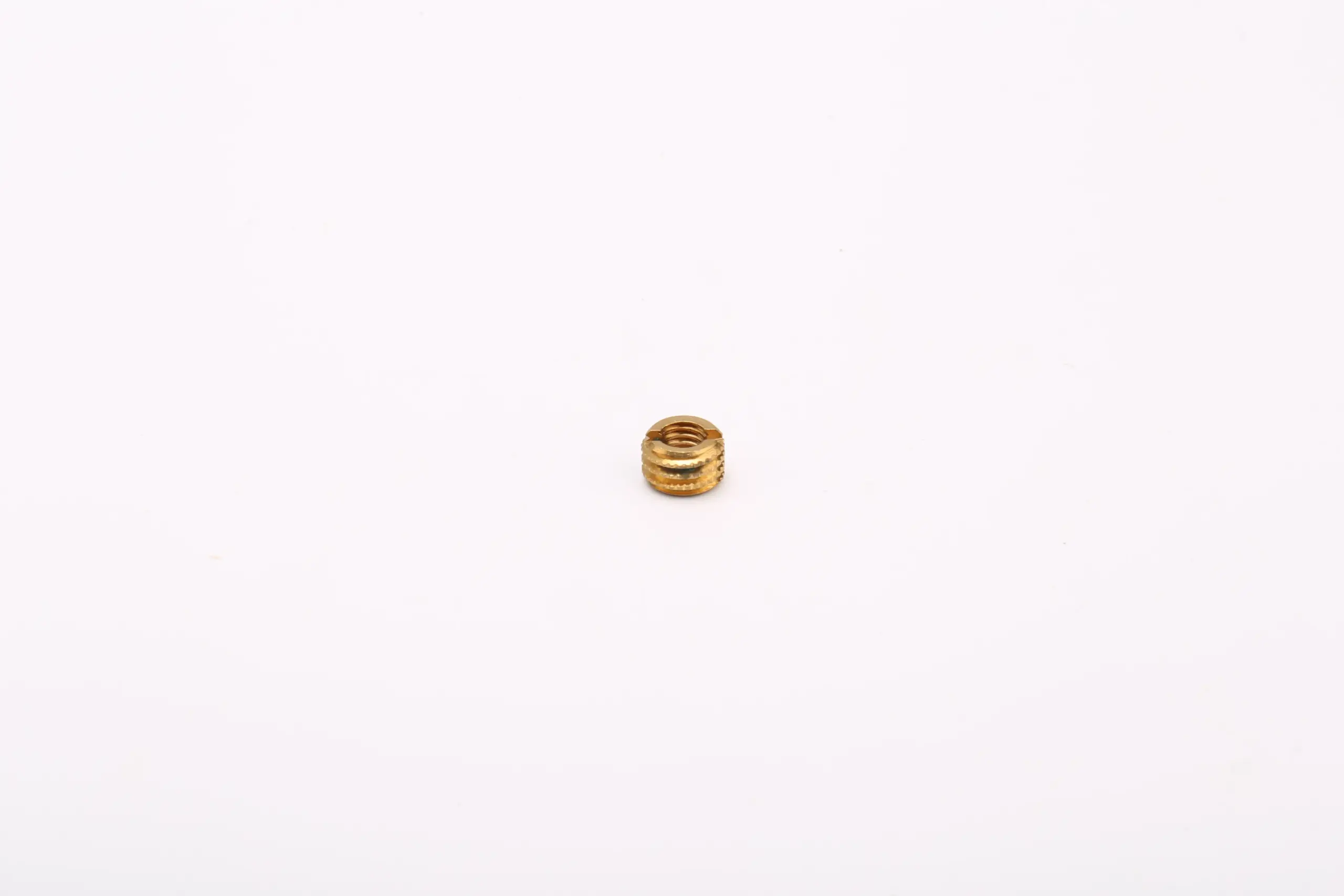
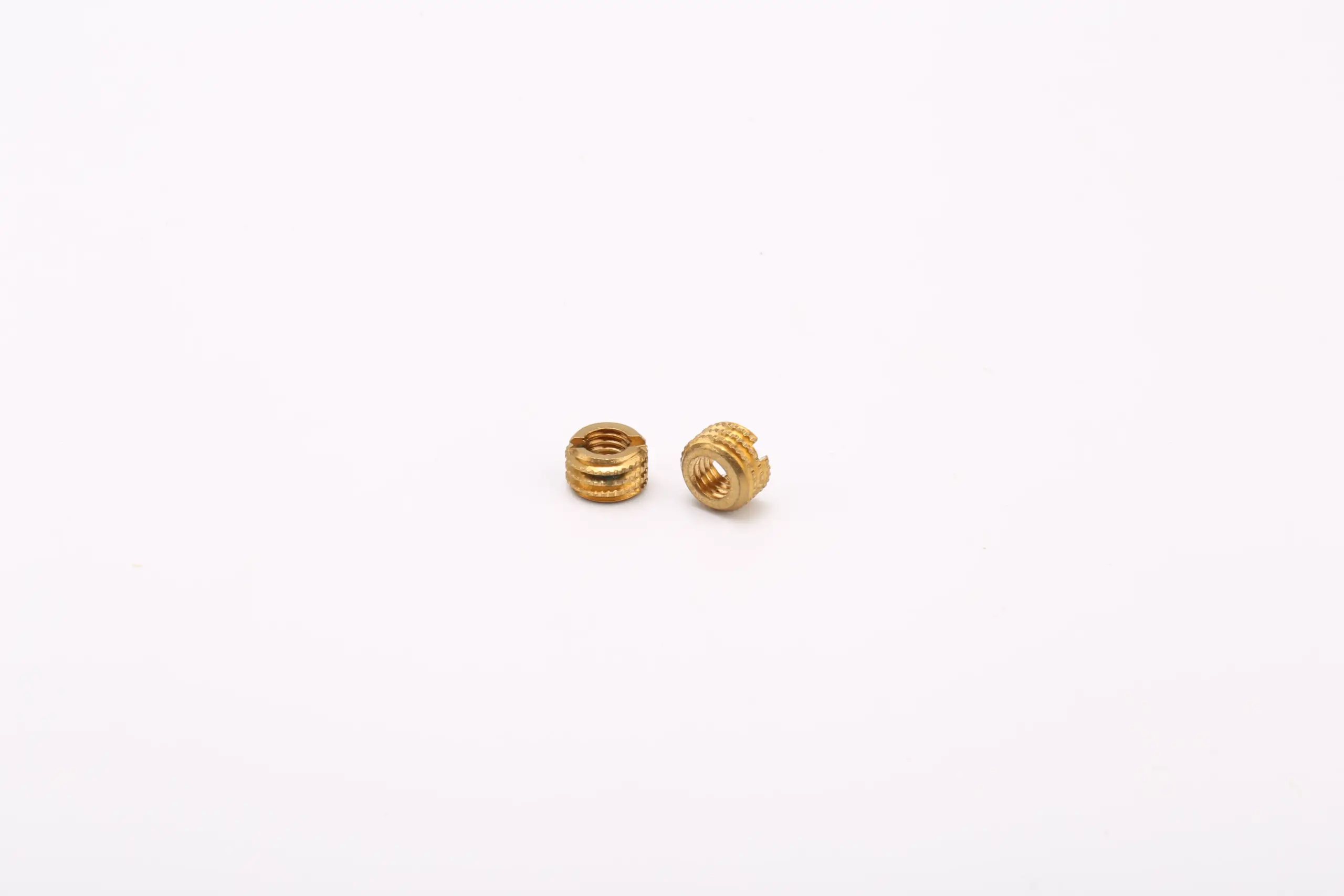
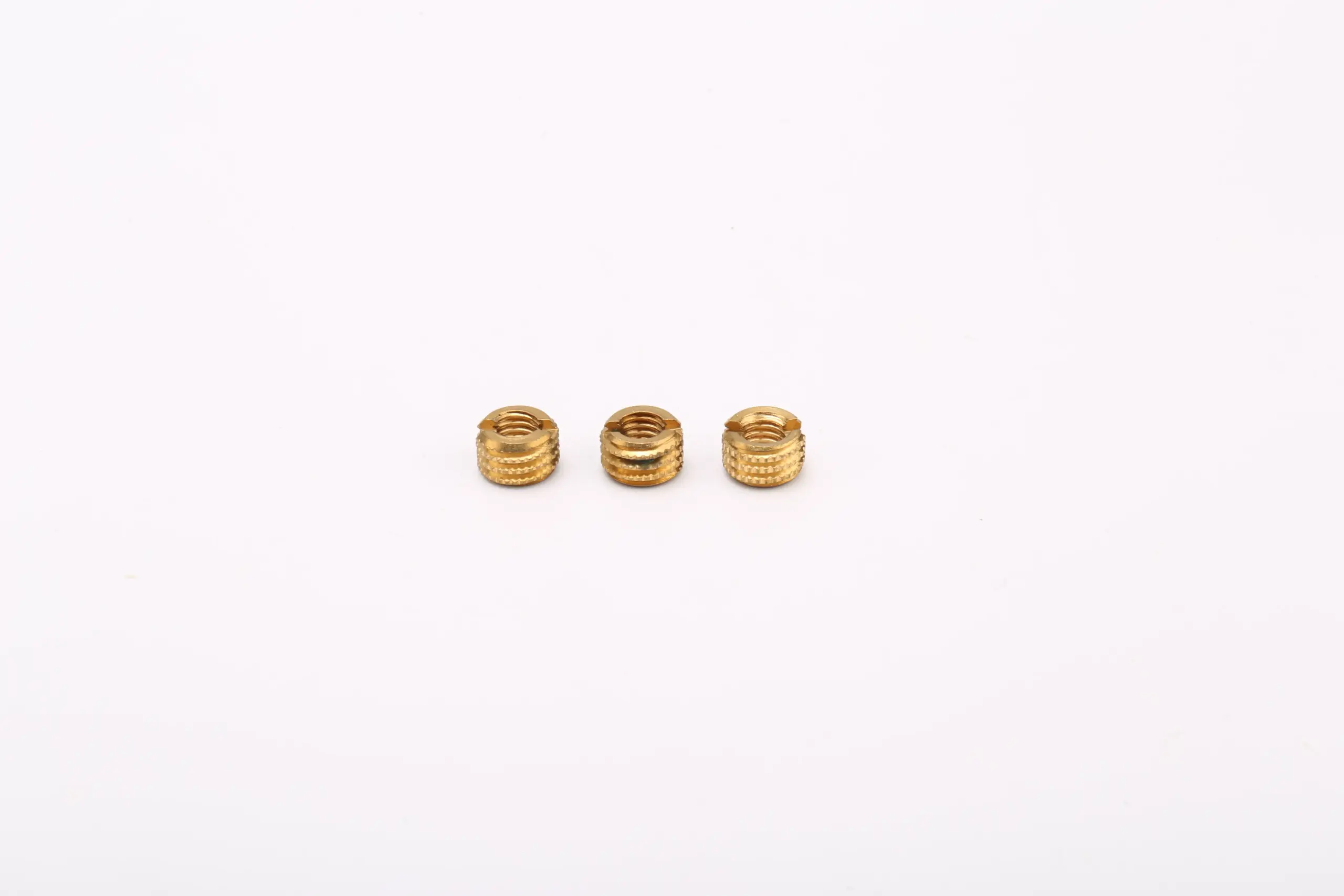
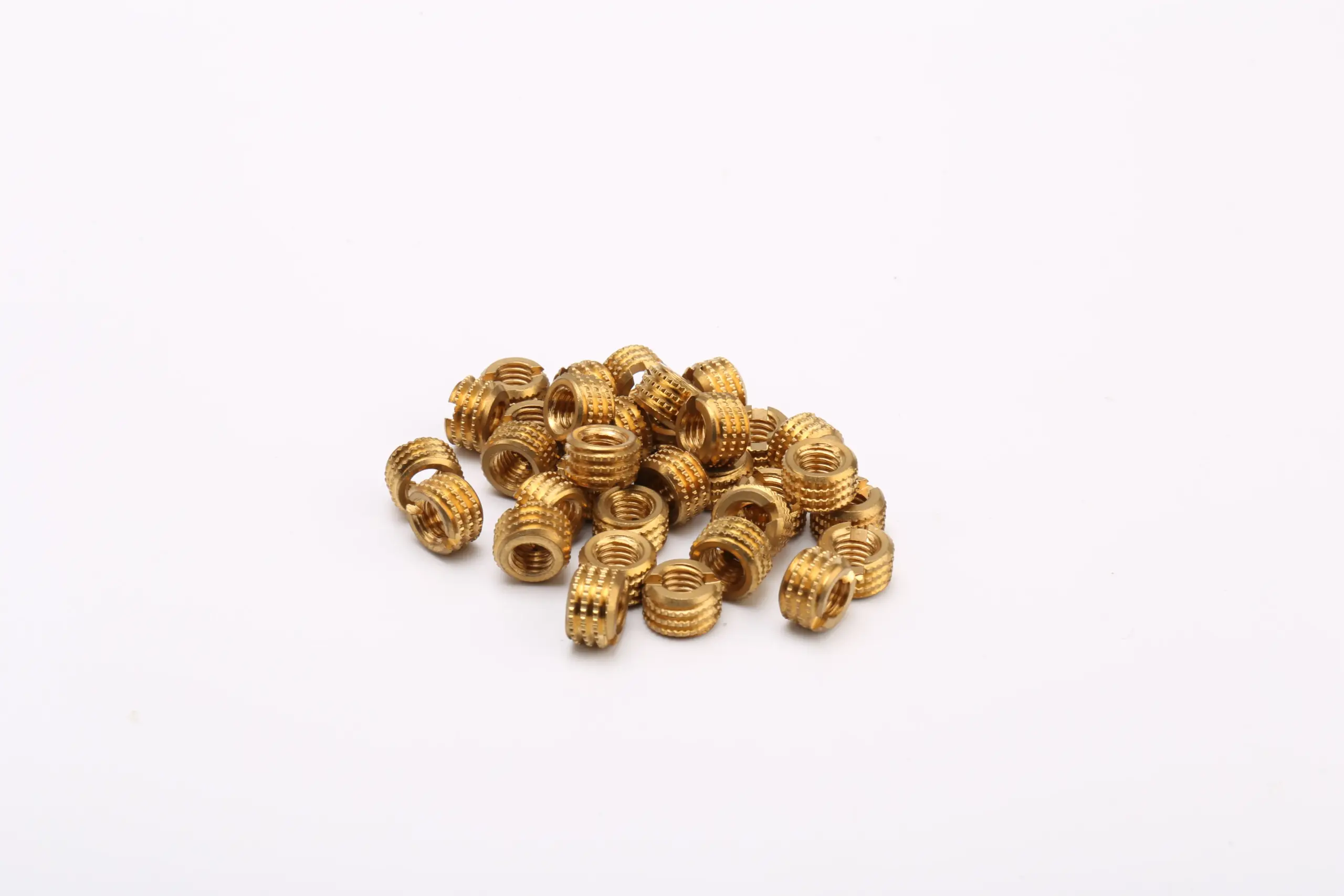
Copper knurled nuts combine a copper-toned appearance with an external grip pattern and an internal thread. The copper reference may describe the visible finish or the intended material, so the drawing should state which one is required. These parts are often considered where a small adjustable nut needs a warm metal appearance and a surface that can be turned by hand.
Separating color from material
The photographs show a warm gold-copper color, but color alone cannot confirm a copper alloy, plating or coating. Ask for the base material and the finish system separately. If the part is visible in a product, also define the acceptable color range and whether the knurled crests may show slight variation. A finish that looks correct when new may behave differently after cleaning or repeated handling.
Knurl pattern and grip
The external pattern should be evaluated for finger access and for the way the part is handled during assembly. A fine pattern may feel smooth on a very small nut, while a coarser pattern can create sharp edges if it is not deburred. Check the full circumference, not only the side shown in the main photograph. The knurl should not extend into a seating face unless the drawing deliberately provides clearance for it.
Threaded adjustment
Confirm the thread size, pitch, direction and usable depth. For an adjustment application, check that the nut turns freely through the required range and that the mating thread is long enough. A knurled nut can be easy to start by hand, but final seating should follow the assembly procedure. Do not use the outside texture as a substitute for a specified locking method or tightening value.
Assembly and appearance checks
Review contact with dissimilar materials, cleaning agents and any visible-surface requirement. Keep the knurl protected during packing so that dents do not become a cosmetic reject. During trial assembly, check for thread damage, wobble and interference with the surrounding panel. If the nut is used as a cap or cover, confirm that the intended face, not the knurl, controls the seated position.
Specification checklist
- State whether copper refers to the substrate or the finish.
- Define thread, outside diameter, knurl band and overall height.
- Show the seating face and any shoulder or flange.
- Specify appearance, cleaning and packing protection.
The sample should be checked under the intended lighting and handling conditions. Record the approved color and texture so later lots can be compared consistently.
FAQ
Is a copper knurled nut solid copper?
The page title alone does not establish that. Confirm the base material and finish on the drawing or specification.
Can it be adjusted by hand?
The knurl is intended to improve grip, but the required adjustment method and any retention feature still need to be defined.
What should be checked on the first sample?
Check thread fit, knurl condition, seating, color and freedom from burrs after assembly.
Browse the copper knurled nuts category, or compare the general knurled nuts page and custom brass knurled nuts.