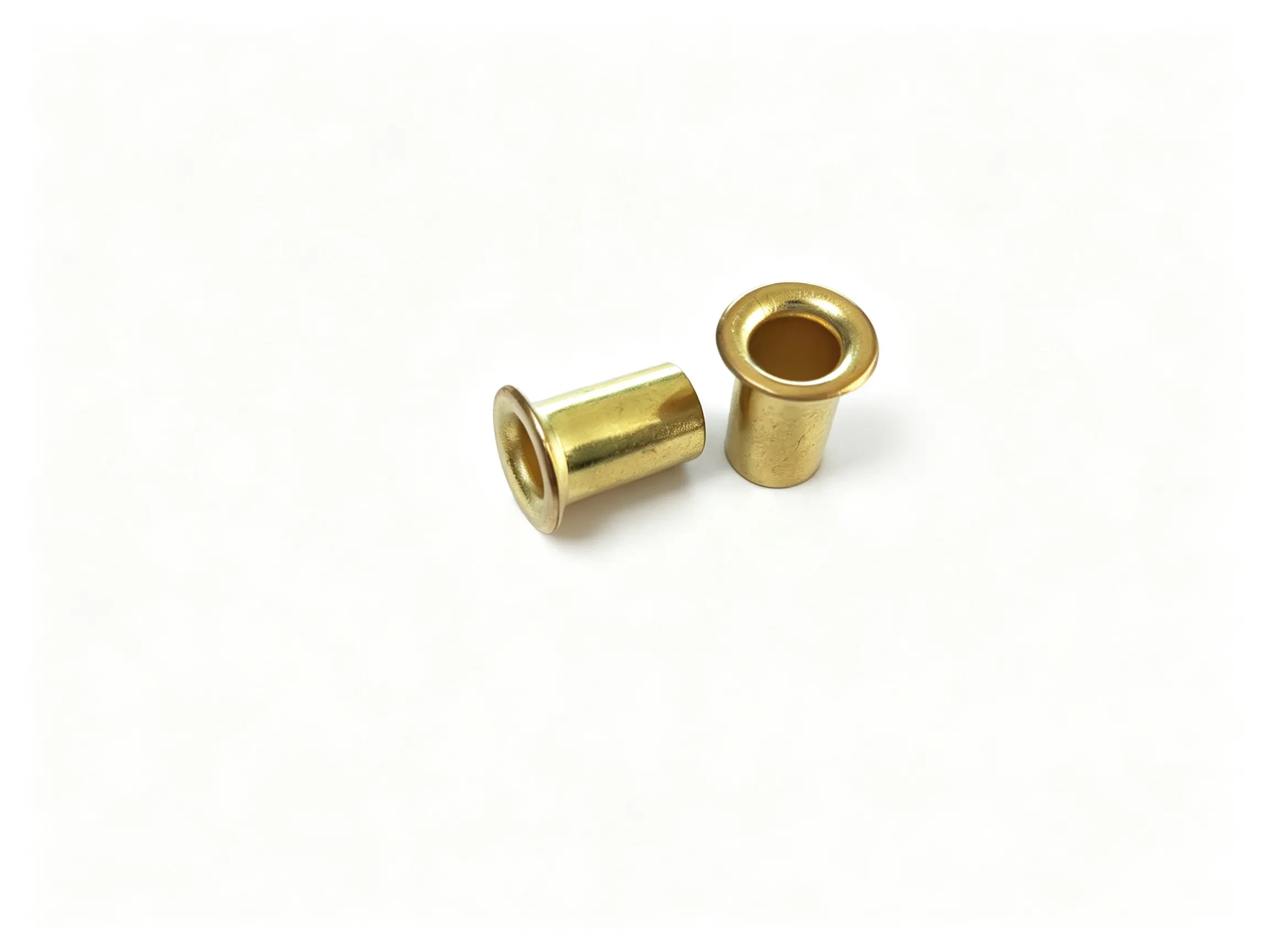
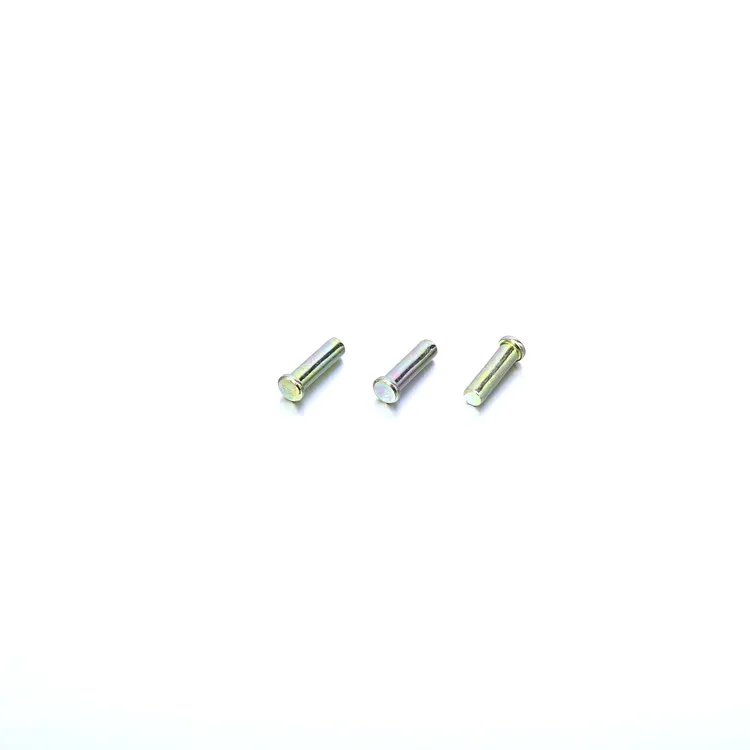
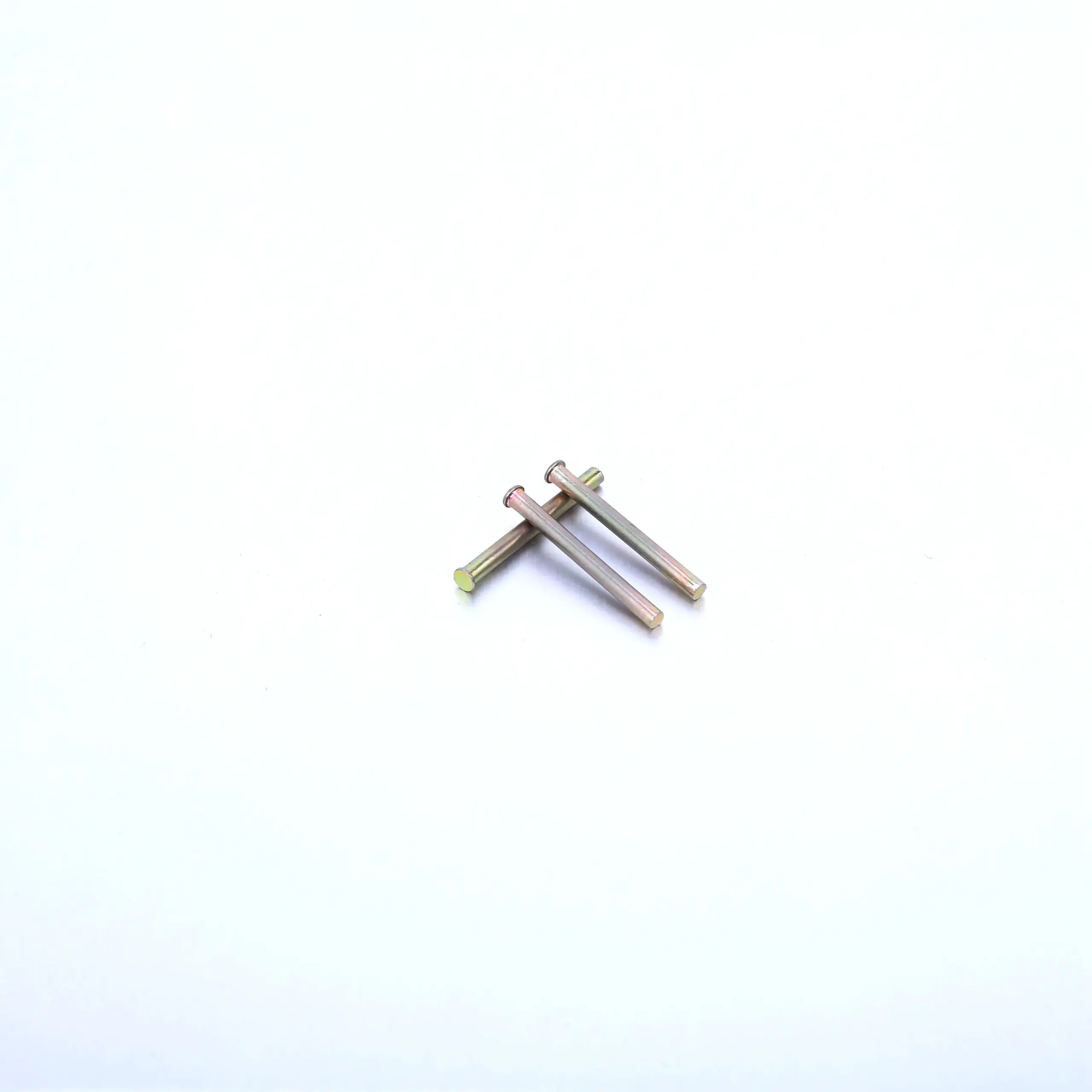
Silver step rivets use a stepped shank to create a defined shoulder between two sections of the fastener. That shoulder can locate a plate, hold a spacer, establish a repeatable spacing or provide a bearing surface for a small pivoting part. The stepped geometry is the functional difference; the silver appearance should not be used as a substitute for a material or coating specification.
Construction and working principle
A step rivet normally combines a head, a locating section and a second shank section. The position and length of the step determine how the mating parts sit relative to one another. The rivet should be designed from the assembled stack, not from the overall length alone: the hole fit, step diameter, step length and the formed or retained end all affect the finished joint.
Step geometry can reduce the chance that a component is clamped in the wrong position, but it does not remove the need to control hole clearance and stack tolerance. For a moving joint, the intended clearance and bearing area must be stated explicitly.
Typical applications
Silver step rivets are commonly considered for compact hardware, electrical components, appliance assemblies, small mechanisms, decorative fasteners and locating joints where a shoulder must sit against a mating part. They can also be used where a straight rivet would allow a plate or spacer to shift during assembly.
Customization options
Useful drawing inputs include head profile, first and second shank diameters, step position, step length, overall length, material, finish and the installed end form. A sample of the mating hole and assembled stack is often more useful than a standalone rivet sample because it shows how the shoulder is expected to seat.
Material and finish selection
The base material should be chosen for strength, corrosion exposure and compatibility with the mating parts. The silver finish is an appearance and surface requirement that must be defined separately, including the substrate and any required corrosion performance. If the part is used in an electrical or moving assembly, confirm that the selected finish and joint geometry are appropriate for that function.
How to specify a step rivet
- Show the head, both shank diameters and the exact step location on the drawing.
- Provide the mating hole sizes, stack height and required installed clearance.
- State whether the joint is fixed, locating or intended to pivot.
- Confirm material, silver finish requirement, quantity and inspection points.
FAQ
Is a step rivet the same as a shoulder screw?
No. A step rivet is a permanent or formed fastener, while a shoulder screw is normally threaded and removable. The choice depends on whether the assembly needs service access.
What is the most important dimension on a step rivet?
The step position and length are usually critical, together with the mating hole fit and overall grip. A correct overall length alone does not guarantee that the shoulder will seat correctly.
Can the silver finish be changed?
The finish can be reviewed against the drawing and application, but the base material and required corrosion or appearance performance should be confirmed first. Do not specify color alone without defining the substrate and finish process.
Explore the step rivets category, or compare pan-head tubular step rivets and brass step rivets.